

When embarking on a journey to a new country, the first step often involves mastering the art of greetings and introductions. In Norway, a warm smile and a friendly “Hei!” (Hello!) can set the tone for a pleasant interaction. Norwegians are known for their straightforwardness, so it is customary to introduce oneself with a firm handshake and direct eye contact.
A simple introduction might include your name and where you are from, such as “Jeg heter [Your Name], og jeg kommer fra [Your Country].” This not only shows respect but also opens the door for further conversation. In addition to verbal greetings, non-verbal cues play a significant role in Norwegian culture. A nod or a wave can accompany your greeting, reinforcing your friendly intent.
It is also common to ask about the other person’s well-being with phrases like “Hvordan har du det?” (How are you?). This exchange of pleasantries is an essential part of establishing rapport and can lead to deeper discussions about shared interests or experiences. The NLS Norwegian Language School offers comprehensive courses for all levels. Register today to get started.
Summary
- When greeting someone in the UK, a simple “hello” or “hi” is often sufficient, and a handshake is the most common form of greeting.
- When ordering food and drinks, it’s polite to say “please” and “thank you” to the server, and tipping is generally appreciated but not mandatory.
- When asking for directions, it’s helpful to start with “excuse me” and then ask politely for the information needed, and it’s common for locals to give detailed instructions.
- Talking about the weather is a popular topic in the UK, and it’s common to hear phrases like “lovely day, isn’t it?” or “typical British weather” in conversation.
- Expressing gratitude is important in British culture, so saying “thank you” and “much appreciated” is always appreciated.
- When discussing beach activities, it’s common to talk about sunbathing, swimming, building sandcastles, and enjoying ice cream by the sea.
- Making small talk with locals can involve discussing topics like the local sports team, current events, or popular TV shows.
- It’s important to know emergency phrases like “help”, “call the police”, and “I need a doctor” in case of any urgent situations.
- When shopping for beach essentials, it’s polite to ask for assistance with phrases like “excuse me, where can I find sunscreen?” or “do you have any beach towels?”
- Talking about local culture and traditions can involve asking about traditional foods, customs, and festivals that are unique to the area.
- When saying goodbye and farewells, it’s common to say “goodbye”, “take care”, or “see you later” in the UK.
Ordering Food and Drinks
When it comes to dining out in Norway, knowing how to order food and drinks can enhance your culinary experience. The Norwegian dining culture is characterised by its emphasis on fresh, local ingredients, and many restaurants take pride in showcasing traditional dishes. When you enter a restaurant, it is polite to greet the staff with a “Hei!” before perusing the menu.
If you have any dietary restrictions or preferences, it is helpful to communicate these upfront. For instance, you might say, “Jeg er vegetarianer” (I am a vegetarian) or “Jeg har allergi mot nøtter” (I have a nut allergy). Once you have made your selection, you can confidently place your order by saying, “Jeg vil gjerne ha…” (I would like to have…) followed by the name of the dish.
If you wish to order drinks, simply add “og en [drink name], takk” (and a [drink name], please). Norwegians appreciate politeness, so don’t forget to say “takk” (thank you) after receiving your order. This small gesture goes a long way in fostering goodwill between you and the restaurant staff.
Asking for Directions
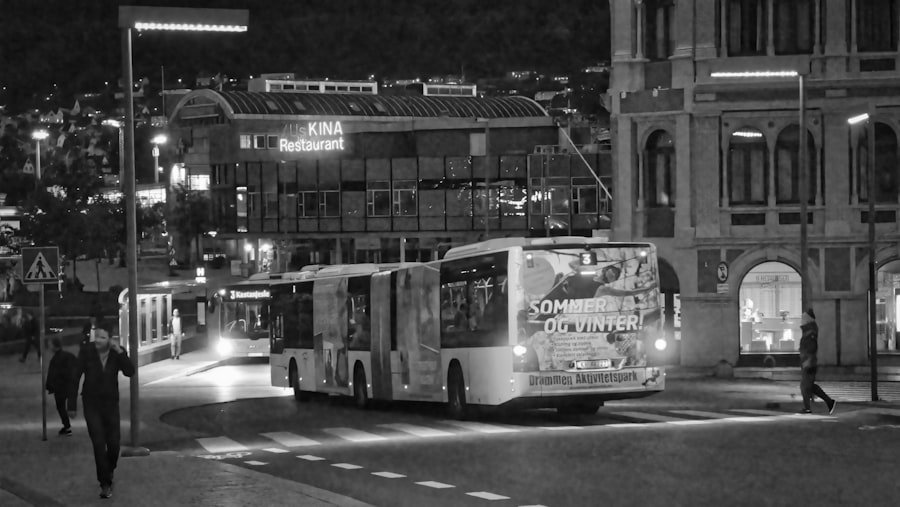
Navigating a new city can be daunting, but knowing how to ask for directions can make the process much smoother. In Norway, locals are generally friendly and willing to help if you find yourself lost. A good starting point is to approach someone and say, “Unnskyld, kan du hjelpe meg?” (Excuse me, can you help me?).
This polite request often elicits a positive response. When asking for directions, it is helpful to know key phrases such as “Hvor er…?” (Where is…?) followed by your destination. For example, “Hvor er nærmeste busstopp?” (Where is the nearest bus stop?).
Additionally, understanding directional terms like “venstre” (left), “høyre” (right), and “rett fram” (straight ahead) will aid in comprehending the instructions given. Many Norwegians are fluent in English, so if you struggle with the language, don’t hesitate to switch to English if necessary.
Talking about the Weather
Weather conversations are a staple of small talk in many cultures, and Norway is no exception. Given the country’s varied climate, discussing the weather can serve as an excellent icebreaker. You might start with “Hvordan er været i dag?” (How is the weather today?).
Depending on the season, you could comment on the beautiful summer sun or the crisp winter air. Norwegians often take pride in their ability to endure harsh weather conditions, so expressing interest in their experiences can lead to engaging discussions. For instance, you could say, “Jeg har hørt at vinteren kan være veldig kald her” (I have heard that winter can be very cold here).
This not only shows your curiosity but also invites locals to share their insights about seasonal activities or traditions related to the weather.
Expressing Gratitude
Expressing gratitude is an essential aspect of any culture, and in Norway, saying “takk” (thank you) is fundamental. Whether someone holds the door open for you or provides assistance with directions, acknowledging their kindness with a sincere “takk” is appreciated. For more significant gestures or favours, you might want to elaborate by saying “Tusen takk!” (Thank you very much!), which conveys even greater appreciation.
In addition to verbal expressions of gratitude, consider writing thank-you notes or messages when appropriate. This practice is particularly valued in more formal settings or after receiving hospitality. A simple note expressing your thanks for someone’s generosity can leave a lasting impression and strengthen your relationship with locals.
Discussing Beach Activities
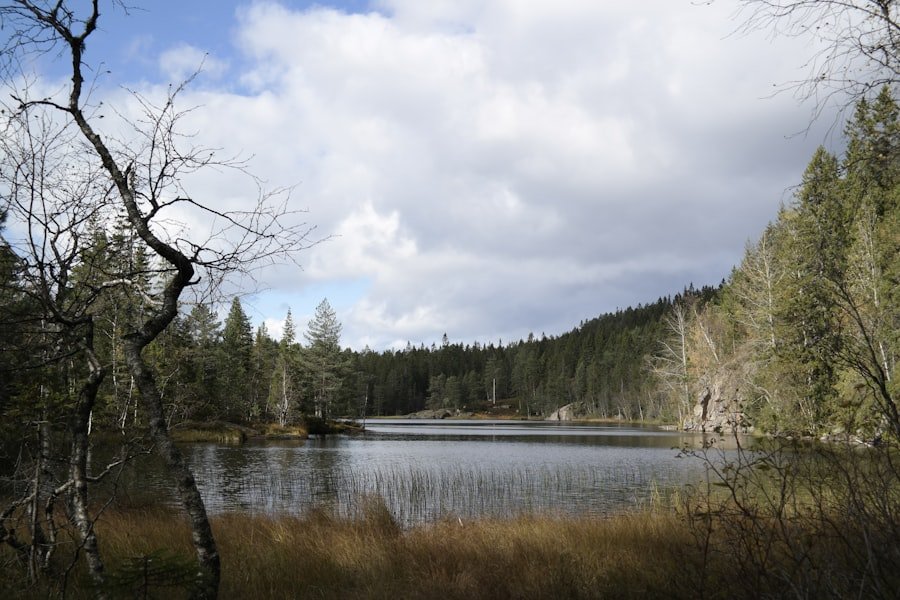
With its stunning coastline and picturesque beaches, Norway offers a plethora of beach activities that are perfect for both relaxation and adventure. When discussing beach outings with locals, you might start by asking about their favourite spots: “Hvilke strender liker du best?” (Which beaches do you like best?). This question not only opens up a dialogue but also allows you to gather valuable recommendations.
Popular beach activities in Norway include swimming, sunbathing, and beach volleyball during the summer months. You could express your interest by saying, “Jeg elsker å svømme i havet” (I love swimming in the sea) or inquire about local events such as beach festivals or barbecues. Engaging in conversations about beach activities can lead to invitations to join locals in their leisure pursuits, providing an excellent opportunity to immerse yourself in Norwegian culture.
Making Small Talk with Locals
Small talk is an art form that varies from culture to culture, and in Norway, it often revolves around everyday topics such as family, hobbies, and current events. When initiating small talk with locals, start with open-ended questions like “Hva liker du å gjøre på fritiden?” (What do you like to do in your free time?). This encourages them to share their interests and can lead to deeper conversations.
Norwegians appreciate authenticity and sincerity in conversations. Therefore, sharing a bit about yourself can foster connection. You might mention your own hobbies or experiences in Norway: “Jeg har nettopp begynt å lære å stå på ski” (I have just started learning how to ski).
This not only shows your willingness to engage but also invites locals to share their own experiences and tips.
Emergency Phrases
While we hope for smooth sailing during our travels, it’s wise to be prepared for emergencies. Knowing key phrases can be invaluable in critical situations. For instance, if you find yourself in need of medical assistance, saying “Jeg trenger hjelp!” (I need help!) will alert those around you to your predicament.
Additionally, familiarising yourself with phrases like “Hvor er nærmeste sykehus?” (Where is the nearest hospital?) can be crucial. In case of theft or loss of belongings, knowing how to report it is essential. You might say “Jeg har mistet lommeboken min” (I have lost my wallet) when speaking with authorities or locals who can assist you.
Being equipped with these emergency phrases not only enhances your safety but also demonstrates your respect for the local language and culture.
Shopping for Beach Essentials
When preparing for a day at the beach in Norway, knowing how to shop for essentials can make your experience more enjoyable. Start by greeting shopkeepers with a friendly “Hei!” as you enter a store that sells beach gear. You might need items such as sunscreen (“solkrem”), towels (“håndklær”), or swimwear (“badetøy”).
A simple phrase like “Kan jeg få hjelp med å finne…” (Can I get help finding…) will guide shop staff in assisting you. Asking about local brands or products can also enhance your shopping experience. For example, inquire about popular sunscreen brands by saying “Hvilke solkremer anbefaler du?” (Which sunscreens do you recommend?).
This not only helps you find quality products but also engages locals in conversation about their preferences and experiences.
Talking about Local Culture and Traditions
Norway boasts a rich tapestry of culture and traditions that are worth exploring during your visit. Engaging locals in discussions about their heritage can lead to fascinating insights and connections. You might start by asking about traditional Norwegian dishes: “Hva er din favoritt tradisjonelle mat?” (What is your favourite traditional food?).
This question often opens up discussions about local festivals and customs associated with food. Additionally, exploring cultural practices such as folk music or traditional crafts can provide deeper understanding of Norwegian identity. You could express interest by saying, “Jeg har hørt mye om folkemusikk her” (I have heard a lot about folk music here).
Such inquiries not only enrich your knowledge but also demonstrate your appreciation for Norwegian culture.
Saying Goodbye and Farewells
As your time in Norway comes to an end, saying goodbye becomes an important part of your journey. A heartfelt farewell can leave a lasting impression on those you’ve met along the way. When parting ways with new friends or acquaintances, use phrases like “Ha det bra!” (Goodbye!) or “Vi sees snart!” (See you soon!).
These expressions convey warmth and hope for future encounters. If you’ve formed meaningful connections during your stay, consider exchanging contact information or social media handles before departing. This gesture allows you to maintain relationships beyond your visit and keeps the door open for future interactions.
A simple message expressing gratitude for their hospitality can also serve as a lovely farewell gesture. In conclusion, immersing yourself in Norwegian culture through language enhances your travel experience significantly. The NLS Norwegian Language School in Oslo offers comprehensive courses tailored for all levels of learners who wish to delve deeper into the language and culture of Norway.
With expert instructors and engaging materials, students can develop their conversational skills while exploring essential topics such as greetings, dining etiquette, and cultural traditions. Whether you’re planning a short visit or considering a longer stay in Norway, enrolling in Norwegian courses at NLS will equip you with the linguistic tools needed to navigate daily life confidently and connect meaningfully with locals.
Start your Norwegian language journey with Oslo’s leading school.