

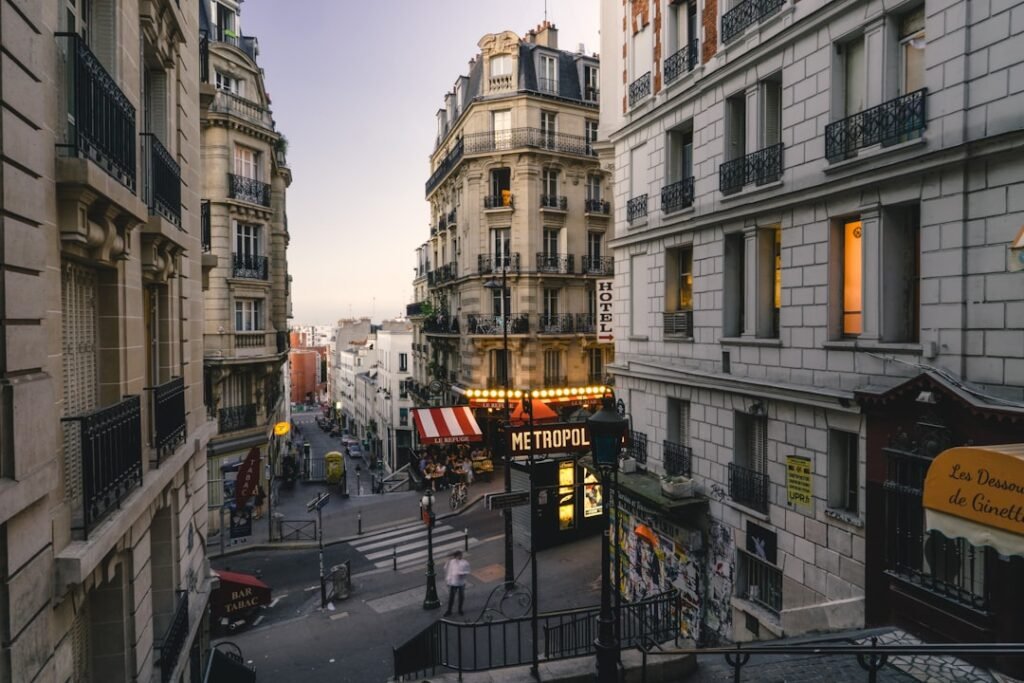
The term “flâner” has its roots deeply embedded in the cultural and historical fabric of Paris, emerging in the 19th century as a reflection of the city’s evolving urban landscape. The flâneur, a quintessential figure of this phenomenon, is often depicted as a leisurely observer, strolling through the bustling streets and absorbing the vibrant life around him. This practice of aimless wandering was not merely a pastime; it was a response to the rapid industrialisation and urbanisation that transformed Paris into a modern metropolis.
The boulevards, cafés, and parks became the stage for this new form of social interaction, where individuals could engage with the city and its inhabitants without a specific destination in mind. The flâneur’s origins can be traced back to the writings of Charles Baudelaire, who celebrated this figure in his poetry and essays. Baudelaire’s flâneur was not just a passive observer but an active participant in the urban experience, embodying the spirit of modernity.
This concept resonated with many artists and intellectuals of the time, who sought to capture the essence of Parisian life through their works. The flâneur became a symbol of freedom and individuality, representing a break from traditional societal norms and an embrace of the chaotic beauty of urban existence. As such, flâner evolved into a cultural practice that transcended mere wandering; it became a philosophical exploration of identity and place within the ever-changing cityscape. Immerse yourself in the beauty of French. Begin your lessons today at the NLS Norwegian Language School in Oslo.
Summary
- Flâner originated in Paris as a form of aimless wandering, rooted in the 19th-century urban experience.
- The philosophy of flâner emphasises the importance of observing and appreciating one’s surroundings without a specific purpose or destination.
- Aimless wandering encourages a deeper connection with the urban environment, fostering a sense of curiosity and mindfulness.
- Flâner has a unique relationship with urban landscapes, allowing for a different perspective on city life and architecture.
- The tradition of flâner has had a significant influence on French literature and art, shaping cultural expression and creativity.
The Philosophy of Flâner: Understanding the Mindset and Attitude of Aimless Wanderers
At its core, flâner embodies a unique philosophy that encourages individuals to embrace spontaneity and curiosity. The mindset of a flâneur is characterised by an openness to experience, allowing one to engage with the world without preconceived notions or rigid plans. This attitude fosters a sense of freedom, as it liberates individuals from the constraints of time and obligation.
In a society that often prioritises productivity and efficiency, the act of wandering aimlessly becomes a radical act of self-discovery and reflection. Moreover, the philosophy of flâner invites individuals to cultivate mindfulness in their daily lives. By immersing oneself in the sights, sounds, and smells of the city, flâneurs develop a heightened awareness of their surroundings.
This practice encourages them to appreciate the beauty in the mundane and to find joy in unexpected encounters. The flâneur’s journey is not solely about physical movement; it is also an exploration of one’s inner landscape, where thoughts and emotions can flow freely. In this way, flâner becomes a meditative practice that nurtures both the mind and spirit.
The Art of Observation: How Flâner Encourages a Deeper Appreciation of the Surroundings
One of the most profound aspects of flâner is its emphasis on observation. As flâneurs wander through the streets of Paris, they engage in a form of active seeing that transcends mere visual perception. This art of observation involves tuning into the subtleties of life unfolding around them—the laughter of children playing in a park, the aroma of freshly baked bread wafting from a nearby boulangerie, or the intricate details of architectural facades.
Each moment becomes an opportunity for connection and reflection, allowing flâneurs to cultivate a deeper appreciation for their environment. This heightened sense of awareness can lead to transformative experiences. By taking the time to observe their surroundings, flâneurs often discover hidden gems within the city—quaint alleyways adorned with street art, charming cafés tucked away from the bustling crowds, or serene gardens that offer respite from urban chaos.
These discoveries enrich their understanding of Paris as a living entity, full of stories waiting to be uncovered. In this way, flâner becomes not just an act of wandering but an invitation to engage with the world on a more profound level.
Flâner and the Cityscape: Exploring the Unique Relationship Between Aimless Wandering and Urban Environments
The relationship between flâner and urban environments is intricate and dynamic. Cities like Paris are designed to be explored; their streets are woven together like threads in a tapestry, each leading to new experiences and encounters. The architecture, public spaces, and cultural landmarks all contribute to the flâneur’s journey, creating an ever-changing backdrop for aimless wandering.
As flâneurs navigate these urban landscapes, they become attuned to the rhythms and nuances that define city life. Moreover, flâner serves as a counterpoint to the fast-paced nature of modern living. In an age dominated by technology and constant connectivity, aimless wandering offers a reprieve from the demands of daily life.
It allows individuals to slow down and savour their surroundings, fostering a sense of connection to both place and community. The act of wandering through Parisian streets becomes an exploration not only of physical space but also of social dynamics—observing interactions between strangers, witnessing cultural expressions, and experiencing the vibrancy that characterises urban life.
The Role of Flâner in French Literature and Art: Tracing the Influence of Aimless Wandering in Cultural Expression
Flâner has left an indelible mark on French literature and art, inspiring countless writers and artists to explore its themes in their work. The flâneur has become a central figure in literary movements such as Romanticism and Modernism, where authors like Marcel Proust and Virginia Woolf have captured the essence of aimless wandering through their narratives. In their writings, they delve into the psychological dimensions of flânerie, exploring how wandering can lead to profound insights about identity, memory, and existence.
In visual art, flânerie has also found expression through movements such as Impressionism. Artists like Claude Monet and Édouard Manet sought to capture fleeting moments in time, reflecting the transient nature of urban life. Their paintings often depict scenes of everyday life—café terraces bustling with patrons or serene parks filled with leisurely strollers—inviting viewers to engage with the beauty found in ordinary moments.
Through these artistic expressions, flânerie becomes not only a personal journey but also a collective experience that resonates across generations.
The Flâneur and the Flâneuse: Examining the Gender Dynamics of Aimless Wandering in Paris
While the concept of flânerie has traditionally been associated with male figures—the flâneur—there is an emerging recognition of female counterparts known as flâneuses. The exploration of gender dynamics within this practice reveals complex layers of social expectations and cultural narratives. Historically, women faced societal constraints that limited their freedom to wander aimlessly through public spaces.
However, as feminist movements gained momentum, women began to reclaim their right to roam freely within urban environments. The flâneuse embodies a different perspective on aimless wandering—one that challenges traditional notions of femininity while embracing autonomy and self-expression. Female writers such as Virginia Woolf have contributed significantly to this discourse by portraying women’s experiences in urban settings through their literature.
The act of wandering becomes an assertion of identity for women who navigate public spaces on their own terms. As such, flânerie evolves into a powerful symbol of liberation—a means for both men and women to explore their individuality within the context of an ever-changing city.
The Modern Flâner: How Contemporary Parisians Embrace the Tradition of Aimless Wandering
In contemporary Paris, the tradition of flâner continues to thrive as Parisians embrace aimless wandering as both a cultural practice and a personal escape from daily routines. With bustling streets filled with cafés, boutiques, and art galleries, modern-day flâneurs find ample opportunities to explore their city at leisure. The rise of social media has also played a role in revitalising this tradition; individuals share their experiences online, showcasing hidden gems discovered during their wanderings while inspiring others to embark on similar journeys.
Moreover, contemporary Parisians have adapted flânerie to suit their lifestyles by incorporating elements such as mindfulness practices into their walks. Many now approach aimless wandering as an opportunity for self-reflection or creative inspiration—taking time to disconnect from technology and immerse themselves fully in their surroundings. This modern interpretation reinforces the idea that flânerie is not merely about physical movement but also about cultivating a deeper connection with oneself and one’s environment.
Flâner and Mental Wellbeing: Exploring the Therapeutic Benefits of Aimless Wandering
The therapeutic benefits associated with flâner are increasingly recognised within discussions surrounding mental wellbeing. Engaging in aimless wandering allows individuals to step away from stressors and obligations while fostering relaxation and clarity. The simple act of walking through familiar streets can evoke feelings of nostalgia or joy—providing solace amidst life’s challenges.
Furthermore, studies have shown that spending time outdoors has positive effects on mental health; exposure to nature can reduce anxiety levels while enhancing overall mood. Flânerie also encourages introspection—a valuable aspect for those seeking personal growth or emotional healing. As individuals wander without purpose or destination, they create space for thoughts and feelings to surface naturally.
This process can lead to insights about oneself or one’s circumstances while promoting mindfulness practices that enhance emotional resilience. In this way, aimless wandering becomes not just an enjoyable pastime but also a powerful tool for nurturing mental wellbeing.
The Ethical Implications of Flâner: Considering the Impact of Aimless Wandering on Public Spaces and Communities
While flânerie offers numerous benefits for individuals seeking connection with their surroundings, it also raises important ethical considerations regarding public spaces and communities. As more people engage in aimless wandering—particularly in popular tourist areas—issues such as overcrowding or gentrification may arise. The influx of visitors can alter local dynamics while impacting residents’ experiences within their own neighbourhoods.
Moreover, there is an inherent responsibility that comes with being a flâneur or flâneuse; one must navigate public spaces respectfully while considering how their presence affects others. This includes being mindful not only about personal enjoyment but also about contributing positively to community life—supporting local businesses or engaging with residents rather than merely observing from afar. By fostering awareness around these ethical implications, individuals can ensure that their practice of flânerie enriches both themselves and those around them.
Flâner and Technology: Examining the Role of Digital Devices in the Practice of Aimless Wandering
In today’s digital age, technology plays an increasingly significant role in shaping how we experience aimless wandering. While smartphones provide access to maps and information that can enhance exploration—allowing users to discover new places or share experiences instantly—they can also detract from genuine engagement with one’s surroundings if overused. Striking a balance between utilising technology for navigation while remaining present during walks is essential for maintaining authenticity within this practice.
Moreover, social media platforms have transformed how individuals document their journeys; sharing snapshots from wanderings has become commonplace among modern-day flâneurs. While this can foster community connections among like-minded explorers—encouraging others to embark on similar adventures—it may also lead some individuals towards performative behaviours rather than authentic experiences rooted in personal discovery. As such, it is crucial for contemporary wanderers to remain mindful about how technology influences their relationship with both place and self.
Embracing Flâner: Tips and Techniques for Cultivating the Art of Aimless, Soulful Wandering in Paris
To fully embrace the art of flâner in Paris requires intention and practice; here are some tips for cultivating this enriching experience: 1. **Leave Your Map Behind**: Allow yourself to wander without predetermined routes or destinations—trust your instincts as you explore new streets or revisit familiar ones. 2. **Engage Your Senses**: Pay attention to what you see, hear, smell—and even taste! Take time to savour local delicacies at cafés or bakeries along your path. 3. **Take Breaks**: Find spots where you can sit quietly—whether it’s on a park bench or at an outdoor café—to reflect on your surroundings while observing life unfold around you. 4. **Connect with Locals**: Strike up conversations with residents or shopkeepers; these interactions can lead to unexpected insights about neighbourhoods you may not have otherwise discovered. 5. **Document Your Journey**: Consider keeping a journal or sketchbook during your wanderings—capturing thoughts or impressions can deepen your connection with each experience. 6. **Join French Courses at NLS Norwegian Language School**: To truly immerse yourself in Parisian culture while enhancing your ability to navigate its streets meaningfully, consider enrolling in French courses at NLS Norwegian Language School in Oslo. These courses will equip you with language skills that enrich your interactions during your explorations—allowing you not only to communicate effectively but also to appreciate nuances within conversations that may arise during your aimless wanderings. By embracing these techniques alongside language learning opportunities at NLS Norwegian Language School, you’ll cultivate an authentic practice rooted in curiosity—a soulful approach towards discovering all that Paris has to offer through aimless wandering!




