

La Saint-Sylvestre, celebrated on the night of December 31st, is a cherished tradition in France that marks the transition from one year to the next. The name itself is derived from Saint Sylvester, a pope who is believed to have died on December 31st in the year 335 AD. Over the centuries, this date has evolved into a festive occasion, steeped in both religious and secular customs.
The celebration has its roots in ancient Roman traditions, where the end of the year was a time for reflection and revelry. As Christianity spread throughout Europe, many pagan customs were absorbed into Christian practices, leading to the unique blend of festivities we see today. In modern France, La Saint-Sylvestre is not merely a religious observance but a vibrant celebration filled with joy and anticipation.
It is a time when families and friends gather to bid farewell to the old year and welcome the new one with open arms. The evening is often marked by lavish dinners, lively parties, and an atmosphere of hope and renewal. As the clock strikes midnight, the air is filled with excitement as people come together to celebrate new beginnings, making it one of the most anticipated nights of the year. Immerse yourself in the beauty of French. Begin your lessons today at the NLS Norwegian Language School in Oslo.
Summary
- La Saint-Sylvestre is the French celebration of New Year’s Eve, named after Pope Sylvester I.
- Traditional French New Year’s Eve foods include foie gras, oysters, and smoked salmon.
- The custom of eating 12 grapes at midnight is believed to bring good luck for each month of the coming year.
- Champagne is of great importance in French New Year’s celebrations, symbolizing luxury and celebration.
- Sending New Year’s cards is a cherished tradition in France, often featuring good luck symbols and well wishes for the coming year.
Traditional French New Year’s Eve Foods
Food plays a central role in La Saint-Sylvestre celebrations, with families often preparing elaborate meals that reflect the richness of French cuisine. A traditional French New Year’s Eve dinner typically features an array of delectable dishes, showcasing the culinary prowess of the host. Starters may include oysters, foie gras, or smoked salmon, each delicately prepared to tantalise the taste buds.
These dishes are not only a feast for the palate but also a symbol of luxury and abundance, setting the tone for the festivities ahead. As the evening progresses, the main course often consists of sumptuous meats such as duck or beef, accompanied by seasonal vegetables and rich sauces. Desserts are equally impressive, with options ranging from classic bûche de Noël (Yule log) to decadent chocolate tarts.
The meal is often complemented by fine wines and spirits, elevating the dining experience to new heights. This culinary extravagance reflects the French ethos of celebrating life through food, making La Saint-Sylvestre a gastronomic delight that brings people together in joyous communion.
The Custom of Eating 12 Grapes at Midnight
One of the most intriguing customs associated with La Saint-Sylvestre is the tradition of eating twelve grapes at midnight. This practice, which has its origins in Spain, has been embraced by many French families as a way to usher in good luck for the coming year. Each grape represents one month of the year, and as the clock strikes twelve, participants consume one grape for each chime.
The act is imbued with significance, as it is believed that if all twelve grapes are eaten successfully, it will bring prosperity and happiness for each month ahead. The custom has become a playful ritual that adds an element of fun to the midnight countdown. Families often gather around the table, eagerly anticipating the moment when they can indulge in this fruity tradition.
It serves as a reminder of the importance of hope and optimism as they step into a new year filled with possibilities. The laughter and camaraderie shared during this ritual create lasting memories that are cherished for years to come.
The Importance of Champagne in French New Year’s Celebrations
No French celebration would be complete without champagne, and La Saint-Sylvestre is no exception. This sparkling wine has become synonymous with festivities and is often regarded as a symbol of celebration and joy. As midnight approaches, it is customary for hosts to pour glasses of champagne for their guests, raising a toast to new beginnings and shared experiences.
The effervescence of champagne mirrors the excitement in the air, making it an integral part of the evening’s festivities. The tradition of drinking champagne on New Year’s Eve dates back to the 19th century when it became increasingly popular among the French elite. Today, it is enjoyed by people from all walks of life as they come together to celebrate.
The act of clinking glasses and exchanging heartfelt wishes encapsulates the spirit of La Saint-Sylvestre—a moment of connection and unity as friends and family gather to reflect on the past year while looking forward to what lies ahead.
The Tradition of Sending New Year’s Cards
In France, sending New Year’s cards is a cherished tradition that allows individuals to express their best wishes to friends and family as they embark on a new year. Unlike Christmas cards, which are typically sent during December, New Year’s cards are often dispatched in early January. This custom provides an opportunity for people to reconnect with loved ones after the holiday season and share their hopes for the upcoming year.
The cards themselves can be beautifully designed, featuring intricate illustrations or heartfelt messages. Many people take great care in selecting or creating cards that reflect their personality or sentiments. In an age dominated by digital communication, receiving a handwritten card in the post carries a special significance, evoking feelings of warmth and nostalgia.
This tradition reinforces social bonds and serves as a reminder that even in our fast-paced world, taking time to connect with others remains invaluable.
The Custom of Exchanging Kisses at Midnight
As midnight approaches on La Saint-Sylvestre, another delightful custom comes into play—the exchange of kisses among friends and family. In France, it is customary to greet loved ones with a kiss on both cheeks as a sign of affection and goodwill. This practice not only fosters intimacy but also creates an atmosphere of warmth and camaraderie during the celebrations.
The act of kissing at midnight serves as a symbolic gesture that signifies new beginnings and shared hopes for the future. It is a moment when people come together to express their love and appreciation for one another, reinforcing social ties that are so vital in French culture. As laughter fills the air and voices rise in joyous celebration, these exchanges become cherished memories that linger long after the festivities have ended.
New Year’s Eve Fireworks Displays in France
In many cities across France, La Saint-Sylvestre is marked by spectacular fireworks displays that light up the night sky. These dazzling shows are often organised by local municipalities and draw crowds eager to witness the breathtaking spectacle. The fireworks serve as a visual representation of hope and renewal, illuminating the darkness as people gather to celebrate together.
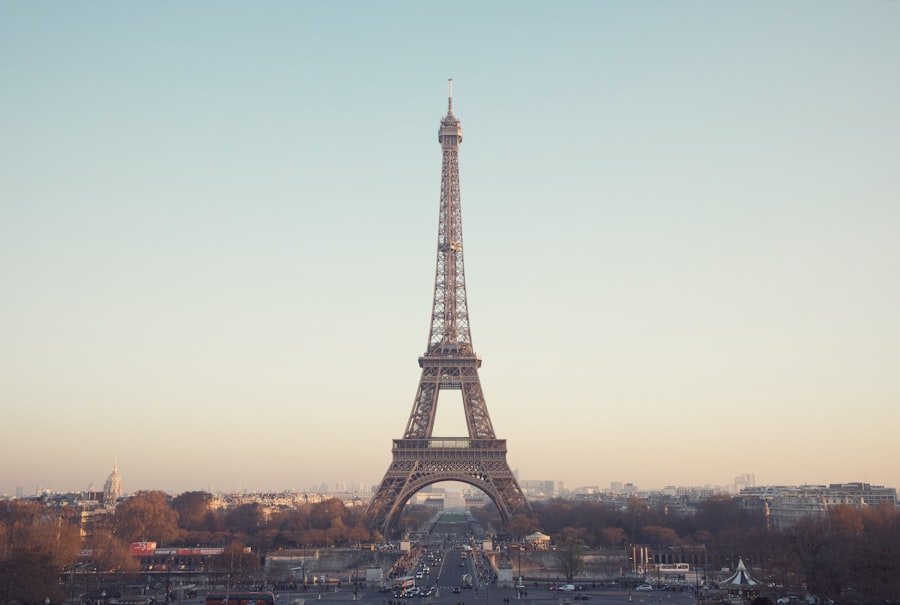
Paris, in particular, is renowned for its grand fireworks displays at iconic locations such as the Champs-Élysées or near the Eiffel Tower. As midnight approaches, thousands gather in anticipation, their faces aglow with excitement. The explosions of colour against the backdrop of historic landmarks create an unforgettable experience that encapsulates the spirit of celebration inherent in La Saint-Sylvestre.
The Role of Music and Dancing in French New Year’s Celebrations
Music and dancing are integral components of La Saint-Sylvestre celebrations throughout France. Whether at home gatherings or public events, lively tunes fill the air as people come together to dance away the old year and welcome in the new one. Traditional French music often features folk melodies or popular chansons that evoke nostalgia while encouraging everyone to join in on the fun.
In larger cities, public celebrations may feature live bands or DJs playing upbeat music that gets everyone on their feet. The atmosphere is electric as people dance with abandon, celebrating not only their friendships but also their shared experiences over the past year. This joyous expression through music and movement creates an inclusive environment where everyone can partake in the festivities, reinforcing community bonds that are so vital during this time of celebration.
New Year’s Eve Mass and Religious Traditions
For some individuals and families in France, La Saint-Sylvestre holds religious significance as they attend midnight mass to mark the transition into the new year. This tradition allows them to reflect on their faith while seeking blessings for themselves and their loved ones in the coming year. Churches across France often host special services that draw congregants eager to participate in this sacred observance.
The mass typically includes prayers for peace and prosperity while offering an opportunity for personal reflection on one’s spiritual journey over the past year. For many attendees, this moment serves as a reminder of their values and aspirations as they step into a new chapter filled with hope and possibility. The combination of faith and festivity creates a unique atmosphere that enriches La Saint-Sylvestre celebrations for those who choose to embrace both aspects.
The French Tradition of Making New Year’s Resolutions
As part of La Saint-Sylvestre celebrations, many individuals engage in the time-honoured tradition of making New Year’s resolutions. This practice encourages self-reflection and personal growth as people contemplate their aspirations for the upcoming year. Common resolutions may include commitments to improve health, pursue new hobbies, or strengthen relationships with loved ones.
The act of sharing these resolutions with friends and family can foster accountability and support within social circles. It becomes an opportunity for individuals to encourage one another as they embark on their journeys toward self-improvement. This tradition not only highlights personal aspirations but also reinforces community ties as people come together to uplift one another during this transformative time.
How La Saint-Sylvestre Differs from New Year’s Eve Celebrations in Other Countries
While many cultures around the world celebrate New Year’s Eve with their own unique customs and traditions, La Saint-Sylvestre stands out for its rich blend of culinary delights, heartfelt rituals, and communal spirit. Unlike some countries where fireworks dominate celebrations or where countdowns are marked by loud parties alone, France embraces a more intimate approach that emphasises connection among family and friends. In contrast to countries like Spain or Mexico where specific foods are consumed at midnight for good luck—such as twelve grapes—French traditions focus more on shared meals and heartfelt exchanges among loved ones.
Additionally, while some cultures may prioritise public festivities over private gatherings, La Saint-Sylvestre often sees families coming together at home before venturing out into public celebrations later in the evening. As we reflect on these diverse customs surrounding La Saint-Sylvestre, it becomes clear that this celebration encapsulates not only a momentous occasion but also embodies values such as love, hope, community spirit—and perhaps most importantly—the joy found within shared experiences. For those looking to deepen their understanding of French culture while embracing its language through culinary traditions or festive celebrations like La Saint-Sylvestre, consider enrolling in French courses at NLS Norwegian Language School in Oslo.
With expert instructors guiding you through language learning tailored specifically for cultural contexts such as these celebrations—your journey into mastering French will be both enriching and enjoyable!




