
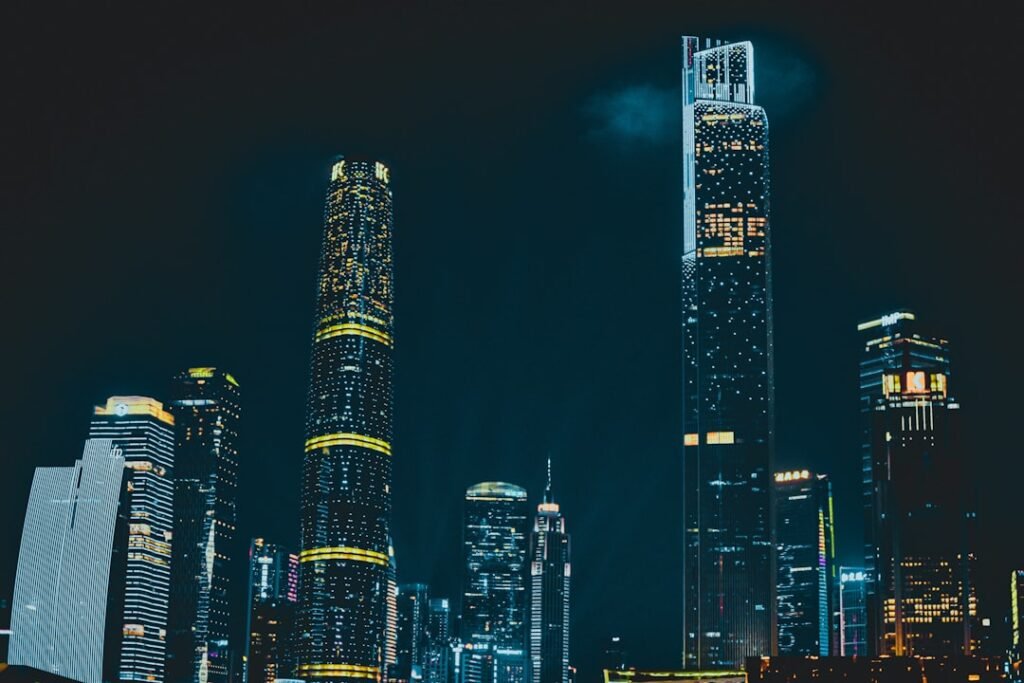
Hong Kong cinema has long been a vibrant and influential force in the world of film, captivating audiences with its unique blend of action, drama, and romance. The cinematic landscape of Hong Kong is not only a reflection of its rich cultural heritage but also serves as a vital medium for the preservation and promotion of the Cantonese language. As one of the primary languages spoken in Hong Kong, Cantonese is characterised by its distinct grammar, pronunciation, and colloquialisms.
This article aims to explore the intricate relationship between Hong Kong cinema and Cantonese grammar, highlighting how films can serve as an engaging platform for language learning. The significance of Cantonese grammar in the context of Hong Kong cinema cannot be overstated. As films often depict everyday life, they provide a window into the authentic use of the language, showcasing its nuances and complexities.
By immersing oneself in the dialogues and narratives presented in these films, learners can gain a deeper understanding of Cantonese grammar while simultaneously enjoying the artistry of cinema. This exploration will delve into various aspects of Cantonese grammar as it appears in popular films, illustrating how cinema can be an effective tool for language acquisition. Ready to speak Cantonese? Enroll for Cantonese classes at the NLS Norwegian Language School in Oslo!
Summary
- Hong Kong Cinema has played a significant role in preserving authentic Cantonese language and grammar.
- Popular Hong Kong films can be a valuable tool for learning Cantonese grammar, sentence structure, and word order.
- Embracing Cantonese slang and colloquialisms in Hong Kong cinema can enhance language learning and cultural understanding.
- Hong Kong films provide an opportunity to explore Cantonese pronunciation, tone, and grammar patterns in dialogue and subtitles.
- Immersive Cantonese language learning can be achieved through utilising Hong Kong cinema as a tool for language acquisition and cultural immersion.
The Role of Hong Kong Cinema in Preserving Authentic Cantonese
Hong Kong cinema plays a pivotal role in preserving authentic Cantonese by showcasing the language in its natural habitat. The dialogues in films often reflect the everyday speech patterns of native speakers, capturing the essence of how Cantonese is used in various social contexts. This authenticity is crucial for learners who wish to grasp the language as it is spoken by locals, rather than relying solely on textbook examples that may lack real-world applicability.
Moreover, Hong Kong films often incorporate cultural references and idiomatic expressions that are integral to understanding the language. By presenting these elements within engaging narratives, filmmakers not only entertain but also educate audiences about the richness of Cantonese. This cultural preservation is particularly important in an era where globalisation threatens to dilute regional languages and dialects.
Through cinema, Cantonese is kept alive, vibrant, and relevant, ensuring that future generations can appreciate its beauty and complexity.
Learning Cantonese Grammar Through Popular Hong Kong Films

Popular Hong Kong films serve as an excellent resource for learning Cantonese grammar. The dialogues are often rich with grammatical structures that reflect everyday usage, making them ideal for learners seeking to improve their language skills. For instance, films such as “Infernal Affairs” and “Chungking Express” feature characters engaging in conversations that highlight various grammatical points, from verb conjugations to sentence constructions.
By analysing these films, learners can identify common grammatical patterns and structures that are frequently used in spoken Cantonese. This exposure not only aids in comprehension but also enhances retention, as learners can associate grammatical rules with memorable scenes and dialogues. Furthermore, the emotional context provided by the characters’ interactions helps to solidify understanding, making grammar lessons more relatable and enjoyable.
Understanding Cantonese Sentence Structure and Word Order
Cantonese sentence structure is distinct from that of many other languages, often following a subject-verb-object (SVO) order. However, there are nuances that learners must grasp to achieve fluency. Hong Kong cinema provides ample examples of this structure in action, allowing viewers to observe how sentences are constructed in real-time.
For instance, in films where characters express their desires or intentions, learners can see how verbs are positioned within sentences to convey meaning effectively. Additionally, word order can change depending on the context or emphasis within a sentence. Films often illustrate these variations through character interactions, showcasing how subtle shifts in word placement can alter the tone or intent of a statement.
By paying close attention to these details in dialogue, learners can develop a more intuitive understanding of Cantonese sentence structure, which is essential for effective communication.
Embracing Cantonese Slang and Colloquialisms in Hong Kong Cinema
One of the most exciting aspects of learning Cantonese through Hong Kong cinema is the exposure to slang and colloquialisms that permeate everyday conversation. These informal expressions often reflect cultural attitudes and social dynamics unique to Hong Kong, providing learners with insights into local customs and behaviours. Films such as “Shaolin Soccer” and “Kung Fu Hustle” are replete with colloquial language that adds authenticity to character interactions.
Embracing slang is crucial for learners who wish to sound natural when conversing with native speakers. By incorporating these expressions into their vocabulary, learners can bridge the gap between formal language education and real-world communication. Moreover, understanding colloquialisms allows learners to connect more deeply with the culture represented in the films, fostering a greater appreciation for the language itself.
Exploring Cantonese Pronunciation and Tone through Hong Kong Films
Cantonese is a tonal language, meaning that variations in pitch can change the meaning of words entirely. This aspect of the language can be particularly challenging for learners; however, Hong Kong cinema offers an engaging way to master pronunciation and tone. By listening to native speakers in films, learners can attune their ears to the subtle differences in tone that characterise Cantonese speech.
Films often feature characters expressing a range of emotions, which can influence their tone and pronunciation. Observing these variations in context helps learners understand how tone functions within conversational settings. Additionally, many films include subtitles that provide phonetic transcriptions or translations, allowing viewers to connect spoken language with written forms.
This dual exposure reinforces pronunciation skills while enhancing overall comprehension.
Identifying Cantonese Grammar Patterns in Dialogue and Subtitles
As learners engage with Hong Kong cinema, they can actively identify grammar patterns within dialogues and subtitles. This practice not only reinforces grammatical concepts but also enhances listening skills as learners become more attuned to how grammar manifests in spoken language. For example, common sentence structures or verb forms may appear repeatedly across different films, providing valuable opportunities for recognition and practice.
Subtitles serve as an additional resource for learners to analyse grammar patterns while following along with the dialogue. By comparing spoken lines with their written counterparts, learners can gain insights into how grammar operates within various contexts. This analytical approach fosters a deeper understanding of Cantonese grammar while simultaneously enhancing listening comprehension.
Applying Authentic Cantonese Grammar in Everyday Conversations
The ultimate goal of learning any language is to apply it effectively in real-life situations. By utilising insights gained from Hong Kong cinema, learners can confidently incorporate authentic Cantonese grammar into their everyday conversations. Whether discussing daily activities or expressing opinions on current events, the grammatical structures observed in films can serve as a foundation for meaningful communication.
Moreover, engaging with native speakers becomes less daunting when learners feel equipped with practical language skills derived from cinematic experiences. The familiarity gained from watching films allows learners to navigate conversations with greater ease and confidence. As they practise using authentic grammar patterns, they will find themselves better able to connect with others and express themselves fluently.
Recognising Cultural Context and Nuances in Cantonese Language in Hong Kong Cinema
Understanding cultural context is essential for mastering any language, and this is particularly true for Cantonese as portrayed in Hong Kong cinema. Films often reflect societal values, historical events, and cultural norms that shape the way language is used. By recognising these nuances within dialogues, learners can gain a richer understanding of both the language and the culture it represents.
For instance, certain phrases or expressions may carry specific connotations that are deeply rooted in local customs or traditions. By exploring these cultural references through film narratives, learners can develop a more nuanced appreciation for how language functions within its cultural framework. This understanding not only enhances language skills but also fosters empathy and connection with native speakers.
Utilising Hong Kong Cinema as a Tool for Immersive Cantonese Language Learning
Hong Kong cinema offers an immersive experience for learners seeking to enhance their Cantonese language skills. By engaging with films that feature authentic dialogue and cultural references, learners can create a rich learning environment that goes beyond traditional classroom settings. This immersive approach allows for greater retention of vocabulary and grammar while also making the learning process enjoyable.
Furthermore, watching films provides opportunities for repeated exposure to language patterns and structures without the pressure of formal assessments. Learners can take their time to absorb dialogues at their own pace while enjoying compelling stories and characters. This combination of entertainment and education makes Hong Kong cinema an invaluable resource for anyone looking to deepen their understanding of Cantonese.
Embracing Authentic Cantonese Grammar through Hong Kong Cinema
In conclusion, Hong Kong cinema serves as a powerful medium for embracing authentic Cantonese grammar while providing an engaging platform for language learning. Through its rich narratives and vibrant characters, cinema offers invaluable insights into the complexities of Cantonese grammar, pronunciation, slang, and cultural context. By immersing themselves in this cinematic world, learners can develop their language skills while gaining a deeper appreciation for the culture it represents.
For those interested in furthering their studies in Cantonese grammar and language acquisition, courses at institutions like the NLS Norwegian Language School in Oslo offer tailored programmes designed to enhance proficiency through immersive experiences. With a focus on practical application and cultural understanding, these courses complement the insights gained from Hong Kong cinema, ensuring that learners are well-equipped to navigate conversations with confidence and authenticity. Embracing both cinematic experiences and structured learning will undoubtedly lead to a richer understanding of Cantonese and its vibrant cultural tapestry.
Ready to speak Cantonese? Enroll for Cantonese classes at the NLS Norwegian Language School in Oslo!