


Speaking confidence is a cornerstone of successful language acquisition. It is not merely about the ability to articulate words; it encompasses the courage to express oneself, engage in conversations, and navigate the complexities of a new language. For learners of Korean at the NLS Norwegian Language School in Oslo, developing this confidence is essential.
It allows students to move beyond the confines of textbook knowledge and into the realm of real-world communication. When learners feel confident in their speaking abilities, they are more likely to participate actively in class discussions, engage with native speakers, and ultimately, enjoy the process of learning. Moreover, speaking confidence can significantly influence a learner’s motivation and overall experience.
When students feel assured in their ability to communicate, they are more inclined to take risks, make mistakes, and learn from them. This willingness to engage with the language fosters a deeper understanding and retention of vocabulary and grammar. At NLS, the emphasis on building speaking confidence is woven into every aspect of the curriculum, ensuring that students not only learn Korean but also feel empowered to use it in their daily lives. Ready to speak Korean? Enroll now at the NLS Norwegian Language School in Oslo.
Summary
- Speaking confidence is crucial in language learning as it enhances communication and understanding.
- Challenges in speaking a second language include fear, anxiety, pronunciation, and accent.
- The NLS approach focuses on building speaking confidence in Korean through interactive and engaging conversational practice.
- Pronunciation and accent play a significant role in building confidence in speaking a second language.
- Overcoming fear and anxiety in speaking Korean is essential for improving speaking confidence.
Understanding the Challenges of Speaking in a Second Language
The journey of learning a second language is often fraught with challenges, particularly when it comes to speaking. Many learners grapple with the fear of making mistakes or being misunderstood, which can lead to anxiety and reluctance to participate in conversations. This is especially true for languages like Korean, which has a unique script and pronunciation that may be unfamiliar to many learners.
At NLS, instructors recognise these hurdles and strive to create an environment where students can confront these challenges head-on. Additionally, the pressure to speak fluently can be overwhelming. Learners may feel that they must achieve a certain level of proficiency before they can engage in conversation, leading to a cycle of self-doubt and hesitation.
This is compounded by the fact that speaking requires not only linguistic knowledge but also social skills and cultural awareness. At NLS, educators are dedicated to helping students navigate these complexities by providing tailored support and resources that address both linguistic and emotional aspects of language learning.
How NLS Approach Builds Speaking Confidence in Korean

The NLS Norwegian Language School employs a multifaceted approach to build speaking confidence among its Korean language learners. Central to this methodology is the belief that practice makes perfect. Students are encouraged to speak from day one, engaging in dialogues and role-plays that simulate real-life situations.
This immersive approach allows learners to become accustomed to using Korean in a supportive setting, gradually diminishing their fears and anxieties about speaking. Furthermore, NLS instructors utilise a variety of teaching techniques that cater to different learning styles. From interactive group activities to one-on-one conversations with native speakers, students are provided with ample opportunities to practice their speaking skills.
This diversity in teaching methods not only keeps learners engaged but also helps them find their unique voice in Korean. By fostering an environment where mistakes are viewed as learning opportunities rather than failures, NLS cultivates a culture of resilience and growth among its students.
The Role of Pronunciation and Accent in Building Confidence
Pronunciation and accent play a pivotal role in building speaking confidence for learners of Korean. The nuances of Korean phonetics can be challenging for non-native speakers, often leading to self-consciousness when attempting to articulate words correctly. At NLS, instructors place significant emphasis on pronunciation from the outset, providing students with the tools they need to develop clear and accurate speech patterns.
Through targeted exercises and phonetic drills, learners are encouraged to focus on their pronunciation without fear of judgement. This practice not only enhances their speaking abilities but also instils a sense of pride in their progress. As students become more adept at pronouncing words correctly, their confidence naturally grows, allowing them to engage more freely in conversations.
The supportive feedback from instructors further reinforces this growth, helping students feel more comfortable expressing themselves in Korean.
Overcoming Fear and Anxiety in Speaking Korean
Fear and anxiety are common barriers that many language learners face when attempting to speak a second language. At NLS, addressing these emotional challenges is as important as teaching grammar and vocabulary. Instructors are trained to recognise signs of anxiety among students and employ strategies to help them overcome these feelings.
By creating a safe space for learners to express their concerns, educators can provide reassurance and encouragement. One effective method used at NLS is the incorporation of mindfulness techniques into language learning. By teaching students how to manage their anxiety through breathing exercises and positive affirmations, instructors empower them to approach speaking with a calmer mindset.
Additionally, peer support plays a crucial role in alleviating fear; students are encouraged to work together in pairs or small groups, fostering camaraderie and mutual encouragement as they navigate their language journey.
Creating a Supportive and Encouraging Learning Environment
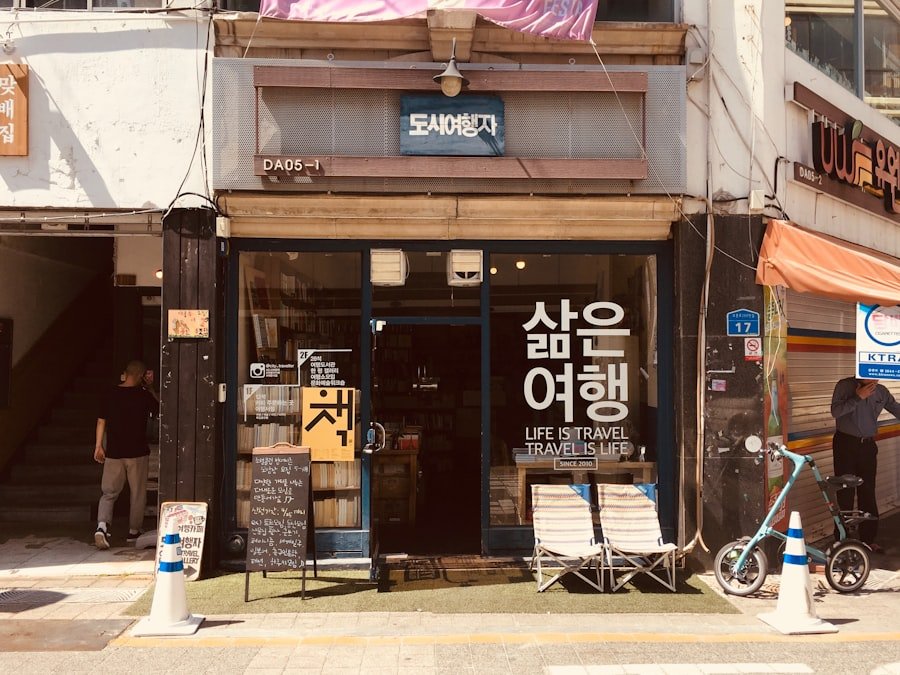
A supportive learning environment is fundamental for fostering speaking confidence among language learners. At NLS, this principle is embedded in the school’s ethos. Instructors prioritise building strong relationships with their students, creating an atmosphere where individuals feel valued and respected.
This sense of belonging encourages learners to take risks and engage more fully in their studies. Moreover, NLS promotes collaboration among students through group activities and projects that require teamwork. By working together towards common goals, learners develop friendships and support networks that enhance their overall experience.
This collaborative spirit not only boosts confidence but also enriches the learning process by allowing students to share insights and strategies for overcoming challenges together.
The Benefits of Interactive and Engaging Conversational Practice
Interactive conversational practice is at the heart of NLS’s approach to teaching Korean. Rather than relying solely on traditional lecture-based methods, instructors employ dynamic activities that encourage active participation. Role-playing scenarios, debates, and group discussions are just a few examples of how students are prompted to engage with the language in meaningful ways.
These interactive sessions provide learners with invaluable opportunities to practise their speaking skills in a low-pressure environment. As they engage in conversations with their peers, they become more comfortable expressing their thoughts and opinions in Korean. This not only enhances their fluency but also reinforces their understanding of cultural nuances and social contexts within the language.
Using Real-life Scenarios to Enhance Speaking Skills
Incorporating real-life scenarios into language learning is another effective strategy employed by NLS to enhance speaking skills. By simulating everyday situations—such as ordering food at a restaurant or asking for directions—students gain practical experience that prepares them for real-world interactions. This contextual learning approach helps bridge the gap between theoretical knowledge and practical application.
Furthermore, engaging with real-life scenarios allows learners to develop critical thinking skills as they navigate conversations that require quick responses and adaptability. This experiential learning fosters confidence as students realise they can successfully communicate in various situations using their Korean language skills.
The Impact of Cultural Immersion on Speaking Confidence
Cultural immersion is an integral aspect of language learning that significantly impacts speaking confidence. At NLS, students are encouraged to explore Korean culture through various activities such as cooking classes, film screenings, and cultural festivals. These experiences provide learners with insights into the cultural context of the language they are studying, enriching their understanding and appreciation of Korean.
By immersing themselves in cultural experiences, students become more comfortable using Korean in authentic settings. They learn not only the language but also the social norms and customs associated with it, which enhances their ability to communicate effectively with native speakers. This cultural competence contributes greatly to building confidence as learners feel more equipped to navigate conversations within the cultural framework.
Building Vocabulary and Fluency through Conversational Practice
Building vocabulary is essential for achieving fluency in any language, including Korean. At NLS, conversational practice serves as a powerful tool for expanding vocabulary while simultaneously enhancing speaking skills. Through engaging discussions on various topics—ranging from current events to personal interests—students are exposed to new words and phrases in context.
This contextual learning approach allows learners to internalise vocabulary more effectively than rote memorisation alone. As they encounter new terms during conversations, they gain a deeper understanding of how these words function within sentences and everyday dialogue. This not only boosts their vocabulary but also contributes to overall fluency as they become more adept at expressing themselves in Korean.
Strategies for Continued Improvement in Speaking Confidence
Continued improvement in speaking confidence requires ongoing practice and dedication beyond the classroom setting. At NLS, students are encouraged to adopt various strategies that promote consistent engagement with the language. One effective method is setting personal goals for speaking practice—whether it be conversing with native speakers or participating in language exchange programmes.
Additionally, utilising technology can enhance speaking skills outside of formal lessons. Language learning apps that focus on conversation practice or online platforms connecting learners with native speakers provide valuable opportunities for real-time interaction. By actively seeking out these experiences, students can reinforce what they have learned at NLS while continuing to build their confidence in speaking Korean.
In conclusion, speaking confidence is an essential component of successful language learning at NLS Norwegian Language School in Oslo. Through a comprehensive approach that addresses both linguistic skills and emotional barriers, students are empowered to embrace the challenges of learning Korean with enthusiasm and resilience. By fostering an environment that prioritises practice, support, and cultural immersion, NLS equips its learners with the tools they need to communicate effectively and confidently in their new language.
Ready to speak Korean? Enroll now at the NLS Norwegian Language School in Oslo.




