

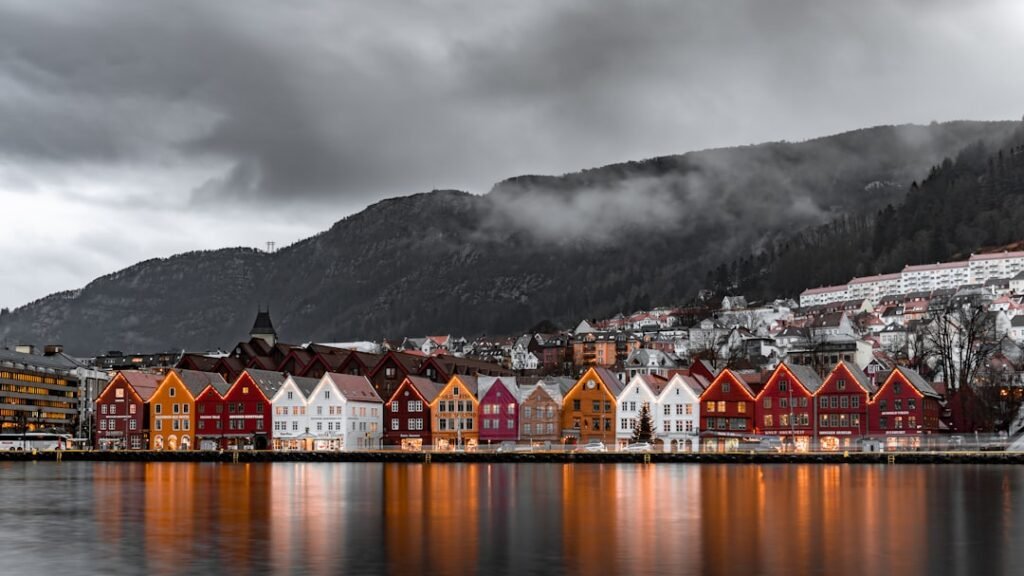
Norway, with its breathtaking landscapes and rich cultural heritage, has long been a favoured destination for those seeking a unique vacation experience. Traditional Norwegian vacationing is deeply rooted in the country’s history and reflects the values and lifestyles of its people. From the majestic fjords to the serene mountains, the natural beauty of Norway has shaped the way Norwegians spend their leisure time.
This article delves into the evolution of vacationing in Norway, exploring its early forms, the rise of mountain cabins, the influence of folklore, and the impact of industrialisation, among other aspects. As we journey through the various facets of traditional Norwegian vacationing, we will uncover how these practices have been influenced by the environment, culture, and societal changes over time. The significance of outdoor activities, traditional cuisine, and the enduring appeal of Norway’s natural wonders will also be examined.
Ultimately, we will see how these elements continue to shape the vacationing habits of Norwegians today, ensuring that traditional practices remain relevant in a modern context. Speak Norwegian with confidence. Begin your journey at the NLS Norwegian Language School!
Summary
- Traditional Norwegian vacationing has a rich history rooted in folklore, mythology, and outdoor activities.
- Early forms of Norwegian vacationing involved staying in mountain cabins and exploring the natural landscape.
- The sea has played a significant role in Norwegian vacationing, with activities such as fishing and boating being popular pastimes.
- Industrialization has had an impact on Norwegian vacationing, leading to the development of tourism and modern trends in vacationing.
- Outdoor activities and traditional Norwegian cuisine continue to be important aspects of vacationing in Norway, highlighting the continued significance of traditional Norwegian vacationing.
Early Forms of Norwegian Vacationing
In the early days of Norwegian society, vacationing was a concept that was closely tied to the agrarian lifestyle. The harsh climate and demanding agricultural work meant that leisure time was limited. However, when summer arrived, families would often take short breaks from their daily routines to enjoy the beauty of nature.
These early forms of vacationing were characterised by simple pleasures such as fishing, foraging for berries, and spending time in the great outdoors. As communities began to form and develop, so too did the concept of holidaying. The tradition of “utferd,” or excursions into nature, became popular among rural populations.
These excursions were often communal events where families and friends would gather to celebrate the arrival of summer. The focus was on reconnecting with nature and enjoying the company of loved ones, laying the groundwork for what would later evolve into more structured forms of vacationing.
The Rise of the Norwegian Mountain Cabin
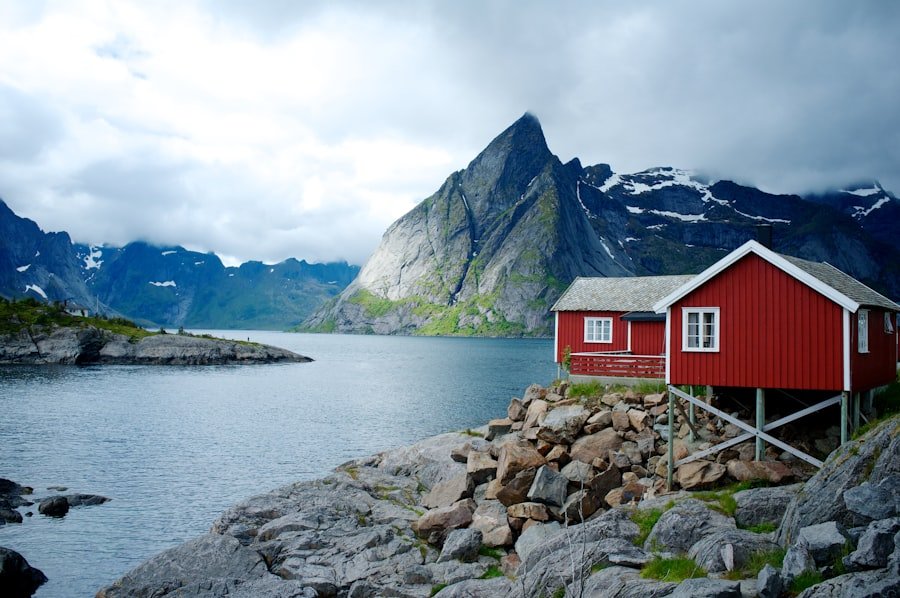
The mountain cabin, or “hytte,” has become an iconic symbol of Norwegian vacationing. Its origins can be traced back to the 19th century when urbanisation began to take hold in Norway. As more people moved to cities for work, they sought refuge in the mountains during their holidays.
The hytte provided a rustic escape from urban life, allowing families to immerse themselves in nature and enjoy outdoor activities such as hiking and skiing. Over time, these cabins evolved from simple shelters into well-equipped retreats that catered to modern comforts while retaining their traditional charm. The rise of the hytte culture coincided with a growing appreciation for nature and outdoor recreation.
Today, many Norwegians own or rent cabins in the mountains, where they can unwind and reconnect with their roots. This trend has not only fostered a sense of community but has also reinforced the importance of preserving Norway’s natural landscapes.
The Role of the Sea in Norwegian Vacationing
Norway’s extensive coastline and rich maritime heritage have played a significant role in shaping its vacationing culture. For centuries, coastal communities have relied on the sea for sustenance and livelihood, but it has also served as a source of recreation and relaxation. Fishing trips, sailing excursions, and beach outings have long been cherished pastimes for Norwegians seeking respite from their daily lives.
The allure of the sea is evident in the popularity of coastal cabins and holiday homes that dot Norway’s shores. These properties offer stunning views and easy access to water-based activities such as kayaking, swimming, and fishing. The connection between Norwegians and their coastal environment is profound; it reflects a deep-seated appreciation for nature’s beauty and a desire to engage with it during leisure time.
The Influence of Folklore and Mythology on Norwegian Vacationing
Norwegian folklore and mythology have significantly influenced traditional vacationing practices throughout history. Tales of trolls, elves, and other mythical creatures have shaped the way Norwegians perceive their natural surroundings. Many holiday destinations are steeped in these stories, adding an enchanting layer to the experience of exploring Norway’s landscapes.
For instance, certain mountains and forests are believed to be inhabited by supernatural beings, which encourages visitors to approach these places with reverence and curiosity. This connection to folklore not only enriches the vacation experience but also fosters a sense of identity and belonging among Norwegians. As families share these stories during their holidays, they pass down cultural traditions that continue to resonate with future generations.
The Impact of Industrialization on Norwegian Vacationing
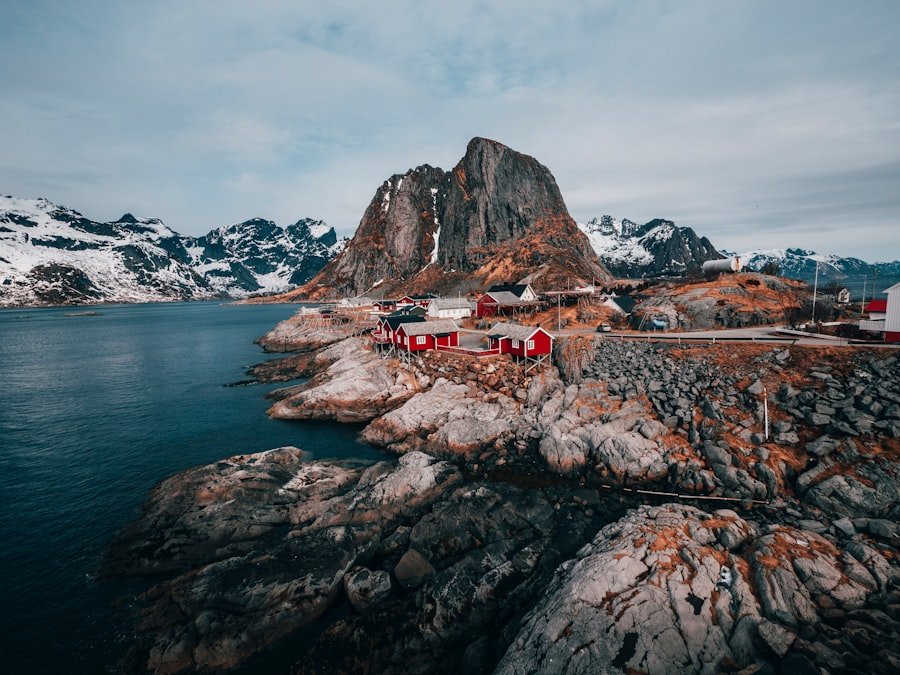
The industrial revolution brought about significant changes in Norwegian society, including shifts in vacationing habits. As cities expanded and industries flourished, more people found themselves with disposable income and leisure time. This newfound wealth allowed for greater access to travel and recreational activities.
The rise of railways in the late 19th century made it easier for urban dwellers to escape to rural areas for holidays. However, industrialisation also led to a growing disconnect between people and nature. As urban environments became more dominant, traditional forms of vacationing began to evolve.
While many still sought solace in nature, there was an increasing trend towards organised tourism and commercialised holiday experiences. This shift prompted a re-evaluation of what it meant to take a holiday in Norway, as people sought both adventure and comfort during their time away from work.
The Development of Tourism in Norway
As Norway’s natural beauty gained international recognition, tourism began to flourish in the late 20th century. The country became known for its stunning fjords, picturesque villages, and vibrant cultural heritage. This influx of visitors not only boosted the economy but also encouraged Norwegians to explore their own country more thoroughly.
Tourism development has led to an increase in infrastructure such as hotels, restaurants, and guided tours that cater to both domestic and international travellers. However, this growth has also raised concerns about sustainability and preserving Norway’s pristine landscapes. As a result, there has been a concerted effort to promote eco-friendly tourism practices that respect local cultures and environments while still providing memorable experiences for visitors.
Modern Trends in Norwegian Vacationing
In recent years, there has been a noticeable shift towards more sustainable and experiential forms of vacationing in Norway. Many travellers are now seeking authentic experiences that allow them to connect with local culture and nature on a deeper level. This trend is reflected in the growing popularity of eco-tourism initiatives that focus on conservation and responsible travel.
Additionally, wellness tourism has gained traction as people increasingly prioritise mental health and well-being during their holidays. Activities such as hiking in serene landscapes or participating in mindfulness retreats have become popular choices for those looking to recharge away from their busy lives. This modern approach to vacationing aligns closely with traditional Norwegian values that emphasise harmony with nature and community connection.
The Importance of Outdoor Activities in Norwegian Vacationing
Outdoor activities are at the heart of traditional Norwegian vacationing. Whether it’s hiking through lush forests, skiing down snow-covered slopes, or fishing in tranquil lakes, Norwegians have always embraced an active lifestyle during their holidays. This connection to nature not only promotes physical health but also fosters mental well-being by providing opportunities for relaxation and reflection.
The emphasis on outdoor pursuits is evident in Norway’s extensive network of hiking trails, ski resorts, and recreational areas designed for public use. Families often spend their holidays engaging in these activities together, creating lasting memories while instilling a love for nature in younger generations. This commitment to outdoor living is a testament to Norway’s cultural identity and its enduring appreciation for the natural world.
The Role of Traditional Norwegian Cuisine in Vacationing
Food plays an integral role in traditional Norwegian vacationing experiences. Meals shared with family and friends during holidays often feature local ingredients that reflect regional culinary traditions. From hearty fish dishes to sweet pastries like “krumkake,” traditional cuisine is celebrated as an essential part of holiday gatherings.
Moreover, many Norwegians take pride in preparing meals using recipes passed down through generations. Cooking together during vacations fosters a sense of togetherness while allowing families to connect with their heritage through food. As visitors explore Norway’s culinary landscape during their holidays, they gain insight into the country’s culture while enjoying delicious flavours that are uniquely Norwegian.
The Continued Significance of Traditional Norwegian Vacationing
Traditional Norwegian vacationing remains a vital aspect of life in Norway today. As modern trends emerge and societal values shift, the core principles that underpin these practices—connection to nature, community bonding, and cultural heritage—continue to resonate with both locals and visitors alike. The evolution of vacationing in Norway reflects broader changes within society while maintaining a strong link to its historical roots.
As Norwegians embrace new ways to experience their country’s beauty—whether through sustainable tourism initiatives or outdoor adventures—the essence of traditional vacationing endures. It serves as a reminder of the importance of preserving cultural practices while adapting them for future generations. In this way, traditional Norwegian vacationing not only enriches individual lives but also strengthens communal ties and fosters a deeper appreciation for Norway’s stunning landscapes.
For those looking to immerse themselves further into Norwegian culture during their travels or vacations, consider enrolling in courses at the NLS Norwegian Language School in Oslo. These courses offer an excellent opportunity to learn the language while gaining insights into Norway’s rich traditions and customs—an invaluable complement to any holiday experience in this beautiful country.
Speak Norwegian with confidence. Begin your journey at the NLS Norwegian Language School




