


In Norway, relaxation is not merely a luxury; it is an integral part of the cultural fabric. The Norwegians have a profound understanding of the need to unwind and recharge, which is reflected in their daily routines and lifestyle choices. This emphasis on relaxation stems from a deep-rooted belief that a balanced life leads to greater happiness and productivity.
The long, dark winters often encourage a slower pace of life, prompting individuals to seek solace in nature, family, and personal interests. This cultural inclination towards relaxation is not just about taking time off work; it is about fostering a mindset that values peace and tranquillity. Moreover, the importance of relaxation in Norwegian culture can be seen in the way people prioritise their mental health.
The concept of “slow living” resonates strongly within the community, encouraging individuals to take a step back from the hustle and bustle of modern life. This approach allows Norwegians to cultivate mindfulness, ensuring that they remain present in their daily activities. Whether it’s enjoying a quiet moment with a book or taking a leisurely stroll through the picturesque landscapes, the act of relaxing is celebrated as a vital component of a fulfilling life. Speak Norwegian with confidence. Begin your journey at the NLS Norwegian Language School!
Summary
- Relaxation is highly valued in Norwegian culture, and it is important to embrace the concept of “kos” and “friluftsliv” for a balanced lifestyle.
- Disconnecting from technology and embracing nature is a key aspect of Norwegian culture, promoting mental and physical well-being.
- Taking a break from work and responsibilities is beneficial for overall health and happiness, and the slow travel movement in Norway encourages this approach.
- The tradition of “hyttekos” promotes cabin cosiness and the appreciation of simple pleasures and leisurely activities.
- Understanding the Norwegian approach to work-life balance and incorporating the joy of doing nothing, such as during “påskeferie,” can enhance your own vacation culture.
Embracing the Concept of “Friluftsliv” – Outdoor Living
“Friluftsliv,” which translates to “open-air living,” encapsulates the Norwegian ethos of embracing nature as an essential part of life. This concept encourages individuals to spend time outdoors, engaging with the natural world in various forms. From hiking in the majestic fjords to skiing in the snowy mountains, Norwegians have an innate appreciation for the great outdoors.
This connection to nature not only promotes physical health but also nurtures mental well-being, allowing individuals to find solace and rejuvenation in the beauty surrounding them. The practice of friluftsliv is deeply embedded in Norwegian culture, often seen as a remedy for the stresses of modern life. It fosters a sense of community as families and friends gather for outdoor activities, strengthening bonds while enjoying the fresh air.
The Norwegians believe that spending time outside can lead to a more balanced and fulfilling life, making friluftsliv an essential aspect of their identity. Whether it’s a weekend camping trip or a simple picnic in the park, this commitment to outdoor living reflects a broader understanding of what it means to live well.
The Art of “Kos” – Creating a Cozy Atmosphere
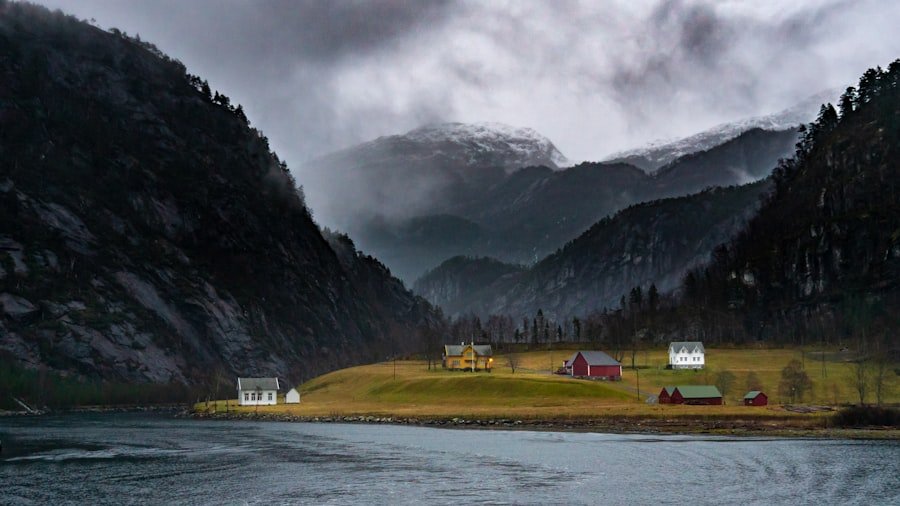
The concept of “kos,” often translated as “cosiness,” is central to Norwegian culture and embodies the art of creating a warm and inviting atmosphere. It is about more than just physical comfort; kos encompasses emotional warmth and connection with others. Norwegians excel at crafting spaces that invite relaxation and togetherness, whether it be through soft lighting, warm blankets, or the simple act of sharing a meal with loved ones.
This focus on creating a cosy environment is particularly significant during the long winter months when people seek refuge from the cold. Kos is not limited to home settings; it extends to social gatherings and public spaces as well. Cafés and restaurants often embrace this concept by providing comfortable seating and inviting decor, encouraging patrons to linger and enjoy their time together.
The essence of kos lies in its ability to foster connections, making it an essential part of Norwegian social life. By prioritising cosiness, Norwegians create an atmosphere where relationships can flourish, reinforcing the importance of community and shared experiences.
Disconnecting from Technology and Embracing Nature
In an age dominated by technology, Norwegians have recognised the importance of disconnecting from screens and reconnecting with nature. This conscious effort to step away from digital distractions allows individuals to immerse themselves fully in their surroundings, fostering a deeper appreciation for the natural world. Many Norwegians actively seek out opportunities to unplug, whether it be through hiking in the mountains or spending weekends at their cabins by serene lakes.
This disconnection from technology not only promotes mental clarity but also encourages meaningful interactions with family and friends. The practice of disconnecting from technology is particularly evident during holidays and weekends when many Norwegians retreat to their cabins or engage in outdoor activities. This intentional break from screens allows for reflection and rejuvenation, enabling individuals to return to their daily lives with renewed energy and focus.
By embracing nature and stepping away from technology, Norwegians cultivate a lifestyle that values presence over productivity, ultimately leading to greater satisfaction and well-being.
The Benefits of Taking a Break from Work and Responsibilities
In Norway, taking breaks from work and responsibilities is not only accepted but encouraged as part of a healthy lifestyle. The cultural understanding that rest is essential for productivity has led to policies that support work-life balance, such as generous vacation allowances and parental leave. This emphasis on taking time off allows individuals to recharge, pursue personal interests, and spend quality time with loved ones.
The benefits of these breaks are manifold; they lead to increased creativity, improved mental health, and stronger relationships. Moreover, Norwegians understand that stepping away from work can lead to greater clarity and focus upon return. By allowing themselves time to relax and engage in leisure activities, they can approach their responsibilities with renewed vigour.
This cultural attitude towards breaks fosters an environment where individuals feel valued not just for their output but for their overall well-being. As such, taking time off becomes an integral part of maintaining a balanced life in Norway.
Exploring the Slow Travel Movement in Norway
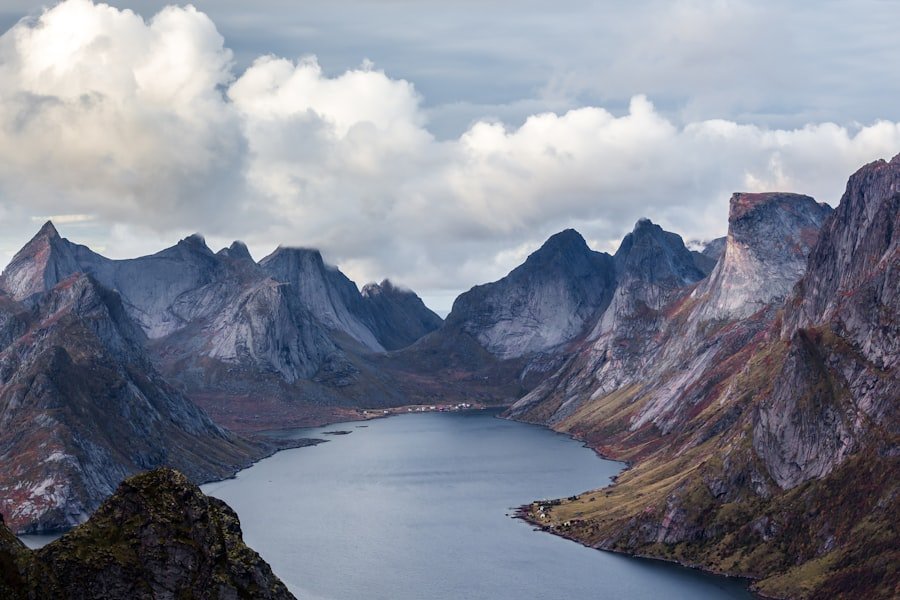
The slow travel movement has gained significant traction in Norway, reflecting the country’s commitment to sustainability and meaningful experiences. Rather than rushing through destinations, slow travel encourages individuals to immerse themselves in local cultures and environments at a leisurely pace. This approach allows travellers to appreciate the beauty of Norway’s landscapes while fostering connections with its people.
By prioritising quality over quantity, slow travel aligns perfectly with the Norwegian ethos of enjoying life’s simple pleasures. Norway’s stunning scenery provides an ideal backdrop for slow travel experiences. From exploring quaint coastal villages to hiking through breathtaking national parks, visitors are encouraged to take their time and savour each moment.
This movement not only benefits travellers but also supports local economies by promoting small businesses and sustainable tourism practices. As more people embrace slow travel in Norway, they contribute to a culture that values authenticity and connection over mere sightseeing.
Finding Joy in Simple Pleasures and Leisurely Activities
In Norwegian culture, there is a profound appreciation for simple pleasures that often go unnoticed in fast-paced societies. Whether it’s enjoying a warm cup of coffee on a chilly day or taking a leisurely stroll through a park, these small moments are cherished as integral parts of daily life. Norwegians find joy in activities that allow them to connect with themselves and their surroundings, fostering a sense of contentment that transcends material pursuits.
Leisurely activities play a significant role in this appreciation for simplicity. Many Norwegians engage in hobbies such as knitting, reading, or gardening—activities that encourage mindfulness and creativity. These pursuits not only provide relaxation but also serve as opportunities for self-expression and personal growth.
By embracing simple pleasures and leisurely activities, Norwegians cultivate a lifestyle that prioritises well-being over busyness.
The Tradition of “Hyttekos” – Cabin Cosiness
The tradition of “hyttekos,” or cabin cosiness, is deeply ingrained in Norwegian culture and reflects the country’s love for nature and relaxation. Many families own cabins in remote areas where they retreat during weekends or holidays to escape the hustle of everyday life. These cabins serve as sanctuaries where individuals can unwind amidst stunning landscapes while enjoying the warmth of family gatherings.
Hyttekos embodies the essence of cosiness—creating an inviting atmosphere filled with laughter, good food, and shared experiences. The practice of hyttekos goes beyond mere physical comfort; it fosters emotional connections among family members and friends. Whether gathered around a fireplace sharing stories or enjoying outdoor activities together, these moments create lasting memories that strengthen bonds.
The tradition highlights the importance of slowing down and appreciating life’s simple joys while surrounded by nature’s beauty.
Understanding the Norwegian Approach to Work-Life Balance
Norwegians have long been advocates for work-life balance, recognising its significance for overall well-being. The cultural belief that personal time is just as important as professional commitments has led to policies that support flexible working arrangements and generous vacation allowances. This approach allows individuals to prioritise their health and happiness while still fulfilling their responsibilities at work.
As such, Norwegians often enjoy fulfilling careers without sacrificing their personal lives. This commitment to work-life balance is evident in everyday practices as well. Many Norwegians leave work on time to spend evenings with family or engage in leisure activities—an attitude that fosters both productivity at work and satisfaction at home.
By valuing balance over busyness, Norwegians create an environment where individuals can thrive both personally and professionally.
How “Påskeferie” – Easter Holiday Reflects the Norwegian Appreciation for Doing Nothing
The Easter holiday, known as “påskeferie,” exemplifies the Norwegian appreciation for doing nothing—a concept that may seem foreign in today’s fast-paced world but is cherished by many Norwegians. During this time, families often retreat to their cabins or spend time outdoors without any specific agenda or obligations. The focus shifts from productivity to relaxation, allowing individuals to recharge amidst nature’s beauty while enjoying quality time with loved ones.
This tradition reflects a broader cultural understanding that doing nothing can be just as valuable as being busy. By embracing moments of stillness during påskeferie, Norwegians cultivate mindfulness and presence—qualities that enhance overall well-being. This appreciation for downtime serves as a reminder that life’s most meaningful experiences often occur when we allow ourselves simply to be.
Incorporating the Joy of Doing Nothing into Your Own Vacation Culture
Incorporating the joy of doing nothing into your own vacation culture can lead to transformative experiences that enhance your overall well-being. By embracing moments of stillness during your travels—whether it be lounging on a beach or enjoying leisurely walks through scenic landscapes—you can cultivate mindfulness and presence similar to what many Norwegians cherish during their holidays. To begin this journey towards embracing relaxation during vacations, consider setting aside specific times for unstructured activities where you can simply enjoy your surroundings without any pressure or agenda.
Allow yourself space for spontaneity—whether it’s exploring hidden gems or indulging in local cuisine at your own pace—creating opportunities for genuine connections with both nature and people around you. As you explore these concepts further, consider enhancing your understanding of Norwegian culture through language courses at NLS Norwegian Language School in Oslo. These courses offer an immersive experience into not only the language but also the rich traditions surrounding relaxation, outdoor living, cosiness (kos), and more within Norwegian society.
By learning about these cultural nuances while mastering the language itself, you’ll gain valuable insights into how you can incorporate similar practices into your own life—ultimately enriching your vacation experiences while fostering deeper connections with those around you. In conclusion, embracing relaxation as part of your lifestyle can lead to profound changes in how you experience both daily life and travel adventures alike—allowing you greater appreciation for simplicity amidst our increasingly busy world!
Speak Norwegian with confidence. Begin your journey at the NLS Norwegian Language School




