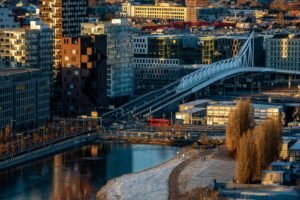
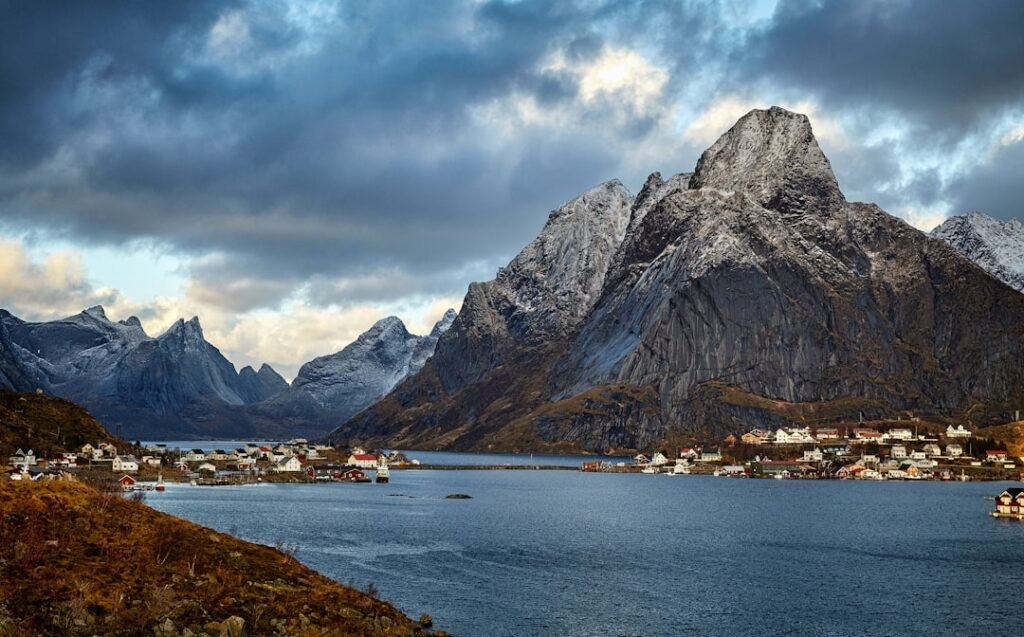
Friluftsliv, a term that translates to “open-air living,” is deeply rooted in Norwegian culture and reflects a profound connection to nature that has evolved over centuries. The origins of this philosophy can be traced back to the early Norse traditions, where the natural landscape was not merely a backdrop but an integral part of life. The Vikings, known for their seafaring and exploration, had a strong relationship with the land and sea, which shaped their way of life.
This connection to the environment was not only practical but also spiritual, as nature was often seen as a source of inspiration and strength. As Norway transitioned through various historical phases, including the agrarian society and the industrial revolution, the appreciation for the outdoors remained steadfast. The Romantic movement in the 19th century further propelled this ethos, as artists and writers began to celebrate the beauty of the Norwegian landscape.
Figures such as Henrik Ibsen and Edvard Munch drew inspiration from nature, reinforcing the idea that outdoor experiences were essential for personal growth and creativity. Thus, friluftsliv emerged as a cultural cornerstone, embodying the Norwegian spirit of adventure and respect for the natural world. Speak Norwegian with confidence. Begin your journey at the NLS Norwegian Language School!
Summary
- Friluftsliv is a Norwegian concept that celebrates the connection to nature and the outdoors.
- The core principles of friluftsliv involve embracing nature, spending time outdoors, and appreciating the natural world.
- Friluftsliv has had a significant impact on Norwegian culture and society, shaping the way people interact with the environment.
- Engaging in friluftsliv activities in nature has been shown to contribute to mental wellbeing and happiness.
- Outdoor activities associated with friluftsliv, such as hiking and skiing, offer numerous physical health benefits.
Embracing the Outdoors: Understanding the Core Principles of Friluftsliv
At its core, friluftsliv is about more than just spending time outside; it encompasses a holistic approach to life that prioritises well-being through nature. The principles of friluftsliv encourage individuals to engage with their surroundings actively, fostering a sense of belonging and connection to the earth. This philosophy promotes outdoor activities that are accessible to everyone, regardless of age or ability, emphasising inclusivity and community.
Central to friluftsliv is the idea of simplicity and mindfulness. Norwegians are encouraged to appreciate the small joys found in nature, whether it be a quiet moment by a lake or a brisk walk through a forest. This appreciation for simplicity allows individuals to disconnect from the fast-paced modern world and reconnect with themselves and their environment.
By embracing these principles, Norwegians cultivate a lifestyle that values health, happiness, and harmony with nature.
The Impact of Friluftsliv on Norwegian Culture and Society
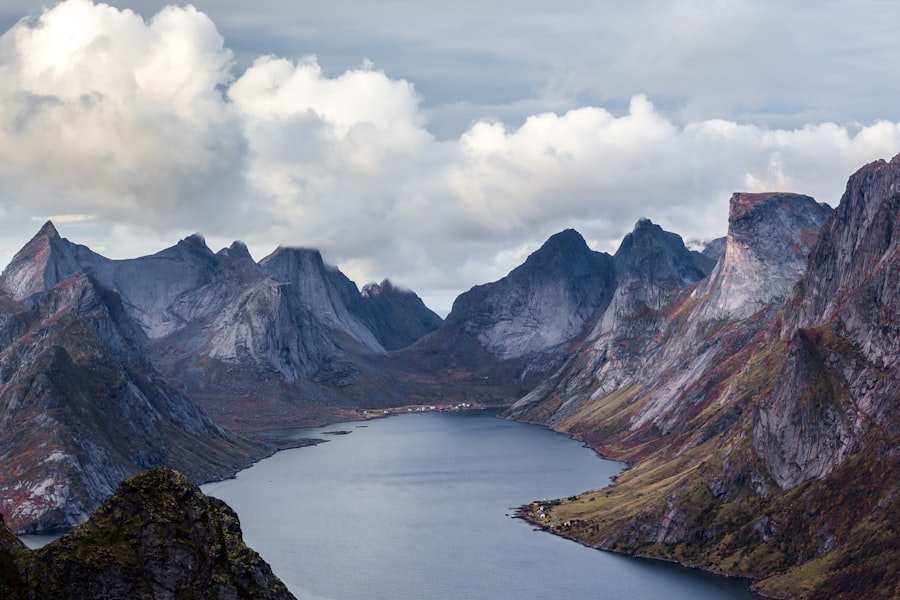
Friluftsliv has significantly shaped Norwegian culture, influencing everything from social interactions to national identity. The practice of outdoor living is woven into the fabric of everyday life, with families often spending weekends hiking, skiing, or camping together. This communal aspect fosters strong bonds among individuals and reinforces a sense of belonging within communities.
It is not uncommon for Norwegians to invite friends and neighbours to join them in outdoor pursuits, creating a culture that values shared experiences in nature. Moreover, friluftsliv has become a defining characteristic of what it means to be Norwegian. The country’s stunning landscapes—from fjords to mountains—serve as both playgrounds and sanctuaries for its people.
This connection to nature is celebrated in national holidays and traditions, such as the annual “friluftsliv day,” where communities come together to engage in outdoor activities. As such, friluftsliv is not merely a pastime; it is an essential part of Norway’s cultural identity that continues to thrive in contemporary society.
Friluftsliv and Mental Wellbeing: How Nature Contributes to Happiness
The mental health benefits of friluftsliv are well-documented, with numerous studies highlighting the positive effects of spending time in nature on psychological well-being. Engaging with the outdoors has been shown to reduce stress levels, alleviate symptoms of anxiety and depression, and enhance overall mood. For many Norwegians, friluftsliv serves as a form of therapy—a way to escape the pressures of daily life and find solace in the natural world.
Nature’s calming influence is attributed to several factors, including exposure to fresh air, sunlight, and the soothing sounds of wildlife. Furthermore, outdoor activities often encourage physical movement, which releases endorphins—natural mood lifters. By incorporating friluftsliv into their lives, Norwegians cultivate resilience and emotional balance, allowing them to navigate life’s challenges with greater ease.
Friluftsliv and Physical Health: The Benefits of Outdoor Activities
The physical health benefits associated with friluftsliv are equally compelling. Engaging in outdoor activities such as hiking, skiing, or cycling promotes cardiovascular fitness, strengthens muscles, and improves overall physical endurance. In a country where outdoor pursuits are integral to daily life, Norwegians enjoy a lifestyle that naturally encourages regular exercise.
Moreover, friluftsliv fosters an appreciation for healthy living through active engagement with nature. Many Norwegians view outdoor activities not just as exercise but as an essential part of their lifestyle that contributes to longevity and vitality. This connection between physical health and outdoor living is evident in Norway’s high life expectancy rates and overall well-being.
Friluftsliv in Practice: Exploring Popular Outdoor Activities in Norway
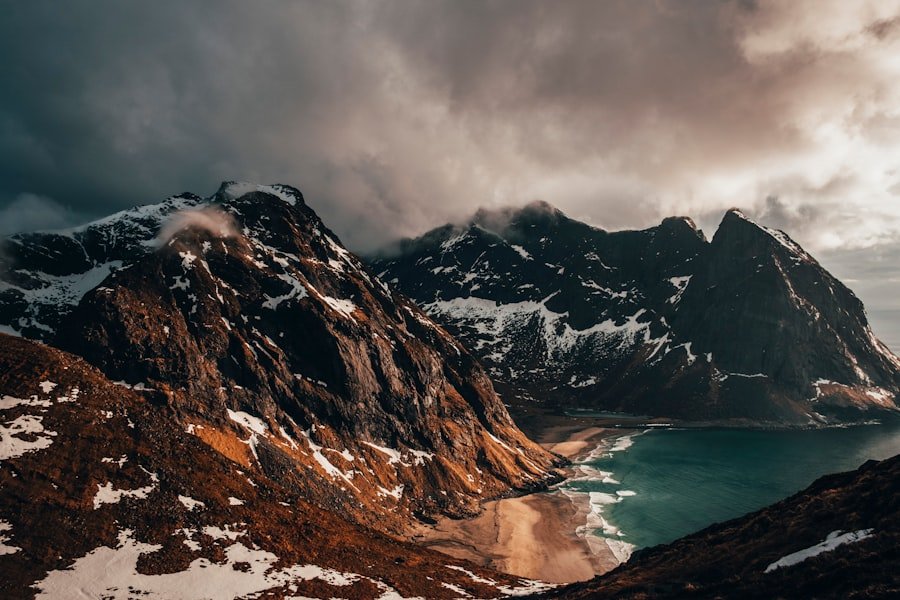
Norway offers a plethora of outdoor activities that embody the spirit of friluftsliv. Hiking is perhaps one of the most popular pastimes, with trails ranging from leisurely walks suitable for families to challenging treks for seasoned adventurers. Iconic routes such as the Besseggen Ridge or the Romsdalseggen provide breathtaking views that reward those who venture into the wild.
In addition to hiking, skiing holds a special place in Norwegian culture. With its vast snowy landscapes, Norway is a haven for both cross-country and downhill skiing enthusiasts. The tradition of “skiing to work” during winter months exemplifies how deeply ingrained this activity is in everyday life.
Furthermore, activities like fishing, kayaking, and camping allow individuals to immerse themselves fully in nature while fostering a sense of adventure and exploration.
Friluftsliv and Sustainability: The Environmental Consciousness of Norwegian Outdoor Culture
Sustainability is a fundamental aspect of friluftsliv that reflects Norway’s commitment to preserving its natural environment. Norwegians are taught from an early age about the importance of respecting nature and minimising their ecological footprint while enjoying outdoor activities. This ethos is encapsulated in the concept of “allemannsretten,” or “the right to roam,” which grants individuals access to uncultivated land while emphasising responsible behaviour.
The integration of sustainability into friluftsliv practices encourages Norwegians to engage in eco-friendly activities such as hiking on marked trails, using biodegradable products during camping trips, and participating in conservation efforts. This environmental consciousness not only protects Norway’s stunning landscapes but also instils a sense of stewardship among its citizens.
Friluftsliv and Family: How Norwegians Incorporate Outdoor Living into Family Life
For many Norwegian families, friluftsliv is an integral part of their upbringing and family bonding experiences. Weekends are often dedicated to outdoor adventures, where parents instil a love for nature in their children from an early age. Activities such as picnicking in parks or exploring nearby forests create cherished memories that strengthen family ties.
Moreover, schools often incorporate outdoor education into their curricula, allowing children to learn about nature while engaging in physical activities. This emphasis on outdoor living fosters resilience and independence among young Norwegians as they develop essential life skills through exploration and teamwork.
Friluftsliv and Technology: Balancing the Modern World with Nature
In an age dominated by technology, finding balance between modern conveniences and outdoor living can be challenging. However, many Norwegians have embraced technology as a tool to enhance their friluftsliv experiences rather than detract from them. Mobile applications provide information on hiking trails, weather conditions, and safety tips for outdoor activities.
While technology can facilitate access to nature, it is essential for individuals to remain mindful of their surroundings during outdoor pursuits. Many Norwegians advocate for “digital detox” days—periods where they disconnect from devices to fully immerse themselves in nature without distractions. This balance allows them to enjoy the benefits of both worlds while maintaining their connection to the outdoors.
Friluftsliv and Adventure: The Thrill of Exploring Norway’s Wilderness
Norway’s diverse landscapes offer endless opportunities for adventure seekers eager to embrace friluftsliv. From rugged mountains to serene fjords, each region presents unique challenges and experiences for those willing to explore its wilderness. Activities such as rock climbing, glacier hiking, and white-water rafting attract thrill-seekers looking for an adrenaline rush amidst breathtaking scenery.
The allure of adventure is not solely about physical challenges; it also encompasses personal growth through overcoming fears and pushing boundaries. Many Norwegians view these experiences as transformative journeys that foster self-discovery while deepening their appreciation for nature’s beauty.
Friluftsliv Beyond Norway: How the Philosophy of Outdoor Living is Inspiring People Worldwide
The philosophy of friluftsliv has transcended Norway’s borders, inspiring individuals around the globe to embrace outdoor living as a means of enhancing their quality of life. As urbanisation increases worldwide, many people are seeking refuge in nature as a way to escape the hustle and bustle of city life. The principles of friluftsliv resonate with those who yearn for simplicity, mindfulness, and connection with their environment.
Various organisations have emerged globally that promote outdoor activities inspired by friluftsliv principles—encouraging communities to engage with nature through hiking clubs, conservation initiatives, and wellness retreats focused on outdoor experiences. As more individuals recognise the importance of spending time outside for mental and physical well-being, the legacy of friluftsliv continues to flourish beyond Norway’s shores. In conclusion, friluftsliv embodies a rich cultural heritage that celebrates the profound connection between Norwegians and their natural environment.
As this philosophy gains traction worldwide, it serves as a reminder of the importance of embracing outdoor living for our health, happiness, and sustainability—an ethos that can be nurtured through education at institutions like the NLS Norwegian Language School in Oslo. Here, students not only learn the language but also immerse themselves in Norwegian culture—an experience that includes understanding the significance of friluftsliv in everyday life. By participating in Norwegian courses at NLS, learners can deepen their appreciation for this unique aspect of Norwegian identity while gaining valuable insights into how nature shapes both individual lives and society as a whole.
Speak Norwegian with confidence. Begin your journey at the NLS Norwegian Language School