
Midsummer, or Midsommar as it is known in Sweden, is a celebration steeped in historical and cultural significance. This festival, which occurs around the summer solstice, has its roots in ancient pagan traditions that celebrated the longest day of the year. Historically, it was a time for communities to come together, honouring the sun and the fertility of the earth.
The rituals associated with Midsummer were believed to ensure a bountiful harvest and to ward off evil spirits. As Christianity spread throughout Scandinavia, many of these pagan customs were absorbed into Christian practices, creating a unique blend of traditions that continue to be celebrated today. The cultural importance of Midsummer extends beyond mere festivities; it is a time for family and community bonding.
In Sweden, the festival is often seen as a rite of passage, particularly for young people who participate in traditional dances and games. The celebration serves as a reminder of the connection between people and nature, highlighting the importance of the changing seasons and the cycles of life. As such, Midsummer has become an integral part of Swedish identity, embodying the spirit of togetherness and reverence for nature that characterises much of Scandinavian culture. Speak Norwegian with confidence. Begin your journey at the NLS Norwegian Language School!
Summary
- Midsummer celebrations in Sweden and Norway have deep historical and cultural significance, rooted in pagan and Christian traditions.
- Traditional Midsummer celebrations in Sweden include dancing around the maypole, singing traditional songs, and enjoying outdoor activities.
- In Norway, Midsummer celebrations often involve bonfires, outdoor feasting, and traditional folk music and dancing.
- Differences in Midsummer traditions between Sweden and Norway include the types of food and drink, the specific rituals, and the overall atmosphere of the celebrations.
- Swedish Midsummer celebrations place a strong emphasis on nature and the outdoors, with many activities taking place in natural settings such as forests and meadows.
Traditional Midsummer Celebrations in Sweden
Traditional Midsummer celebrations in Sweden are vibrant and lively, marked by various customs that have been passed down through generations. The festivities typically begin on the Friday closest to the summer solstice, with families and friends gathering to erect a maypole, or “midsommarstång.” This pole is adorned with flowers and greenery, symbolising fertility and the beauty of nature. Once erected, it becomes the focal point for dancing and merriment, as participants engage in traditional folk dances around the maypole, often accompanied by lively music.
Food plays a central role in Midsummer celebrations, with tables laden with seasonal delicacies. Herring, new potatoes, sour cream, and fresh dill are staples of the Midsummer feast, often complemented by strawberries and cream for dessert. The act of sharing a meal outdoors under the warm summer sun fosters a sense of community and connection among participants.
As evening falls, the festivities continue with singing and storytelling, creating an atmosphere of joy and camaraderie that encapsulates the essence of Midsummer.
Traditional Midsummer Celebrations in Norway
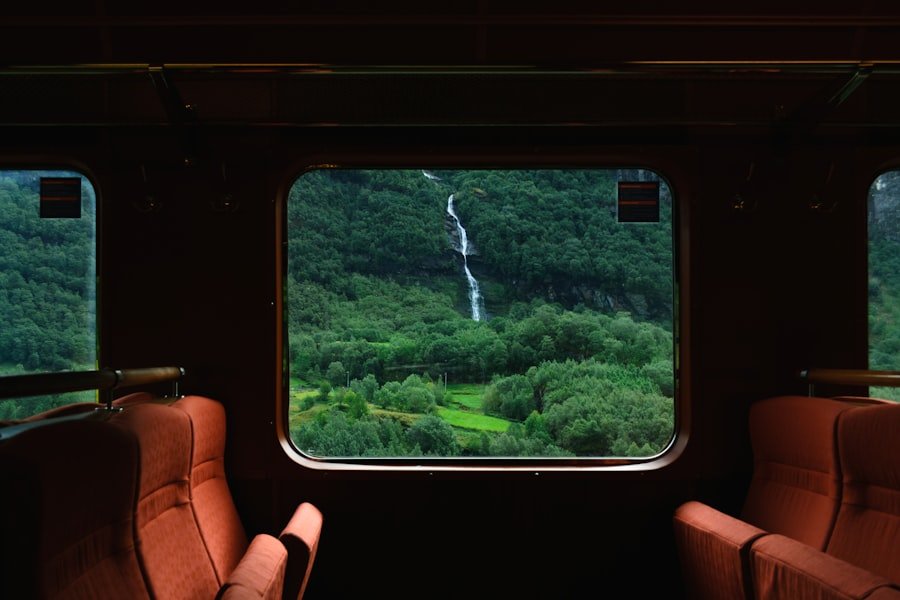
In Norway, Midsummer celebrations, known as “Sankthans” or “Jonsok,” are similarly rooted in ancient traditions but exhibit distinct characteristics that reflect Norwegian culture. Celebrated on the evening of June 23rd, this festival marks the feast day of St. John the Baptist and is often associated with bonfires that light up the night sky.
Communities gather to light large bonfires, which are believed to ward off evil spirits and celebrate the arrival of summer. The sight of flickering flames against the backdrop of Norway’s stunning landscapes creates a magical atmosphere that draws people together. Norwegian Midsummer festivities also include traditional music and dance, although they may differ from those found in Sweden.
Folk songs are sung around the bonfire, often accompanied by traditional instruments such as the hardanger fiddle. Additionally, many Norwegians take advantage of the long summer nights by engaging in outdoor activities such as hiking or fishing, further emphasising their connection to nature during this time of year. The celebration serves not only as a way to honour ancient customs but also as an opportunity for families and friends to reconnect with one another amidst Norway’s breathtaking natural beauty.
Differences in Midsummer Traditions between Sweden and Norway
While both Sweden and Norway celebrate Midsummer with great enthusiasm, there are notable differences in their traditions that reflect each country’s unique cultural heritage. One of the most significant distinctions lies in the timing and focus of the celebrations. In Sweden, Midsummer is primarily celebrated on a specific day—usually the weekend closest to the summer solstice—while in Norway, Sankthans is observed on June 23rd, aligning with St.
John’s Day. This difference in timing influences how each country approaches the festivities. Another key difference is the emphasis placed on certain rituals.
In Sweden, the maypole is central to the celebration, serving as a symbol of fertility and community spirit. In contrast, Norway’s focus on bonfires highlights a more communal aspect of celebrating light and warmth during the summer months. Additionally, while both countries enjoy traditional foods during their Midsummer feasts, the specific dishes may vary; for instance, Norwegians might incorporate more seafood into their meals due to their coastal geography.
These differences illustrate how each nation has adapted its Midsummer celebrations to reflect its cultural values and environmental context.
Importance of Nature and the Outdoors in Swedish Midsummer Celebrations
Nature plays a pivotal role in Swedish Midsummer celebrations, reflecting a deep-seated appreciation for the outdoors that is characteristic of Swedish culture. The festival coincides with the peak of summer when nature is at its most vibrant; fields are lush with wildflowers, and forests are alive with greenery. This connection to nature is evident in various aspects of Midsummer festivities, from the decoration of maypoles with flowers to outdoor feasting under clear blue skies.
Swedes often take advantage of this time to escape urban life and immerse themselves in nature. Many families head to summer cottages or rural areas where they can fully embrace the beauty of their surroundings. Activities such as swimming in lakes, hiking through forests, or simply enjoying picnics outdoors are common during this period.
This emphasis on nature not only enhances the celebratory atmosphere but also reinforces a sense of belonging to the land—a sentiment that resonates deeply within Swedish society.
Food and Drink Traditions in Swedish Midsummer Celebrations
Food and drink are integral components of Swedish Midsummer celebrations, showcasing seasonal ingredients that reflect the bounty of summer. The traditional Midsummer feast typically features herring prepared in various ways—pickled, marinated, or served with onions—alongside new potatoes garnished with fresh dill and sour cream. These dishes highlight Sweden’s rich culinary heritage while celebrating local produce.
Strawberries also play a significant role in Midsummer festivities; they are often served with whipped cream as a sweet conclusion to the meal. The act of sharing food outdoors fosters a sense of community among participants, as families gather around tables laden with delicious offerings. Additionally, beverages such as schnapps or beer are commonly enjoyed during these celebrations, often accompanied by traditional drinking songs that add to the festive atmosphere.
The culinary traditions associated with Midsummer not only nourish participants but also create lasting memories that are cherished for years to come.
Midsummer Music and Dance in Sweden
Music and dance are vital elements of Swedish Midsummer celebrations, infusing the festivities with energy and joy. Traditional folk music accompanies many aspects of the celebration, particularly during dances around the maypole. Participants engage in lively dances that often involve intricate footwork and playful movements, creating an atmosphere of exuberance that captivates both young and old alike.
The songs sung during Midsummer often reflect themes of nature, love, and community—echoing the sentiments associated with this time of year. Many families pass down these musical traditions through generations, ensuring that younger members learn not only the dances but also the stories behind them. This intergenerational transmission fosters a sense of continuity within Swedish culture while allowing individuals to express their creativity through movement and song.
Midsummer as a National Holiday in Sweden
Midsummer holds a special place in Swedish culture as one of the most cherished national holidays. It is celebrated with great enthusiasm across the country, transcending regional differences to unite Swedes in a shared experience of joy and festivity. The significance of Midsummer as a national holiday is reflected in its widespread observance; many businesses close for the occasion, allowing families to come together without the constraints of work obligations.
The holiday serves not only as an opportunity for celebration but also as a reminder of Sweden’s rich cultural heritage. It encourages individuals to reconnect with their roots while fostering a sense of national pride. As Swedes gather to celebrate under the midnight sun, they partake in rituals that have been cherished for centuries—creating bonds that strengthen their collective identity as a nation.
Regional Variations in Midsummer Celebrations in Sweden
While Midsummer is celebrated throughout Sweden, regional variations add depth and diversity to this beloved holiday. Each region boasts its own unique customs and traditions that reflect local culture and history. For instance, in Gotland—a picturesque island off Sweden’s east coast—Midsummer celebrations often include unique folk costumes and traditional games that differ from those found on the mainland.
In northern Sweden, where daylight lasts nearly 24 hours during summer months, celebrations may take on a more rustic character as communities gather around bonfires or partake in outdoor activities such as fishing or hiking. These regional differences enrich the overall tapestry of Midsummer celebrations across Sweden, showcasing how local customs can enhance shared experiences while preserving distinct cultural identities.
Influence of Pagan and Christian Traditions on Midsummer in Sweden
The origins of Midsummer can be traced back to ancient pagan traditions that celebrated fertility and nature’s abundance during the summer solstice. These customs were deeply intertwined with agricultural practices; rituals aimed at ensuring bountiful harvests were commonplace among early Scandinavian societies. As Christianity spread throughout Sweden during the Middle Ages, many pagan customs were adapted into Christian practices—resulting in a unique blend that characterises modern-day Midsummer celebrations.
The influence of both paganism and Christianity can be seen in various aspects of Midsummer festivities today. For example, while many rituals honouring nature remain intact—such as decorating maypoles with flowers—elements like bonfires have been linked to St. John’s Day celebrations within Christianity.
This fusion reflects how cultural practices evolve over time while retaining their core significance—a testament to Sweden’s rich historical tapestry.
Contemporary Midsummer Celebrations and Festivals in Sweden
In contemporary Sweden, Midsummer celebrations continue to thrive while adapting to modern sensibilities. Festivals are held across cities and towns featuring live music performances, food stalls offering traditional delicacies alongside contemporary cuisine options, and activities for children that engage younger generations in this cherished tradition. These events attract both locals and tourists alike—creating an inclusive atmosphere where everyone can partake in celebrating Swedish culture.
Moreover, social media has played a significant role in shaping contemporary Midsummer celebrations by allowing individuals to share their experiences online—fostering connections among people who may not be physically present at traditional gatherings. As Swedes embrace both tradition and innovation during this festive time, they ensure that Midsummer remains relevant while honouring its historical roots—a beautiful reflection of how culture evolves yet remains deeply connected to its past. As you immerse yourself in these rich traditions surrounding Midsummer celebrations across Scandinavia—particularly those at NLS Norwegian Language School—you will find an opportunity not only to learn about language but also about culture itself!
The Norwegian courses offered at NLS provide an excellent platform for exploring these fascinating customs while enhancing your understanding of Norway’s vibrant heritage! Whether you’re interested in delving deeper into language or simply wish to connect with fellow enthusiasts who share your passion for Scandinavian culture—NLS offers an enriching experience that will leave you inspired!
Speak Norwegian with confidence. Begin your journey at the NLS Norwegian Language School