

Norwegian crime novels have carved a niche for themselves in the literary world, captivating readers with their intricate plots and atmospheric settings. The genre, often referred to as “Nordic Noir,” has gained immense popularity over the past few decades, drawing attention not only for its thrilling narratives but also for its deep exploration of societal issues. Authors such as Jo Nesbø, Karin Fossum, and Anne Holt have become household names, each contributing to the rich tapestry of Norwegian crime literature.
Their works often reflect the complexities of human nature and the darker aspects of society, making them compelling reads for those who appreciate a good mystery. The allure of Norwegian crime novels lies not only in their gripping storylines but also in their ability to transport readers to the stark and beautiful landscapes of Norway. The interplay between the chilling climate and the warmth of human emotions creates a unique backdrop that enhances the suspense and intrigue.
As readers delve into these narratives, they are not merely following a plot; they are embarking on a journey through the heart of Norway, experiencing its culture, history, and the psychological depths of its characters. Speak Norwegian with confidence. Begin your journey at the NLS Norwegian Language School!
Summary
- Norwegian crime novels are known for their dark and gritty themes, complex characters, and slow-burning plots.
- The Norwegian setting and culture play a significant role in shaping the atmosphere and tone of these novels.
- The complex characters in Norwegian crime novels often have deep psychological motivations and inner conflicts.
- Norwegian culture and society are intricately woven into the narratives of these crime novels, providing a unique insight into the country.
- The influence of nature is a prominent feature in Norwegian crime novels, adding an atmospheric and haunting backdrop to the stories.
Understanding the Norwegian Setting
The setting in Norwegian crime novels is often as much a character as the individuals who populate the stories. The vast fjords, snow-capped mountains, and desolate landscapes serve to amplify the tension and isolation that permeate these narratives. Authors skillfully utilise the natural environment to reflect the internal struggles of their characters, creating a palpable sense of foreboding.
The long, dark winters can mirror the bleakness of human despair, while the fleeting summer days may evoke a sense of urgency and fleeting hope. Moreover, the urban settings of cities like Oslo and Bergen provide a contrasting backdrop to the rural landscapes. The bustling streets, with their modernity and vibrancy, juxtapose the quiet solitude of Norway’s countryside.
This duality allows authors to explore themes of urban alienation and rural isolation, offering readers a comprehensive view of Norwegian life. The settings are meticulously crafted, drawing readers into a world where every alleyway and mountain pass holds secrets waiting to be uncovered.
Exploring the Dark and Gritty Themes
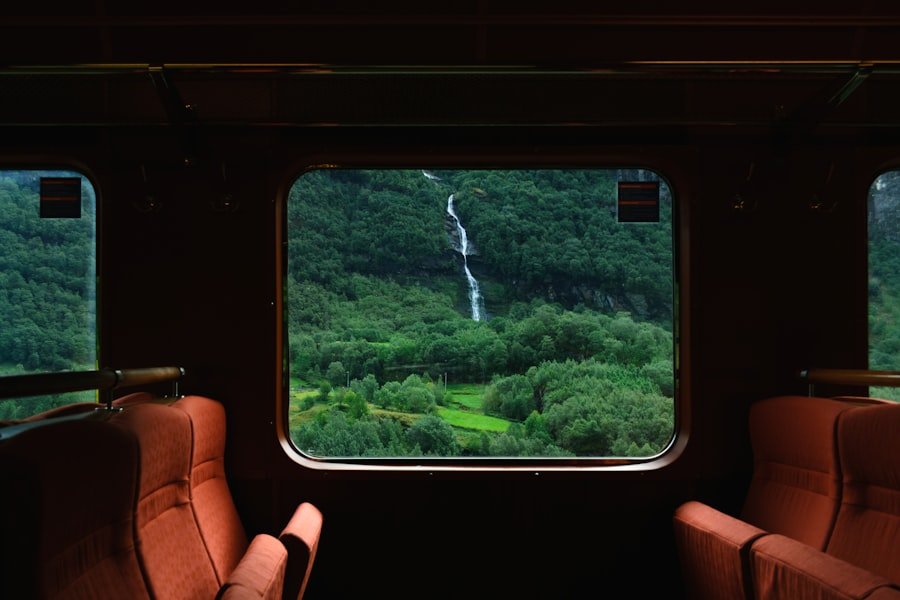
Norwegian crime novels are renowned for their exploration of dark and gritty themes that delve into the human psyche. Issues such as mental illness, addiction, and societal decay are often at the forefront, providing a stark reflection of contemporary life in Norway. These themes resonate deeply with readers, as they confront uncomfortable truths about humanity and morality.
The narratives often challenge the notion of good versus evil, presenting characters who are morally ambiguous and whose motivations are complex. The darkness in these stories is not merely for shock value; it serves a purpose in illuminating societal issues that may otherwise remain unexamined. By weaving these themes into their plots, authors encourage readers to reflect on their own lives and the world around them.
The result is a genre that is not only entertaining but also thought-provoking, prompting discussions about justice, redemption, and the human condition.
Getting to Know the Complex Characters
One of the hallmarks of Norwegian crime novels is the depth and complexity of their characters. Unlike traditional detective fiction where protagonists may embody clear-cut traits of heroism or villainy, Norwegian authors often create multifaceted individuals who grapple with their own demons. These characters are flawed yet relatable, making them all the more compelling as they navigate through moral dilemmas and personal struggles.
Take for instance Jo Nesbø’s iconic detective Harry Hole, whose battles with addiction and personal loss add layers to his character. Readers are drawn into his world not just because he solves crimes but because they witness his vulnerabilities and resilience. Similarly, Karin Fossum’s Inspector Sejer is portrayed as a deeply empathetic figure who seeks to understand the motivations behind criminal behaviour rather than simply pursuing justice.
This focus on character development allows readers to engage with the narrative on a more profound level, fostering an emotional connection that lingers long after the final page is turned.
Learning about Norwegian Culture and Society
Through the lens of crime fiction, readers gain valuable insights into Norwegian culture and society. The narratives often reflect social issues such as immigration, gender equality, and environmental concerns, providing a nuanced understanding of contemporary Norway. Authors use their stories as a platform to address these topics, encouraging readers to consider the implications of societal changes and challenges.
Moreover, cultural elements such as traditional customs, folklore, and even culinary practices are woven into the fabric of these novels. This not only enriches the reading experience but also serves as an educational tool for those unfamiliar with Norwegian life. As readers immerse themselves in these stories, they find themselves learning about Norway’s history and values in an engaging manner that transcends mere exposition.
Embracing the Slow-Burning Plots

A distinctive feature of many Norwegian crime novels is their slow-burning plots that build tension gradually rather than relying on fast-paced action sequences. This deliberate pacing allows for a deeper exploration of character motivations and thematic elements, creating a more immersive reading experience. Readers are invited to savour each moment as they piece together clues alongside the protagonists, fostering a sense of anticipation that culminates in satisfying revelations.
The slow burn also reflects a cultural appreciation for patience and introspection. In a world often dominated by instant gratification, these narratives encourage readers to take their time and engage thoughtfully with the material. This approach not only enhances the suspense but also allows for richer character development and thematic exploration, making each twist and turn all the more impactful.
Navigating the Norwegian Language
For those interested in delving into Norwegian crime literature, navigating the language can be both a challenge and an opportunity for growth. While many popular titles have been translated into English, reading them in their original language offers a unique perspective on the nuances of storytelling and cultural references that may be lost in translation. The lyrical quality of Norwegian prose can add depth to character interactions and descriptions that enhance the overall experience.
For those keen on learning Norwegian or improving their language skills, engaging with crime novels can be an enjoyable way to immerse oneself in the language. The dialogue-driven nature of these stories provides practical vocabulary and conversational structures that can aid in language acquisition. Additionally, understanding idiomatic expressions used by characters can offer insights into cultural nuances that enrich one’s comprehension of Norwegian society.
Discovering the Influence of Nature
Nature plays an integral role in shaping the narratives of Norwegian crime novels. The stark beauty of Norway’s landscapes often serves as both a backdrop and a catalyst for events within the story. Authors frequently draw upon natural elements to evoke mood and atmosphere; for instance, heavy snowfall may signify isolation or impending danger while lush greenery might represent hope or renewal.
Furthermore, nature is often intertwined with themes of survival and resilience. Characters may find themselves battling not only human adversaries but also the harsh realities posed by their environment. This connection between humanity and nature underscores a broader commentary on existence itself—how individuals navigate both internal struggles and external challenges in their quest for meaning.
Uncovering the Unique Detective Traditions
Norwegian crime fiction boasts its own unique traditions when it comes to detective work and investigation methods. Unlike traditional detective stories that often feature flamboyant sleuths or eccentric geniuses solving crimes with ease, Norwegian authors tend to portray detectives who are more grounded in reality. These investigators rely on meticulous research, intuition, and collaboration with others rather than relying solely on individual brilliance.
This approach reflects a cultural emphasis on teamwork and community involvement in problem-solving. Detectives often work closely with local authorities or community members to gather information and insights that lead to breakthroughs in cases. This collaborative spirit not only adds authenticity to the narratives but also highlights the importance of social connections in addressing crime within society.
Delving into the Psychological Thrills
At its core, Norwegian crime fiction delves deeply into psychological thrills that explore the motivations behind criminal behaviour. Authors often craft narratives that examine what drives individuals to commit heinous acts—be it trauma, desperation, or moral ambiguity. This psychological depth adds layers to the storytelling, inviting readers to ponder complex questions about morality and human nature.
The exploration of psychological themes also allows for rich character development as protagonists grapple with their own inner demons while pursuing justice. Readers are drawn into a web of intrigue where they must navigate not only external conflicts but also internal struggles that shape each character’s decisions. This duality creates an engaging reading experience that lingers long after the final resolution.
Recommendations for Must-Read Norwegian Crime Novels
For those eager to explore this captivating genre further, several must-read titles stand out among Norway’s literary offerings. Jo Nesbø’s “The Snowman” is an excellent starting point; it combines chilling suspense with intricate plotting while introducing readers to Harry Hole’s complex character. Similarly, Karin Fossum’s “Don’t Look Back” offers an intimate portrayal of human emotions intertwined with crime—a testament to her skill in crafting psychological depth.
Another noteworthy recommendation is Anne Holt’s “Blind Goddess,” which delves into themes of justice and morality through its compelling narrative centred around a female detective navigating societal challenges. For those interested in historical contexts within crime fiction, “The Keeper of Lost Causes” by Jussi Adler-Olsen provides an engaging blend of mystery and social commentary set against Denmark’s backdrop. As readers immerse themselves in these gripping tales filled with dark themes, complex characters, and rich cultural insights—there’s no better way to appreciate this genre than by enrolling in Norwegian courses at NLS Norwegian Language School in Oslo.
These courses offer an opportunity not only to learn the language but also to engage with Norway’s literary heritage more profoundly. By understanding the language better, students can appreciate nuances within these novels that might otherwise go unnoticed—making their reading experience all the more enriching. In conclusion, Norwegian crime novels offer an enthralling blend of suspenseful storytelling intertwined with deep cultural insights and psychological exploration.
As readers navigate through dark themes and complex characters set against stunning landscapes, they embark on a journey that transcends mere entertainment—inviting reflection on humanity itself while celebrating Norway’s rich literary tradition.
Speak Norwegian with confidence. Begin your journey at the NLS Norwegian Language School