Easter, or “Påske” as it is known in Norwegian, is a time steeped in rich traditions and customs that reflect the unique cultural heritage of Norway. The celebration of Easter in this Nordic country is not merely a religious observance; it is a vibrant tapestry woven with folklore, family gatherings, and seasonal activities. One of the most distinctive aspects of Norwegian Easter is the tradition of “påskekrim,” or Easter crime stories.
During this time, Norwegians indulge in reading crime novels and watching mystery films, a peculiar yet beloved custom that has become synonymous with the holiday. This fascination with crime fiction during Easter has even led to the publication of special crime novels that are released specifically for the season. In addition to literary pursuits, the Norwegian landscape plays a significant role in Easter celebrations.
As winter begins to wane and spring approaches, many families take to the mountains for skiing and outdoor activities. The picturesque scenery, with snow-capped peaks and clear blue skies, provides a stunning backdrop for family bonding and relaxation. Traditional foods also feature prominently during this time, with families gathering to enjoy special meals that often include lamb, eggs, and various pastries.
The combination of outdoor adventures and culinary delights encapsulates the essence of Easter in Norway, making it a cherished time for both reflection and celebration. Speak Norwegian with confidence. Begin your journey at the NLS Norwegian Language School!
Summary
- Easter in Norway is a time-honoured tradition, with deep religious and cultural significance.
- Historical reasons for shops closing at Easter stem from the Christian observance of the holiday and the importance of family time.
- The religious significance of Easter in Norway is rooted in the celebration of the resurrection of Jesus Christ.
- Easter is a time for families and communities to come together, with many engaging in outdoor activities and gatherings.
- Government regulations and laws play a significant role in determining Easter closing policies, reflecting cultural and social norms in Norway.
Historical Reasons for Shops Closing at Easter
The practice of closing shops during Easter in Norway has deep historical roots that can be traced back to both religious observance and societal norms. Historically, Easter has been a time for reflection and spiritual renewal, leading many businesses to close their doors in honour of the holiday. This tradition is not unique to Norway; many predominantly Christian countries observe similar practices.
However, in Norway, the closure of shops during this period has become a cultural norm that reflects the country’s values around family and community. Moreover, the historical significance of Easter as a time for rest and rejuvenation has contributed to the widespread acceptance of shop closures. In earlier times, when agriculture was the backbone of Norwegian society, Easter marked the end of winter and the beginning of spring planting.
This seasonal shift was a time for families to come together, celebrate the return of life to the land, and prepare for the months ahead. As such, closing shops during this period allowed workers to participate in these important familial and agricultural activities without the distraction of commercial obligations.
Religious Significance of Easter in Norway

Easter holds profound religious significance for many Norwegians, particularly those who identify with the Church of Norway, which is Lutheran in tradition. The holiday commemorates the resurrection of Jesus Christ, a cornerstone of Christian faith that symbolises hope, renewal, and salvation. In Norway, church services during Holy Week are well-attended, with many families participating in rituals that have been passed down through generations.
The solemnity of Good Friday is often contrasted with the joy of Easter Sunday, creating a rich tapestry of emotions that encapsulate the essence of the holiday. In addition to church services, many Norwegians engage in personal reflection during Easter. This period is often seen as an opportunity for spiritual growth and contemplation.
Families may gather to discuss their faith and values, reinforcing their connections to one another and their beliefs. The intertwining of religious observance with cultural traditions creates a unique atmosphere during Easter in Norway, where spirituality and community life are deeply interconnected.
Family and Community Time During Easter
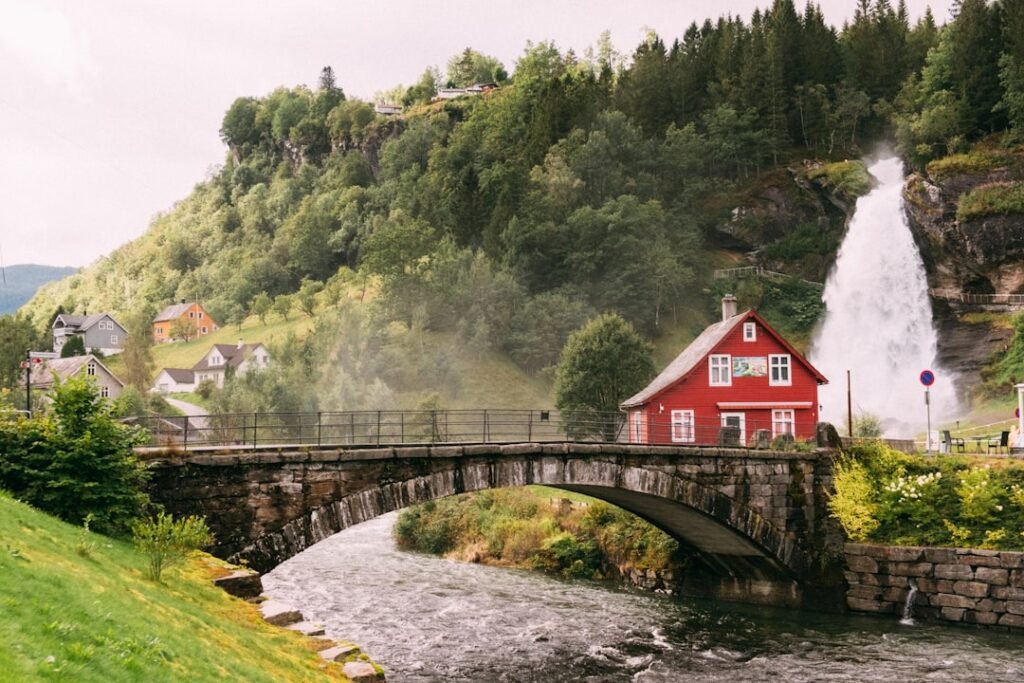
Easter in Norway is fundamentally a time for family and community bonding. As shops close their doors and people take time off work, families come together to celebrate the holiday in various ways. Many Norwegians travel to their cabins in the mountains or by the fjords, where they can enjoy nature and partake in outdoor activities such as skiing or hiking.
These excursions provide an opportunity for families to reconnect away from the hustle and bustle of daily life, fostering stronger relationships and creating lasting memories. Community events also play a significant role during this festive period. Local churches often organise gatherings that bring together members of the community for shared meals, activities, and worship services.
These events not only strengthen communal ties but also provide a sense of belonging and support among participants. The emphasis on family and community during Easter reflects broader Norwegian values that prioritise social cohesion and collective well-being.
Government Regulations and Laws Regarding Easter Closing
The closure of shops during Easter is not merely a matter of tradition; it is also influenced by government regulations and laws that govern business operations during public holidays. In Norway, there are specific laws that dictate when businesses must close for holidays, including Easter. These regulations are designed to ensure that workers have the opportunity to spend time with their families and participate in cultural traditions without the pressure of work obligations.
The enforcement of these laws varies across different regions and types of businesses. While larger retail chains may have more flexibility in their operations, smaller shops often adhere strictly to holiday closing regulations. This legal framework reflects a societal commitment to preserving cultural practices while also recognising the importance of work-life balance for employees.
As such, government regulations play a crucial role in shaping how Easter is celebrated across Norway.
Cultural and Social Norms in Norway

Cultural and social norms in Norway significantly influence how Easter is observed throughout the country. The strong emphasis on egalitarianism and community spirit permeates all aspects of Norwegian life, including holiday celebrations. During Easter, these values manifest in various ways, from communal gatherings to shared meals that highlight local culinary traditions.
The act of coming together as a community is not only encouraged but celebrated as an essential part of Norwegian identity. Additionally, there is a growing awareness around inclusivity during holiday celebrations. While Easter has deep-rooted Christian significance, there is an increasing recognition of diverse beliefs within Norwegian society.
This shift has led to more inclusive practices that respect different cultural backgrounds while still honouring traditional customs. As such, Easter has evolved into a celebration that embraces both its historical roots and contemporary values.
Impact on Tourism and Visitor Experience
The unique way in which Easter is celebrated in Norway has significant implications for tourism and visitor experiences during this period. Many tourists are drawn to Norway’s stunning landscapes during springtime, eager to partake in outdoor activities such as skiing or hiking while experiencing local traditions firsthand. The closure of shops may initially seem like a drawback for visitors; however, it often leads to a more authentic experience as tourists engage with local customs and participate in community events.
Moreover, many tourist attractions remain open during Easter, providing opportunities for visitors to explore Norway’s rich cultural heritage while enjoying the natural beauty of the country. Local festivals and events often coincide with the holiday period, offering tourists a chance to immerse themselves in Norwegian culture through food, music, and art. As such, while shop closures may limit certain commercial activities, they also enhance the overall visitor experience by encouraging deeper connections with local traditions.
Economic Considerations for Shop Owners
For shop owners in Norway, the decision to close during Easter presents both challenges and opportunities. On one hand, closing for several days can result in lost revenue; on the other hand, it allows business owners to align with cultural norms that resonate with their customers. Many shop owners recognise that adhering to these traditions can foster goodwill within their communities and strengthen customer loyalty over time.
Additionally, some businesses have adapted by offering special promotions or events leading up to Easter to maximise sales before the holiday closure. This proactive approach allows shop owners to mitigate potential losses while still honouring cultural practices. Ultimately, navigating the balance between economic considerations and cultural traditions requires careful planning and an understanding of customer values.
Comparison to Other Countries’ Easter Traditions
When comparing Norway’s Easter traditions with those of other countries, several similarities and differences emerge. In many predominantly Christian nations, Easter is celebrated with various customs that reflect local culture and history. For instance, countries like Italy and Spain have vibrant processions and elaborate feasts that showcase their unique heritage.
In contrast, Norway’s focus on outdoor activities and literary pursuits sets it apart from these more traditional celebrations. Moreover, while some countries embrace commercialisation during Easter—such as through extensive shopping sales or elaborate decorations—Norway’s emphasis on family time and community bonding takes precedence over consumerism. This distinction highlights how cultural values shape holiday observances differently across nations.
Public Opinion and Attitudes Towards Easter Closing
Public opinion regarding shop closures during Easter varies among Norwegians but generally leans towards support for maintaining these traditions. Many citizens appreciate the opportunity to spend quality time with family and engage in community activities without the distractions of commercial life. This sentiment reflects broader societal values that prioritise work-life balance and familial connections.
However, there are also voices advocating for more flexibility regarding shop openings during holidays. Some argue that allowing businesses to operate could benefit local economies while still respecting cultural practices. This ongoing debate illustrates how public attitudes towards holiday observances can evolve over time as societal needs change.
Potential Changes in Easter Closing Policies
As societal dynamics shift and public opinions evolve, there may be potential changes on the horizon regarding shop closing policies during Easter in Norway. While current regulations reflect a commitment to preserving cultural traditions, there is growing discourse around finding a balance between economic viability and maintaining these customs. Policymakers may need to consider how best to adapt regulations that honour both historical practices and contemporary economic realities.
Future discussions could explore options such as allowing certain types of businesses—particularly those catering to tourists—to remain open while still encouraging traditional observances among local communities. By fostering dialogue between stakeholders—including business owners, community leaders, and policymakers—Norway can navigate potential changes thoughtfully while preserving its rich cultural heritage. In conclusion, Easter in Norway is a multifaceted celebration deeply rooted in tradition, spirituality, family values, and community spirit.
The interplay between historical practices and contemporary societal norms shapes how this holiday is observed across the country. As discussions around shop closures continue to evolve alongside public opinion, it remains essential for Norwegians to honour their unique customs while adapting to changing economic landscapes—ensuring that future generations can continue to celebrate this cherished holiday with pride.
For those looking to immerse themselves further into Norwegian culture—perhaps even learning the language—consider enrolling in courses at NLS Norwegian Language School in Oslo. With expert instructors dedicated to helping students navigate both language skills and cultural nuances, NLS offers an excellent opportunity for anyone wishing to deepen their understanding of Norway’s rich heritage while preparing for future visits or interactions within this beautiful country.
Speak Norwegian with confidence. Begin your journey at the NLS Norwegian Language School