


Easter, or “Påske” in Norwegian, is a significant celebration in Norway, marked by a blend of religious observance and cultural traditions. As the season of spring unfolds, Norwegians embrace the holiday with a variety of customs, foods, and activities that reflect their rich heritage. Understanding the vocabulary associated with Easter in Norwegian not only enhances one’s appreciation of the festivities but also provides a deeper insight into the cultural nuances of the country.
This article aims to explore essential Norwegian Easter vocabulary, covering everything from traditional foods to common greetings, and will serve as a valuable resource for anyone looking to immerse themselves in the Norwegian Easter experience. As we delve into the various aspects of Easter in Norway, we will uncover the unique words and phrases that characterise this festive period. From the culinary delights that grace the tables to the symbols and decorations that adorn homes, each element of Easter is steeped in meaning and tradition.
By familiarising oneself with this vocabulary, learners of the Norwegian language can engage more fully with the celebrations and connect with the local culture in a meaningful way. Speak Norwegian with confidence. Begin your journey at the NLS Norwegian Language School!
Summary
- Norwegian Easter Vocabulary includes words like påske (Easter), påskeegg (Easter egg), and påskekylling (Easter chick).
- Traditional Norwegian Easter Foods and their Names include pinnekjøtt (dried and salted lamb ribs), lammelår (roast leg of lamb), and egg (egg).
- Religious Vocabulary Related to Easter in Norwegian includes ordet (word), kors (cross), and oppstandelse (resurrection).
- Norwegian Easter Traditions and Customs include påskeegg jakt (Easter egg hunt), påskebrev (Easter letter), and påskefrokost (Easter breakfast).
- Vocabulary for Easter Decorations and Symbols in Norwegian includes påskepynt (Easter decorations), påskelilje (daffodil), and kors (cross).
Traditional Norwegian Easter Foods and their Names
Norwegian Easter is synonymous with a variety of traditional foods that are enjoyed during this festive period. One of the most iconic dishes is “lammestek,” or roast lamb, which is often served as the centrepiece of the Easter meal. This dish is not only a culinary delight but also holds symbolic significance, representing sacrifice and renewal.
Accompanying the lamb are various side dishes, such as “poteter” (potatoes) and “grønnsaker” (vegetables), which complete the feast. Another beloved Easter treat is “påskekrim,” which translates to “Easter crime.” This refers to a popular tradition where Norwegians indulge in crime novels and thrillers during the holiday. The term has become synonymous with both reading and enjoying mystery-themed foods, such as “påskesjokolade” (Easter chocolate) and “påskekake” (Easter cake).
These sweet delights are often decorated with symbols of spring, such as eggs and bunnies, making them a delightful addition to any Easter celebration.
Religious Vocabulary Related to Easter in Norwegian

Easter is fundamentally a religious holiday for many Norwegians, and as such, it is imbued with spiritual significance. Key vocabulary related to this aspect includes “oppstandelse,” meaning resurrection, which is central to the Christian belief celebrated during this time. The term “langfredag,” or Good Friday, marks the day of Jesus Christ’s crucifixion, while “påskedag” refers to Easter Sunday, the day of resurrection.
In addition to these terms, phrases such as “Jesus Kristus” (Jesus Christ) and “kirke” (church) are frequently used during this period. Many Norwegians attend church services on Easter Sunday, where they participate in prayers and hymns that celebrate the resurrection. Understanding this religious vocabulary allows individuals to engage more deeply with the spiritual aspects of Easter in Norway.
Norwegian Easter Traditions and Customs
Norwegian Easter traditions are rich and varied, reflecting both ancient customs and modern practices. One notable tradition is “påskefjell,” which involves families heading to the mountains for skiing and outdoor activities during the holiday. This custom not only promotes physical activity but also fosters family bonding in the beautiful Norwegian landscape.
The mountains become a gathering place for friends and families alike, where they can enjoy nature while celebrating Easter. Another cherished tradition is the decoration of homes with “påskepynt,” or Easter decorations. These often include colourful eggs, bunnies, and spring flowers that symbolise new life and renewal.
Many families also engage in egg painting, where children decorate hard-boiled eggs with vibrant colours and patterns. This activity not only serves as a fun pastime but also reinforces the themes of creativity and togetherness that are central to the holiday.
Vocabulary for Easter Decorations and Symbols in Norwegian
Easter decorations play a vital role in creating a festive atmosphere during this time of year. Common symbols include “egg” (egg), which represents new life and rebirth. In Norwegian culture, eggs are often painted in bright colours and displayed prominently in homes.
The term “påskelilje,” or Easter lily, is another important symbol associated with this season, representing purity and renewal. Additionally, “kanin” (rabbit) is a popular motif during Easter celebrations. The rabbit is often depicted in decorations and sweets, symbolising fertility and new beginnings.
Understanding these terms allows individuals to appreciate the significance behind each decoration and engage more fully with the visual aspects of Norwegian Easter celebrations.
Common Greetings and Phrases Used During Easter in Norwegian
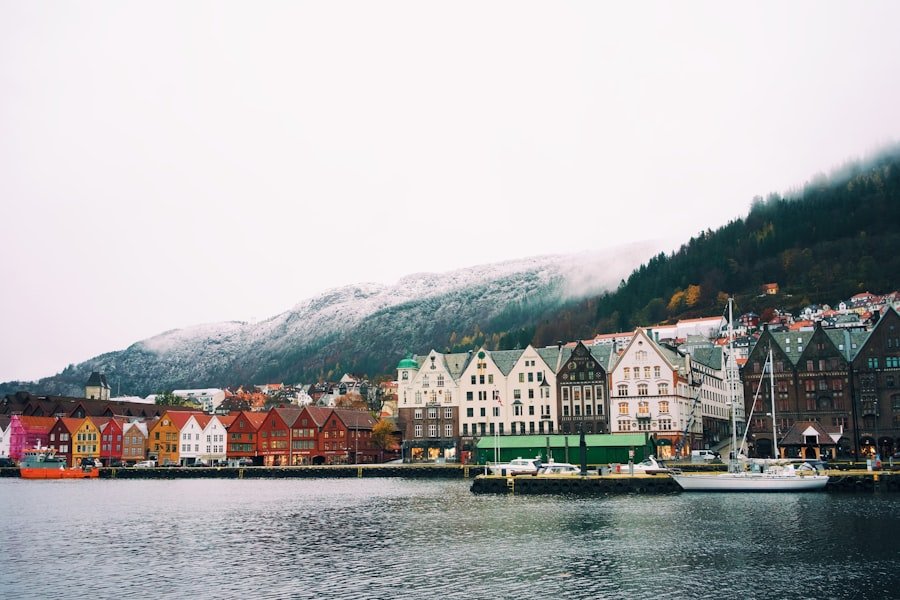
During Easter, Norwegians exchange greetings that reflect the spirit of the season. A common phrase is “God påske,” which translates to “Happy Easter.” This simple yet heartfelt greeting encapsulates the joy and warmth associated with the holiday. Another phrase often heard during this time is “Håper du får en fin påske,” meaning “I hope you have a nice Easter.” Such expressions foster a sense of community and connection among friends and family.
In addition to these greetings, it is customary to wish others well during festive gatherings. Phrases like “Vel bekomme!” (Enjoy your meal!) are often shared before meals, particularly when enjoying traditional Easter dishes. These expressions not only enhance social interactions but also reflect the importance of hospitality within Norwegian culture.
Words for Easter Activities and Events in Norwegian
Easter in Norway is filled with various activities that bring families together and create lasting memories. One popular activity is “egg hunting,” known as “eggjakt.” Children eagerly search for hidden eggs filled with treats, adding an element of excitement to the celebrations. This tradition encourages outdoor play and fosters a sense of adventure among young ones.
Another significant event during this time is “påskefilm,” or Easter films. Families often gather to watch movies that capture the spirit of the season, ranging from animated classics to heartwarming stories about renewal and hope. These shared experiences create cherished moments that strengthen family bonds while celebrating the essence of Easter.
Vocabulary for Easter Weather and Nature in Norwegian
As Easter coincides with springtime in Norway, weather plays an essential role in shaping the celebrations. The term “vårvær,” meaning spring weather, describes the transition from winter to warmer temperatures that many eagerly anticipate. This change often brings about blooming flowers and budding trees, creating a picturesque backdrop for outdoor activities.
The phrase “snøsmelting” refers to snow melting, which is a common sight during this time as winter recedes. The arrival of spring signifies renewal not only in nature but also in people’s spirits as they emerge from winter hibernation. Understanding these terms allows individuals to appreciate how nature influences Easter celebrations in Norway.
Norwegian Easter Clothing and Fashion Words
Easter also brings about specific clothing traditions that reflect both cultural heritage and seasonal changes. Many Norwegians don their finest attire for church services or family gatherings during this time. The term “bunad” refers to traditional Norwegian costumes that are often worn on special occasions, including Easter.
These beautifully crafted outfits showcase regional patterns and colours, celebrating Norway’s rich cultural diversity. In addition to traditional attire, casual spring clothing becomes popular as temperatures rise. Words like “jakke” (jacket) and “sko” (shoes) are commonly used as people prepare for outdoor activities during the holiday.
Understanding these fashion-related terms allows individuals to engage more fully with both traditional customs and contemporary practices during Easter.
Words for Easter Games and Entertainment in Norwegian
Easter is not only a time for reflection but also for fun and entertainment through games and activities. One popular game is “egg rolling,” known as “egg rulling,” where participants roll decorated eggs down hillsides or slopes to see whose egg travels the farthest without breaking. This playful competition adds an element of excitement to family gatherings.
Another entertaining aspect of Norwegian Easter is storytelling through “påskekrim,” or Easter crime stories. Many families enjoy reading or watching mystery-themed tales during this time, creating an engaging atmosphere filled with suspense and intrigue. These games and entertainment options highlight the importance of joy and laughter during the holiday season.
Conclusion and Recap of Essential Norwegian Easter Vocabulary
In conclusion, understanding Norwegian Easter vocabulary enriches one’s experience of this vibrant celebration filled with traditions, customs, and culinary delights. From traditional foods like “lammestek” to essential phrases such as “God påske,” each word carries significance that reflects Norway’s cultural heritage. The exploration of religious vocabulary enhances appreciation for the spiritual aspects of the holiday while recognising the importance of family gatherings through shared activities like egg hunting.
As we have seen throughout this article, vocabulary related to decorations, clothing, weather, games, and entertainment all contribute to a comprehensive understanding of how Norwegians celebrate Easter. For those looking to deepen their knowledge of the language while embracing these traditions, enrolling in courses at NLS Norwegian Language School in Oslo can be an excellent opportunity. With expert instructors guiding learners through both language skills and cultural insights, students can gain confidence in their ability to engage meaningfully with Norwegian customs during this festive season.
Whether you are a beginner or looking to refine your skills, NLS offers tailored courses that cater to all levels, ensuring that you can fully immerse yourself in the beauty of Norwegian language and culture during Easter and beyond.
Speak Norwegian with confidence. Begin your journey at the NLS Norwegian Language School




