

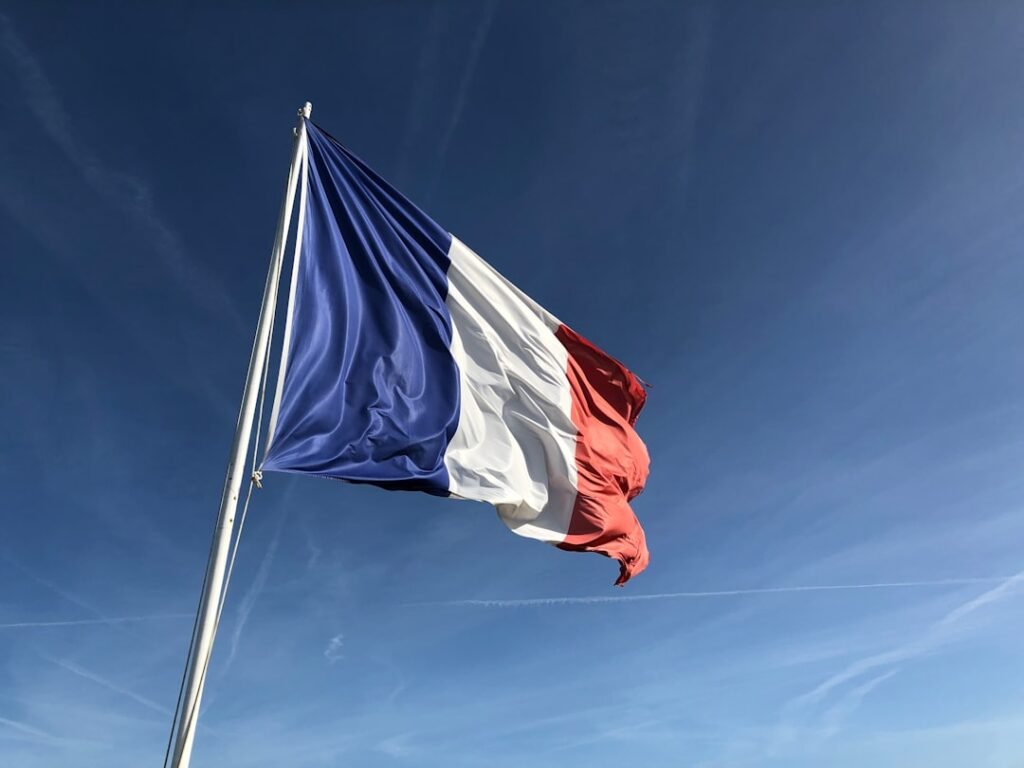
In recent years, the business landscape in Oslo has witnessed a significant shift, with French emerging as a vital language for professionals across various sectors. As Norway continues to strengthen its ties with France and other Francophone countries, the demand for French-speaking individuals has surged. This trend is particularly evident in industries such as finance, technology, and tourism, where companies are increasingly seeking to expand their operations into French-speaking markets.
The ability to communicate effectively in French not only enhances business relationships but also opens doors to new opportunities and partnerships. Moreover, the presence of French multinational corporations in Oslo has further solidified the importance of the language. Companies like Renault and Total have established a foothold in Norway, creating a need for employees who can navigate both the local and French business environments.
As a result, professionals who possess French language skills are often viewed as valuable assets, capable of bridging cultural gaps and facilitating smoother communication. This growing importance of French in Oslo’s business landscape underscores the necessity for individuals to invest in language education, particularly through dedicated courses that cater to varying proficiency levels. Registration for French classes at the NLS Norwegian Language School in Oslo is now open.
Summary
- French language skills are increasingly important in Oslo’s business landscape, opening up new opportunities for professionals.
- French is a key language in international diplomacy, making it a valuable asset for individuals seeking to work in this field in Oslo.
- The influence of French culture and cuisine in Oslo adds a unique and enriching dimension to the city’s cultural landscape.
- Learning French can significantly enhance career advancement prospects for individuals in Oslo, providing access to a wider range of job opportunities.
- French language proficiency is in high demand in Oslo’s multinational companies, offering professionals a competitive edge in the job market.
French as a Key Language in International Diplomacy
French has long been regarded as one of the principal languages of international diplomacy, and its significance is particularly pronounced in Oslo, a city that hosts numerous diplomatic missions and international organisations. The ability to converse in French is not merely an asset; it is often a prerequisite for those aspiring to work in diplomatic circles. The language serves as a common ground for negotiations and discussions among diplomats from various countries, making it essential for anyone looking to engage in international relations.
Furthermore, Norway’s active participation in global affairs necessitates a strong understanding of French, especially given its role in organisations such as the United Nations and NATO. Proficiency in French allows diplomats and officials to engage more effectively with their counterparts from Francophone nations, fostering collaboration and mutual understanding. As such, learning French is not just about mastering vocabulary and grammar; it is about equipping oneself with the tools necessary to navigate the complexities of international diplomacy.
The Influence of French Culture and Cuisine in Oslo

French culture has made a significant impact on Oslo, enriching the city’s artistic and culinary landscape. From art exhibitions showcasing renowned French artists to film festivals celebrating French cinema, the influence of France is palpable throughout the city. This cultural exchange has fostered a growing appreciation for the French way of life among Oslo’s residents, many of whom are eager to explore the nuances of French art, literature, and philosophy.
In addition to its cultural contributions, French cuisine has also found a cherished place in Oslo’s gastronomic scene. The city’s restaurants often feature French-inspired dishes, and culinary schools frequently offer courses that highlight classic French cooking techniques. This culinary influence not only enhances the dining experience for locals but also encourages individuals to learn the language to better appreciate the intricacies of French gastronomy.
By immersing themselves in both the language and culture, learners can gain a deeper understanding of the rich heritage that shapes contemporary French cuisine.
The Benefits of Learning French for Career Advancement
Acquiring proficiency in French can significantly enhance one’s career prospects in Oslo’s competitive job market. As businesses increasingly seek employees who can communicate with clients and partners in multiple languages, those who speak French are often at an advantage. Language skills can set candidates apart during recruitment processes, making them more appealing to employers who value diversity and global perspectives.
Moreover, learning French can lead to opportunities for career advancement within organisations. Employees who demonstrate language proficiency may be considered for roles that involve international travel or collaboration with Francophone partners. This not only broadens their professional horizons but also enriches their personal experiences by exposing them to different cultures and ways of thinking.
In this context, investing time in learning French at institutions like the NLS Norwegian Language School can yield substantial returns in terms of career growth and personal development.
The Role of French in Norway’s Education and Research Fields
French plays a crucial role in Norway’s education system, particularly at the university level where many institutions offer programmes taught in French or that require proficiency in the language. This is especially true for fields such as international relations, political science, and cultural studies, where understanding Francophone perspectives is essential. Students who learn French not only gain access to a wealth of academic resources but also enhance their employability upon graduation.
In addition to higher education, research collaborations between Norwegian and French institutions have become increasingly common. These partnerships often necessitate fluency in French, allowing researchers to share findings and engage in meaningful dialogue with their counterparts abroad. By fostering a bilingual academic environment, Norway can contribute to global knowledge production while simultaneously enriching its own educational landscape.
Thus, learning French is not merely an academic exercise; it is an investment in one’s future as a scholar or researcher.
French Language Skills as a Gateway to Global Opportunities

In an increasingly interconnected world, proficiency in multiple languages is more valuable than ever. Learning French opens up a myriad of global opportunities for individuals seeking to expand their horizons beyond Norway’s borders. With over 300 million speakers worldwide, French is not only one of the official languages of several international organisations but also a key language in many emerging markets across Africa and Asia.
For those interested in travel or working abroad, speaking French can be a significant advantage. Many countries welcome foreign professionals who can communicate effectively with local populations, and being fluent in French can facilitate smoother transitions into new environments. Additionally, individuals with French language skills may find themselves eligible for positions with international organisations or NGOs that operate in Francophone regions.
In this way, learning French serves as a passport to a world of possibilities.
The Appeal of French Literature and Arts in Oslo’s Intellectual Circles
French literature and arts have long captivated audiences around the globe, and Oslo is no exception. The city’s intellectual circles are enriched by discussions surrounding classic and contemporary works from renowned French authors such as Victor Hugo, Marcel Proust, and Simone de Beauvoir. Literary events often feature readings and analyses of these texts, drawing enthusiasts who appreciate the depth and complexity of the French literary tradition.
Moreover, the influence of French art is evident in Oslo’s galleries and museums, which frequently showcase exhibitions dedicated to both historical and modern artists from France. This cultural engagement fosters a desire among many residents to learn the language, enabling them to delve deeper into the works they admire. By studying French literature and arts through dedicated courses at institutions like NLS Norwegian Language School, individuals can enhance their appreciation for these cultural treasures while simultaneously improving their language skills.
French Language Proficiency as a Tool for Networking and Collaboration
In today’s globalised economy, networking has become an essential component of professional success. Proficiency in French can serve as a powerful tool for building connections within Oslo’s diverse business community. Many professionals recognise that speaking multiple languages allows them to engage more effectively with colleagues from different backgrounds, fostering collaboration and innovation.
Attending networking events or industry conferences where French is spoken can provide valuable opportunities for individuals to expand their professional networks. By demonstrating language skills during conversations or presentations, they can leave a lasting impression on potential collaborators or employers. Furthermore, being able to communicate fluently in French can facilitate partnerships with Francophone businesses or organisations, ultimately leading to mutually beneficial outcomes.
The Demand for French-Speaking Professionals in Oslo’s Multinational Companies
As Oslo continues to attract multinational companies seeking to establish or expand their operations in Norway, the demand for French-speaking professionals has risen sharply. These companies often require employees who can navigate both local and international markets effectively, making language proficiency an essential criterion during recruitment processes. Consequently, individuals who invest time in learning French are well-positioned to seize these opportunities.
Moreover, many multinational firms actively seek out candidates with diverse linguistic backgrounds to enhance their teams’ capabilities. This trend highlights the importance of language education as part of professional development. By enrolling in courses at NLS Norwegian Language School or similar institutions, aspiring professionals can equip themselves with the skills needed to thrive in an increasingly competitive job market.
French as a Language of Innovation and Creativity in Oslo’s Tech and Design Sectors
The tech and design sectors in Oslo are thriving, characterised by innovation and creativity that often draw inspiration from global trends. As these industries continue to evolve, proficiency in multiple languages—including French—has become increasingly important. Many tech companies collaborate with partners from Francophone countries or seek to enter markets where French is spoken.
Being able to communicate effectively with international teams can lead to more successful collaborations and innovative solutions. Furthermore, understanding cultural nuances can enhance creativity within design processes by incorporating diverse perspectives into projects. For individuals looking to make their mark in these dynamic fields, learning French can provide a competitive edge that sets them apart from their peers.
How Learning French Enhances Oslo’s Professional and Personal Growth
Ultimately, learning French offers numerous benefits that extend beyond mere language acquisition; it fosters both professional and personal growth for individuals living in Oslo. As they develop their language skills through structured courses at institutions like NLS Norwegian Language School, learners gain confidence that transcends linguistic boundaries. Professionally, fluency in French opens doors to new career opportunities while enhancing existing roles within organisations.
On a personal level, engaging with the language allows individuals to connect more deeply with Francophone cultures—whether through literature, cuisine, or travel experiences—enriching their lives immeasurably. In conclusion, the growing importance of French across various sectors highlights its relevance within Oslo’s evolving landscape. From business and diplomacy to culture and education, proficiency in this beautiful language serves as a gateway to countless opportunities for those willing to embrace it wholeheartedly.




