

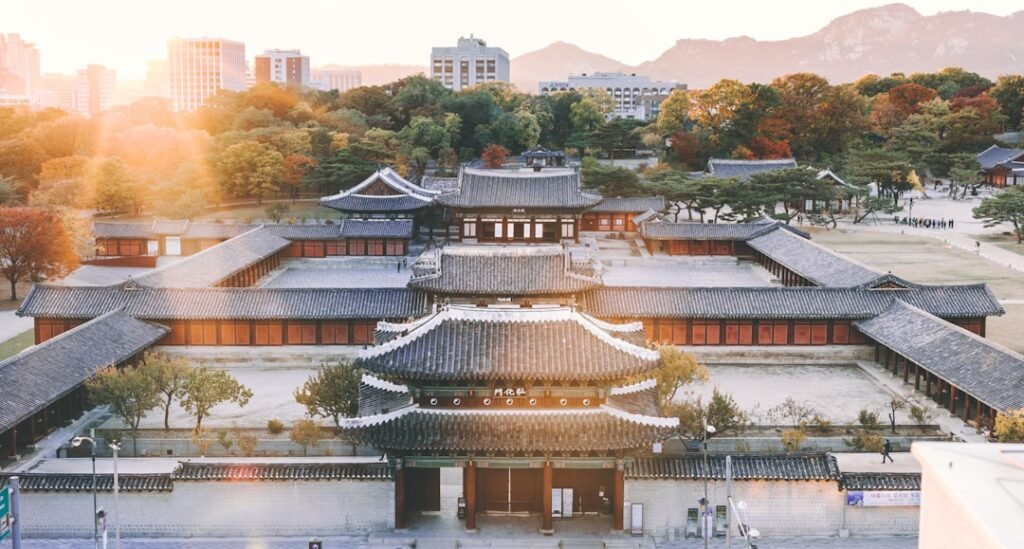
Korean cuisine is a vibrant tapestry of flavours, textures, and colours that reflects the rich cultural heritage of the Korean Peninsula. It is a culinary tradition that has evolved over centuries, shaped by the country’s history, geography, and the daily lives of its people. At its core, Korean food is characterised by its emphasis on balance and harmony, often incorporating a variety of ingredients to create dishes that are both nutritious and satisfying.
The use of fermentation, particularly in the form of kimchi, is a hallmark of this cuisine, showcasing the ingenuity of Korean cooks in preserving food and enhancing its flavour. The global popularity of Korean cuisine has surged in recent years, thanks in part to the rise of K-pop and Korean dramas, which have introduced international audiences to the country’s culinary delights. From the spicy kick of gochujang to the umami depth of doenjang, Korean food offers a unique sensory experience that captivates the palate.
As more people seek to explore this dynamic cuisine, understanding its foundational elements becomes essential for appreciating the artistry and tradition behind each dish. Ready to speak Korean? Enroll now at the NLS Norwegian Language School in Oslo.
Summary
- Korean cuisine is known for its bold flavors, use of fermented ingredients, and emphasis on balance and harmony in dishes.
- The history and geography of Korea have greatly influenced its food, with a focus on preserving and fermenting ingredients due to its mountainous terrain and harsh winters.
- Key ingredients in Korean cooking include gochujang (fermented red chili paste), doenjang (fermented soybean paste), and kimchi (fermented vegetables).
- Traditional Korean dishes and specialties include bibimbap, bulgogi, kimchi, and tteokbokki, each with its own unique flavors and preparation methods.
- The art of Korean food presentation, known as “sasang” or “food philosophy,” focuses on creating visually appealing and balanced meals that reflect nature and the seasons.
The Influence of History and Geography on Korean Food
The history of Korea is marked by periods of both isolation and interaction with neighbouring countries, which has significantly influenced its culinary landscape. The Korean Peninsula’s geographical features, including its mountainous terrain and coastal regions, have also played a crucial role in shaping the types of ingredients available for cooking. Historically, Korea has experienced invasions and occupations that introduced new flavours and cooking techniques, such as the influence of Chinese cuisine during the Goryeo Dynasty and Japanese culinary practices during the colonial period.
Moreover, Korea’s four distinct seasons have a profound impact on its food culture. The seasonal availability of ingredients dictates what is consumed at different times of the year. For instance, hearty stews and hot dishes are favoured during the cold winter months, while lighter fare featuring fresh vegetables is more common in spring and summer.
This seasonal approach not only enhances the flavour of dishes but also reflects a deep respect for nature and its cycles.
Key Ingredients in Korean Cooking
At the heart of Korean cuisine lies a selection of key ingredients that define its unique flavour profile. Rice serves as the staple food, forming the basis of most meals and symbolising prosperity and nourishment. Accompanying rice are an array of banchan, or side dishes, which often include pickled vegetables, seasoned greens, and various forms of kimchi.
These small dishes not only add variety to the meal but also showcase the importance of fermentation in Korean cooking. Another essential ingredient is gochugaru, or Korean red pepper flakes, which impart a distinctive heat and vibrant colour to many dishes. This spice is often combined with other flavour enhancers such as garlic, ginger, and sesame oil to create complex marinades and sauces.
Additionally, fermented products like doenjang (soybean paste) and ganjang (soy sauce) are fundamental to achieving the umami depth that characterises many traditional recipes. Together, these ingredients create a harmonious balance of flavours that is both satisfying and nourishing.
Traditional Korean Dishes and Specialties
Korean cuisine boasts a plethora of traditional dishes that highlight its diverse flavours and cooking techniques. One of the most iconic dishes is bibimbap, a colourful rice bowl topped with an assortment of vegetables, meat, and a fried egg, all drizzled with spicy gochujang sauce. This dish exemplifies the principle of balance in Korean cooking, as it combines various textures and flavours into one harmonious meal.
Another beloved specialty is bulgogi, marinated beef that is grilled or stir-fried to perfection. The marinade typically includes soy sauce, sugar, sesame oil, garlic, and pepper, resulting in tender meat with a sweet-savory profile. Additionally, jjigae (stews) such as kimchi jjigae (kimchi stew) or sundubu jjigae (soft tofu stew) are staples in Korean households, providing warmth and comfort during colder months.
Each dish tells a story of tradition and family, often passed down through generations.
The Art of Korean Food Presentation
In Korean cuisine, presentation is not merely an afterthought; it is an integral part of the dining experience. The visual appeal of a meal is carefully considered, with an emphasis on colour contrast and arrangement. Dishes are often served in an aesthetically pleasing manner, showcasing the vibrant hues of fresh vegetables alongside the rich tones of meats and sauces.
This attention to detail reflects a deep appreciation for beauty in everyday life. Furthermore, traditional Korean dining often involves communal sharing of dishes rather than individual servings. This practice encourages interaction among diners and fosters a sense of togetherness.
The arrangement of banchan around a central dish creates a visually striking table setting that invites conversation and connection. In this way, food presentation in Korea transcends mere aesthetics; it embodies cultural values centred around community and hospitality.
Regional Variations in Korean Cuisine
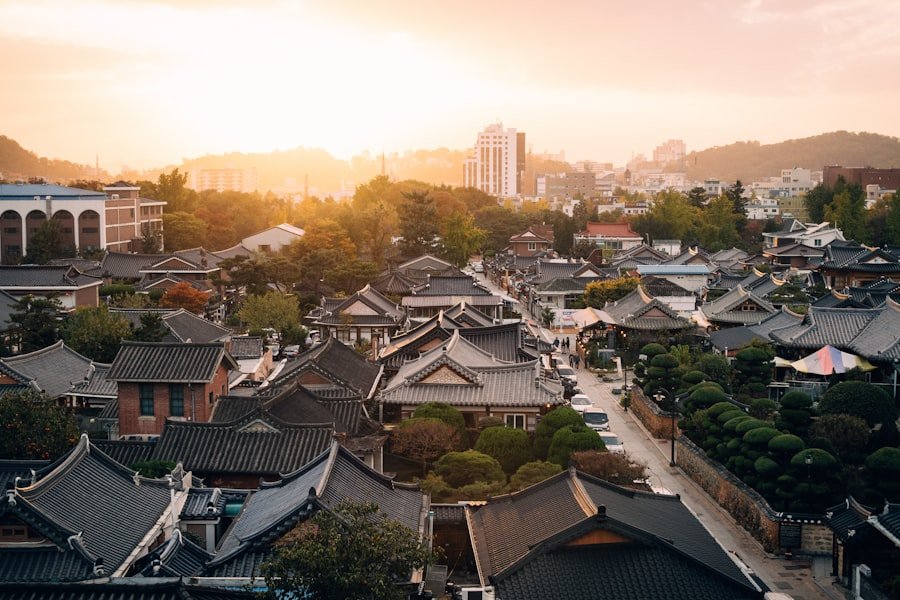
Korean cuisine is not monolithic; it varies significantly across different regions of the country, each boasting its own unique flavours and specialties. For instance, Jeolla Province is renowned for its rich culinary heritage and diverse banchan offerings, often featuring an abundance of vegetables and seafood due to its coastal location. In contrast, the northern regions tend to favour heartier dishes that reflect their colder climate, with an emphasis on grains and preserved foods.
The city of Busan is famous for its seafood dishes, particularly raw fish (sashimi) and spicy fish stews that highlight the freshness of local catches. Meanwhile, Seoul’s bustling food scene showcases a blend of traditional recipes with modern twists, reflecting the city’s status as a cultural melting pot. These regional variations not only enrich the overall tapestry of Korean cuisine but also provide insight into the local customs and lifestyles that shape each area’s culinary identity.
The Role of Food in Korean Culture and Society
Food holds a central place in Korean culture, serving as a means of connection among family members and friends. Meals are often seen as opportunities for bonding and celebration, with significant events such as birthdays or holidays marked by elaborate feasts. Traditional rituals surrounding food preparation and consumption reflect deep-rooted cultural values such as respect for elders and gratitude for nature’s bounty.
Moreover, food plays a vital role in expressing identity within Korean society. The act of sharing meals fosters community ties and reinforces social bonds. Festivals centred around food—such as Chuseok (Korean Thanksgiving) or Seollal (Lunar New Year)—highlight the importance of culinary traditions in preserving cultural heritage.
In this way, food transcends mere sustenance; it becomes a vessel for storytelling and cultural continuity.
Modern Trends in Korean Food and Fusion Cuisine
As globalisation continues to shape culinary landscapes worldwide, Korean cuisine has embraced modern trends while maintaining its traditional roots. The rise of fusion cuisine has led to innovative interpretations of classic dishes, blending elements from various culinary traditions to create exciting new flavours. For example, Korean tacos—a delightful combination of marinated bulgogi wrapped in tortillas—have gained popularity in food markets around the world.
Additionally, health-conscious eating has influenced contemporary Korean cooking practices. Chefs are increasingly focusing on using organic ingredients and reducing sodium levels while still preserving the bold flavours characteristic of traditional recipes. This shift towards healthier options reflects a growing awareness of nutrition without compromising on taste or authenticity.
Dining Etiquette and Table Manners in Korea
Dining etiquette in Korea is steeped in tradition and reflects cultural values such as respect for elders and communal harmony. When dining with others, it is customary for younger individuals to wait for their elders to begin eating before they start their meal. Additionally, it is polite to serve others before serving oneself—a gesture that signifies care and consideration for fellow diners.
Chopsticks are the primary utensils used for eating in Korea; however, it is important to handle them correctly. For instance, sticking chopsticks upright in rice is considered disrespectful as it resembles funeral rites. Instead, they should be placed neatly on the table when not in use.
Understanding these nuances enhances the dining experience and demonstrates respect for Korean customs.
Exploring Korean Street Food and Snacks
Korean street food offers an exciting glimpse into the country’s culinary culture beyond traditional dining experiences. Street vendors can be found throughout bustling cities like Seoul and Busan, serving up an array of delicious snacks that are both affordable and flavourful. Popular street foods include tteokbokki (spicy rice cakes), hotteok (sweet pancakes filled with brown sugar), and kimbap (seaweed rice rolls), each offering a unique taste of Korea’s vibrant food scene.
Street food culture also fosters a sense of community as people gather around stalls to enjoy their meals together. The lively atmosphere created by vendors calling out their offerings adds to the overall experience, making it an integral part of urban life in Korea. Exploring street food not only satisfies hunger but also provides an opportunity to engage with local culture and traditions.
Resources for Further Learning and Exploration of Korean Cuisine
For those eager to delve deeper into the world of Korean cuisine, numerous resources are available to facilitate exploration and learning. Cookbooks authored by renowned chefs offer authentic recipes alongside insights into traditional cooking techniques. Online platforms such as YouTube feature cooking channels dedicated to Korean food, providing visual guidance for aspiring home cooks.
Additionally, local cooking classes or workshops can provide hands-on experience in preparing traditional dishes while fostering connections with fellow food enthusiasts. For those interested in cultural immersion, travel to Korea presents an unparalleled opportunity to experience authentic flavours firsthand while engaging with local communities. Whether through books, online resources or travel experiences, there are countless avenues for discovering the rich tapestry of Korean cuisine.
Ready to speak Korean? Enroll now at the NLS Norwegian Language School in Oslo.




