


Korean culture is rich and multifaceted, deeply rooted in traditions that have evolved over centuries. Understanding the nuances of Korean etiquette is essential for anyone wishing to engage meaningfully with the people and society of South Korea. The importance of respect, hierarchy, and social harmony permeates every aspect of life in Korea, influencing everything from daily interactions to formal business dealings.
As the world becomes increasingly interconnected, the ability to navigate these cultural intricacies can enhance personal relationships and professional opportunities alike. Korean etiquette is not merely a set of rules; it is a reflection of the values that underpin Korean society. These values include respect for elders, the significance of family, and the importance of community.
By familiarising oneself with these cultural norms, individuals can foster goodwill and understanding, paving the way for more profound connections. This article aims to explore various aspects of Korean etiquette, from greetings and dining manners to business communication and social interactions, providing a comprehensive guide for those looking to immerse themselves in this vibrant culture. Ready to speak Korean? Enroll now at the NLS Norwegian Language School in Oslo.
Summary
- Korean culture places a strong emphasis on respect and politeness in social interactions, and understanding the nuances of Korean etiquette is essential for visitors.
- Greetings in Korea often involve a bow, and it is important to use the appropriate level of formality based on age, status, and relationship with the person.
- Non-verbal communication, such as maintaining eye contact and using appropriate body language, is crucial in Korean culture to convey respect and understanding.
- Dining etiquette in Korea includes using chopsticks and not sticking them upright in a bowl, as well as showing appreciation for the meal by not leaving any food on the plate.
- Personal space in Korea is smaller than in Western cultures, and it is common for people to stand closer together when conversing, but it is important to respect individual boundaries.
Greetings and Politeness in Korean Culture
In Korea, greetings are not just a formality; they are an essential part of social interaction that conveys respect and acknowledgement. The most common greeting is “안녕하세요” (annyeonghaseyo), which translates to “hello” in a polite manner. However, the level of politeness can vary depending on the relationship between individuals and their respective ages.
For instance, when addressing someone older or in a higher social position, one might use “안녕하십니까” (annyeonghasimnikka), a more formal version of the greeting. This emphasis on politeness reflects the deep-rooted Confucian values that shape Korean society. Moreover, bowing is an integral part of Korean greetings.
A slight bow while saying hello signifies respect and humility. The depth of the bow can vary; a deeper bow is reserved for elders or those in higher positions. It is also customary to make eye contact while bowing, as this demonstrates sincerity and attentiveness.
Understanding these nuances can significantly enhance one’s interactions in Korea, as failing to adhere to these customs may be perceived as disrespectful or inattentive.
Understanding Non-Verbal Communication in Korea
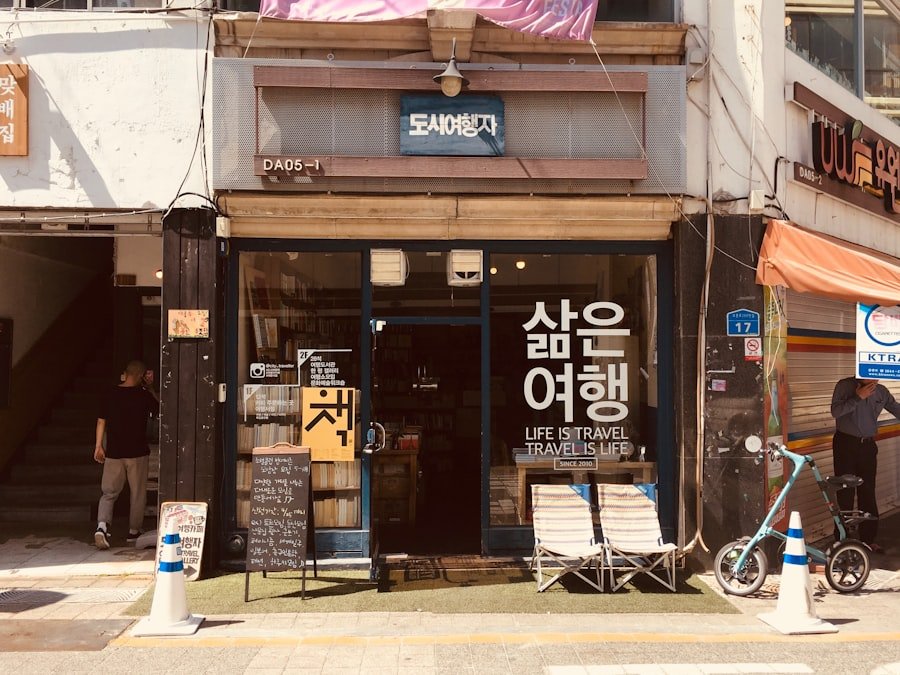
Non-verbal communication plays a crucial role in conveying messages in Korean culture. Body language, facial expressions, and gestures often speak louder than words. For instance, maintaining a calm and composed demeanour is highly valued; excessive displays of emotion may be viewed as inappropriate or unrefined.
Therefore, it is essential to be mindful of one’s body language when interacting with Koreans, as it can significantly influence how messages are received. Another important aspect of non-verbal communication in Korea is the use of gestures. Pointing with one finger is considered rude; instead, it is more polite to use an open hand to indicate direction or objects.
Additionally, physical contact during conversations is generally minimal; Koreans tend to maintain a certain distance when speaking with others, especially those they do not know well. Understanding these non-verbal cues can help foreigners navigate social situations more effectively and avoid unintentional faux pas.
Dining Etiquette and Table Manners in Korea
Dining in Korea is an experience steeped in tradition and etiquette. When invited to a meal, it is customary to wait for the host to begin eating before you start. This practice reflects the importance of respect for the host’s hospitality.
Additionally, it is polite to use both hands when passing or receiving food or drinks, as this gesture signifies respect towards the person you are interacting with. Table manners are also significant in Korean dining culture. For instance, it is considered impolite to stick chopsticks upright in a bowl of rice, as this resembles a funeral rite.
Instead, chopsticks should be placed neatly on the table or on a designated holder when not in use. Furthermore, when drinking alcohol, it is customary to turn your head away from elders while taking a sip; this act demonstrates respect for their presence. Familiarising oneself with these dining etiquettes can enhance the overall dining experience and foster positive relationships with Korean hosts.
Navigating Social Interactions and Personal Space in Korea
Social interactions in Korea are often guided by a strong sense of hierarchy and respect for personal space. When meeting someone for the first time, it is common to exchange business cards or gifts as a sign of goodwill. The manner in which these items are presented is crucial; they should be offered with both hands and received with care, reflecting the importance of the exchange.
Personal space in Korea can differ significantly from Western norms. While Koreans may stand closer together during conversations than individuals from other cultures might be comfortable with, it is essential to be aware of cues indicating personal boundaries. If someone steps back or appears uncomfortable, it is advisable to respect their space.
Understanding these social dynamics can help foreigners navigate interactions more smoothly and avoid misunderstandings.
Business Etiquette and Communication in Korean Work Culture
In the realm of business, Korean etiquette takes on an even greater significance due to the hierarchical nature of corporate culture. Titles and positions are paramount; addressing someone by their title rather than their first name is a sign of respect. Meetings often begin with formal greetings and exchanges of business cards, which should be treated with care and respect.
Communication styles in Korean business settings tend to be indirect; individuals may avoid outright disagreement or confrontation to maintain harmony within the group. It is essential to read between the lines and pay attention to non-verbal cues during discussions. Additionally, building relationships through informal gatherings or meals can be just as important as formal meetings; these interactions help establish trust and rapport among colleagues.
Cultural Sensitivity and Respectful Behaviour in Korea
Cultural sensitivity is paramount when engaging with Korean society. Being aware of local customs and traditions demonstrates respect for the culture and its people. For instance, it is advisable to refrain from discussing sensitive topics such as politics or historical grievances unless you are well-acquainted with your conversation partner.
Moreover, showing appreciation for Korean culture through gestures such as learning basic phrases or participating in local customs can go a long way in fostering goodwill. Simple acts like bowing when greeting someone or expressing gratitude after receiving assistance can leave a positive impression on those you interact with. By demonstrating cultural sensitivity, foreigners can create meaningful connections and contribute positively to their experiences in Korea.
Using Honorifics and Formal Language in Korean Conversations
The use of honorifics is a fundamental aspect of Korean language and culture that reflects social hierarchy and respect. In conversations, it is essential to use appropriate language based on the relationship between speakers. For instance, when speaking to someone older or in a higher position, using formal language such as “입니다” (imnida) instead of informal endings like “야” (ya) shows respect.
Additionally, Koreans often employ various levels of speech depending on context; this includes using different verb endings based on the formality required by the situation. Mastering these nuances can be challenging for learners but is crucial for effective communication within Korean society. By making an effort to use honorifics correctly, foreigners can demonstrate their commitment to understanding and respecting Korean culture.
Tips for Travellers: Navigating Korean Etiquette as a Foreigner
For travellers venturing into Korea, being mindful of local etiquette can significantly enhance their experience. One practical tip is to observe how locals behave in various situations; this can provide valuable insights into acceptable conduct. Additionally, learning a few basic phrases in Korean can go a long way in breaking down barriers and fostering goodwill among locals.
When dining out, it is advisable to follow local customs regarding food sharing; many dishes are served family-style, encouraging communal eating. Being open to trying new foods and participating in local dining traditions can enrich your culinary experience while demonstrating respect for Korean culture. Furthermore, being patient and understanding when faced with language barriers will help create positive interactions with locals.
Common Mistakes to Avoid When Interacting in Korean Culture
While engaging with Korean culture can be rewarding, there are common pitfalls that foreigners should be aware of to avoid unintentional disrespect. One significant mistake is failing to acknowledge hierarchy; disregarding age or status when addressing someone can lead to misunderstandings or offence. It is crucial to pay attention to social cues and adjust your language accordingly.
Another common error involves personal space; while Koreans may stand closer during conversations than some foreigners are accustomed to, invading someone’s personal space without permission can be perceived as intrusive. Being mindful of body language and respecting boundaries will help foster positive interactions. Additionally, avoiding overly casual behaviour or language until you have established rapport will demonstrate your understanding of cultural norms.
Embracing and Respecting Korean Etiquette and Nuances
In conclusion, embracing and respecting Korean etiquette and cultural nuances is essential for anyone wishing to engage meaningfully with this vibrant society. From greetings and dining manners to business communication and social interactions, understanding these customs fosters goodwill and enhances relationships with Koreans. By being mindful of hierarchy, practising politeness, and demonstrating cultural sensitivity, individuals can navigate social situations more effectively.
As globalisation continues to bridge cultures together, taking the time to learn about and appreciate different customs becomes increasingly important. By immersing oneself in Korean etiquette, travellers and expatriates alike can create lasting connections while enriching their experiences within this fascinating culture. Ultimately, embracing these nuances not only enhances personal interactions but also contributes positively to cross-cultural understanding in an ever-evolving world.
Ready to speak Korean? Enroll now at the NLS Norwegian Language School in Oslo.




