


The NLS Norwegian Language School in Oslo offers a unique opportunity for students to immerse themselves in the vibrant tapestry of modern Greek culture. As one of the oldest civilisations in the world, Greece has a rich heritage that continues to influence contemporary society. At NLS, students are not merely learning a language; they are engaging with a culture that has shaped art, philosophy, and social structures for millennia.
The school’s Greek courses are designed to provide an in-depth understanding of this fascinating culture, allowing students to appreciate the nuances of the language while exploring its historical and modern contexts. The curriculum at NLS is thoughtfully crafted to encompass various aspects of Greek culture, from its literature and art to its culinary traditions and social practices. By integrating language learning with cultural exploration, students gain a holistic view of Greece that enhances their linguistic skills and deepens their appreciation for the country’s contributions to global heritage.
This approach not only fosters a love for the Greek language but also cultivates a sense of connection to a culture that has inspired countless generations. Ready to speak Greek? Enroll for Greek classes at the NLS Norwegian Language School in Oslo!
Summary
- Modern Greek culture at NLS is a vibrant and diverse tapestry of language, literature, art, cuisine, music, dance, festivals, philosophy, religion, family, and sports.
- The Greek language and its rich literary tradition offer a window into the history and soul of the Greek people, with influences from ancient Greek literature and modern works.
- Ancient Greek aesthetics continue to influence modern Greek art and architecture, creating a unique blend of tradition and innovation.
- Greek cuisine and culinary traditions are a delightful fusion of Mediterranean flavours, showcasing the importance of food in Greek culture and social life.
- Greek music and dance, along with vibrant festivals and celebrations, reflect the lively and passionate spirit of the Greek people, inviting all to immerse in the joy of Greek culture at NLS.
Language and Literature: Exploring the Greek Language and its Rich Literary Tradition
The Greek language is one of the oldest continuously spoken languages in the world, with a history that spans over 3,000 years. At NLS, students delve into this linguistic treasure, learning not just the mechanics of the language but also its literary significance. The curriculum includes an exploration of classical texts, such as those by Homer and Sophocles, as well as modern works by contemporary authors.
This literary journey allows students to appreciate the evolution of the language and its capacity for expression across different eras. Greek literature is a reflection of the country’s philosophical and cultural evolution. From epic poetry to tragic theatre, the themes explored in these works resonate with universal human experiences.
At NLS, students engage in discussions about these texts, analysing their relevance in today’s world. This critical engagement not only enhances language proficiency but also fosters a deeper understanding of Greek thought and its impact on Western literature.
Art and Architecture: Understanding the Influence of Ancient Greek Aesthetics on Modern Greek Art

The influence of ancient Greek aesthetics is profoundly evident in modern Greek art and architecture. At NLS, students explore this connection through various mediums, examining how ancient principles continue to inspire contemporary artists. The study of iconic structures such as the Parthenon provides insight into the architectural innovations of ancient Greece, while also highlighting their enduring legacy in modern design.
In addition to architecture, students at NLS are introduced to various forms of visual art, including painting and sculpture. The works of modern Greek artists often reflect themes rooted in mythology and history, bridging the gap between past and present. By analysing these artistic expressions, students gain an appreciation for how cultural identity is expressed through art, fostering a deeper connection to Greece’s rich artistic heritage.
Cuisine and Culinary Traditions: Delving into the Flavours of Greece
Greek cuisine is renowned for its vibrant flavours and healthy ingredients, reflecting the country’s agricultural bounty and Mediterranean influences. At NLS, students have the opportunity to explore traditional dishes such as moussaka, souvlaki, and baklava, learning about the cultural significance behind each recipe. The culinary classes offered at the school not only teach cooking techniques but also delve into the history and regional variations of Greek food.
Food in Greece is more than sustenance; it is an integral part of social life and community bonding. Students learn about the customs surrounding meals, including the importance of sharing food with family and friends during celebrations and gatherings. This exploration of culinary traditions enriches their understanding of Greek culture, highlighting how food serves as a medium for connection and expression.
Music and Dance: Discovering the Rhythms and Melodies of Greek Music and Dance
Music and dance are vital components of Greek culture, serving as expressions of joy, sorrow, and community spirit. At NLS, students are introduced to various genres of Greek music, from traditional folk songs to contemporary pop. They learn about the instruments that characterise Greek music, such as the bouzouki and lyre, and how these sounds evoke a sense of place and identity.
Dance is equally significant in Greek culture, with traditional dances often performed during festivals and celebrations. Students at NLS have the chance to participate in dance workshops where they can learn popular dances like the Sirtaki or Kalamatianos. These experiences not only provide physical engagement but also foster a sense of belonging within the cultural narrative of Greece.
Festivals and Celebrations: Immersing in the Vibrant Greek Festival Culture
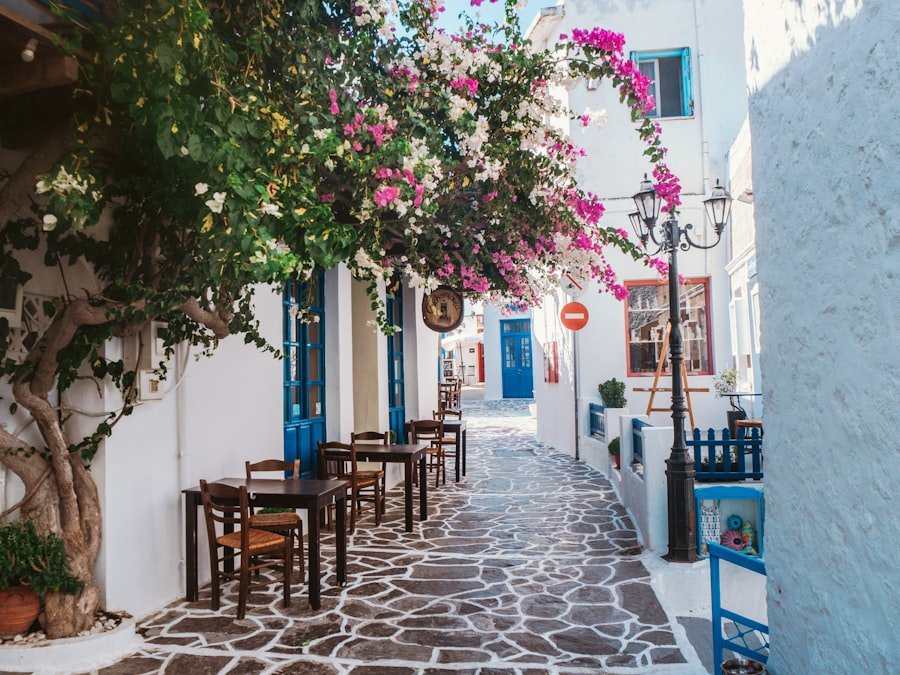
Greek festivals are a celebration of life, faith, and community, offering a glimpse into the heart of Greek culture. At NLS, students explore various festivals throughout the year, such as Easter celebrations and local village fairs. These events are characterised by lively music, traditional food, and communal activities that bring people together in joyous celebration.
Through discussions and activities centred around these festivals, students gain insight into the significance of rituals and traditions in Greek society. They learn how these celebrations reflect historical events, religious beliefs, and cultural values, enriching their understanding of what it means to be part of a community. This immersion into festival culture allows students to appreciate the vibrancy and warmth that characterises Greek life.
Philosophy and Thought: Tracing the Legacy of Greek Philosophical Ideas in Modern Society
Greek philosophy has laid the groundwork for much of Western thought, influencing fields such as ethics, politics, and science. At NLS, students engage with the works of philosophers like Socrates, Plato, and Aristotle, exploring their ideas and how they continue to resonate in contemporary discussions. This philosophical inquiry encourages critical thinking and reflection on fundamental questions about existence, morality, and governance.
The legacy of Greek philosophy is evident in modern educational systems and societal structures. By examining these connections at NLS, students gain a deeper appreciation for how ancient ideas shape current debates on ethics and human behaviour. This exploration fosters an intellectual curiosity that extends beyond language learning into broader philosophical discourse.
Religion and Mythology: Examining the Role of Greek Orthodox Christianity and Ancient Mythology in Contemporary Greece
Religion plays a significant role in shaping Greek identity, with Greek Orthodox Christianity being a cornerstone of cultural life. At NLS, students learn about the traditions and practices associated with this faith, including major religious holidays and rituals that mark important life events. Understanding these religious customs provides insight into the values that underpin Greek society.
In addition to Christianity, ancient mythology remains a vital part of Greece’s cultural fabric. The myths of gods and heroes continue to inspire literature, art, and popular culture today. Students at NLS explore these myths not only as stories but as reflections of human nature and societal values.
This dual examination of religion and mythology enriches their understanding of how these elements coexist within modern Greek culture.
Family and Social Life: Understanding the Importance of Family and Community in Greek Culture
Family is at the heart of Greek social life, serving as a source of support and identity for individuals within the community. At NLS, students explore the dynamics of family structures in Greece, learning about traditional roles and modern changes that have influenced family life over time. This exploration highlights how familial bonds shape social interactions and community cohesion.
Social gatherings are integral to Greek culture, with family celebrations often extending beyond immediate relatives to include friends and neighbours. Students engage in discussions about these communal practices, gaining insight into how relationships are nurtured through shared experiences. This understanding fosters a sense of connection to Greek culture that transcends language learning alone.
Sports and Recreation: Exploring the Love for Sports and Outdoor Activities in Greece
Greece has a rich sporting tradition that dates back to ancient times with the Olympic Games being one of its most celebrated contributions to global culture. At NLS, students learn about various sports that are popular in Greece today, including football (soccer), basketball, and water sports. The emphasis on physical activity reflects a broader cultural appreciation for health and well-being.
Outdoor activities are also an essential part of life in Greece due to its stunning landscapes and favourable climate. Students at NLS have opportunities to engage in discussions about hiking trails on Mount Olympus or sailing in the Aegean Sea. These recreational pursuits not only promote physical fitness but also foster a connection to nature that is deeply ingrained in Greek culture.
Embracing the Richness of Modern Greek Culture at NLS
In conclusion, studying at NLS provides an unparalleled opportunity to embrace the richness of modern Greek culture through its comprehensive courses on language, literature, art, cuisine, music, philosophy, religion, family life, sports, and more. The school’s commitment to integrating cultural exploration with language learning ensures that students leave with not only linguistic proficiency but also a profound appreciation for Greece’s historical significance and contemporary relevance. The emphasis on Greek courses at NLS allows students to engage deeply with this multifaceted culture while developing meaningful connections with their peers.
As they navigate through various aspects of Greek life—from culinary delights to philosophical debates—they cultivate a sense of belonging within a global community that values diversity and cultural exchange. Ultimately, NLS stands as a gateway for those eager to explore the vibrant world of modern Greece while mastering its beautiful language.
Ready to speak Greek? Enroll for Greek classes at the NLS Norwegian Language School in Oslo!




