

The French workday rhythm is a unique blend of structure and flexibility, reflecting the cultural values that underpin daily life in France. Unlike the rigid schedules often found in other countries, the French approach to work is characterised by a certain fluidity, allowing for both productivity and personal time. This rhythm is not merely about the hours spent in the office; it encompasses the entire experience of working in France, from the morning commute to the leisurely lunch breaks that punctuate the day.
Understanding this rhythm is essential for anyone looking to integrate into the French workforce or simply to appreciate the nuances of French culture. At the heart of this workday rhythm lies a deep respect for both work and leisure. The French have long believed that a balanced life leads to greater creativity and productivity.
This philosophy is evident in their approach to time management, where the emphasis is placed not just on getting the job done, but on doing so in a way that allows for personal fulfilment and enjoyment. As we delve deeper into the various aspects of the French workday, we will uncover how these elements come together to create a distinctive and enriching experience. Immerse yourself in the beauty of French. Begin your lessons today at the NLS Norwegian Language School in Oslo.
Summary
- The French workday rhythm is characterised by a strong emphasis on work-life balance and the importance of rest and relaxation.
- Navigating the Métro is an integral part of the French workday, with commuters embracing the hustle and bustle of the daily commute.
- The French work ethic, known as “boulot”, emphasises dedication, hard work, and a commitment to professional excellence.
- Embracing “dodo”, the French approach to rest and relaxation, is essential for maintaining productivity and well-being throughout the workday.
- Le déjeuner, the midday meal, holds significant importance in the French workday, providing a time for relaxation and socialisation.
The Métro: Navigating the Commute
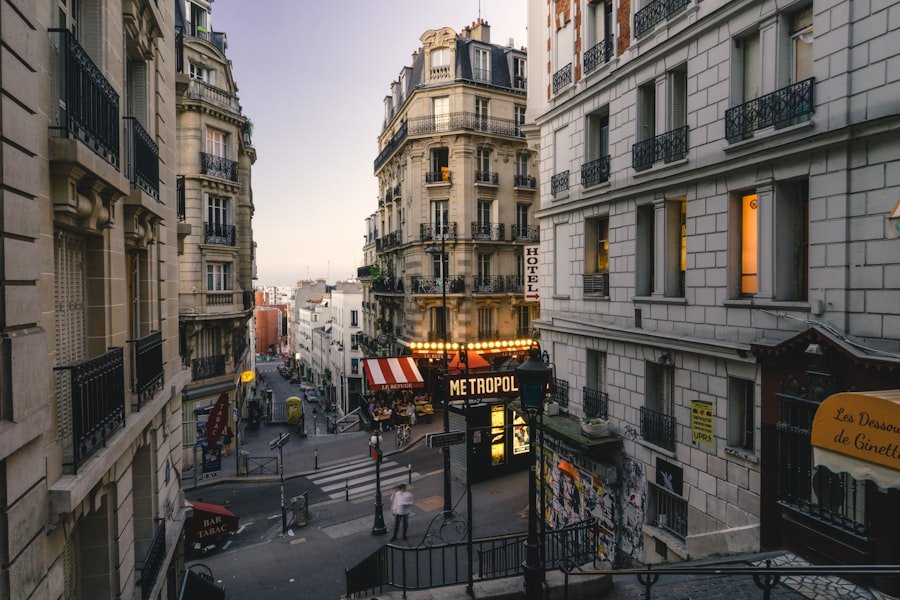
For many Parisians, the Métro is more than just a means of transport; it is an integral part of their daily routine. The underground system, with its intricate network of lines and stations, serves as a lifeline for commuters navigating the bustling city. The experience of travelling on the Métro is often a microcosm of life in Paris itself—vibrant, diverse, and occasionally chaotic.
As workers make their way to their offices, they are surrounded by a tapestry of fellow commuters, each with their own stories and destinations. The efficiency of the Métro allows for a relatively short commute, which is a significant advantage for many workers. Unlike in other cities where long travel times can drain energy and enthusiasm, the quick journeys on the Métro enable Parisians to arrive at work feeling refreshed and ready to tackle the day ahead.
Moreover, the commute often provides an opportunity for personal reflection or even a moment of solitude amidst the hustle and bustle. Whether it’s reading a book, listening to music, or simply observing the world go by, this time spent underground can be a valuable part of the French workday experience.
Boulot: Understanding the French Work Ethic

The term “boulot” is synonymous with work in France, but it carries with it a connotation that goes beyond mere employment. It embodies a sense of pride and dedication that many French workers feel towards their professions. The French work ethic is often characterised by a commitment to quality over quantity; it is not uncommon for employees to prioritise thoroughness and attention to detail over simply clocking in hours.
This approach fosters an environment where creativity and innovation can flourish, as workers are encouraged to take ownership of their tasks. In addition to this focus on quality, there is also a strong sense of camaraderie among colleagues in the French workplace. Teamwork and collaboration are highly valued, with many companies fostering an atmosphere where ideas can be freely exchanged.
This collective spirit not only enhances productivity but also contributes to a more enjoyable work environment. The French understand that work is not just about individual achievement; it is about contributing to a larger goal and supporting one another along the way.
Dodo: Embracing the French Approach to Rest and Relaxation
In stark contrast to the relentless hustle often seen in other cultures, the French place great importance on rest and relaxation. The term “dodo,” which colloquially refers to sleep or napping, highlights this cultural appreciation for downtime. In France, taking breaks throughout the day is not only accepted but encouraged.
Many workers find that stepping away from their desks for a short period allows them to recharge and return with renewed focus and energy. This emphasis on rest extends beyond mere naps; it encompasses a broader philosophy of life that values balance. The French believe that time spent away from work is just as important as time spent on tasks.
This perspective fosters a healthier work-life balance, allowing individuals to pursue hobbies, spend time with family, or simply enjoy leisure activities without guilt. By embracing this approach to relaxation, workers can maintain their well-being while also enhancing their productivity during working hours.
The Importance of the Midday Meal: Le Déjeuner
One of the most cherished aspects of the French workday is le déjeuner, or lunch. This meal is not merely a break from work; it is an event in itself, often lasting an hour or more. In France, lunch is seen as an opportunity to step away from professional responsibilities and indulge in good food and conversation.
Many workers take this time to enjoy meals with colleagues or friends, fostering social connections that are vital in both personal and professional spheres. The significance of le déjeuner extends beyond its social aspects; it also reflects the French commitment to quality cuisine. Meals are typically well-prepared and thoughtfully presented, showcasing seasonal ingredients and regional specialities.
This culinary focus not only nourishes the body but also provides a moment of pleasure amidst the demands of the workday. By prioritising this midday meal, French workers are able to return to their tasks feeling revitalised and inspired.
The Afternoon Slump: Navigating the Post-Lunch Lull
As any worker knows, the post-lunch period can often be challenging. The afternoon slump—a common phenomenon experienced by many—can lead to decreased productivity and focus. In France, this lull is acknowledged and often accommodated within the workday structure.
Rather than pushing through fatigue, many companies encourage employees to take short breaks or engage in light activities that can help re-energise them. Some workers may choose to take a brief walk outside or enjoy a cup of coffee during this time, allowing them to clear their minds before diving back into their tasks. This understanding of natural rhythms within the workday reflects a broader cultural acceptance of human limitations.
By recognising that productivity can ebb and flow throughout the day, French workplaces create an environment that supports well-being while still achieving results.
Work-Life Balance in France
The concept of work-life balance holds significant importance in France, where there is a strong cultural belief that personal life should not be sacrificed for professional success. This philosophy is deeply ingrained in societal norms and is reflected in various aspects of employment law and workplace practices. For instance, France has implemented regulations that limit working hours and promote paid leave, ensuring that employees have ample time for rest and leisure.
This commitment to balance extends beyond legal frameworks; it permeates everyday life as well. Many French workers prioritise their personal lives by engaging in hobbies, spending time with family, or simply enjoying leisurely pursuits after work hours. This holistic approach fosters not only individual well-being but also enhances overall job satisfaction and productivity.
By valuing both work and personal time equally, the French create a harmonious existence that benefits both employees and employers alike.
The Role of Coffee in the French Workday
Coffee holds a special place in the hearts of many French workers, serving as both a ritualistic pause during the day and a social connector among colleagues. The act of taking a coffee break—often referred to as “faire un café”—is an essential part of the French workday rhythm. It provides an opportunity for individuals to step away from their desks, engage in conversation with coworkers, and recharge before returning to their tasks.
In many offices across France, coffee breaks are seen as vital moments for fostering camaraderie and collaboration among team members. These informal gatherings allow for idea exchange and relationship building, which can ultimately enhance workplace dynamics. Moreover, coffee itself is often enjoyed in its finest form—whether it be an espresso at a local café or a carefully brewed cup at the office—reflecting the French appreciation for quality even in simple pleasures.
Understanding the Concept of “Le Pont”: The French Approach to Long Weekends
The concept of “le pont,” which translates to “the bridge,” refers to the practice of taking advantage of public holidays that fall close to weekends by extending them into long breaks. This cultural phenomenon highlights the French dedication to leisure and relaxation, allowing individuals to enjoy extended time off without sacrificing their annual leave entitlements. Le pont serves as an opportunity for families and friends to gather, travel, or simply unwind at home.
This approach underscores a broader societal value placed on taking time for oneself and enjoying life outside of work commitments. By embracing le pont, French workers can recharge their batteries and return to their jobs feeling refreshed and motivated. It reflects an understanding that downtime is essential for maintaining overall well-being and productivity in both personal and professional spheres.
The Impact of Technology on the French Workday
In recent years, technology has significantly transformed the landscape of work in France, introducing new tools and methods for communication and collaboration. While these advancements have undoubtedly increased efficiency and connectivity among teams, they have also raised questions about boundaries between work and personal life. The rise of remote working has blurred traditional lines, making it essential for individuals to navigate this new terrain thoughtfully.
Despite these challenges, many French companies are actively seeking ways to maintain their cultural values amidst technological changes. Initiatives promoting digital detoxes or encouraging employees to disconnect after hours reflect an ongoing commitment to preserving work-life balance even in an increasingly digital world. By finding ways to integrate technology while still honouring traditional practices, France continues to adapt its workday rhythm without losing sight of its core values.
Embracing the Rhythm of the French Workday
In conclusion, embracing the rhythm of the French workday offers valuable insights into how culture shapes our approach to work and life balance. From navigating commutes on the Métro to indulging in leisurely lunches and valuing rest periods throughout the day, each aspect contributes to a holistic understanding of what it means to work in France. The emphasis on quality over quantity fosters creativity while promoting camaraderie among colleagues.
For those interested in exploring this unique cultural perspective further—especially if you are considering learning French—the NLS Norwegian Language School in Oslo offers exceptional courses tailored specifically for those eager to immerse themselves in not just language but also cultural nuances like these. By enrolling in their French courses, you will gain insights into not only linguistic skills but also how these elements intertwine with daily life in France. Embrace this opportunity to deepen your understanding of both language and culture as you embark on your journey into the heart of French life!




