

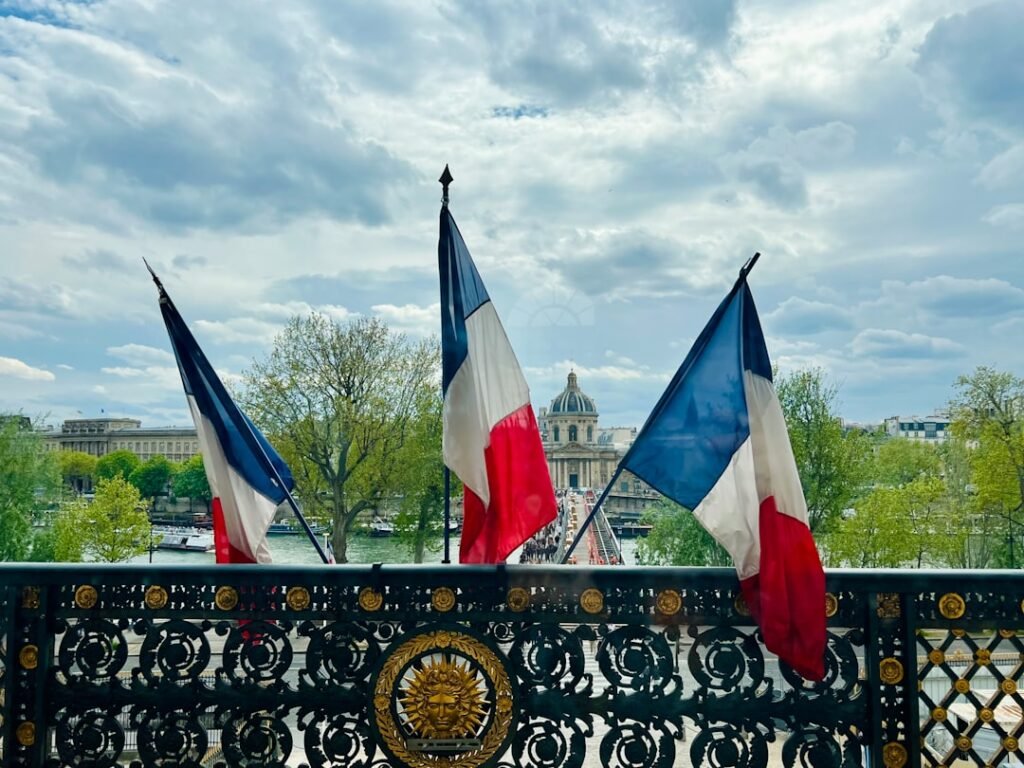
Learning French can significantly enhance your travel experience, particularly if you plan to visit France or other French-speaking regions. The language is not only a means of communication but also a gateway to understanding the rich culture, history, and traditions of the French-speaking world. When you speak the language, you can navigate through cities with ease, interact with locals, and immerse yourself in the authentic experiences that come with being able to converse in their native tongue.
This ability to communicate can transform a simple trip into a memorable adventure filled with genuine connections. Moreover, French is one of the most widely spoken languages globally, making it an invaluable asset for travellers. It is the official language in several countries across multiple continents, including parts of Africa, Canada, and the Caribbean.
By learning French, you not only prepare yourself for a trip to France but also open doors to exploring other Francophone destinations. This linguistic skill can lead to deeper cultural exchanges and a more enriching travel experience, allowing you to appreciate the nuances of each location you visit. Ready to say Bonjour to fluency? Your French journey starts at NLS Norwegian Language School. Enroll in a French class today!
Summary
- Learning French can greatly enhance your travel experience, allowing you to communicate with locals and immerse yourself in the culture.
- When choosing language classes in Oslo, consider factors such as class size, teaching methods, and the opportunity for immersive learning experiences.
- Setting realistic language learning goals is important to stay motivated and track your progress effectively.
- Immersing yourself in French culture through activities such as attending local events and trying traditional cuisine can greatly improve your language skills.
- Mastering practical vocabulary and phrases for travel, such as greetings, directions, and ordering food, is essential for navigating France with ease.
Choosing the Right Language Classes in Oslo
When it comes to learning French in Oslo, selecting the right language classes is crucial for your success. The NLS Norwegian Language School offers a variety of French courses tailored to different proficiency levels, from complete beginners to advanced speakers. Their experienced instructors employ engaging teaching methods that focus on practical language use, ensuring that students not only learn grammar and vocabulary but also how to apply them in real-life situations.
This approach is particularly beneficial for those who wish to travel, as it equips them with the necessary skills to communicate effectively while abroad. In addition to traditional classroom settings, NLS provides flexible learning options such as online courses and intensive workshops. This flexibility allows students to choose a format that best suits their schedules and learning preferences.
Furthermore, the school fosters a supportive environment where learners can practice speaking and listening skills with peers, enhancing their confidence in using the language. By choosing NLS for your French studies, you are investing in a comprehensive educational experience that prioritises both language proficiency and cultural understanding.
Setting Realistic Language Learning Goals
Setting realistic language learning goals is essential for maintaining motivation and tracking progress. When embarking on your journey to learn French, it is important to establish clear objectives that are achievable within a specific timeframe. For instance, you might aim to learn basic conversational phrases within the first month or focus on mastering essential vocabulary related to travel by the end of your course.
By breaking down your goals into manageable milestones, you can celebrate small victories along the way, which will keep you motivated and engaged. Additionally, it is vital to recognise that language learning is a gradual process that requires patience and persistence. Rather than expecting fluency overnight, embrace the journey and allow yourself time to absorb new information.
Regularly revisiting your goals and adjusting them as needed can help you stay on track and maintain a positive mindset. Remember that every bit of progress counts, and even small improvements in your language skills can significantly enhance your travel experiences.
Immersing Yourself in French Culture
To truly grasp the nuances of the French language, immersing yourself in its culture is invaluable. Engaging with French films, music, literature, and cuisine can provide context for the language you are learning and deepen your appreciation for its intricacies. For instance, watching French films with subtitles can help improve your listening skills while exposing you to colloquial expressions and cultural references that may not be covered in traditional language classes.
Similarly, listening to French music can enhance your pronunciation and rhythm while making the learning process enjoyable. Participating in cultural events or joining local French-speaking communities in Oslo can also enrich your understanding of the language. The NLS Norwegian Language School often organises cultural activities that allow students to experience French traditions firsthand.
These events may include cooking classes featuring classic French dishes or discussions about French literature and art. By actively engaging with the culture, you will not only improve your language skills but also develop a deeper connection to the people and places you will encounter during your travels.
Practical Vocabulary and Phrases for Travel
Equipping yourself with practical vocabulary and phrases is essential for navigating your travels in French-speaking countries. Focus on learning key phrases that will help you in everyday situations such as ordering food at a restaurant, asking for directions, or booking accommodations. For example, phrases like “Je voudrais” (I would like) or “Où est…?” (Where is…?) are fundamental for effective communication.
Additionally, familiarising yourself with numbers and common expressions related to travel can make interactions smoother and more enjoyable. It is also beneficial to create a travel-specific vocabulary list tailored to your itinerary. If you plan to visit museums, learn relevant terms related to art and history; if you’re heading to markets, focus on food-related vocabulary.
This targeted approach will not only make your conversations more relevant but also boost your confidence when speaking with locals. Remember that even a few well-placed phrases can go a long way in fostering goodwill and enhancing your overall travel experience.
Understanding French Etiquette and Customs
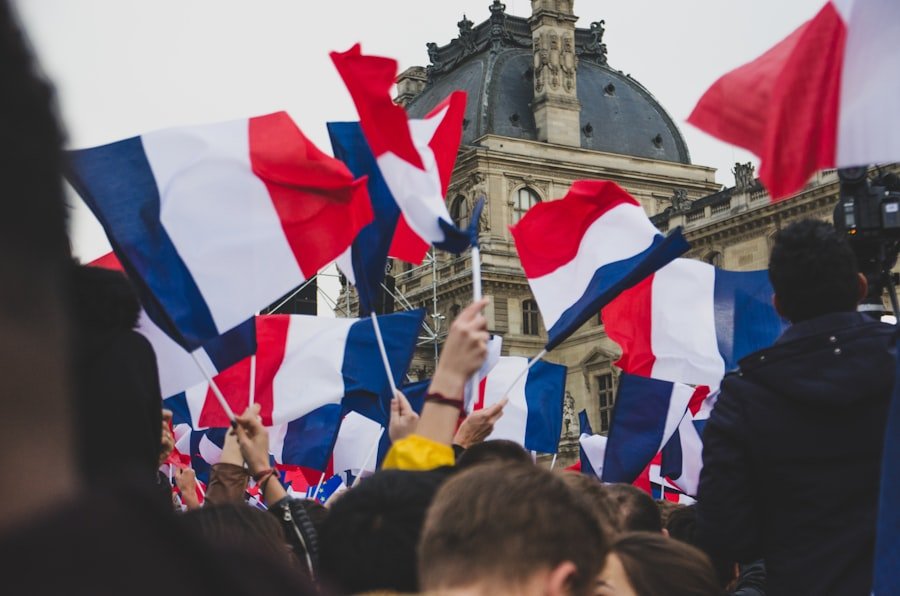
Understanding French etiquette and customs is crucial for making a positive impression during your travels. The French take great pride in their culture and social norms, so being aware of these nuances can help you navigate interactions more smoothly. For instance, greeting someone with “Bonjour” (Hello) before initiating a conversation is considered polite and respectful.
Additionally, using “s’il vous plaît” (please) and “merci” (thank you) demonstrates good manners and appreciation for the service provided. Moreover, dining etiquette in France is an essential aspect of the culture that travellers should be mindful of. Familiarising yourself with table manners—such as keeping your hands on the table (but not your elbows), waiting for everyone to be served before starting to eat, and using utensils properly—can enhance your dining experience.
Understanding these customs not only helps you avoid unintentional faux pas but also allows you to engage more meaningfully with locals during meals.
Overcoming Language Barriers in France
While learning French can significantly ease communication during your travels, it is important to acknowledge that language barriers may still arise. In such situations, patience and adaptability are key. If you find yourself struggling to express an idea or understand someone else, don’t hesitate to ask for clarification or rephrase your question.
Most locals appreciate the effort you are making to speak their language and will often be willing to help you find the right words. Additionally, employing non-verbal communication techniques can be incredibly effective when faced with language barriers. Gestures, facial expressions, and even drawing can convey meaning when words fail you.
Carrying a small phrasebook or using translation apps on your smartphone can also serve as helpful tools in overcoming communication challenges. Remember that making mistakes is part of the learning process; embrace these moments as opportunities for growth rather than sources of frustration.
Utilizing Language Apps and Resources
In today’s digital age, numerous language apps and online resources can complement your French studies effectively. Applications such as Duolingo, Babbel, or Rosetta Stone offer interactive lessons that cater to various learning styles and levels of proficiency. These platforms often include gamified elements that make learning enjoyable while allowing you to practice vocabulary and grammar at your own pace.
Furthermore, online forums and social media groups dedicated to language exchange can provide valuable opportunities for practice outside of formal classes. Engaging with native speakers through platforms like Tandem or HelloTalk allows you to refine your conversational skills while gaining insights into contemporary usage of the language. By utilising these resources alongside your coursework at NLS, you can create a well-rounded approach to mastering French.
Practicing Conversational French
Practising conversational French is essential for building confidence and fluency in the language. Engaging in regular conversations with fellow learners or native speakers can help reinforce what you’ve learned in class while providing real-world context for vocabulary and grammar rules. The NLS Norwegian Language School encourages students to participate in conversation clubs or language exchange meetups where they can practice speaking in a relaxed environment.
Additionally, consider finding a language partner who shares similar interests or goals. This partnership can provide mutual support as both individuals work towards improving their language skills. Whether through casual chats over coffee or structured study sessions focused on specific topics, consistent practice will help solidify your understanding of conversational nuances and improve your overall proficiency.
Preparing for Language Challenges While Travelling
As you prepare for your travels in French-speaking regions, it’s important to anticipate potential language challenges that may arise during your journey. From navigating public transportation systems to understanding menus at restaurants, being proactive about these situations can alleviate stress when they occur. Familiarising yourself with common phrases related to travel logistics—such as asking about train schedules or purchasing tickets—can empower you to handle these scenarios with confidence.
Moreover, consider creating a cheat sheet of essential phrases tailored specifically for your trip. This handy reference guide can serve as a quick reminder when faced with unfamiliar situations or conversations. By preparing yourself mentally for these challenges and equipping yourself with practical tools, you’ll be better positioned to enjoy your travels without being hindered by language barriers.
Making the Most of Your Trip with Language Skills
Ultimately, mastering the French language will allow you to make the most of your trip by fostering deeper connections with locals and enhancing your overall experience. Engaging in conversations with residents can lead to discovering hidden gems—such as quaint cafés or lesser-known attractions—that may not be found in guidebooks. Additionally, being able to ask questions about local customs or recommendations will enrich your understanding of the culture.
Furthermore, speaking the language opens doors to authentic experiences that go beyond typical tourist activities. Whether it’s participating in local festivals or joining community events, having conversational skills enables you to immerse yourself fully in the culture around you. As you navigate through France or other Francophone regions with newfound confidence in your language abilities, you’ll find that each interaction becomes an opportunity for connection and discovery—transforming your travels into unforgettable memories filled with meaningful encounters.




