


Leading meetings in Norwegian can be a rewarding yet challenging experience, especially for those who are not native speakers. The ability to conduct a meeting effectively requires not only a good command of the language but also an understanding of cultural nuances and business etiquette. In Norway, meetings are often characterised by a flat hierarchy, where every participant is encouraged to contribute their thoughts and ideas.
This democratic approach fosters an environment of collaboration and innovation, making it essential for leaders to facilitate discussions in a way that respects this cultural norm. Moreover, leading meetings in Norwegian involves more than just linguistic proficiency; it requires a strategic mindset. Leaders must be adept at guiding conversations, ensuring that objectives are met while also maintaining a positive atmosphere.
This article will explore the various aspects of leading meetings in Norwegian, from setting objectives to following up after the meeting, providing practical tips and insights to enhance your effectiveness as a meeting leader. Advance your career in Norway. Enroll in Business Norwegian at the NLS Norwegian Language School today.
Summary
- Leading meetings in Norwegian requires understanding the cultural and linguistic nuances of the Norwegian workplace.
- Setting clear objectives for the meeting is essential to ensure that everyone is on the same page and working towards a common goal.
- Preparing an agenda in Norwegian helps to keep the meeting focused and ensures that all necessary topics are covered.
- Inviting participants in Norwegian should be done with clear and concise communication, including all relevant details such as time, location, and purpose of the meeting.
- Starting the meeting in Norwegian sets the tone for the rest of the discussion and helps to create a professional and inclusive atmosphere.
Setting Objectives for the Meeting
Setting clear objectives is a fundamental step in ensuring that a meeting is productive and focused. In Norwegian, this involves articulating the purpose of the meeting in a way that resonates with all participants. Objectives should be specific, measurable, achievable, relevant, and time-bound (SMART).
For instance, instead of stating that the goal is to “discuss project updates,” a more effective objective would be “to review the progress of Project X and identify any roadblocks by the end of the meeting.” This clarity helps participants understand what is expected of them and keeps the discussion on track. In addition to clarity, it is crucial to communicate these objectives in a manner that engages participants. Using inclusive language and inviting input can foster a sense of ownership among attendees.
For example, you might say, “I would like us to collaboratively explore how we can overcome the challenges we are facing with Project
Preparing an Agenda in Norwegian
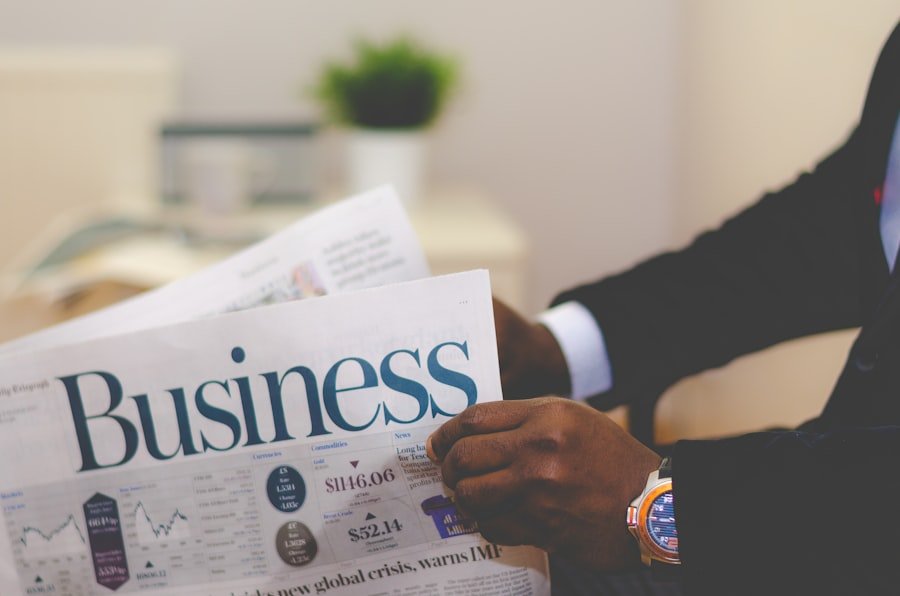
An agenda serves as the backbone of any meeting, providing structure and guiding the flow of discussion. When preparing an agenda in Norwegian, it is important to ensure that it is comprehensive yet concise. Each item should be clearly defined, with allocated time slots to keep the meeting on schedule.
For example, you might structure your agenda as follows: “1. Welcome and Introductions (5 minutes), 2. Review of Previous Minutes (10 minutes), 3.
Project Updates (30 minutes), 4. Discussion on Challenges (20 minutes), 5. Action Items (15 minutes), 6.
Closing Remarks (5 minutes).” Furthermore, sharing the agenda with participants ahead of time allows them to prepare adequately for the meeting. This practice not only demonstrates professionalism but also respects the time and contributions of all attendees. In your communication, you might say, “Vennligst se vedlagt agenda for møtet vårt på fredag,” which translates to “Please see the attached agenda for our meeting on Friday.” This simple act can significantly enhance the effectiveness of your meeting.
Inviting Participants in Norwegian
Inviting participants to a meeting is an essential step that sets the tone for engagement and collaboration. When crafting invitations in Norwegian, it is important to be polite and clear about the meeting’s purpose and details. A well-structured invitation should include the date, time, location (or virtual link), and agenda highlights.
For instance, you might write, “Vi inviterer deg til et møte om prosjektoppdateringer den 15. mars kl. 10:00 i møterom A,” meaning “We invite you to a meeting about project updates on March 15th at 10:00 in meeting room A.” Additionally, personalising invitations can enhance participation rates and foster a sense of importance among invitees.
A simple addition such as “Vi setter stor pris på din deltakelse” (We greatly appreciate your participation) can make recipients feel valued and more inclined to attend. It is also advisable to follow up with participants closer to the meeting date to confirm their attendance and address any questions they may have.
Starting the Meeting in Norwegian
The way a meeting begins can significantly influence its overall effectiveness. Starting a meeting in Norwegian involves not only greeting participants but also setting a positive tone for the discussions ahead. A warm welcome can help participants feel comfortable and engaged right from the outset.
You might begin with a phrase like “Velkommen alle sammen! Takk for at dere kunne komme,” which translates to “Welcome everyone! Thank you for being here.” After welcoming participants, it is essential to briefly outline the agenda and objectives of the meeting.
This helps set expectations and provides a roadmap for what will be discussed. You could say, “I dag skal vi fokusere på prosjektoppdateringer og diskutere eventuelle utfordringer vi står overfor,” meaning “Today we will focus on project updates and discuss any challenges we are facing.” By clearly stating what will be covered, you create a framework that guides participants through the meeting.
Facilitating Discussions in Norwegian
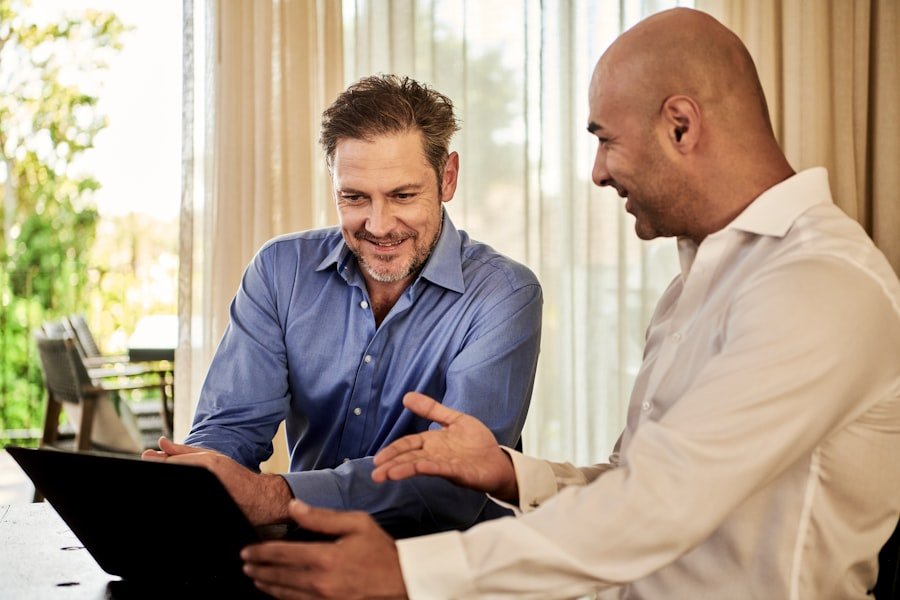
Facilitating discussions effectively in Norwegian requires not only language skills but also an understanding of group dynamics. As a leader, your role is to encourage participation while ensuring that discussions remain focused on the objectives set at the beginning of the meeting. One effective technique is to ask open-ended questions that invite input from all participants.
For example, you might ask, “Hva tenker dere om de utfordringene vi har identifisert?” which translates to “What do you think about the challenges we have identified?” Additionally, it is important to actively listen and acknowledge contributions from participants. This can be done by paraphrasing their points or asking follow-up questions to delve deeper into their ideas. For instance, if someone raises a concern about project timelines, you could respond with, “Det er et godt poeng; kan du utdype hva du mener med tidslinjene?” meaning “That’s a good point; can you elaborate on what you mean by the timelines?” This approach not only validates their input but also encourages further discussion.
Managing Conflicts and Challenges in Norwegian
Conflicts may arise during meetings, particularly when discussing differing opinions or challenging topics. Managing these conflicts effectively in Norwegian requires diplomacy and tact. It is essential to remain calm and composed while addressing disagreements.
Acknowledging differing viewpoints can help diffuse tension; for example, you might say, “Jeg forstår at vi har forskjellige meninger om dette,” which means “I understand that we have different opinions on this.” When conflicts arise, it is beneficial to steer the conversation towards finding common ground or solutions rather than allowing it to escalate. Encouraging participants to express their thoughts respectfully can foster a collaborative atmosphere. You could suggest, “La oss prøve å finne en løsning som alle kan være enige om,” meaning “Let’s try to find a solution that everyone can agree on.” This approach not only resolves conflicts but also reinforces a culture of teamwork.
Assigning Action Items in Norwegian
Assigning action items is a critical component of any meeting, ensuring that discussions lead to tangible outcomes. When assigning tasks in Norwegian, clarity is paramount. Each action item should specify who is responsible for completing it and set deadlines for accountability.
For instance, you might say, “Kari vil ta ansvar for å oppdatere prosjektplanen innen fredag,” which translates to “Kari will be responsible for updating the project plan by Friday.” It is also helpful to summarise action items at the end of the meeting to reinforce accountability and ensure everyone is on the same page. You could conclude with a statement like, “For å oppsummere: Kari oppdaterer prosjektplanen, og Lars vil sende ut en oppdatering til teamet innen mandag,” meaning “To summarise: Kari will update the project plan, and Lars will send out an update to the team by Monday.” This practice not only clarifies responsibilities but also enhances follow-through on commitments made during the meeting.
Summarising and Closing the Meeting in Norwegian
As the meeting draws to a close, summarising key points discussed is essential for reinforcing understanding and ensuring clarity among participants. In Norwegian, this involves recapping decisions made, action items assigned, and any important insights shared during discussions. A concise summary helps solidify what has been accomplished and sets the stage for future meetings or follow-ups.
When closing the meeting, it is important to express gratitude for participants’ contributions and engagement. You might say, “Takk for deres deltakelse og verdifulle innspill i dag,” which translates to “Thank you for your participation and valuable input today.” Ending on a positive note encourages continued collaboration and leaves participants feeling appreciated.
Following Up After the Meeting in Norwegian
Following up after a meeting is crucial for maintaining momentum and ensuring that action items are completed as agreed upon. In Norwegian business culture, timely follow-up demonstrates professionalism and commitment to achieving goals. Sending out minutes or a summary of the meeting can serve as a reminder of what was discussed and what needs to be done.
In your follow-up communication, it is helpful to reiterate action items along with deadlines and responsible parties. You could write something like, “Som avtalt i møtet vårt i går: Kari vil oppdatere prosjektplanen innen fredag,” meaning “As agreed in our meeting yesterday: Kari will update the project plan by Friday.” This reinforces accountability while also providing clarity on next steps.
Tips for Effective Communication in Norwegian Meetings
Effective communication during meetings in Norwegian hinges on several key principles that enhance understanding and collaboration among participants. Firstly, using clear and straightforward language is vital; avoid jargon or overly complex phrases that may confuse attendees who are not fluent in Norwegian. Instead, opt for simple expressions that convey your message succinctly.
Secondly, non-verbal communication plays an important role in conveying messages effectively. Maintaining eye contact, using appropriate gestures, and being mindful of your body language can significantly impact how your message is received. Additionally, being aware of cultural differences in communication styles can help you navigate discussions more smoothly.
Lastly, consider enrolling in Business Norwegian courses at NLS Norwegian Language School in Oslo if you wish to enhance your language skills further. These courses are tailored specifically for professionals looking to improve their communication abilities within a business context. With expert instructors and immersive learning experiences, NLS provides an excellent opportunity to gain confidence in leading meetings effectively in Norwegian while understanding cultural nuances that are crucial for success in Norway’s business environment.
In conclusion, leading meetings in Norwegian requires careful preparation, effective communication skills, and an understanding of cultural dynamics within the workplace. By setting clear objectives, preparing structured agendas, facilitating discussions thoughtfully, managing conflicts diplomatically, assigning action items clearly, summarising effectively at the end of meetings, and following up diligently afterward—one can ensure productive outcomes that align with organisational goals while fostering collaboration among team members.




