

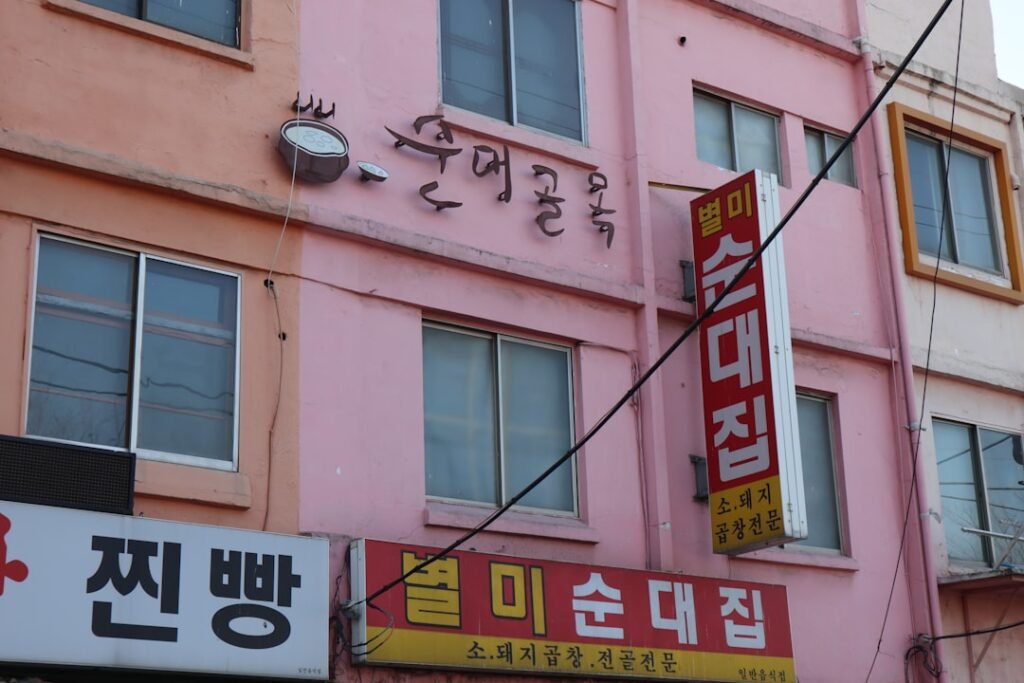
In Korea, small talk serves as a vital social lubricant, facilitating connections and easing interactions among individuals. Among the myriad of topics that can be broached, the weather stands out as a particularly significant subject. Discussing the weather is not merely a way to fill silence; it is a cultural norm that reflects the Korean penchant for politeness and consideration.
The weather is a universally relatable topic, making it an ideal starting point for conversations, especially with acquaintances or strangers. Moreover, the weather in Korea can be quite variable, with distinct seasons that bring about dramatic changes in temperature and conditions. This variability provides a rich tapestry of experiences to discuss, from the sweltering heat of summer to the biting cold of winter.
As such, conversations about the weather can serve as a bridge to deeper discussions about personal experiences, preferences, and even cultural practices related to seasonal changes. In this way, the weather becomes a gateway to understanding not just the climate but also the social fabric of Korean life. Start learning Korean at the NLS Norwegian Language School in Oslo now!
Summary
- Weather is an important topic in Korean small talk, often used as a conversation starter and to build relationships.
- Common phrases for discussing the weather in Korean include “오늘 날씨 어때요?” (How’s the weather today?) and “덥다” (It’s hot).
- Weather affects daily life in Korea, influencing clothing choices, outdoor activities, and even mood and energy levels.
- Using the weather as a conversation starter in Korea is a polite and effective way to engage in small talk and build rapport.
- Polite ways to comment on the weather in Korean include using formal language and showing consideration for the other person’s experience.
Common Phrases for Discussing the Weather in Korean
When engaging in small talk about the weather in Korean, it is essential to be familiar with some common phrases that can facilitate these conversations. One of the most straightforward expressions is “날씨가 좋네요” (nalssiga johneyo), which translates to “The weather is nice.” This phrase can be used in various contexts, whether you are commenting on a sunny day or simply acknowledging pleasant conditions. Another useful phrase is “비가 오네요” (biga oneyo), meaning “It is raining.” Such expressions are not only practical but also serve as polite acknowledgments of the current weather situation.
Additionally, Koreans often use phrases that reflect their feelings about the weather. For instance, “너무 덥네요” (neomu deobneyo) means “It is very hot,” which can lead to discussions about how people cope with the heat, such as seeking shade or enjoying cold beverages. Similarly, “춥네요” (chupneyo) translates to “It is cold,” prompting conversations about winter clothing or seasonal activities like skiing.
Mastering these phrases can significantly enhance one’s ability to engage in meaningful small talk about the weather in Korea.
How Weather Affects Daily Life in Korea
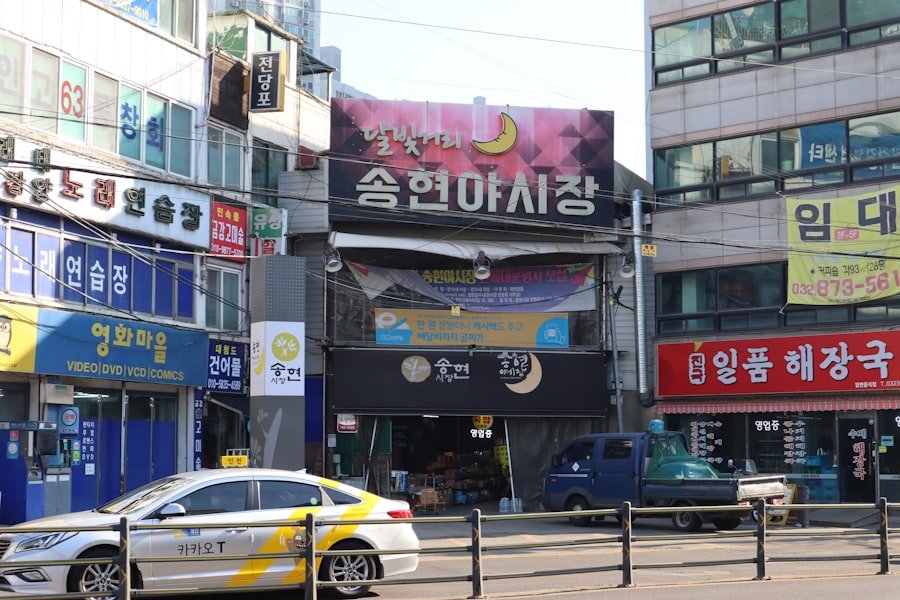
The impact of weather on daily life in Korea cannot be overstated. The country experiences four distinct seasons: spring, summer, autumn, and winter, each bringing its own set of challenges and joys. For instance, during the summer months, high humidity and temperatures can affect daily routines, leading many Koreans to seek refuge in air-conditioned spaces or enjoy seasonal treats like bingsu (shaved ice).
Conversely, winter brings frigid temperatures that necessitate heavy clothing and can influence social activities, as people often prefer indoor gatherings over venturing out into the cold. Moreover, the changing seasons dictate various cultural practices and festivals throughout the year. Spring heralds cherry blossom festivals, while autumn is celebrated with harvest festivals and vibrant foliage.
These seasonal events are often tied to the weather and provide opportunities for social interaction and community bonding. Thus, understanding how weather influences daily life in Korea enriches one’s appreciation of the cultural landscape and enhances conversational depth when discussing these topics.
Using the Weather as a Conversation Starter in Korea
In Korea, initiating a conversation with a comment about the weather is a common practice that can help break the ice in various social settings. Whether at work, school, or even casual gatherings, mentioning the weather can create an immediate connection between individuals. For example, if you find yourself waiting for a bus on a chilly day, saying something like “오늘 날씨가 정말 춥네요” (oneul nalssiga jeongmal chupneyo) – “The weather is really cold today” – can prompt others to share their thoughts or experiences related to the cold.
This approach is particularly effective because it invites others to engage without requiring them to divulge personal information right away. It creates a comfortable atmosphere where people can express their feelings about the weather and share anecdotes related to it. As conversations progress from this initial comment, they can naturally evolve into discussions about personal preferences for different seasons or favourite activities associated with specific weather conditions.
Polite Ways to Comment on the Weather in Korean
Politeness is a cornerstone of Korean communication, and this extends to comments about the weather as well. When discussing the weather, using polite language is essential to convey respect and consideration for others. Phrases such as “날씨가 좋으시네요” (nalssiga joheusinneyo) – “The weather is nice for you” – exemplify this politeness by acknowledging the listener’s experience rather than simply stating an observation.
Additionally, Koreans often use indirect expressions when discussing unpleasant weather conditions. Instead of bluntly stating that it is too hot or too cold, one might say “조금 더운 것 같아요” (jogeum deoun geot gatayo) – “It seems a bit hot,” which softens the statement and makes it more palatable. This approach not only reflects cultural norms but also fosters a more congenial atmosphere for conversation.
Weather-related Etiquette in Korean Small Talk
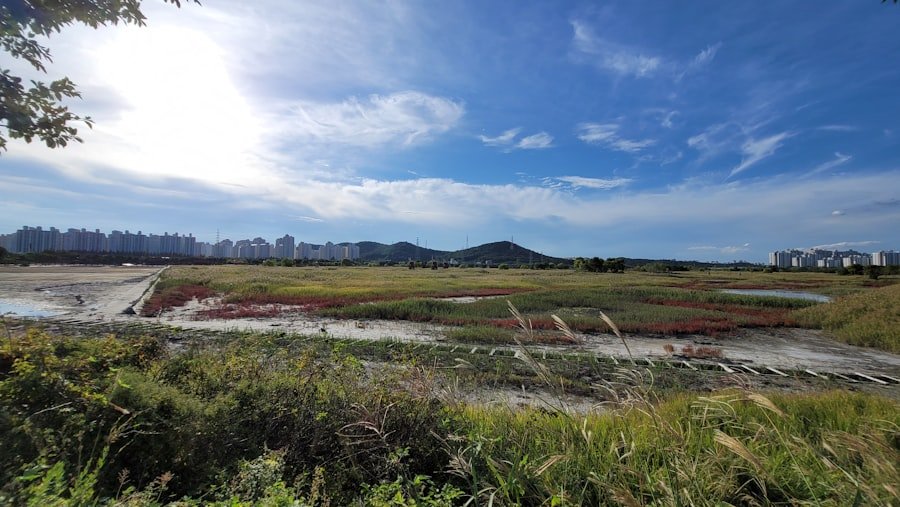
In Korean culture, etiquette plays a significant role in social interactions, including small talk about the weather. When engaging in such discussions, it is important to be mindful of context and audience. For instance, while it may be appropriate to comment on a sunny day with friends or peers, doing so in a formal setting may require more reserved language and tone.
Furthermore, Koreans often appreciate when others show genuine interest in their experiences related to the weather. Asking follow-up questions such as “이 더위에 어떻게 지내세요?” (i deohwie eotteoke jinaeseyo?) – “How are you managing in this heat?” – demonstrates consideration and encourages deeper engagement. This level of attentiveness not only enhances the quality of conversation but also strengthens interpersonal relationships.
Weather-related Superstitions and Beliefs in Korea
Korean culture is rich with superstitions and beliefs that often intertwine with natural phenomena like weather patterns. For instance, many Koreans believe that certain types of weather can influence fortune or health. A common belief is that rainy days are associated with sadness or misfortune; thus, people may express concern when rain is forecasted for significant events like weddings or festivals.
Additionally, there are traditional sayings related to specific weather conditions that reflect cultural attitudes towards nature. For example, “비 오는 날은 사랑이 온다” (bi oneun nareun salangi onda) translates to “Love comes on rainy days,” suggesting that rain can create romantic atmospheres. Such beliefs add layers of meaning to conversations about the weather and provide opportunities for sharing cultural insights during small talk.
How to Respond to Weather-related Small Talk in Korean
Responding appropriately to comments about the weather is crucial for maintaining engaging conversations in Korean culture. When someone mentions the weather, acknowledging their comment with enthusiasm can foster a positive exchange. For instance, if someone says “오늘 날씨가 정말 좋네요” (oneul nalssiga jeongmal johneyo) – “The weather is really nice today,” responding with “네, 정말 그래요!” (ne, jeongmal geuraeyo!) – “Yes, it really is!” – shows agreement and encourages further discussion.
Moreover, sharing personal experiences related to the weather can enrich the conversation. If someone mentions how hot it is outside, you might respond with “저도 더위 때문에 힘들어요” (jeodo deowi ttaemune himdeureoyo) – “I am struggling because of the heat too.” This not only validates their feelings but also opens up avenues for discussing coping strategies or favourite summer activities.
Using Weather-related Small Talk to Build Relationships in Korea
Engaging in small talk about the weather can serve as an effective tool for building relationships in Korea. By initiating conversations around this universally relatable topic, individuals can create a sense of camaraderie and shared experience. This is particularly important in professional settings where establishing rapport can lead to better collaboration and teamwork.
Furthermore, discussing the weather allows individuals to share personal anecdotes that reveal aspects of their personalities and lifestyles. For example, talking about how one enjoys hiking during autumn can lead to invitations for group outings or shared interests in outdoor activities. Such exchanges foster connections that extend beyond mere pleasantries and contribute to lasting friendships.
Weather-related Small Talk in Different Seasons in Korea
Each season in Korea presents unique opportunities for small talk centred around the weather. In spring, conversations may revolve around cherry blossoms and mild temperatures; phrases like “벚꽃이 피었어요” (beotkkot-i pieosseoyo) – “The cherry blossoms have bloomed” – are common as people share their excitement about seasonal beauty. Summer brings discussions about heatwaves and monsoon rains; comments like “장마철이네요” (jangmacheori-neyo) – “It’s monsoon season” – can lead to exchanges about coping mechanisms during heavy rainfall or favourite summer foods.
Autumn shifts focus to vibrant foliage and cooler temperatures; phrases such as “단풍이 아름다워요” (danpung-i areumdawoyo) – “The autumn leaves are beautiful” – encourage appreciation of nature’s changes. Finally, winter prompts conversations about snow and cold; remarks like “눈이 많이 와요” (nuni mani wayo) – “It’s snowing a lot” – can lead to discussions about winter sports or holiday traditions. Each season offers rich conversational material that reflects both personal experiences and cultural practices.
How to Transition from Weather Talk to Other Topics in Korean Conversations
Transitioning from small talk about the weather to other topics requires finesse and attentiveness to conversational cues. After discussing the current conditions or seasonal changes, one might segue into related subjects by asking open-ended questions that invite further dialogue. For instance, after commenting on a beautiful spring day, you could ask, “봄에 어떤 활동을 좋아하세요?” (bome eotteon hwaldongeul joahaseyo?) – “What activities do you enjoy in spring?” This approach not only maintains the flow of conversation but also encourages sharing personal interests and experiences that may lead to deeper discussions about hobbies or travel plans.
Additionally, if someone mentions enjoying outdoor activities during pleasant weather, you could pivot by asking about their favourite places to visit during different seasons or any upcoming plans they might have. In conclusion, small talk about the weather holds significant cultural importance in Korea as it serves as an accessible entry point for social interactions. By mastering common phrases and understanding etiquette surrounding these discussions, individuals can enhance their conversational skills while building meaningful relationships within Korean society.
The NLS Norwegian Language School in Oslo offers comprehensive Korean courses that delve into these nuances of language and culture, equipping learners with essential tools for effective communication in various contexts. Whether you are looking to engage in casual conversations or deepen your understanding of Korean culture through language learning, NLS provides an excellent platform for your journey into mastering Korean small talk and beyond.
Register for a Korean class at the NLS Norwegian Language School now!




