

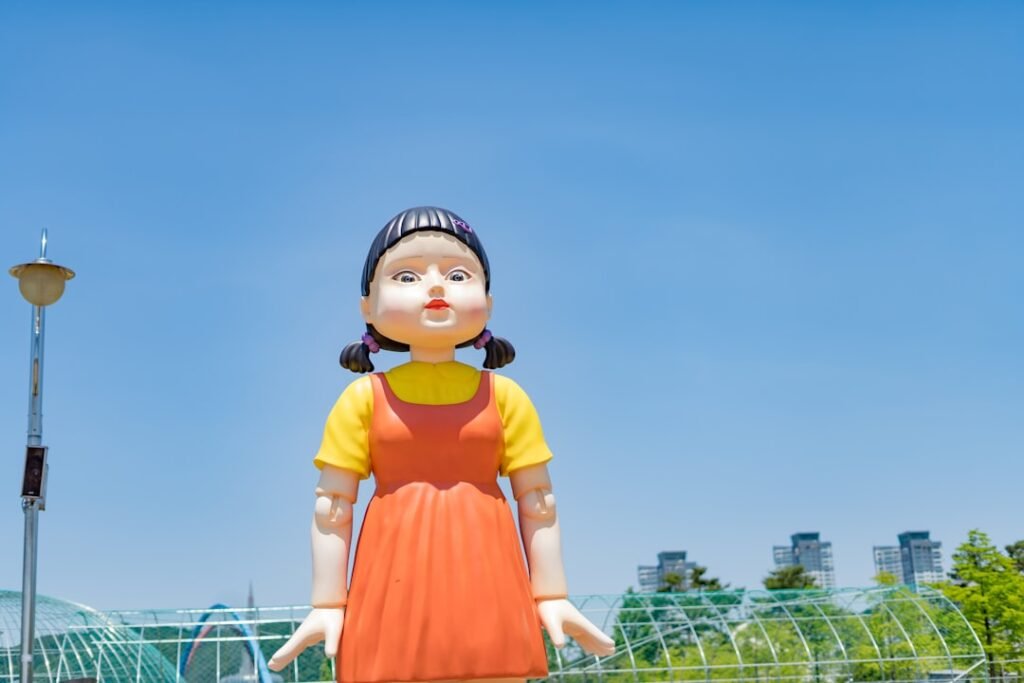
In recent years, Korean cinema and television dramas, commonly referred to as K-dramas, have gained immense popularity across the globe. This surge in interest has not only introduced audiences to captivating storytelling and unique cultural nuances but has also sparked a desire to engage in discussions about these artistic forms in the Korean language. For those keen on delving deeper into the world of Korean films and dramas, mastering essential phrases and vocabulary is crucial.
This article aims to provide a comprehensive guide to Korean phrases that will enhance your ability to discuss movies and K-dramas, making your conversations more engaging and insightful. As you embark on this linguistic journey, it is important to remember that language is not merely a tool for communication; it is a gateway to understanding culture. By learning how to express your thoughts on films and dramas in Korean, you will not only improve your language skills but also gain a richer appreciation of the narratives and themes that resonate within Korean media.
Whether you are a seasoned K-drama enthusiast or a newcomer eager to explore this vibrant world, this guide will equip you with the necessary phrases and expressions to articulate your thoughts effectively. Start learning Korean at the NLS Norwegian Language School in Oslo now!
Summary
- Korean phrases are essential for discussing movies and K-Dramas, as they add depth and authenticity to conversations.
- Basic greetings and expressions in Korean are crucial for engaging in discussions about movies and K-Dramas with native speakers.
- Describing plot and characters in Korean allows for a more detailed and immersive conversation about movies and K-Dramas.
- Expressing opinions and reviews in Korean adds a personal touch to discussions about movies and K-Dramas.
- Asking for recommendations in Korean opens up opportunities to discover new and exciting movies and K-Dramas.
Basic Greetings and Expressions for Discussing Movies and K-Dramas
To initiate a conversation about movies or K-dramas in Korean, it is essential to start with some basic greetings and expressions. A simple yet effective way to begin is by saying “안녕하세요” (annyeonghaseyo), which means “hello.” This polite greeting sets a friendly tone for your discussion. Following this, you might want to ask someone if they have seen a particular film or drama by saying “이 영화/드라마 봤어요?” (i yeonghwa/deurama bwasseoyo?), translating to “Have you seen this movie/drama?” Once the conversation is underway, you can express your excitement or interest by using phrases like “정말 재밌어요!” (jeongmal jaemisseoyo!), meaning “It’s really fun!” or “너무 감동적이에요!” (neomu gamdongjeogieyo!), which translates to “It’s so touching!” These expressions not only convey your enthusiasm but also invite others to share their thoughts and feelings about the film or drama in question.
Describing Plot and Characters in Korean

When discussing the plot and characters of a movie or K-drama, it is important to have the right vocabulary at your disposal. To describe the plot, you can use phrases such as “이야기가 흥미로워요” (iyagiga heungmirowoyo), meaning “The story is interesting,” or “전개가 예측할 수 없어요” (jeongaega yecheukhal su eobseoyo), which translates to “The development is unpredictable.” These phrases help convey your impressions of the narrative structure and its ability to engage viewers. In addition to discussing the plot, describing characters is equally vital.
You might say “주인공이 매력적이에요” (juingongi maeryeokjeogieyo), meaning “The main character is charming,” or “악당이 정말 무서워요” (akdang-i jeongmal museowoyo), which translates to “The villain is really scary.” By using these expressions, you can provide a more nuanced analysis of the characters’ traits and their impact on the overall story.
Expressing Opinions and Reviews in Korean
Expressing opinions about films and dramas is an integral part of any discussion. In Korean, you can share your thoughts by using phrases like “저는 이 영화가 좋았어요” (jeoneun i yeonghwa-ga joasseoyo), meaning “I liked this movie,” or “이 드라마는 별로였어요” (i deurama-neun byeolloyeosseoyo), which translates to “This drama was not great.” These expressions allow you to articulate your personal views while also encouraging others to share theirs. Moreover, if you wish to provide a more detailed review, consider using phrases such as “연출이 뛰어나요” (yeonchul-i ttwieonayo), meaning “The direction is excellent,” or “배우들의 연기가 인상적이에요” (baeu-deul-ui yeongi-ga insangjeogieyo), which translates to “The actors’ performances are impressive.” By incorporating these phrases into your discussions, you can elevate the conversation and engage in more meaningful exchanges about the artistic elements of the films and dramas.
Asking for Recommendations in Korean
Asking for recommendations is a great way to discover new films and dramas while also practising your Korean language skills. You can initiate this by saying “추천해 줄 수 있어요?” (chucheonhae jul su isseoyo?), which means “Can you recommend something?” This phrase opens the door for others to share their favourite titles with you. To make your request more specific, you might add details about what you’re looking for.
For instance, if you’re interested in romantic comedies, you could say “로맨틱 코미디 추천해 주세요” (romaentik komidi chucheonhae juseyo), meaning “Please recommend a romantic comedy.” This specificity not only helps others understand your preferences but also encourages them to engage more deeply in the conversation.
Understanding Korean Film and Drama Terminology

To discuss movies and K-dramas effectively, familiarising yourself with specific terminology is essential. Terms like “장르” (jangreu) meaning “genre,” “시청률” (sichyeongnyul) translating to “viewership ratings,” and “상영시간” (sangyeongsigan) meaning “running time” are fundamental when analysing films and dramas. Understanding these terms will enable you to engage in more informed discussions.
Additionally, knowing how to refer to different aspects of filmmaking can enhance your conversations. For example, you might use “각본” (gakbon) for “script,” “촬영” (chwaryeong) for “filming,” or “편집” (pyeonjip) for “editing.” By incorporating these terms into your discussions, you will demonstrate a deeper understanding of the filmmaking process and enrich your conversations with fellow enthusiasts.
Discussing Korean Actors and Actresses
Korean cinema boasts a plethora of talented actors and actresses who have made significant contributions to the industry. When discussing specific performers, it is helpful to know how to express admiration for their work. You might say “이 배우는 정말 연기가 뛰어나요” (i baeu-neun jeongmal yeongi-ga ttwieonayo), meaning “This actor/actress is truly outstanding,” or “그의 연기는 항상 감동적이에요” (geu-ui yeongi-neun hangsang gamdongjeogieyo), which translates to “His performance is always touching.” Furthermore, discussing an actor’s filmography can lead to engaging conversations.
You could ask, “그 배우의 다른 작품도 봤어요?” (geu baeu-ui dareun jakpum-do bwasseoyo?), meaning “Have you seen other works by that actor?” This question not only shows your interest in their career but also encourages others to share their insights on various roles played by the actor or actress in question.
Using Korean Slang and Colloquialisms in Film and Drama Conversations
Incorporating slang and colloquial expressions into your discussions can make your conversations feel more natural and relatable. For instance, using terms like “짱” (jjang) meaning “awesome” or “대박” (daebak) translating to “amazing” can add a fun element to your dialogue. These expressions are often used among younger audiences and can help you connect with fellow fans on a more casual level.
Additionally, understanding colloquial phrases related to film discussions can enhance your conversational skills. For example, saying “이 드라마는 진짜 대박이에요!” (i deurama-neun jinjja daebak-ieyo!) means “This drama is really amazing!” Such expressions not only convey enthusiasm but also reflect a deeper understanding of contemporary Korean culture.
Exploring Emotions and Feelings in Korean Movies and K-Dramas
Korean films and dramas are renowned for their emotional depth, often exploring complex feelings that resonate with viewers. When discussing emotions portrayed in these works, it is important to have the right vocabulary at hand. Phrases like “슬퍼요” (seulpeoyo) meaning “It’s sad,” or “행복해요” (haengbokhaeyo) translating to “It’s happy,” can help articulate your emotional responses.
Moreover, discussing how certain scenes evoke feelings can lead to profound conversations. You might say, “그 장면은 정말 감동적이었어요” (geu jangmyeon-eun jeongmal gamdongjeogieosseoyo), meaning “That scene was truly touching.” By expressing your emotional reactions in this way, you invite others to share their experiences and interpretations of the same moments.
Talking About Themes and Symbolism in Korean Films and Dramas
Themes and symbolism play a crucial role in enriching narratives within Korean cinema and television. Engaging in discussions about these elements can deepen your understanding of the works being analysed. You might start by saying, “이 영화의 주제는 무엇인가요?” (i yeonghwa-ui juje-neun mueos-ingayo?), which translates to “What is the theme of this movie?” When discussing symbolism, consider using phrases like “상징적인 요소가 많아요” (sangjingjeogin yoso-ga manayo), meaning “There are many symbolic elements.” This approach allows for a more analytical conversation where participants can explore the underlying messages conveyed through various cinematic techniques.
Conclusion and Tips for Improving Korean Language Skills in Movie and Drama Discussions
In conclusion, mastering Korean phrases for discussing movies and K-dramas opens up a world of engaging conversations that enhance both language skills and cultural understanding. By familiarising yourself with basic greetings, vocabulary for describing plots and characters, expressing opinions, asking for recommendations, understanding terminology, discussing actors, using slang, exploring emotions, and analysing themes, you will be well-equipped to participate in meaningful dialogues about Korean media. To further improve your Korean language skills in this context, consider watching films and dramas with subtitles while taking notes on new vocabulary.
Engaging with native speakers through language exchange platforms or joining discussion groups focused on K-dramas can also provide valuable practice opportunities. Additionally, if you’re looking for structured learning environments that cater specifically to Korean language acquisition, consider enrolling in courses at institutions like the NLS Norwegian Language School in Oslo. Their comprehensive curriculum includes tailored courses that focus on conversational skills relevant to discussing movies and K-dramas, ensuring that learners gain both linguistic proficiency and cultural insight.
Embrace this journey into the world of Korean cinema; it promises not only language growth but also an enriching cultural experience that will deepen your appreciation for this vibrant art form.
Register for a Korean class at the NLS Norwegian Language School now!




