


Korean culture is a rich tapestry woven from centuries of history, tradition, and modern influences. It is a culture that values respect, community, and harmony, which is reflected in its language. The Korean language, known as Hangul, is not only a means of communication but also a vessel of cultural identity.
With its unique script and phonetic structure, Hangul was designed to be easy to learn and use, making it accessible to all Koreans. As the world becomes increasingly interconnected, the interest in learning Korean has surged, driven by the global popularity of K-pop, Korean cinema, and cuisine. Understanding the nuances of Korean culture is essential for anyone looking to learn the language.
The way Koreans communicate is deeply influenced by their social hierarchies and cultural norms. For instance, the language is imbued with levels of politeness that reflect the speaker’s relationship with the listener. This complexity makes learning Korean both challenging and rewarding, as it opens doors to deeper cultural understanding and meaningful interactions. Start learning Korean at the NLS Norwegian Language School in Oslo now!
Summary
- Korean culture places a strong emphasis on respect and politeness in language and interactions.
- Basic greetings in Korean include “안녕하세요” (annyeonghaseyo) for formal situations and “안녕” (annyeong) for informal situations.
- Polite forms of address in Korean include using honorifics and titles, while casual forms involve dropping honorifics and using informal language.
- Names hold great significance in Korean culture and are often used to show respect and build relationships.
- When asking for someone’s name in Korean, it is important to consider the formality of the situation and use the appropriate language and gestures.
Basic Greetings in Korean
Greetings are fundamental in any language, serving as the first step in establishing rapport and connection. In Korean, greetings vary depending on the time of day and the level of formality required. The most common greeting is “안녕하세요” (annyeonghaseyo), which translates to “hello” in a polite form.
This greeting is versatile and can be used in most situations, making it an essential phrase for learners to master. In more casual settings, particularly among friends or younger individuals, one might simply say “안녕” (annyeong), which conveys a friendly tone without the formalities. Conversely, in very formal situations or when addressing someone of higher status, one might use “안녕하십니까” (annyeonghasimnikka).
This variation highlights the importance of context in Korean communication and underscores the need for learners to be aware of their surroundings when using greetings.
Polite and Casual Forms of Address
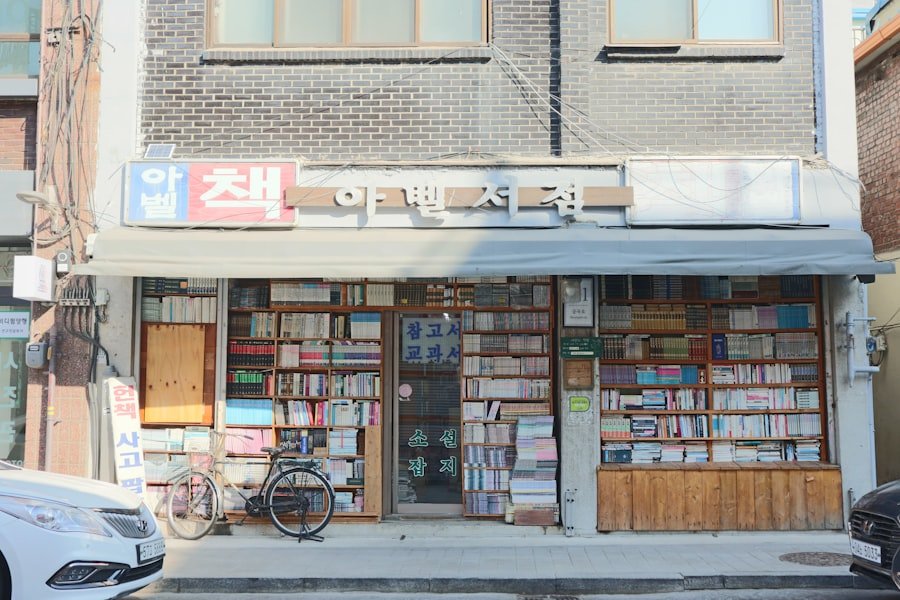
The distinction between polite and casual forms of address is a cornerstone of Korean language and culture. In everyday interactions, Koreans often adjust their speech based on their relationship with the person they are addressing. For instance, when speaking to someone older or in a position of authority, it is customary to use polite forms of speech.
This includes using titles such as “선생님” (seonsaengnim) for teachers or “사장님” (sajangnim) for business owners, which conveys respect. Conversely, among peers or younger individuals, casual forms of address are acceptable and often preferred. This duality in language use reflects the broader cultural emphasis on hierarchy and respect within Korean society.
For learners of Korean, mastering these forms of address is crucial not only for effective communication but also for demonstrating cultural sensitivity and understanding.
The Importance of Names in Korean Culture
In Korean culture, names carry significant weight and meaning. A person’s name is often chosen based on its auspiciousness and the hopes that parents have for their child’s future. Names can reflect familial lineage, personal traits, or even aspirations.
This deep-rooted significance means that names are not merely labels but are imbued with cultural heritage and identity. Moreover, the way names are used in conversation can reveal much about social dynamics. For instance, addressing someone by their full name or using their title can indicate respect and formality.
In contrast, using a nickname or a shortened version of someone’s name may suggest familiarity and closeness. Understanding these nuances is essential for anyone looking to navigate social interactions within Korean culture effectively.
Formal and Informal Situations for Asking Names
Asking for someone’s name in Korean can vary significantly depending on the context. In formal situations, such as business meetings or introductions at official events, it is important to approach the question with respect. A polite way to ask would be “성함이 어떻게 되세요?” (seonghami eotteoke doeseyo?), which translates to “What is your name?” in a respectful manner.
In contrast, in informal settings such as among friends or peers, one might simply ask “이름이 뭐예요?” (ireumi mwoyeyo?), meaning “What is your name?” This distinction highlights the importance of context in Korean communication and underscores the need for learners to be attuned to social cues when engaging with others.
Common Phrases for Asking “What’s Your Name?” in Korean

When learning how to ask for someone’s name in Korean, it is beneficial to familiarise oneself with several common phrases that can be used in various contexts. The aforementioned “성함이 어떻게 되세요?” (seonghami eotteoke doeseyo?) is ideal for formal situations, while “이름이 뭐예요?” (ireumi mwoyeyo?) works well in casual conversations. Additionally, learners might encounter variations such as “당신의 이름은 무엇입니까?” (dangsinui ireumeun mueosipnikka?), which translates to “What is your name?” in a very formal context.
Each phrase serves a specific purpose and reflects the speaker’s intent to engage respectfully with others. Mastering these phrases will not only enhance communication skills but also demonstrate an understanding of cultural nuances.
Understanding Korean Pronunciation of Names
Korean pronunciation can be challenging for learners due to its unique phonetic system. When it comes to names, understanding how they are pronounced is crucial for effective communication. Korean names typically consist of a family name followed by a given name; for example, in the name “김지민” (Kim Ji-min), “김” (Kim) is the family name.
It is important to note that certain sounds in Korean may not have direct equivalents in English, which can lead to mispronunciations if not approached carefully. For instance, the ‘ㄹ’ sound can be pronounced differently depending on its position within a word. Learners should practice listening to native speakers and repeating names aloud to develop their pronunciation skills effectively.
Responding to Someone Asking for Your Name in Korean
When someone asks for your name in Korean, responding appropriately is just as important as asking the question itself. A simple yet effective response would be “제 이름은 [Your Name]입니다” (je ireumeun [Your Name] imnida), which translates to “My name is [Your Name].” This response maintains a polite tone and aligns with the cultural emphasis on respect. In more casual settings, one might opt for a simpler response: “내 이름은 [Your Name]이야” (nae ireumeun [Your Name] iya).
This version conveys familiarity and warmth while still providing the necessary information. Being able to respond correctly not only facilitates smoother conversations but also helps build rapport with others.
Cultural Etiquette When Asking for Someone’s Name
Cultural etiquette plays a significant role when asking for someone’s name in Korea. It is essential to approach this question with sensitivity and respect, particularly in formal situations or when addressing someone older or of higher status. Using polite language and maintaining eye contact can convey sincerity and respect.
Additionally, it is advisable to wait for an appropriate moment to ask for someone’s name rather than interrupting a conversation or speaking over others. This consideration reflects the broader cultural values of harmony and respect within Korean society. By adhering to these etiquette guidelines, learners can foster positive interactions and demonstrate their understanding of Korean culture.
Using Body Language and Gestures to Enhance Communication
Non-verbal communication plays an integral role in conveying messages across cultures, including in Korea. When asking for someone’s name or engaging in conversation, body language and gestures can enhance understanding and connection. For instance, maintaining an open posture and using hand gestures can indicate friendliness and approachability.
Moreover, bowing slightly when greeting someone or asking for their name can further demonstrate respect—a key aspect of Korean culture. Such gestures not only complement verbal communication but also reinforce cultural norms that prioritise politeness and humility. Learners should practice these non-verbal cues alongside their language skills to create more meaningful interactions.
Practice and Role-Playing Scenarios for Asking Names in Korean
To solidify language skills and cultural understanding, engaging in practice scenarios can be immensely beneficial for learners of Korean. Role-playing exercises that simulate real-life situations—such as meeting someone at a social gathering or introducing oneself at a business event—can provide valuable opportunities to apply what has been learned. For example, one could practice asking for names using both formal and informal phrases while incorporating appropriate body language and gestures.
Additionally, learners could partner with classmates or language exchange partners to create dialogues that reflect various contexts where asking for names would be relevant. Such interactive practice not only reinforces language skills but also builds confidence in navigating social interactions within Korean culture. As interest in learning Korean continues to grow globally, institutions like the NLS Norwegian Language School in Oslo offer comprehensive courses tailored specifically for those eager to delve into this fascinating language and culture.
The school’s curriculum includes not only language instruction but also cultural insights that enrich the learning experience. With dedicated instructors who understand the intricacies of both language and culture, students at NLS are well-equipped to navigate conversations about names and greetings with confidence. In conclusion, mastering the art of asking for names in Korean involves more than just learning phrases; it requires an understanding of cultural nuances, etiquette, and pronunciation.
By engaging with these elements through practice and role-playing scenarios at institutions like NLS Norwegian Language School, learners can develop their skills effectively while gaining a deeper appreciation for the richness of Korean culture.
Register for a Korean class at the NLS Norwegian Language School now!




