


Fashion is a universal language that transcends borders and cultures. It is an important aspect of daily life in Spanish-speaking countries, where style and appearance are highly valued. Whether you are a fashion enthusiast, a traveler, or someone working in the fashion industry, learning fashion vocabulary in Spanish can greatly enhance your understanding and appreciation of Spanish culture.
One of the main benefits of learning fashion vocabulary in Spanish is the ability to communicate effectively with native speakers. Being able to discuss clothing, accessories, and fashion trends in their language not only allows for better interactions but also shows respect for their culture. Additionally, learning fashion vocabulary in Spanish can open up opportunities for networking and collaboration within the fashion industry.
Basic Spanish Terms for Clothing and Accessories
To start building your fashion vocabulary in Spanish, it is important to learn the basic terms for clothing and accessories. Some common clothing items include “camisa” (shirt), “pantalones” (pants), “vestido” (dress), “chaqueta” (jacket), and “zapatos” (shoes). Accessories such as “sombrero” (hat), “bufanda” (scarf), “cinturón” (belt), and “bolsa” (bag) are also essential to know.
In Spanish, gender and number agreement play a crucial role when describing clothing items. For example, if you want to say “blue shirt,” you would say “camisa azul” if the shirt is masculine or “camisa azul” if it is feminine. Similarly, if you want to say “black pants,” you would say “pantalones negros” if they are masculine or “pantalones negros” if they are feminine.
Describing Clothing Styles and Fabrics in Spanish
To effectively describe clothing styles in Spanish, it is important to learn adjectives that are commonly used in the fashion industry. Some adjectives to describe clothing styles include “elegante” (elegant), “casual” (casual), “formal” (formal), “moderno” (modern), and “vintage” (vintage). These adjectives can help you express your personal style or understand the style of others.
In addition to clothing styles, knowing the names of common fabrics and materials used in fashion is essential. Some examples include “algodón” (cotton), “seda” (silk), “cuero” (leather), “lana” (wool), and “denim” (denim). Understanding these terms will not only help you make informed fashion choices but also allow you to engage in conversations about fashion with native Spanish speakers.
Spanish Vocabulary for Colors and Patterns in Fashion
Colors play a significant role in fashion, and learning the vocabulary for colors in Spanish is essential. Some basic colors include “rojo” (red), “azul” (blue), “verde” (green), “amarillo” (yellow), and “negro” (black). It is also important to learn variations of colors, such as “rosado” (pink), “celeste” (light blue), and “gris” (gray).
Patterns and prints are also commonly used in fashion, and knowing their names in Spanish can enhance your understanding of fashion trends. Some common patterns include “rayas” (stripes), “flores” (flowers), “cuadros” (plaid/checkered), and “puntos” (dots). Being able to identify and discuss these patterns will allow you to engage in conversations about fashion with native Spanish speakers.
Shopping for Fashion in Spanish: Phrases and Expressions
If you enjoy shopping for clothes, learning useful phrases and expressions for shopping in Spanish is essential. Some phrases to know include “¿Tiene esta camisa en mi talla?” (Do you have this shirt in my size?), “¿Cuánto cuesta esta falda?” (How much does this skirt cost?), and “Me gusta este vestido” (I like this dress). These phrases will help you navigate through stores and communicate your preferences to sales associates.
When shopping for clothes, it is also important to know how to ask for sizes and colors in Spanish. Some phrases to use include “¿Tiene este pantalón en talla 38?” (Do you have these pants in size 38?) and “¿Tiene esta blusa en color blanco?” (Do you have this blouse in white?). Being able to ask for specific sizes and colors will ensure that you find the perfect clothing items during your shopping experience.
Fashion Idioms and Expressions in Spanish
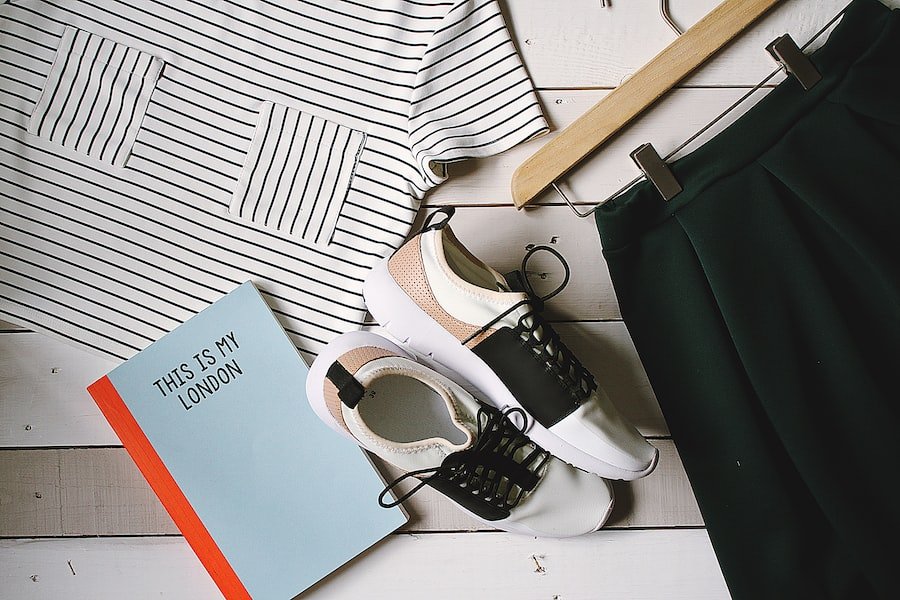
Just like any other language, Spanish has its own set of idioms and expressions related to fashion. Learning these idioms can add depth and authenticity to your conversations about fashion. Some popular fashion idioms and expressions in Spanish include “estar a la moda” (to be fashionable), “vestirse como un pincel” (to dress impeccably), and “tener estilo propio” (to have one’s own style). Using these idioms in context will impress native Spanish speakers and show your fluency in the language.
Spanish Vocabulary for Fashion Trends and Styles
Fashion trends and styles are constantly evolving, and being able to talk about them in Spanish is essential for staying up-to-date with the latest fashion news. Some current fashion trends and styles in Spanish-speaking countries include “boho chic,” “minimalista” (minimalist), “retro,” and “urbano” (urban). Being able to discuss these trends will allow you to engage in conversations about fashion with native Spanish speakers and gain insights into their fashion culture.
Fashion Brands and Designers in Spanish
Spanish-speaking countries are home to many famous fashion brands and designers. Knowing how to pronounce their names correctly in Spanish is important for showing respect and understanding of their work. Some famous fashion brands and designers include “Zara,” “Mango,” “Carolina Herrera,” and “Oscar de la Renta.” Pronouncing these names correctly will not only impress native Spanish speakers but also enhance your credibility within the fashion industry.
Spanish Vocabulary for Fashion Events and Shows
Fashion events and shows are an integral part of the fashion industry, and being able to talk about them in Spanish is essential for networking and collaboration. Some common fashion events and shows in Spanish-speaking countries include “pasarela” (runway), “desfile de moda” (fashion show), “semana de la moda” (fashion week), and “feria de moda” (fashion fair). Being able to discuss these events will allow you to engage in conversations about fashion with industry professionals and stay connected with the latest fashion trends.
Enhancing Your Fashion Vocabulary with Spanish Classes and Courses
To further enhance your fashion vocabulary in Spanish, consider taking Spanish classes or courses specifically tailored for fashion enthusiasts or professionals. These classes can provide you with specialized vocabulary, cultural insights, and opportunities to practice your language skills in a fashion-focused context. Additionally, there are many online resources, such as language learning apps and websites, that offer fashion-related content in Spanish.
Conclusion:
Learning fashion vocabulary in Spanish is not only beneficial for communication purposes but also for gaining a deeper understanding and appreciation of Spanish culture. By learning basic terms for clothing and accessories, describing clothing styles and fabrics, discussing colors and patterns, shopping for fashion, understanding fashion idioms, talking about trends and styles, recognizing famous brands and designers, discussing fashion events and shows, and taking specialized Spanish classes or courses, you can enhance your fashion vocabulary and become a more knowledgeable and confident fashion enthusiast or professional. So, keep learning and practicing Spanish for fashion, and embrace the beauty of this universal language.
If you’re interested in expanding your language skills beyond fashion, you might want to check out this article on “Shopping in Norway: A Guide to Retail Vocabulary.” It provides essential vocabulary and phrases for navigating Norwegian stores and making purchases. Whether you’re a shopaholic or just looking to improve your language proficiency, this article is a great resource. Read more
FAQs
What is the article “Fashion Speak: Spanish Vocabulary for Style” about?
The article is about learning Spanish vocabulary related to fashion and style.
Why is it important to learn Spanish vocabulary for fashion and style?
Learning Spanish vocabulary for fashion and style can be helpful for those who work in the fashion industry or those who want to communicate effectively with Spanish-speaking clients or colleagues.
What are some common Spanish fashion terms?
Some common Spanish fashion terms include “moda” (fashion), “estilo” (style), “ropa” (clothing), “zapatos” (shoes), “accesorios” (accessories), “vestido” (dress), “pantalones” (pants), “blusa” (blouse), and “chaqueta” (jacket).
How can I learn Spanish vocabulary for fashion and style?
There are many resources available for learning Spanish vocabulary for fashion and style, including online courses, language learning apps, and textbooks. It can also be helpful to practice speaking with native Spanish speakers or watching Spanish-language fashion shows or movies.
What are some tips for using Spanish fashion vocabulary correctly?
Some tips for using Spanish fashion vocabulary correctly include practicing pronunciation, using the correct gender and number agreement, and learning common idioms and expressions related to fashion and style. It can also be helpful to study the cultural context in which certain fashion terms are used.




