


Japanese dramas, commonly referred to as J-Dramas, have gained immense popularity both within Japan and internationally. These television series often encapsulate the essence of Japanese culture, showcasing intricate storylines that delve into themes of love, friendship, family, and societal issues. The unique storytelling style, combined with the cultural nuances embedded in the dialogue, makes J-Dramas a fascinating medium for viewers to not only enjoy compelling narratives but also to learn about the Japanese language and its rich expressions.
The appeal of J-Dramas lies in their ability to resonate with audiences on a personal level. Each series often features relatable characters who navigate the complexities of life, making it easy for viewers to connect with their experiences. As one immerses themselves in these dramas, they are introduced to a plethora of Japanese phrases and expressions that reflect the subtleties of communication in Japanese society.
This article aims to explore some of these common phrases and expressions that are frequently encountered in J-Dramas, providing insights into their meanings and usage. Unlock the rich world of Japanese culture, from anime to ancient traditions.
Summary
- J-Drama is a popular form of Japanese television drama that often features unique cultural expressions and language.
- Common greetings and polite expressions in J-Drama include “ohayou gozaimasu” (good morning) and “sumimasen” (excuse me).
- Expressing gratitude and apologies in J-Drama is important, with phrases like “arigatou gozaimasu” (thank you very much) and “gomen nasai” (I’m sorry) being commonly used.
- Common expressions of surprise and disbelief in J-Drama include “honto?” (really?) and “sugoi!” (amazing!).
- Terms of endearment and affection in J-Drama include “aishiteru” (I love you) and “daisuki” (I really like you).
Greetings and Polite Expressions
In Japanese culture, greetings hold significant importance as they set the tone for interactions. The most common greeting is “Konnichiwa,” which translates to “Good afternoon.” However, the Japanese language is rich with variations depending on the time of day and the context of the conversation. For instance, “Ohayou gozaimasu” is used in the morning, while “Konbanwa” is reserved for the evening.
These greetings not only convey a sense of politeness but also reflect the time-sensitive nature of social interactions in Japan. Politeness is a cornerstone of Japanese communication, and this is evident in the use of honorifics and respectful language. In J-Dramas, characters often address each other using titles such as “san,” “sama,” or “sensei,” which denote respect and hierarchy.
For example, a teacher may be referred to as “sensei,” while a friend might simply be called by their first name followed by “san.” This nuanced approach to addressing others highlights the importance of social status and relationships in Japanese society, making it an essential aspect of understanding the language as portrayed in J-Dramas.
Expressing Gratitude and Apologies
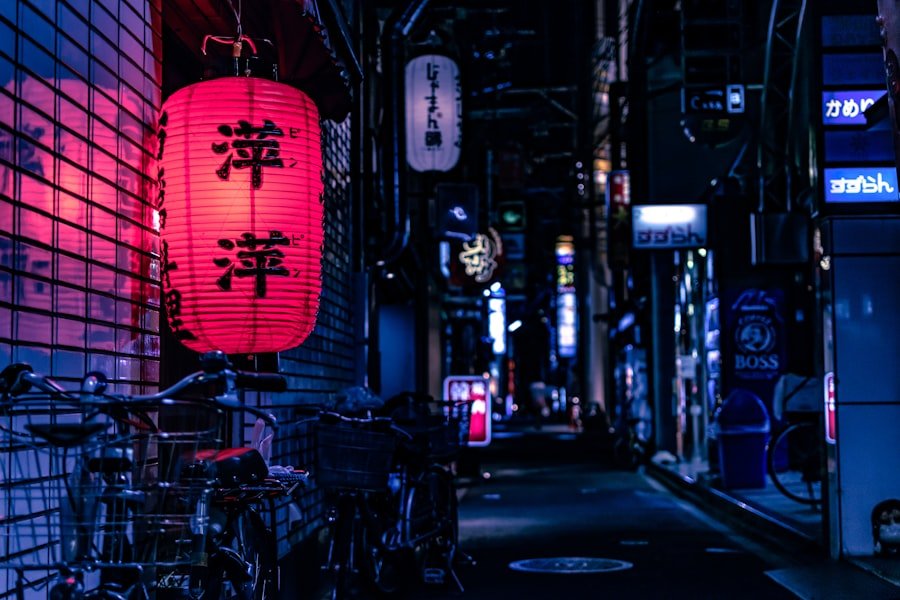
Expressions of gratitude and apologies are integral to Japanese communication, often reflecting the cultural emphasis on humility and respect. The phrase “Arigatou gozaimasu,” meaning “Thank you very much,” is a staple in everyday conversations. It is frequently used in J-Dramas when characters express appreciation for favours or kindnesses received.
The depth of gratitude can also be conveyed through variations such as “Arigatou” for casual situations or “Domo arigatou gozaimasu” for more formal contexts. On the other hand, apologies are equally significant in Japanese culture. The phrase “Sumimasen” serves as a versatile expression that can mean “Excuse me,” “I’m sorry,” or even “Thank you” in certain contexts.
In J-Dramas, characters often find themselves in situations where they must apologise for misunderstandings or mistakes, showcasing the importance of taking responsibility and maintaining harmony in relationships. The act of apologising is not merely about saying sorry; it embodies a deeper understanding of social dynamics and the desire to preserve interpersonal connections.
Common Expressions of Surprise and Disbelief
Surprise and disbelief are emotions that can be vividly expressed through specific phrases in Japanese. One common expression is “Ehh?” which conveys astonishment or disbelief when something unexpected occurs. This exclamation is frequently heard in J-Dramas when characters encounter shocking revelations or unexpected twists in the plot.
The simplicity of this expression belies its effectiveness in conveying genuine surprise, making it a relatable reaction for viewers. Another phrase that captures disbelief is “Uso!” which translates to “No way!” or “You’re kidding!” This expression is often used by characters when they find it hard to believe what they are hearing or witnessing. In J-Dramas, such moments are pivotal as they heighten emotional tension and engage viewers by reflecting their own reactions to surprising developments.
These expressions not only enrich the dialogue but also provide insight into how emotions are articulated within Japanese culture.
Terms of Endearment and Affection
In J-Dramas, terms of endearment play a crucial role in expressing affection between characters, whether they are friends, family members, or romantic partners. Common terms include “Aishiteru,” which means “I love you,” and is often used in heartfelt moments between lovers. The weight of this phrase is significant; it encapsulates deep emotional connections and is not used lightly in everyday conversation.
Additionally, diminutive forms such as “Neko-chan” (little cat) or “Kawaii” (cute) are frequently employed to express fondness towards pets or children. These terms reflect a softer side of communication that resonates with viewers, allowing them to connect with the characters on an emotional level. The use of affectionate language in J-Dramas not only enhances character relationships but also provides insight into the cultural significance of expressing love and care within Japanese society.
Asking for Clarification and Confirmation

In any language, seeking clarification is essential for effective communication, and Japanese is no exception. Phrases such as “Eeto,” which can be translated as “Um” or “Let me think,” are often used by characters when they need a moment to gather their thoughts or when they are unsure about something being discussed. This expression reflects a cultural tendency towards careful consideration before responding, highlighting the importance placed on thoughtful communication.
Another common phrase for seeking confirmation is “Sou desu ka?” which means “Is that so?” This expression is frequently used in J-Dramas when characters want to verify information or express mild surprise at what has been said. It serves as a polite way to engage in conversation while also demonstrating active listening skills. Such phrases not only facilitate smoother interactions but also illustrate the nuances of communication that are deeply embedded in Japanese culture.
Expressing Agreement and Disagreement
The ability to express agreement or disagreement is vital in any conversation, and Japanese offers various ways to navigate these sentiments delicately. A simple yet effective way to show agreement is by saying “Hai,” which means “Yes.” However, agreement can also be conveyed through non-verbal cues such as nodding, which is often seen in J-Dramas as characters listen attentively to one another. Conversely, expressing disagreement requires a more nuanced approach due to cultural sensitivities surrounding confrontation.
Phrases like “Chigau” (That’s wrong) or “Sore wa chotto…” (That’s a bit…) allow characters to voice their differing opinions without causing offence. In J-Dramas, these expressions are crucial during conflicts or discussions where differing viewpoints arise, showcasing how characters navigate complex social dynamics while maintaining respect for one another.
Expressing Emotions and Feelings
Emotions are at the heart of many J-Dramas, and the language used to express these feelings adds depth to character development and storytelling. Phrases such as “Ureshii” (I’m happy) or “Kanashii” (I’m sad) allow characters to articulate their emotional states clearly. These expressions resonate with viewers who may have experienced similar feelings, creating a sense of empathy and connection.
Moreover, more complex emotions can be conveyed through phrases like “Tsumetai” (cold) when referring to someone’s behaviour or attitude, indicating feelings of alienation or disappointment. In J-Dramas, such expressions serve as pivotal moments that reveal character vulnerabilities and drive plot development. The ability to articulate emotions effectively enhances the overall narrative experience, allowing audiences to engage more deeply with the story.
Giving and Receiving Compliments
Compliments are an essential part of social interactions in Japan, often serving to strengthen relationships and foster goodwill. Phrases like “Kawaii!” (You’re cute!) or “Sugoi!” (Amazing!) are commonly used in J-Dramas when characters admire each other’s qualities or achievements. These expressions not only uplift individuals but also create a positive atmosphere within the narrative.
Receiving compliments gracefully is equally important in Japanese culture. A common response might be “Arigatou gozaimasu,” accompanied by a modest smile or bow, reflecting humility rather than boastfulness. This cultural nuance is often depicted in J-Dramas, where characters navigate the delicate balance between accepting praise and maintaining modesty.
Such interactions highlight the significance of compliments as tools for building rapport and fostering positive relationships.
Making Requests and Offers
Making requests and offers is an integral part of daily communication, and Japanese provides various ways to do so politely. Phrases like “Onegaishimasu” (Please) are commonly used when asking for favours or assistance. In J-Dramas, characters often employ this expression when seeking help from friends or colleagues, showcasing the importance of politeness in requests.
When offering something to someone, phrases such as “Dozo” (Here you go) or “Yatte ageru” (I’ll do it for you) reflect generosity and willingness to assist others. These expressions are frequently seen in J-Dramas during moments of camaraderie or support among characters. The emphasis on polite requests and offers underscores the cultural values of consideration and mutual assistance that permeate Japanese society.
Conclusion and Recap of Common Japanese Phrases in J-Drama
In conclusion, J-Dramas serve as an engaging platform for exploring the intricacies of the Japanese language through its rich array of phrases and expressions. From greetings that establish social connections to heartfelt declarations of love and gratitude, each expression reflects cultural values that shape interpersonal relationships in Japan. The ability to articulate emotions, seek clarification, express agreement or disagreement, and navigate compliments showcases the depth of communication within this vibrant culture.
As viewers immerse themselves in these dramas, they not only enjoy captivating stories but also gain valuable insights into the language’s nuances. For those interested in delving deeper into the Japanese language, courses at institutions like the NLS Norwegian Language School in Oslo offer an excellent opportunity to learn these expressions systematically while engaging with native speakers and fellow learners. With dedicated courses focusing on conversational skills and cultural context, students can enhance their understanding of Japanese language intricacies while enjoying their favourite J-Dramas even more profoundly.
Your Japanese journey starts in Oslo. Join our classes at NLS and sign up today!




