

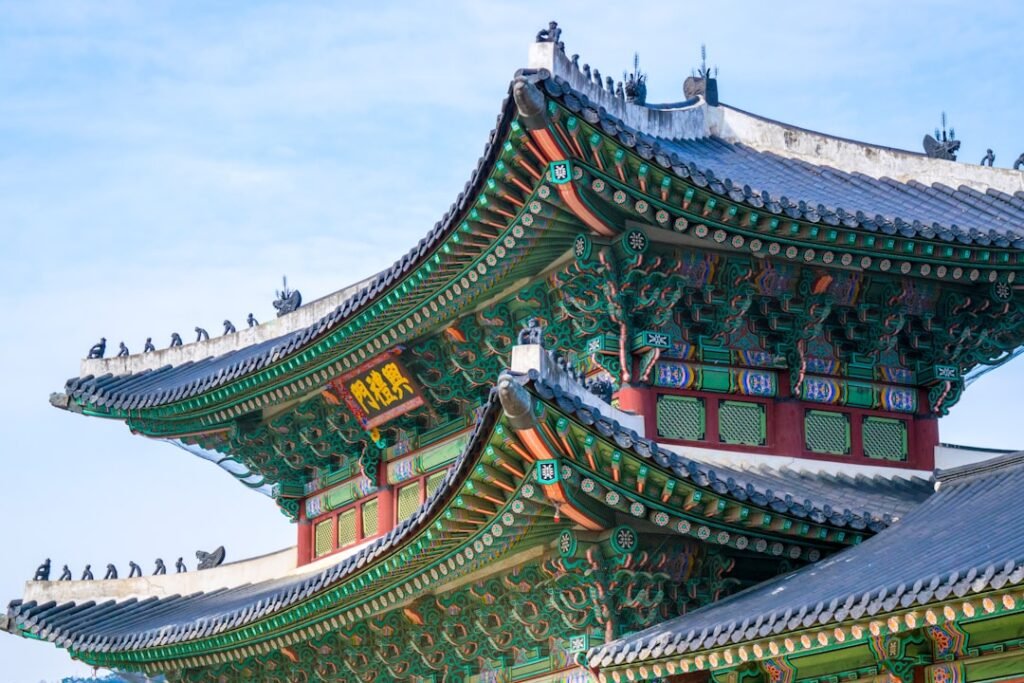
Chuseok, often referred to as the Korean Harvest Festival, is one of the most significant and cherished holidays in South Korea. Celebrated on the 15th day of the 8th month of the lunar calendar, it is a time for families to come together, honour their ancestors, and express gratitude for the bountiful harvest. The festival is steeped in tradition and cultural significance, reflecting the deep-rooted values of respect for family and nature.
As the autumn leaves begin to fall and the air turns crisp, Chuseok serves as a reminder of the importance of community and the bonds that tie families together. During this festive period, Koreans engage in various customs that highlight their rich heritage. One of the most notable aspects of Chuseok is the practice of visiting ancestral graves, known as “seongmyo,” where families pay their respects and offer food as a sign of gratitude.
This act not only strengthens familial ties but also reinforces the connection between past and present. The festival is also marked by traditional games, music, and an array of delicious foods that showcase the culinary diversity of Korea. As Chuseok approaches, excitement builds within communities, making it a time of joy and celebration. Ready to speak Korean? Enroll now at the NLS Norwegian Language School in Oslo.
Summary
- Chuseok is a traditional Korean harvest festival celebrated in autumn.
- NLS Korean Classes in Oslo is a hub for Korean culture, offering a range of activities and events.
- Traditional Chuseok activities include ancestor memorial services and folk games.
- Chuseok food and cuisine is a culinary delight, featuring delicious traditional dishes.
- The Chuseok Hanbok fashion show showcases the beauty of traditional Korean attire.
NLS Korean Classes: A Hub for Korean Culture in Oslo
At the NLS Norwegian Language School in Oslo, Korean courses have become a vibrant hub for those eager to immerse themselves in Korean culture. The school offers a unique opportunity for students to learn the language while simultaneously exploring the rich traditions associated with it. With experienced instructors who are passionate about sharing their knowledge, NLS provides an engaging environment where students can develop their language skills alongside an appreciation for Korean customs and festivals like Chuseok.
The Korean classes at NLS are designed to cater to various proficiency levels, ensuring that everyone from beginners to advanced learners can find a suitable course. The curriculum not only focuses on language acquisition but also incorporates cultural elements that enhance the learning experience. Students are encouraged to participate in discussions about Korean traditions, including Chuseok, allowing them to gain a deeper understanding of the significance behind the words they learn.
This holistic approach fosters a sense of community among students, creating a supportive atmosphere where cultural exchange flourishes.
Traditional Chuseok Activities and Customs
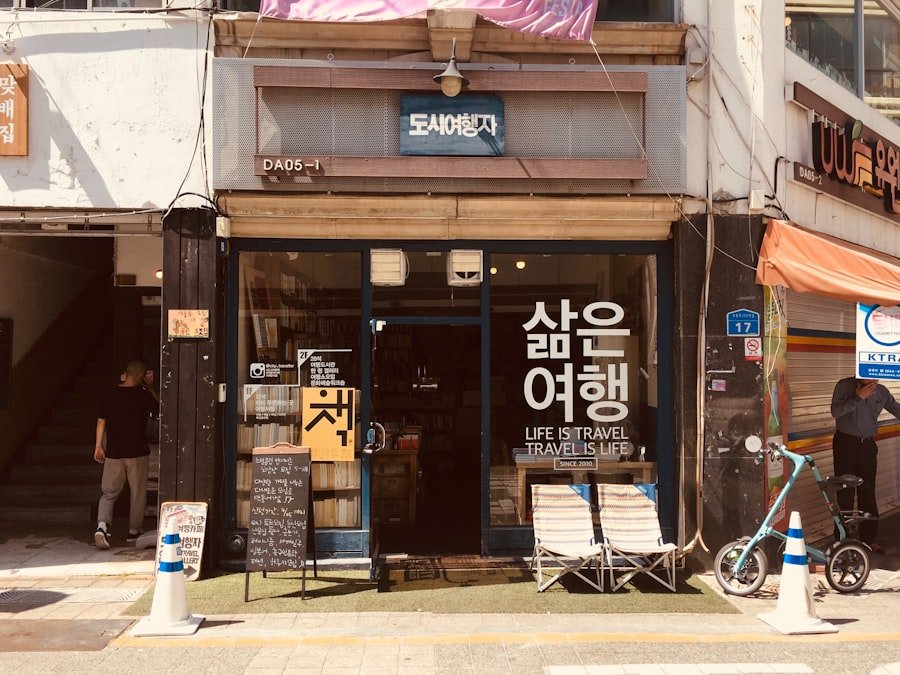
Chuseok is characterised by a plethora of traditional activities that bring families together in celebration. One of the most beloved customs is “charye,” a ritualistic ceremony where families prepare an elaborate table filled with food offerings to honour their ancestors. This act of remembrance is not only a way to pay respect but also serves as an opportunity for families to bond over shared memories and stories.
The preparation of these offerings often involves meticulous planning and collaboration among family members, reinforcing the importance of unity during this festive time. In addition to charye, various traditional games are played during Chuseok, such as “yutnori,” a board game that involves throwing sticks and moving pieces based on the outcome. This game is not only entertaining but also encourages friendly competition among family members.
Another popular activity is “ssireum,” a form of traditional wrestling that showcases strength and skill. These games are integral to the Chuseok celebrations, as they foster camaraderie and create lasting memories for participants of all ages.
Chuseok Food and Cuisine: A Culinary Delight
No celebration is complete without food, and Chuseok boasts an impressive array of culinary delights that reflect Korea’s rich gastronomic heritage. One of the most iconic dishes served during this festival is “songpyeon,” a type of rice cake filled with sweetened sesame seeds or red bean paste. These delicate treats are often shaped like half-moons and are traditionally made by families together, symbolising harmony and prosperity.
The preparation of songpyeon is not just about the end product; it is an opportunity for families to gather in the kitchen, share stories, and create cherished memories. In addition to songpyeon, other traditional dishes such as “bulgogi” (marinated beef) and “jeon” (savory pancakes) are commonly enjoyed during Chuseok feasts. Each dish carries its own significance and is often prepared with care and love.
The communal aspect of sharing these meals further enhances the spirit of togetherness that defines Chuseok. As families gather around the table to enjoy these culinary delights, they not only celebrate the harvest but also strengthen their bonds through shared experiences and flavours.
Chuseok Hanbok Fashion Show: Traditional Korean Attire
One of the most visually captivating aspects of Chuseok is the traditional attire worn during the celebrations—known as “hanbok.” This elegant clothing is characterised by vibrant colours and intricate designs, reflecting Korea’s rich cultural heritage. During Chuseok, it is customary for families to don hanbok as a way to honour their ancestors and embrace their cultural identity. The sight of families dressed in these beautiful garments adds a festive flair to the celebrations, creating a sense of pride and connection to tradition.
At NLS, students have the opportunity to participate in a Chuseok Hanbok Fashion Show, where they can showcase their understanding of Korean culture through attire. This event not only allows students to experience wearing hanbok but also provides a platform for them to learn about its historical significance and craftsmanship. By engaging in this activity, students gain a deeper appreciation for Korean aesthetics while celebrating the beauty of tradition in a modern context.
Chuseok Folk Music and Dance Performances
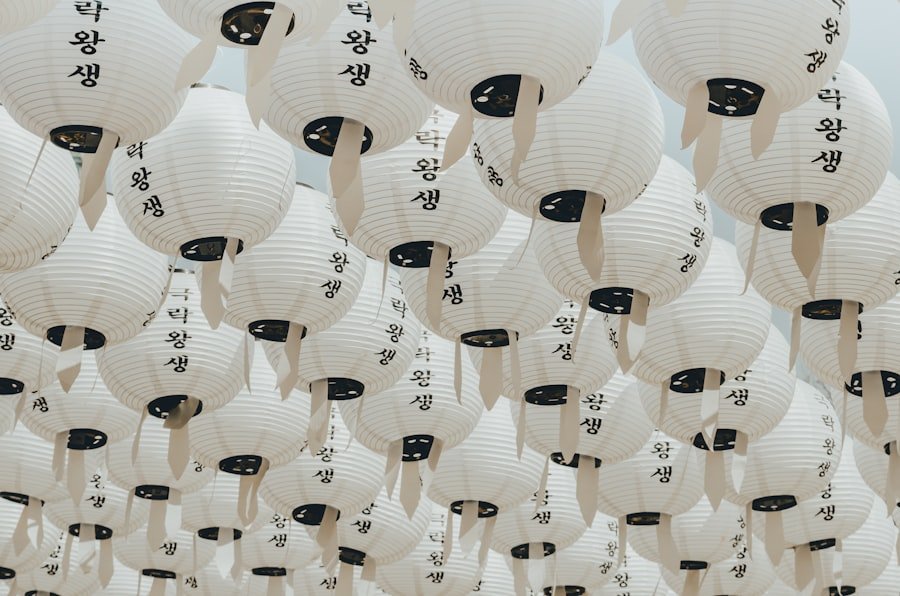
Music and dance play an integral role in Chuseok celebrations, with folk performances bringing communities together in joyous expression. Traditional Korean music, known as “gugak,” features unique instruments such as the “gayageum” (a stringed instrument) and “janggu” (a drum), creating melodies that resonate with cultural significance. During Chuseok, various performances showcase these musical traditions, allowing audiences to experience the rich tapestry of Korean heritage through sound.
Dance is equally important during Chuseok festivities, with traditional dances such as “ganggangsullae” being performed under the moonlight. This circle dance involves participants holding hands and singing while moving in unison, symbolising unity and harmony within the community. At NLS, students are encouraged to participate in folk music and dance workshops that not only teach them about these art forms but also allow them to engage with their peers in a lively and interactive manner.
Chuseok Games and Competitions for All Ages
Chuseok is synonymous with fun and friendly competition, as families engage in various games that cater to all ages. Traditional games such as “tuho,” where players throw sticks into a container, and “neolttwigi,” a seesaw-like game, are popular choices during this festive season. These games not only provide entertainment but also foster teamwork and cooperation among participants, making them an essential part of Chuseok celebrations.
At NLS, students can partake in organised competitions that celebrate these traditional games while promoting cultural understanding. By participating in these activities, students not only learn about Korean customs but also develop camaraderie with their classmates. The laughter and joy shared during these games create lasting memories that enhance their overall experience at NLS.
Chuseok Art and Craft Workshops
Artistic expression is another vital component of Chuseok celebrations, with various workshops dedicated to traditional crafts that reflect Korean culture. At NLS, students have the opportunity to engage in art workshops where they can create their own “hanbok” dolls or design intricate paper lanterns inspired by traditional motifs. These hands-on activities allow students to explore their creativity while learning about the significance behind each craft.
Participating in art workshops during Chuseok not only fosters creativity but also encourages students to appreciate the craftsmanship involved in traditional Korean arts. As they create their own pieces, they gain insight into the cultural narratives that shape these art forms. The sense of accomplishment derived from completing these projects further enhances their connection to Korean culture.
Chuseok Cultural Talks and Presentations
To deepen understanding of Chuseok and its significance, NLS hosts cultural talks and presentations led by knowledgeable instructors or guest speakers from Korea. These sessions provide students with valuable insights into the history and customs associated with Chuseok, allowing them to engage in meaningful discussions about its relevance in contemporary society. Topics may range from the evolution of Chuseok traditions to personal anecdotes shared by speakers who have experienced the festival firsthand.
These cultural talks serve as an enriching complement to language learning at NLS, enabling students to contextualise their language skills within real-life scenarios. By fostering an environment where questions are encouraged and discussions flourish, NLS creates a space for students to explore their curiosity about Korean culture while enhancing their language proficiency.
Chuseok Community Feast: Sharing a Traditional Meal
A highlight of any Chuseok celebration is the communal feast that brings families together around a table laden with traditional dishes. At NLS, students have the opportunity to participate in a community feast where they can share homemade dishes inspired by their own interpretations of Korean cuisine. This event not only allows students to showcase their culinary skills but also fosters a sense of belonging within the NLS community.
Sharing food during Chuseok embodies the spirit of generosity and gratitude that defines this festival. As students gather around the table to enjoy each other’s creations, they engage in conversations that bridge cultural gaps and strengthen friendships. The communal aspect of this feast reinforces the idea that food has the power to unite people from diverse backgrounds while celebrating shared traditions.
Embracing Korean Culture at NLS Korean Classes
In conclusion, NLS Norwegian Language School stands out as a beacon for those seeking to embrace Korean culture through its comprehensive Korean classes. By integrating cultural elements such as Chuseok into its curriculum, NLS provides students with a unique opportunity to learn not just a language but also the rich traditions that accompany it. From traditional activities and culinary delights to artistic expression and community engagement, every aspect of Chuseok celebrated at NLS fosters a deeper appreciation for Korean heritage.
As students immerse themselves in these experiences, they not only develop language skills but also cultivate meaningful connections with their peers while gaining insights into a culture that is both vibrant and diverse. Through events like Chuseok celebrations at NLS, learners are encouraged to embrace their curiosity about Korea while forging friendships that transcend borders—truly embodying the spirit of cultural exchange that lies at the heart of language learning.
Ready to speak Korean? Enroll now at the NLS Norwegian Language School in Oslo.




