


The Korean language, known as Hangul, is a fascinating and intricate system of communication that has captivated linguists and language enthusiasts alike. With its unique script, which was developed in the 15th century by King Sejong the Great, Hangul is not only aesthetically pleasing but also remarkably logical. The language is spoken by over 80 million people worldwide, primarily in South Korea and North Korea, but also among diaspora communities across the globe.
Learning Korean opens up a world of cultural richness, from K-pop and cinema to traditional cuisine and customs. As the world becomes increasingly interconnected, the demand for learning Korean has surged. This interest is not merely academic; it reflects a growing appreciation for Korean culture and its global influence.
Whether one is drawn to the language for professional reasons, personal connections, or cultural exploration, mastering Korean can be a rewarding endeavour. The journey of learning this language involves understanding its structure, vocabulary, and the nuances of communication that are deeply rooted in Korean culture. Start learning Korean at the NLS Norwegian Language School in Oslo now!
Summary
- The Korean language has different ways of expressing “yes” and “no” depending on the level of formality and politeness.
- Understanding the importance of “yes” and “no” in Korean culture is essential for effective communication and building relationships.
- Basic vocabulary for saying “yes” and “no” in Korean includes “네” (ne) for “yes” and “아니요” (aniyo) for “no”.
- Polite and formal ways to say “yes” and “no” in Korean involve using honorifics and respectful language.
- Casual and informal ways to say “yes” and “no” in Korean include using shortened forms and informal speech levels.
Understanding the Importance of “Yes” and “No” in Korean Culture
In Korean culture, the concepts of agreement and disagreement are not merely about affirming or negating statements; they are deeply intertwined with social harmony and respect. The way one expresses “yes” or “no” can significantly impact interpersonal relationships. In many situations, saying “yes” may not always indicate genuine agreement; it can also reflect a desire to maintain harmony or avoid confrontation.
Conversely, saying “no” can be perceived as a strong statement that may disrupt the social balance if not delivered with care. Understanding this cultural context is essential for anyone learning Korean. It highlights the importance of tone, body language, and situational awareness when communicating.
For instance, in a formal setting, a simple “yes” might be accompanied by a bow or a respectful gesture, while in a casual environment, the same word could be expressed with a more relaxed demeanor. Thus, mastering the subtleties of agreement and disagreement in Korean is crucial for effective communication and building meaningful relationships.
Basic Vocabulary for Saying “Yes” and “No” in Korean

The most fundamental words for expressing agreement and disagreement in Korean are “네” (ne) for “yes” and “아니요” (aniyo) for “no.” These terms are essential building blocks for anyone beginning their journey into the language. “네” is often used to affirm statements or respond positively to questions, while “아니요” serves as a straightforward negation. However, these words are just the tip of the iceberg when it comes to expressing agreement and disagreement in various contexts.
In addition to these basic terms, learners will encounter various phrases that can convey similar meanings. For example, “그렇습니다” (geureoseumnida) translates to “that is correct,” which can be used in more formal situations to affirm a statement. On the other hand, “아니에요” (anieyo) is a more casual way to say “no,” often used among friends or peers.
Familiarising oneself with this vocabulary is crucial for effective communication and understanding the nuances of conversation in Korean.
Polite and Formal Ways to Say “Yes” and “No” in Korean
In formal settings, politeness is paramount in Korean communication. The language has various levels of formality that reflect respect towards the listener. When responding affirmatively in a formal context, one might use “네” (ne) but with an added level of respect by saying “예” (ye), which is another way to say “yes.” This slight variation can make a significant difference in how one is perceived by others.
Similarly, when expressing disagreement or negation in a formal manner, one would typically use “아니요” (aniyo) but may also opt for phrases like “그렇지 않습니다” (geureochi anseumnida), meaning “that is not correct.” This level of formality not only conveys the message clearly but also demonstrates an understanding of social hierarchies and respect within Korean culture. Mastering these polite forms is essential for anyone wishing to engage in professional or formal conversations in Korean.
Casual and Informal Ways to Say “Yes” and “No” in Korean
Conversely, in casual settings among friends or peers, the language becomes more relaxed and informal. The basic terms “네” (ne) and “아니요” (aniyo) remain relevant; however, they can be expressed in more colloquial ways. For instance, one might simply nod or use expressions like “응” (eung) for “yes,” which conveys agreement in a friendly manner without the need for formality.
When it comes to saying “no,” informal expressions such as “아니” (ani) can be used among close friends or family members. This casual approach fosters a sense of intimacy and camaraderie among speakers. Understanding when to switch between formal and informal language is crucial for effective communication in Korean, as it reflects one’s awareness of social dynamics and relationships.
Common Phrases and Expressions for Agreeing and Disagreeing in Korean
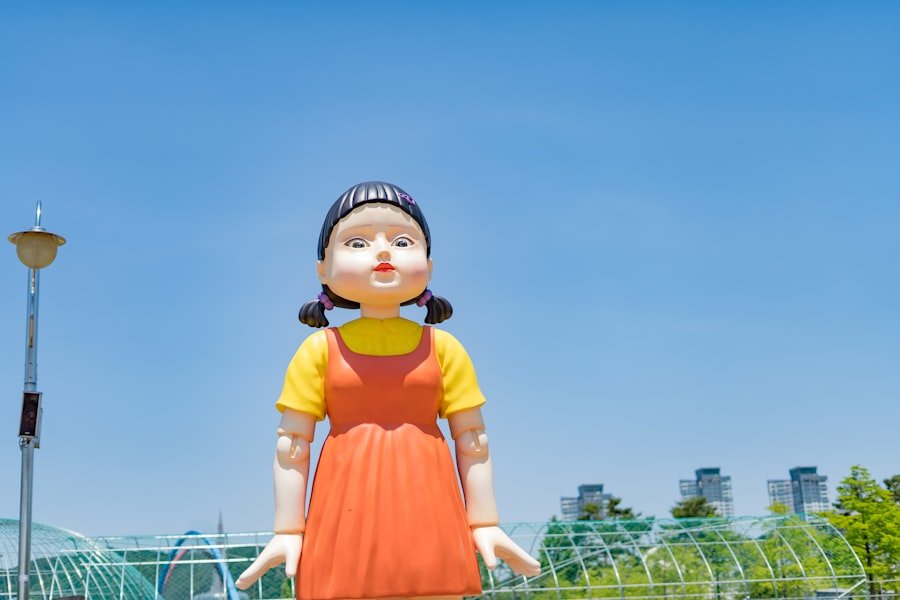
Beyond the basic vocabulary of “yes” and “no,” there are numerous phrases that can enrich one’s conversational skills in Korean. For instance, when agreeing with someone’s opinion or suggestion, one might say “좋아요” (joayo), meaning “that’s good,” or “맞아요” (majayo), which translates to “that’s right.” These expressions not only affirm the speaker’s point but also encourage further dialogue. On the flip side, when disagreeing or expressing a different viewpoint, phrases like “그건 좀 다르네요” (geugeon jom dareuneyo), meaning “that’s a bit different,” can soften the impact of disagreement while still conveying one’s perspective.
Such phrases are invaluable for navigating discussions where differing opinions may arise, allowing speakers to maintain respect and harmony within conversations.
Using Body Language and Gestures to Convey “Yes” and “No” in Korean
In addition to verbal expressions, body language plays a significant role in conveying agreement and disagreement in Korean culture. A simple nod can reinforce a verbal affirmation of “yes,” while shaking one’s head can indicate negation. However, it is essential to note that gestures may vary across cultures; thus, understanding local customs is vital.
For instance, when saying “yes,” it is common to accompany the word with a slight bow as a sign of respect. Conversely, when expressing disagreement, maintaining eye contact while using polite language can help convey sincerity and consideration for the other person’s feelings. Being aware of these non-verbal cues enhances communication and fosters deeper connections with Korean speakers.
Cultural Etiquette and Considerations when Saying “Yes” and “No” in Korean
Cultural etiquette surrounding agreement and disagreement in Korea extends beyond mere vocabulary; it encompasses an entire framework of social norms. For example, it is customary to show deference to elders or those in higher positions by using formal language when responding. This practice reflects the Confucian values deeply embedded in Korean society.
Moreover, understanding the context in which one is communicating is crucial. In group settings, it may be more appropriate to express agreement subtly rather than overtly stating one’s opinion. This approach helps maintain group harmony and avoids putting others on the spot.
Being attuned to these cultural nuances will significantly enhance one’s ability to navigate conversations effectively within Korean society.
Tips for Pronouncing “Yes” and “No” in Korean
Pronunciation is a key aspect of mastering any language, including Korean. The words for “yes” and “no,” while simple, require attention to detail to ensure clarity and understanding. The pronunciation of “네” (ne) should be crisp and clear, with an emphasis on the vowel sound to avoid confusion with similar-sounding words.
For “아니요” (aniyo), learners should focus on articulating each syllable distinctly: ‘a’ as in ‘father,’ ‘ni’ as in ‘knee,’ and ‘yo’ as in ‘yo-yo.’ Practising these sounds repeatedly will help build confidence in speaking and ensure effective communication with native speakers.
Common Mistakes to Avoid when Saying “Yes” and “No” in Korean
As with any language learning process, mistakes are inevitable; however, being aware of common pitfalls can help learners navigate their journey more smoothly. One frequent error is using informal language in formal settings; this can lead to misunderstandings or even offend listeners who expect a certain level of respect. Another common mistake involves mispronouncing words or using them out of context.
For instance, using “응” (eung) instead of “네” (ne) in a formal situation may come across as disrespectful. Therefore, it is essential for learners to practice situational awareness and adapt their language accordingly.
Practice and Role-Playing Exercises for Using “Yes” and “No” in Korean
To solidify understanding and application of saying “yes” and “no” in Korean, engaging in practice exercises can be immensely beneficial. Role-playing scenarios where learners simulate conversations can help reinforce vocabulary usage while also allowing them to experiment with different levels of formality based on context. For example, learners could pair up and take turns asking each other questions that require affirmative or negative responses while incorporating polite forms where necessary.
This interactive approach not only enhances speaking skills but also builds confidence in using the language naturally. As interest in learning Korean continues to grow globally, institutions like the NLS Norwegian Language School in Oslo have recognised this trend by offering comprehensive courses tailored specifically for those eager to master the language. Their curriculum includes not only foundational vocabulary but also cultural insights that are crucial for effective communication.
The NLS Norwegian Language School provides an immersive environment where students can practice speaking with native instructors who guide them through various aspects of the language—from basic phrases like “yes” and “no” to more complex conversational skills. With dedicated courses focusing on practical usage within cultural contexts, learners are well-equipped to navigate real-life situations confidently. In conclusion, mastering how to say “yes” and “no” in Korean goes beyond mere vocabulary; it encompasses an understanding of cultural nuances, body language, pronunciation tips, and common mistakes to avoid.
By engaging with resources like those offered at NLS Norwegian Language School, learners can embark on their journey towards fluency with confidence and cultural awareness at their side.
Register for a Korean class at the NLS Norwegian Language School now!




