

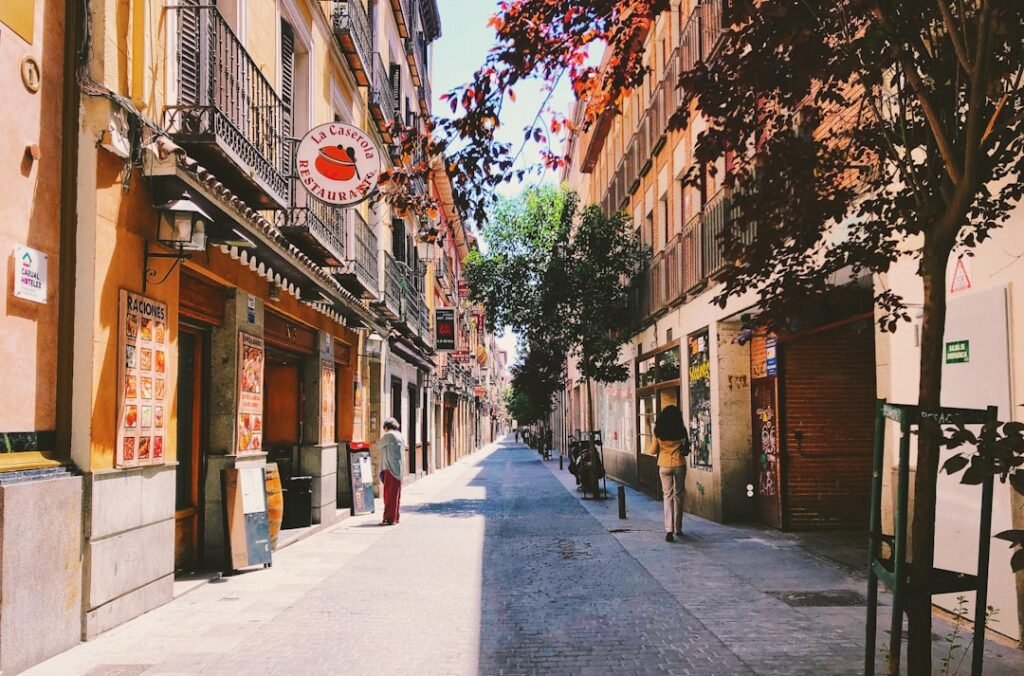
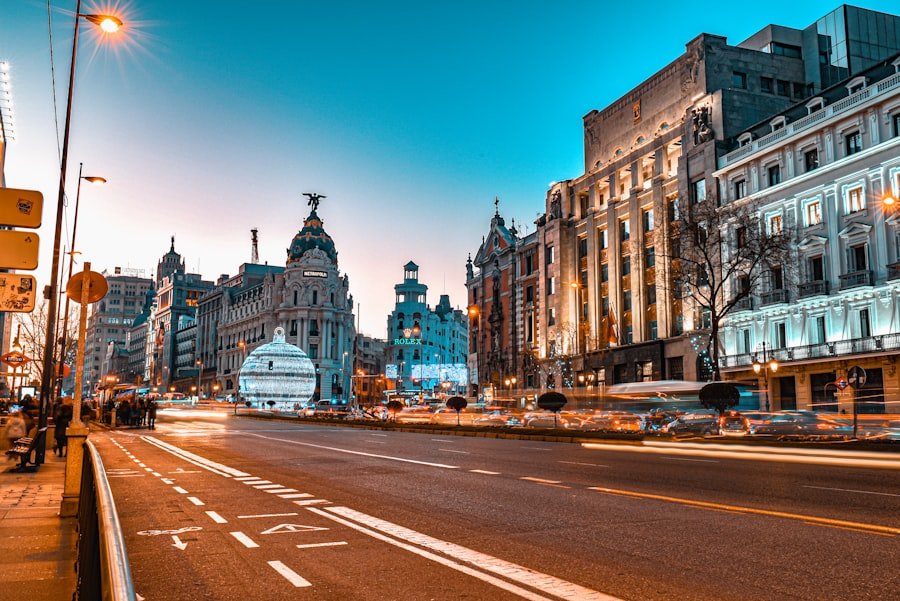
The festive traditions of Spain and Latin America are a vibrant tapestry woven from centuries of history, culture, and community spirit. Each holiday season brings with it a unique set of customs that reflect the rich heritage of these regions. From the lively streets of Madrid during Christmas to the colourful parades of Carnaval in Rio de Janeiro, the celebrations are a feast for the senses.
Families gather to share traditional meals, exchange gifts, and partake in age-old rituals that have been passed down through generations. The warmth of these gatherings is palpable, as laughter and music fill the air, creating an atmosphere of joy and togetherness. In Spain, the Christmas season is marked by the celebration of El Día de los Reyes, or Three Kings’ Day, on January 6th.
This day commemorates the arrival of the Magi to present gifts to the infant Jesus. Children eagerly await this day, as it is when they receive their presents, often after leaving their shoes out the night before. In Latin America, similar traditions abound, with each country adding its own unique flavour to the festivities.
For instance, in Mexico, Las Posadas is celebrated in the lead-up to Christmas, where communities reenact Mary and Joseph’s search for shelter. These festive traditions not only highlight the importance of family and community but also serve as a reminder of the shared cultural heritage that binds these regions together. Enrol Today: Spanish Winter Courses at NLS Norwegian Language School.
Summary
- Embrace the festive traditions of Spain and Latin America by experiencing their unique holiday celebrations
- Dive into the rich history and explore the cultural heritage of Spain and Latin America
- Discover the culinary delights of traditional Spanish and Latin American dishes and learn to cook them
- Immerse yourself in the arts by studying Spanish and Latin American literature, music, and art
- Learn the language and master Spanish with NLS’s Winter Language Courses
Dive into the Rich History: Explore the Cultural Heritage of Spain and Latin America
The cultural heritage of Spain and Latin America is a rich tapestry that reflects centuries of history, blending indigenous traditions with influences from Europe, Africa, and beyond. This intricate history is evident in the architecture, art, and customs that define these regions. From the stunning Alhambra in Granada to the colonial cities of Mexico and Peru, each site tells a story of conquest, colonisation, and cultural exchange.
Exploring these historical landmarks offers a glimpse into the past and an understanding of how these diverse influences have shaped contemporary society. Moreover, the legacy of historical figures such as Cervantes, Frida Kahlo, and Pablo Picasso continues to resonate today. Their contributions to literature and art have left an indelible mark on both Spanish and Latin American culture.
By delving into this rich history, one can appreciate the complexities of identity and heritage that characterise these regions. Museums and cultural institutions play a vital role in preserving this history, offering exhibitions and educational programmes that invite visitors to engage with the past while fostering a deeper understanding of present-day cultural dynamics.
Discover the Culinary Delights: Learn to Cook Traditional Spanish and Latin American Dishes
The culinary landscape of Spain and Latin America is as diverse as its people, offering a delightful array of flavours and dishes that reflect regional ingredients and traditions. From tapas in Spain to empanadas in Argentina, each dish tells a story of cultural exchange and local customs. Learning to cook traditional recipes not only provides insight into the culinary arts but also serves as a gateway to understanding the social fabric of these societies.
Cooking classes often emphasise the importance of fresh ingredients, seasonal produce, and time-honoured techniques that have been passed down through generations. In Spain, one cannot overlook the significance of paella, a dish that originated in Valencia but has since become synonymous with Spanish cuisine. The preparation of paella is often a communal affair, bringing families and friends together to share in the experience.
Similarly, Latin American cuisine boasts an impressive variety of dishes that reflect its multicultural heritage. For instance, Mexican mole sauce combines indigenous ingredients with Spanish influences, resulting in a complex flavour profile that is both rich and satisfying. By immersing oneself in these culinary traditions, one gains not only practical cooking skills but also a deeper appreciation for the cultural significance behind each dish.
Immerse Yourself in the Arts: Study Spanish and Latin American Literature, Music, and Art
The arts are an integral part of Spanish and Latin American culture, serving as a reflection of societal values, historical events, and individual expression. Literature from these regions boasts a wealth of renowned authors whose works have transcended borders and time. From Gabriel García Márquez’s magical realism to the poignant poetry of Pablo Neruda, literature offers profound insights into the human experience while showcasing the beauty of language.
Engaging with these texts allows readers to explore themes of identity, love, and social justice that resonate across cultures. Music and art also play pivotal roles in expressing cultural identity. Flamenco dancing in Spain captures the passion and intensity of its people, while Latin American rhythms such as salsa and tango invite audiences to celebrate life through movement.
Visual arts are equally significant; artists like Salvador Dalí and Diego Rivera have left an indelible mark on the global art scene. By studying these artistic forms, one can gain a deeper understanding of how creativity serves as a means of communication and connection within communities.
Learn the Language: Master Spanish with NLS’s Winter Language Courses
For those eager to immerse themselves fully in Spanish culture, mastering the language is essential. NLS Norwegian Language School in Oslo offers winter language courses designed for learners at all proficiency levels. These intensive courses provide an opportunity to develop language skills quickly while engaging with experienced instructors who are passionate about teaching.
The curriculum is tailored to meet individual needs, ensuring that each student can progress at their own pace while receiving personalised attention. The benefits of learning Spanish extend beyond mere communication; it opens doors to understanding cultural nuances and fostering connections with native speakers. As students delve into grammar, vocabulary, and conversational skills, they also gain insights into Spanish-speaking cultures through discussions about literature, music, and traditions.
The immersive nature of NLS’s courses allows learners to practice their skills in real-life contexts, making language acquisition both enjoyable and effective.
Engage with the Community: Participate in Spanish and Latin American Cultural Events and Workshops
Engaging with the community is a vital aspect of experiencing Spanish and Latin American culture firsthand. Participating in cultural events and workshops provides opportunities to connect with others who share similar interests while deepening one’s understanding of traditions and practices. From local festivals celebrating Día de los Muertos to workshops on traditional crafts such as pottery or weaving, these events foster a sense of belonging within the community.
Moreover, cultural events often feature performances by musicians, dancers, and artists who showcase their talents while sharing their heritage with others. Attending these events not only enriches one’s cultural knowledge but also supports local artists and artisans who contribute to the vibrancy of their communities. By actively participating in these activities, individuals can forge meaningful connections with others while celebrating the diversity that characterises Spanish and Latin American cultures.
Explore the Natural Beauty: Discover the Stunning Landscapes of Spain and Latin America
The natural beauty of Spain and Latin America is nothing short of breathtaking, offering diverse landscapes that range from sun-kissed beaches to majestic mountains. In Spain, one can explore the stunning coastline of Costa Brava or hike through the rugged terrain of the Pyrenees. Each region boasts its own unique charm, inviting visitors to immerse themselves in nature while experiencing local culture along the way.
Latin America is equally renowned for its awe-inspiring landscapes. The Amazon rainforest teems with biodiversity, while Patagonia’s dramatic scenery captivates adventurers seeking outdoor experiences. The Andes mountains stretch across several countries, providing opportunities for trekking and exploration amidst stunning vistas.
By venturing into these natural wonders, individuals can gain a deeper appreciation for the environment while connecting with local communities that rely on these landscapes for their livelihoods.
Understand the Social Dynamics: Delve into the Customs and Traditions of Spanish and Latin American Societies
Understanding the social dynamics within Spanish and Latin American societies requires an exploration of their customs and traditions. Family plays a central role in both cultures; gatherings often revolve around shared meals and celebrations that strengthen familial bonds. Additionally, respect for elders is deeply ingrained in societal values, reflecting a commitment to honouring one’s heritage.
Social customs also vary significantly across regions; for instance, greetings may differ from one country to another. In Spain, it is common to greet friends with a kiss on both cheeks, while in some Latin American countries, a warm embrace may be more customary. By delving into these nuances, individuals can navigate social interactions with greater ease while fostering meaningful connections with others.
Connect with the People: Meet and Interact with Native Spanish and Latin American Speakers
Connecting with native Spanish and Latin American speakers is an invaluable aspect of language learning and cultural immersion. Engaging in conversations with locals provides opportunities to practice language skills while gaining insights into daily life and societal norms. Whether through language exchange programmes or community events, meeting native speakers fosters authentic connections that enrich one’s understanding of culture.
Moreover, these interactions often lead to friendships that transcend language barriers. Sharing stories about personal experiences allows individuals to learn from one another while celebrating their differences. By forging connections with native speakers, learners can deepen their appreciation for language as a tool for communication while embracing the diversity that characterises Spanish-speaking communities.
Experience the Vibrant Nightlife: Enjoy the Energetic and Colourful Spanish and Latin American Entertainment Scene
The nightlife in Spain and Latin America is renowned for its vibrancy and energy, offering an array of entertainment options that cater to diverse tastes. In cities like Barcelona or Buenos Aires, nightlife comes alive after dark as locals flock to bars, clubs, and live music venues. The atmosphere is electric; laughter fills the air as people dance to infectious rhythms while enjoying delicious tapas or cocktails.
Cultural events such as flamenco shows or salsa nights provide opportunities for individuals to immerse themselves in traditional music and dance forms while experiencing the passion that defines these cultures. Whether one prefers intimate gatherings or lively parties, there is something for everyone within this dynamic entertainment scene. By embracing nightlife experiences, individuals can connect with others while celebrating the joy of living that characterises Spanish and Latin American cultures.
Reflect on the Spiritual Practices: Learn about the Religious and Spiritual Beliefs of Spain and Latin America
The spiritual practices found within Spain and Latin America are deeply rooted in history and tradition, reflecting a blend of indigenous beliefs with influences from Christianity brought by colonisers. Festivals such as Semana Santa (Holy Week) showcase elaborate processions that honour religious figures while highlighting local customs unique to each region. These celebrations serve as powerful reminders of faith’s role within communities while fostering a sense of belonging among participants.
Additionally, indigenous spiritual practices continue to thrive alongside mainstream religions; rituals honouring nature or ancestral spirits remain integral aspects of many cultures throughout Latin America. By exploring these spiritual beliefs through workshops or community events focused on traditional practices, individuals can gain insights into how spirituality shapes daily life while fostering respect for diverse worldviews. In conclusion, embracing Spanish and Latin American culture offers a multifaceted experience that encompasses festive traditions, rich history, culinary delights, artistic expression, language learning opportunities at NLS Norwegian Language School during winter courses along with community engagement initiatives aimed at fostering connections among individuals from diverse backgrounds—all set against stunning natural landscapes filled with breathtaking beauty waiting to be explored!
Enrol now for the Winter Spanish Program at NLS Norwegian Language School




