

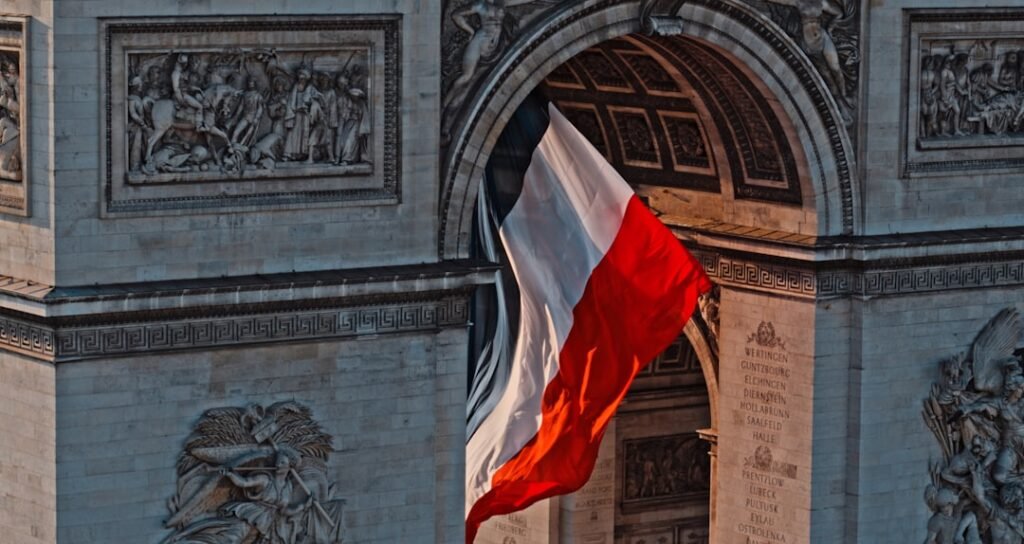
In an increasingly interconnected world, the ability to communicate in multiple languages has become a valuable asset, particularly for those who love to travel. French, often referred to as the language of love, is not only a beautiful language but also one of the most widely spoken languages globally. For travellers venturing into French-speaking regions, whether it be the romantic streets of Paris, the sun-kissed beaches of the Côte d’Azur, or the charming villages of Quebec, having a grasp of the French language can significantly enhance the travel experience.
The NLS Norwegian Language School in Oslo offers comprehensive French courses tailored specifically for travellers, ensuring that students acquire essential language skills that will serve them well on their journeys. The courses at NLS are designed to cater to various proficiency levels, from complete beginners to those looking to refine their existing skills. The curriculum focuses on practical language use, enabling students to engage confidently with locals and navigate everyday situations.
By learning key phrases and expressions, travellers can immerse themselves in the culture and connect with people on a deeper level. This not only enriches the travel experience but also fosters a sense of respect and appreciation for the host country’s language and customs. Ready to say Bonjour to fluency? Your French journey starts at NLS Norwegian Language School. Enroll in a French class today!
Summary
- Learning basic French phrases can greatly enhance your travel experience in France.
- Politeness is key in French culture, so mastering greetings and polite expressions is essential.
- Knowing how to ask for directions and understand the responses will help you navigate French cities with ease.
- Ordering food and drinks in French restaurants will be much easier with a few key phrases at your disposal.
- Understanding how to make reservations and navigate shopping and bargaining will make your trip to France more enjoyable.
Greetings and Polite Expressions
When travelling in a French-speaking country, mastering greetings and polite expressions is essential. A simple “Bonjour” (Good morning) or “Bonsoir” (Good evening) can go a long way in establishing rapport with locals. The French take great pride in their language and culture, and using these basic greetings demonstrates respect and willingness to engage.
At NLS, students learn not only how to pronounce these phrases correctly but also the nuances of when to use them, ensuring they make a positive impression. Politeness is deeply ingrained in French culture, and expressions such as “S’il vous plaît” (Please) and “Merci” (Thank you) are fundamental. These phrases are not merely formalities; they reflect an understanding of social etiquette that is highly valued in France.
The NLS curriculum emphasises the importance of these expressions, providing students with opportunities to practice them in real-life scenarios. By incorporating polite expressions into their interactions, travellers can navigate social situations with ease and grace.
Asking for Directions
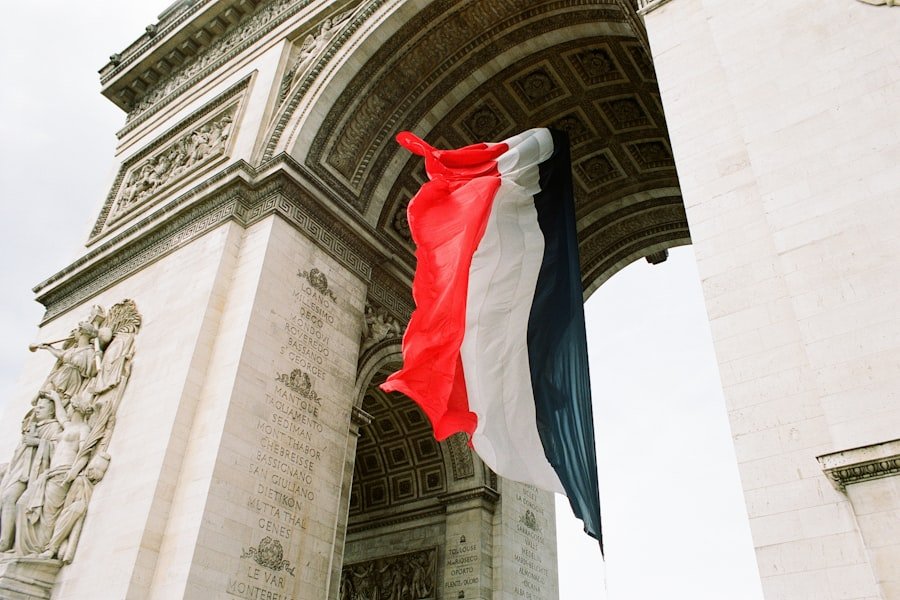
Navigating a new city can be daunting, especially when language barriers come into play. However, knowing how to ask for directions in French can alleviate much of this stress. At NLS, students learn essential phrases such as “Excusez-moi, où est…?” (Excuse me, where is…?) and “Pouvez-vous m’aider?” (Can you help me?).
These phrases empower travellers to seek assistance confidently, whether they are looking for a specific landmark or trying to find their way back to their accommodation. In addition to learning how to ask for directions, students at NLS are taught how to understand responses. This includes familiarising themselves with common directional vocabulary such as “à gauche” (to the left), “à droite” (to the right), and “tout droit” (straight ahead).
By equipping themselves with both questions and answers, travellers can navigate unfamiliar streets with greater ease. The practical exercises at NLS simulate real-life situations, allowing students to practice their skills in a supportive environment before embarking on their travels.
Ordering Food and Drinks
One of the most delightful aspects of travelling is indulging in local cuisine. In French-speaking countries, knowing how to order food and drinks is crucial for a fulfilling culinary experience. The NLS French courses provide students with the vocabulary and phrases necessary to navigate menus confidently.
From ordering a simple café au lait to requesting a three-course meal at a fine dining restaurant, students learn how to articulate their preferences clearly. Moreover, understanding food-related vocabulary enhances the dining experience significantly. Students at NLS are introduced to various dishes, ingredients, and cooking styles unique to French cuisine.
This knowledge not only helps them make informed choices but also allows them to engage in conversations about food with locals. Phrases such as “Je voudrais…” (I would like…) and “L’addition, s’il vous plaît” (The bill, please) become second nature through practice, ensuring that students can enjoy their meals without feeling overwhelmed by language barriers.
Making Reservations
Whether it’s securing a table at a popular restaurant or booking a room at a charming hotel, making reservations is an integral part of travel planning. The ability to communicate effectively in French can make this process smoother and more enjoyable. At NLS, students learn how to make reservations over the phone or in person using phrases like “Je voudrais réserver une table pour deux” (I would like to reserve a table for two) or “Avez-vous des chambres disponibles?” (Do you have any rooms available?).
The courses also cover essential vocabulary related to dates and times, enabling students to specify their preferences accurately. Understanding how to communicate availability and special requests is crucial when making reservations. By practising these scenarios in class, students gain confidence in their ability to handle reservations independently during their travels.
Shopping and Bargaining
Shopping in a foreign country can be an exciting adventure, but it often comes with its own set of challenges. Knowing how to communicate effectively while shopping can enhance the experience significantly. At NLS, students learn key phrases for shopping such as “Combien ça coûte?” (How much does it cost?) and “Puis-je essayer cela?” (Can I try this on?).
These phrases empower travellers to engage with shopkeepers and make informed purchasing decisions. In many markets and boutiques, bargaining is a common practice. Understanding how to negotiate prices in French can lead to better deals and a more authentic shopping experience.
Students at NLS are taught not only the vocabulary related to bargaining but also cultural nuances that accompany this practice. By role-playing various shopping scenarios, students develop the confidence needed to navigate markets and shops effectively.
Emergency Phrases
While travelling is often filled with joy and adventure, it is essential to be prepared for unexpected situations that may arise. Knowing how to communicate during emergencies can be life-saving. The NLS French courses include vital emergency phrases such as “Au secours!” (Help!) and “J’ai besoin d’un médecin” (I need a doctor).
These phrases are crucial for ensuring that travellers can seek assistance when needed. Additionally, students learn how to describe their situation succinctly in French, which can be invaluable when communicating with authorities or medical personnel. Understanding emergency numbers and local resources is also covered in the curriculum.
By equipping themselves with this knowledge, travellers can feel more secure and confident while exploring new destinations.
Cultural Etiquette and Customs
Language is deeply intertwined with culture, and understanding cultural etiquette is essential for respectful interactions while travelling. The NLS courses emphasise the importance of cultural awareness alongside language learning. Students explore various customs and traditions unique to French-speaking countries, such as greetings, dining etiquette, and social norms.
For instance, it is customary in France to greet shopkeepers upon entering a store with a polite “Bonjour.” Failing to do so may be perceived as rude. Similarly, understanding dining etiquette—such as keeping hands on the table during meals—can enhance social interactions during dining experiences. By learning about these cultural nuances at NLS, students are better prepared to navigate social situations gracefully.
Useful Travel Phrases
In addition to specific scenarios like ordering food or asking for directions, there are numerous useful travel phrases that every traveller should know. The NLS curriculum includes a comprehensive list of these phrases that cover various aspects of travel. Phrases such as “Où est la gare?” (Where is the train station?) or “Je ne comprends pas” (I do not understand) are invaluable for everyday interactions.
Moreover, students learn how to express their needs and preferences effectively while travelling. Whether it’s asking about local attractions or seeking recommendations from locals, having a repertoire of useful travel phrases enhances communication significantly. The emphasis on practical language use at NLS ensures that students feel equipped to handle diverse situations during their travels.
Common French Expressions
Beyond basic phrases, familiarising oneself with common French expressions can add depth to conversations and enhance understanding of the language’s nuances. Expressions such as “C’est la vie” (That’s life) or “Je ne sais quoi” (I don’t know what) are often used in everyday conversations and reflect cultural attitudes towards various situations. At NLS, students explore these expressions within context, learning when and how they are appropriately used.
This not only enriches their vocabulary but also provides insight into French culture and humour. By incorporating these expressions into their speech, travellers can connect more authentically with locals and engage in meaningful conversations.
Conclusion and Resources for Further Learning
In conclusion, learning French for travel purposes opens up a world of opportunities for enriching experiences in French-speaking countries. The courses offered by the NLS Norwegian Language School in Oslo provide an excellent foundation for acquiring essential language skills tailored specifically for travellers. From greetings and polite expressions to emergency phrases and cultural etiquette, students gain practical knowledge that enhances their confidence while navigating new environments.
For those looking to continue their language journey beyond the classroom, numerous resources are available for further learning. Online platforms offer interactive exercises and language exchange opportunities with native speakers. Additionally, immersing oneself in French media—such as films, music, and literature—can further enhance language skills while providing cultural insights.
Ultimately, embracing the French language not only facilitates communication but also fosters connections with people from diverse backgrounds. As travellers embark on their adventures armed with newfound language skills from NLS, they will undoubtedly find that speaking even a little French can lead to unforgettable experiences and lasting memories.




