

Ring in the New Year: Learn How to Wish Someone a Happy New Year in Chinese
The Chinese New Year, also known as the Spring Festival, is one of the most important and widely celebrated holidays in Chinese culture. It marks the beginning of the lunar calendar and is a time for family reunions, feasting, and honoring ancestors. The holiday typically falls between January 21st and February 20th and lasts for 15 days, with each day holding its own significance and customs.
During the Chinese New Year, family and community play a central role. It is a time for people to come together, regardless of distance or differences, to celebrate and strengthen their bonds. Family members travel from near and far to be together, often making it the only time of the year when everyone is under one roof. The holiday is also an opportunity for communities to come together through various festivities and events, fostering a sense of unity and belonging.
Table of Contents
ToggleThe Significance of the Year 2024 in the Chinese Zodiac
The Chinese zodiac is based on a 12-year cycle, with each year associated with a specific animal sign. These animal signs are believed to influence a person’s personality traits, compatibility with others, and even their fortune for the year. In 2024, the Year of the Dragon will be celebrated. The New Year’s Eve, where the Year of the Dragon starts, is on Saturday, February 10th, and the New Year’s celebration lasts until February 24th.
The Dragon is one of the most revered animal signs in Chinese culture. It is seen as a symbol of power, strength, and good fortune. People born in the Year of the Dragon are believed to possess these qualities as well. They are often seen as confident, ambitious, and charismatic individuals who can achieve great success in their endeavors.
Basic Greetings: How to Say “Happy New Year” in Chinese
When celebrating the Chinese New Year, it is customary to exchange greetings and well wishes with family, friends, and acquaintances. One of the most common greetings is “新年快乐,” which translates to “Happy New Year” in English.
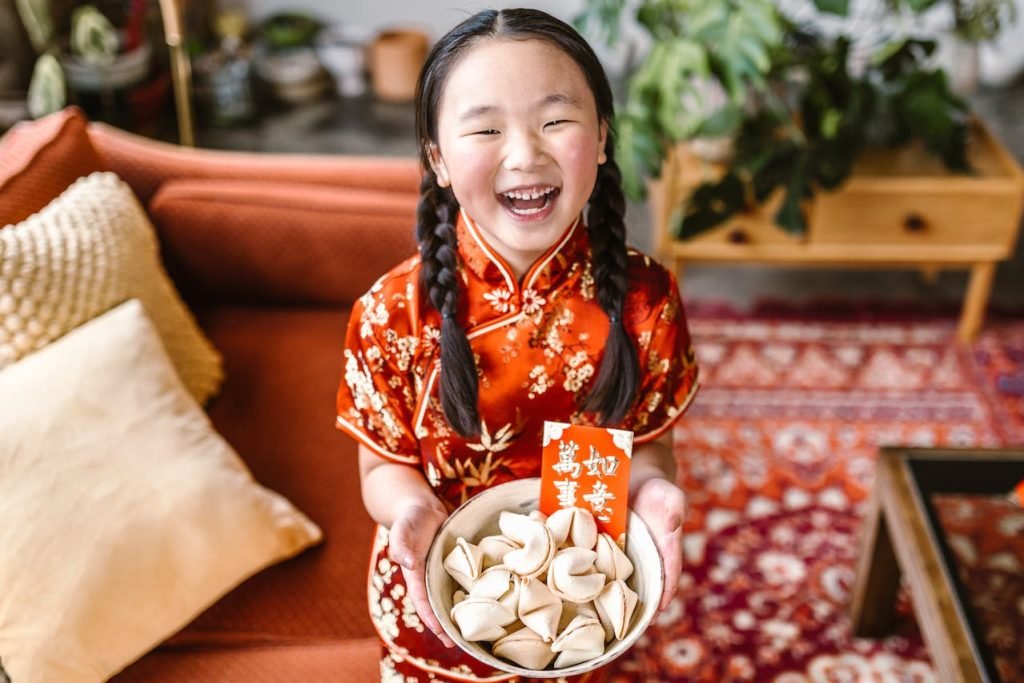
In addition to “新年快乐,” there are other greetings that can be used during the Chinese New Year. For example, “恭喜发财” means “Wishing you prosperity” and is often used to wish others good fortune and wealth in the coming year. Another common greeting is “万事如意,” which means “May everything go as you wish” and is used to express well wishes for success and happiness.
Traditional New Year’s Phrases and Expressions
During the Chinese New Year, there are several auspicious phrases and expressions that are commonly used to bring good luck and fortune. These phrases often contain wordplay or puns that sound similar to other words with positive meanings.
One example is the phrase “年年有余,” which means “May you have abundance every year.” The word “余” sounds similar to the word for fish in Chinese, symbolizing surplus and prosperity. Another popular phrase is “大吉大利,” which means “Great luck and great profit.” The word “吉” sounds similar to the word for chicken, symbolizing good luck and auspiciousness.
Customs and Traditions: How the Chinese Celebrate the New Year
The Chinese New Year is a time of rich traditions and customs that have been passed down through generations. One of the most important customs is cleaning the home before the start of the holiday. This is believed to sweep away any bad luck from the previous year and make way for good fortune in the coming year.
Another important tradition is decorating the home with red lanterns, couplets, and other auspicious symbols. Red is considered a lucky color in Chinese culture and is believed to ward off evil spirits. The decorations often feature symbols of good luck and prosperity, such as the Chinese character for “fu” (meaning “luck” or “blessing”) and images of the God of Wealth.
During the Chinese New Year, it is also common to visit family and friends to exchange greetings and well wishes. This is known as “拜年” and is a way to strengthen relationships and show respect to elders. It is customary to bring gifts, such as oranges or red envelopes filled with money, as a token of good fortune.
Food and Drink: Traditional New Year’s Dishes and Beverages
Food plays a central role in Chinese New Year celebrations, with each dish carrying its own symbolic meaning. One popular dish is “年糕,” a sticky rice cake that symbolizes progress and growth. The name “年糕” sounds similar to the phrase “年年高升,” which means “may you have a prosperous year.”
Another traditional dish is “饺子,” or dumplings, which are often eaten on New Year’s Eve. Dumplings are shaped like ancient Chinese gold ingots and are believed to bring wealth and prosperity in the coming year. Other popular dishes include fish, which symbolizes abundance, and longevity noodles, which represent long life.
In addition to food, there are also traditional beverages that are enjoyed during the Chinese New Year. One example is “白酒,” a strong distilled liquor that is often consumed during festive occasions. Another popular drink is “汤圆,” a sweet rice wine that is typically served warm. Tangyuan symbolizes family unity and harmony.
Lucky Symbols and Colors: Bringing Good Fortune in the New Year
Lucky symbols and colors play an important role in Chinese culture, especially during the New Year. Red is considered the luckiest color and is believed to ward off evil spirits. It is often used in decorations, clothing, and even envelopes for giving money.
Other lucky symbols include the Chinese character for “福” (meaning “luck” or “blessing”), which is often displayed upside down to symbolize the arrival of good fortune. The character for “寿” (meaning “longevity”) is also considered auspicious and is often seen on decorations and gifts.
In addition to colors and symbols, certain animals are also considered lucky in Chinese culture. For example, the dragon, phoenix, and turtle are all believed to bring good fortune and protection. These animals are often depicted in artwork and decorations during the Chinese New Year.
New Year’s Eve Countdown: Celebrating the Arrival of the New Year
The New Year’s Eve countdown is a significant moment during the Chinese New Year celebrations. It marks the transition from the old year to the new year and is a time for reflection, gratitude, and anticipation for what lies ahead.
During the countdown, it is common for families to gather together for a reunion dinner. This meal typically consists of traditional dishes and is a time for family members to share stories, laughter, and love. After dinner, many people participate in various activities such as watching fireworks, lighting firecrackers, or attending temple fairs.
Giving Red Envelopes: A Chinese New Year’s Tradition
One of the most beloved traditions during the Chinese New Year is the act of giving red envelopes filled with money. These envelopes, known as “hongbao,” are given to children, unmarried adults, and employees as a gesture of good luck and blessings for the coming year.
The color red is believed to bring good fortune and ward off evil spirits, making it the perfect choice for these envelopes. The amount of money inside can vary depending on the relationship between the giver and recipient, but it is always an auspicious amount such as an even number or an amount with the number 8, which is considered lucky in Chinese culture.
Embracing the New Year with Chinese Culture and Customs
The Chinese New Year is a time of joy, celebration, and reflection. It is an opportunity to honor traditions, strengthen family bonds, and embrace the rich culture of China. By learning about the significance of the Chinese zodiac, greetings, customs, and traditions, we can gain a deeper understanding and appreciation for this important holiday.
As we welcome the Year of the Dragon in 2024, let us embrace the qualities associated with this powerful animal sign – strength, ambition, and good fortune. Let us also remember the importance of family and community during this time, as they are the foundation of our lives.
In conclusion, the Chinese New Year is a time to come together, celebrate, and learn from different cultures. By embracing the customs and traditions of the Chinese New Year, we can not only bring good fortune into our own lives but also foster a sense of unity and understanding among people from all walks of life.
FAQs
What is the Chinese New Year?
The Chinese New Year, also known as the Spring Festival, is the most important traditional festival in China. It is celebrated on the first day of the Chinese lunar calendar, which usually falls between late January and mid-February.
How do Chinese people celebrate the New Year?
Chinese people celebrate the New Year with various customs and traditions, such as cleaning the house, decorating with red lanterns and couplets, having family reunions, eating traditional foods, giving red envelopes with money, and setting off fireworks.
How do you say “Happy New Year” in Chinese?
In Mandarin Chinese, “Happy New Year” is “新年快乐” (xīn nián kuài lè). In Cantonese Chinese, it is “新年快樂” (san nin faai lok).
What are some other New Year’s greetings in Chinese?
Other common New Year’s greetings in Chinese include “恭喜发财” (gōng xǐ fā cái), which means “wishing you prosperity,” and “万事如意” (wàn shì rú yì), which means “may all your wishes come true.”
What are some traditional foods eaten during the Chinese New Year?
Some traditional foods eaten during the Chinese New Year include dumplings, fish, rice cakes, spring rolls, and sweet rice balls. These foods are believed to bring good luck and prosperity in the new year.
If you want to learn Chinese, you can register for classes here. We look forward to hearing from you and helping you become fluent in Chinese!
Recent Posts




