

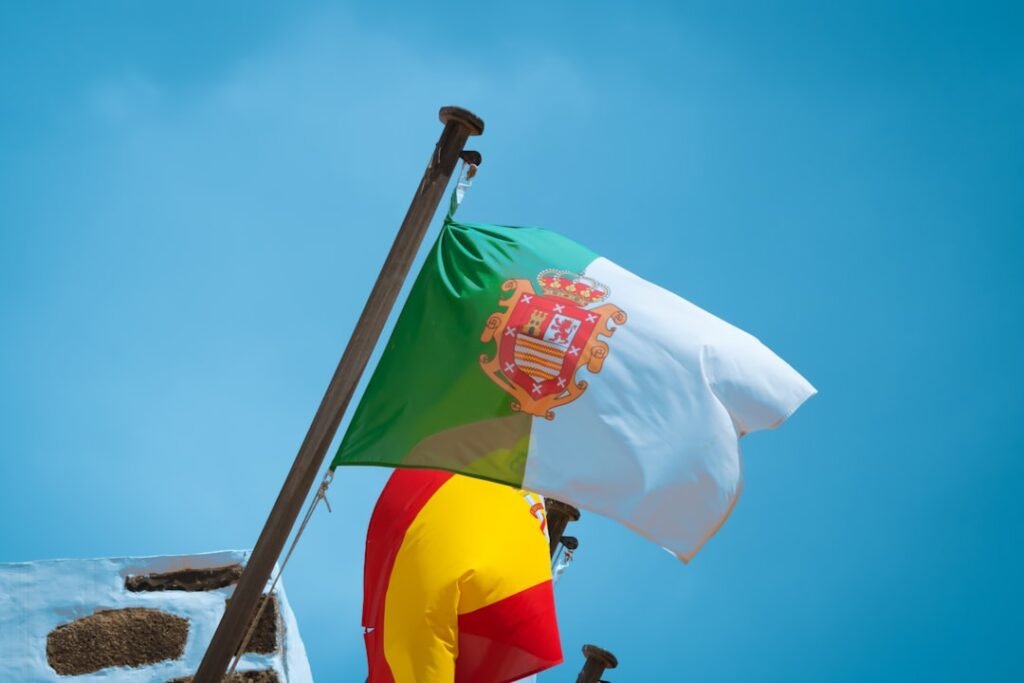
In the heart of Oslo, the NLS Norwegian Language School offers a vibrant and engaging environment for those eager to learn Spanish. As one of the most widely spoken languages in the world, Spanish opens doors to diverse cultures, travel opportunities, and professional prospects. The allure of mastering this beautiful language is palpable, especially in a cosmopolitan city like Oslo, where multiculturalism thrives.
With a growing interest in Spanish among Norwegians, the NLS provides a structured approach to language learning that caters to various proficiency levels, ensuring that students can embark on their linguistic journey with confidence. Learning Spanish in Oslo is not merely about acquiring a new language; it is about embracing a rich cultural heritage that spans continents. The NLS recognises the importance of creating an immersive and supportive environment where students can flourish.
With experienced instructors and a well-designed curriculum, learners are equipped with the tools they need to navigate the complexities of the Spanish language while also gaining insights into the cultures of Spanish-speaking countries. This holistic approach to language education makes the NLS an ideal choice for anyone looking to delve into the world of Spanish. Start learning Spanish this season. Enroll in a course at the NLS Norwegian Language School.
Summary
- Learning Spanish in Oslo offers a unique opportunity to immerse oneself in the language and culture.
- A structured curriculum is essential for effective language learning, providing a clear path to proficiency.
- The components of a structured Spanish curriculum include grammar, vocabulary, speaking, listening, reading, and writing.
- A structured curriculum focuses on developing all language skills, ensuring a well-rounded proficiency in Spanish.
- Cultural integration is an important aspect of learning Spanish, allowing students to understand the language in its cultural context.
The Importance of a Structured Curriculum
A structured curriculum is essential for effective language learning, particularly for a language as intricate as Spanish. At the NLS, the curriculum is meticulously designed to provide a clear pathway for students, guiding them from foundational concepts to advanced language skills. This structured approach ensures that learners are not overwhelmed by the vastness of the language but instead can build their knowledge incrementally.
Each lesson is thoughtfully crafted to reinforce previous learning while introducing new vocabulary and grammatical structures, creating a cohesive learning experience. Moreover, a structured curriculum allows for consistency and progression. Students can track their development and see tangible results as they advance through different levels of proficiency.
This sense of achievement is crucial for maintaining motivation and engagement in the learning process. At the NLS, instructors are dedicated to fostering an environment where students feel supported and encouraged, making the journey of learning Spanish both enjoyable and rewarding.
The Components of a Structured Spanish Curriculum

The structured Spanish curriculum at the NLS encompasses several key components that work together to facilitate comprehensive language acquisition. Firstly, the curriculum includes a strong emphasis on grammar and vocabulary, which are foundational elements in mastering any language. Students engage with various exercises that challenge them to apply grammatical rules and expand their vocabulary in context, ensuring that they can communicate effectively in real-life situations.
In addition to grammar and vocabulary, the curriculum incorporates listening and speaking activities that promote active engagement with the language. Through interactive lessons, students practice their conversational skills, enhancing their ability to express themselves fluently and confidently. Furthermore, reading and writing exercises are integrated into the curriculum, allowing learners to develop their literacy skills in Spanish.
This multifaceted approach ensures that students are well-rounded in their language abilities, preparing them for diverse communication scenarios.
Language Skills Development in a Structured Curriculum
Language skills development is at the core of the NLS’s structured curriculum for Spanish learners. The school employs a balanced approach that prioritises all four essential language skills: listening, speaking, reading, and writing. Each skill is given equal importance, allowing students to develop a comprehensive understanding of the language.
For instance, listening exercises expose students to authentic Spanish audio materials, helping them attune their ears to different accents and speech patterns. Speaking practice is equally vital; students engage in dialogues and role-playing activities that simulate real-life conversations. This interactive approach not only builds confidence but also encourages learners to think on their feet and respond spontaneously in Spanish.
Reading comprehension exercises introduce students to various texts, from literature to news articles, broadening their exposure to different writing styles and contexts. Finally, writing assignments challenge students to articulate their thoughts coherently in written form, reinforcing their grasp of grammar and vocabulary.
Cultural Integration in Spanish Language Learning
Cultural integration is an integral aspect of learning Spanish at the NLS. Understanding the cultural nuances of a language enriches the learning experience and fosters a deeper connection with the material. The curriculum incorporates cultural lessons that explore traditions, customs, and historical contexts of Spanish-speaking countries.
This cultural immersion not only enhances language comprehension but also cultivates an appreciation for diversity. Through cultural integration, students gain insights into various aspects of life in Spanish-speaking regions, from culinary traditions to festivals and celebrations. Such knowledge equips learners with the ability to engage meaningfully with native speakers and navigate social situations with cultural sensitivity.
At the NLS, instructors often share personal experiences or invite guest speakers from Spanish-speaking backgrounds, further enriching the cultural dimension of language learning.
The Role of Immersion in Learning Spanish in Oslo

Immersion plays a pivotal role in language acquisition, and at the NLS, efforts are made to create an immersive environment for Spanish learners. While Oslo may not be a Spanish-speaking city, the school employs various strategies to simulate immersion within its classrooms. For instance, instructors conduct lessons primarily in Spanish, encouraging students to think and respond in the target language from day one.
Additionally, extracurricular activities such as conversation clubs or cultural events provide opportunities for students to practice their language skills outside of formal lessons. These immersive experiences allow learners to interact with fellow students and native speakers alike, reinforcing their confidence and fluency. By fostering an environment where Spanish is actively used and celebrated, the NLS helps students internalise the language more effectively.
Teaching Methods and Approaches in a Structured Curriculum
The teaching methods employed at the NLS are diverse and tailored to accommodate different learning styles. Instructors utilise communicative approaches that prioritise interaction and practical usage of the language over rote memorisation. This method encourages students to engage actively with their peers and instructors, facilitating meaningful conversations that enhance their speaking abilities.
Furthermore, technology is integrated into lessons through multimedia resources such as videos, podcasts, and interactive online platforms. These tools not only make learning more engaging but also expose students to authentic language use in various contexts. The combination of traditional teaching methods with modern technology creates a dynamic learning environment that caters to the needs of all students.
Assessment and Progress Tracking in Spanish Language Learning
Assessment is a crucial component of any structured curriculum, providing valuable feedback on student progress and areas for improvement. At the NLS, assessments are conducted regularly through quizzes, oral presentations, and written assignments. These evaluations help instructors gauge each student’s understanding of the material and adjust their teaching strategies accordingly.
Moreover, progress tracking is emphasised throughout the learning journey. Students receive constructive feedback on their performance, allowing them to identify strengths and weaknesses in their language skills. This ongoing assessment process fosters a growth mindset among learners, encouraging them to set personal goals and strive for continuous improvement.
Resources and Support for Learning Spanish in Oslo
The NLS offers a wealth of resources and support for students embarking on their Spanish learning journey. In addition to comprehensive course materials, learners have access to an extensive library of books, audio recordings, and online resources that complement classroom instruction. These materials cater to various proficiency levels and interests, ensuring that every student can find resources that resonate with them.
Furthermore, the school provides additional support through tutoring sessions and conversation partners for those seeking extra practice outside regular classes. This personalised attention allows students to address specific challenges they may face while learning Spanish. The supportive community at the NLS fosters collaboration among learners, creating an environment where students can share experiences and motivate one another.
The Benefits of a Structured Curriculum for Learning Spanish
The benefits of a structured curriculum for learning Spanish at the NLS are manifold. Firstly, it provides clarity and direction for students as they navigate their language-learning journey. With clearly defined goals and milestones, learners can measure their progress effectively and celebrate achievements along the way.
Additionally, a structured curriculum promotes consistency in learning outcomes across different proficiency levels. Students can transition smoothly from one level to another without feeling lost or overwhelmed by new concepts. This continuity fosters confidence in learners as they build upon their existing knowledge while exploring more complex aspects of the language.
Achieving Proficiency in Spanish through a Structured Curriculum
In conclusion, achieving proficiency in Spanish through a structured curriculum at the NLS Norwegian Language School is not only attainable but also an enriching experience. The combination of a well-designed curriculum, cultural integration, immersive practices, diverse teaching methods, and robust support systems creates an ideal environment for language acquisition. As students embark on this journey in Oslo—a city that embraces diversity—they are not just learning a new language; they are opening themselves up to new cultures and opportunities that will last a lifetime.
With dedication and commitment to their studies, learners at the NLS can confidently navigate conversations in Spanish-speaking contexts while appreciating the rich tapestry of cultures associated with this beautiful language. Whether for personal enrichment or professional advancement, mastering Spanish at the NLS equips students with invaluable skills that will serve them well beyond their time in class.
Enroll in a Spanish course at the NLS Norwegian Language School.




