

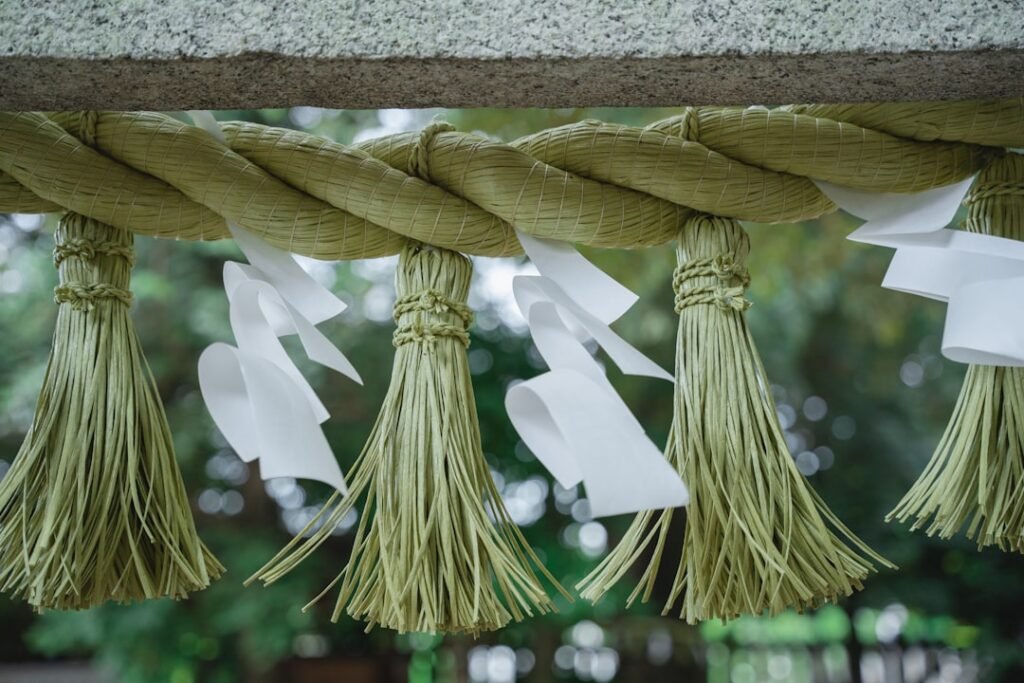
Japan is a land steeped in rich cultural heritage, where ancient traditions coexist harmoniously with modern life. Among the most significant aspects of this heritage are the numerous shrines and temples that dot the landscape, each telling a unique story of the country’s spiritual journey. These sacred sites are not merely tourist attractions; they are places of worship and reflection, where visitors can immerse themselves in the serene atmosphere and learn about the spiritual practices that have shaped Japanese society for centuries.
Whether you are drawn to the tranquil beauty of a Shinto shrine or the intricate architecture of a Buddhist temple, visiting these sites offers a profound insight into Japan’s religious and cultural identity. As you embark on your journey to explore these sacred spaces, it is essential to approach them with respect and understanding. Each shrine and temple has its own set of customs and traditions that govern how visitors should behave.
By familiarising yourself with these practices, you can ensure that your experience is both enriching and respectful. This article aims to provide you with a comprehensive guide to navigating the world of Japanese shrines and temples, covering everything from greetings and etiquette to common phrases that will help you communicate effectively during your visit. Learn Japanese at the Norwegian Language School.
Summary
- When visiting shrines and temples in Japan, it is important to be respectful and follow proper etiquette to show reverence for the religious and cultural significance of these sites.
- Greetings and polite expressions such as “Konnichiwa” (hello) and “Arigatou gozaimasu” (thank you) are essential when interacting with shrine and temple staff and worshippers.
- Visitors should observe shrine and temple etiquette, including bowing before entering, refraining from taking photos in certain areas, and cleansing hands and mouth at purification fountains.
- Understanding common religious terms and concepts such as “omamori” (amulet) and “ema” (wooden wishing plaques) can enhance the experience of visiting shrines and temples.
- Important shrine and temple features to look out for include torii gates, pagodas, and the main hall where worshippers make their prayers and offerings.
Greetings and Polite Expressions
In Japan, greetings are an integral part of social interaction, reflecting the country’s deep-rooted values of respect and politeness. When visiting shrines and temples, it is customary to greet the staff or fellow visitors with a simple “Konnichiwa,” which means “Hello.” This expression is not only a polite way to acknowledge others but also sets a positive tone for your visit. Additionally, when entering a shrine or temple, it is common to bow slightly as a sign of respect.
This gesture is deeply ingrained in Japanese culture and signifies humility and reverence. Polite expressions extend beyond mere greetings; they encompass a range of phrases that can enhance your interactions while visiting these sacred sites. For instance, saying “Arigatou gozaimasu” (Thank you very much) when receiving assistance or guidance demonstrates appreciation for the hospitality extended to you.
Furthermore, if you find yourself in need of help or directions, using phrases like “Sumimasen” (Excuse me) or “Eigo o hanasemasu ka?” (Do you speak English?) can facilitate communication and show your willingness to engage with the local culture.
Shrine and Temple Etiquette
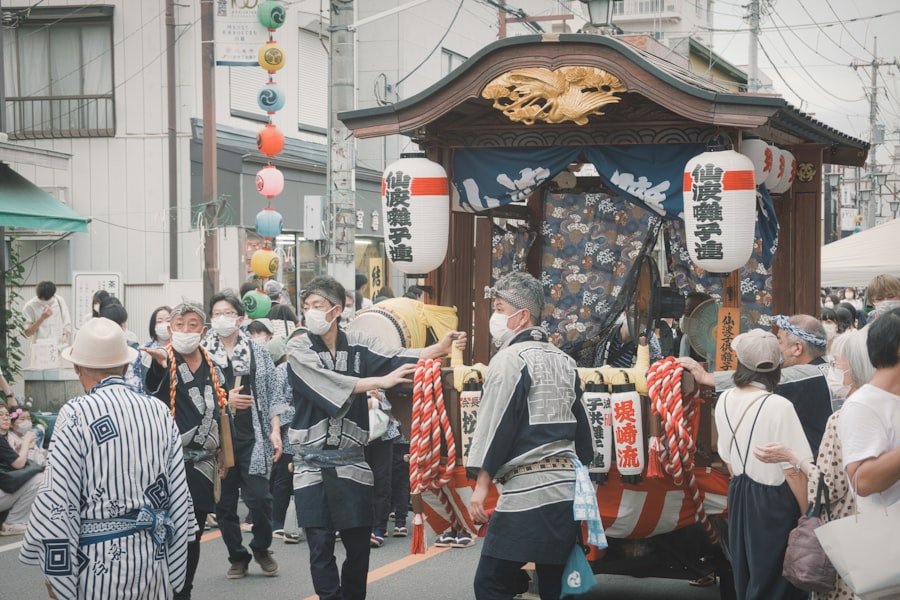
Understanding the etiquette associated with visiting shrines and temples is crucial for ensuring a respectful experience. Upon arrival at a shrine, it is customary to purify oneself at the temizuya, or purification fountain. This involves rinsing your hands and mouth with water to cleanse both body and spirit before approaching the sacred space.
Observing this ritual not only aligns with Shinto beliefs but also demonstrates your respect for the traditions upheld at these sites. When inside a shrine or temple, it is important to maintain a quiet demeanour, as these spaces are often places of contemplation and prayer. Speaking softly and refraining from disruptive behaviour allows others to engage in their spiritual practices without distraction.
Additionally, when taking photographs, be mindful of any signs indicating restrictions, as some areas may prohibit photography out of respect for the sanctity of the space. By adhering to these guidelines, you contribute to an atmosphere of reverence that enhances the experience for everyone present.
Common Religious Terms and Concepts
To fully appreciate the significance of shrines and temples in Japan, it is helpful to familiarise yourself with some common religious terms and concepts. Shinto, the indigenous religion of Japan, revolves around the worship of kami, or spirits associated with natural elements such as mountains, rivers, and trees. Understanding this concept enriches your experience at Shinto shrines, where offerings are made to honour these spirits.
On the other hand, Buddhism, which was introduced to Japan from China and Korea, focuses on the teachings of Siddhartha Gautama, known as the Buddha. Key concepts such as karma (the law of cause and effect) and samsara (the cycle of birth, death, and rebirth) are central to Buddhist philosophy. Familiarising yourself with these terms can deepen your understanding of the rituals and practices observed at Buddhist temples, allowing you to engage more meaningfully with the spiritual atmosphere.
Important Shrine and Temple Features
As you explore various shrines and temples across Japan, you’ll encounter distinct architectural features that reflect their unique cultural significance. Shinto shrines often feature a torii gate at their entrance, symbolising the transition from the mundane to the sacred. This iconic structure serves as a reminder that one is entering a space dedicated to kami worship.
In contrast, Buddhist temples typically showcase intricate pagodas and statues of the Buddha or bodhisattvas. The design elements often incorporate natural materials such as wood and stone, harmonising with the surrounding environment. Additionally, many temples have beautiful gardens that serve as tranquil spaces for meditation and reflection.
By observing these architectural features, you gain insight into the beliefs and values that underpin each religious tradition.
Traditional Rituals and Practices
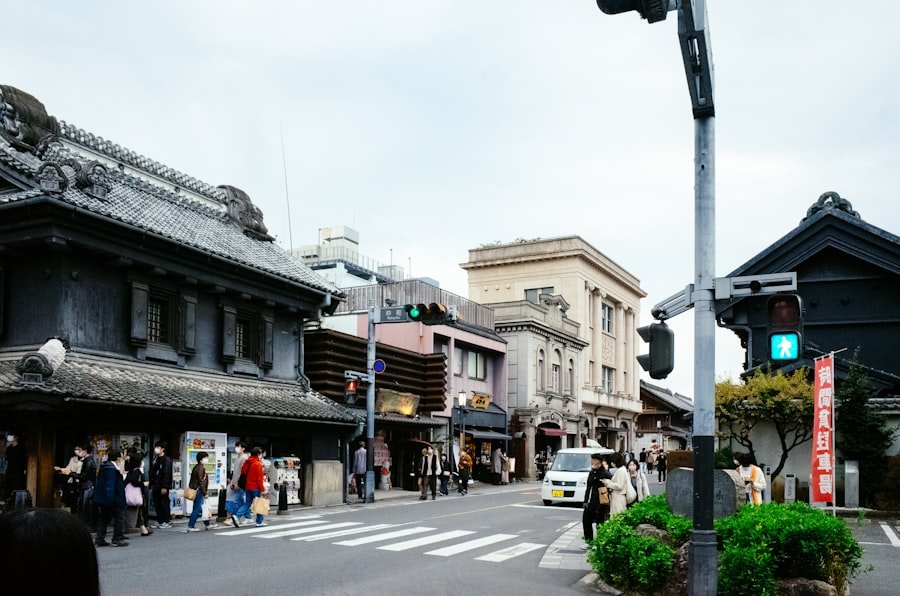
Visiting shrines and temples provides an opportunity to witness traditional rituals that have been passed down through generations. At Shinto shrines, one common practice is the offering of ema—small wooden plaques on which visitors write their wishes or prayers before hanging them up for kami to receive. This act embodies hope and faith in the divine.
Buddhist temples often host ceremonies such as memorial services or meditation sessions that invite participants to engage in mindfulness practices. Observing these rituals can be a profound experience, allowing you to connect with the spiritual essence of Japan’s religious landscape. Whether participating in a ceremony or simply observing from a distance, these moments offer valuable insights into the cultural fabric of Japanese society.
Offerings and Donations
When visiting shrines and temples, it is customary to make offerings or donations as a sign of respect and gratitude. At Shinto shrines, visitors often toss coins into an offering box before bowing in prayer—a gesture that signifies goodwill towards the kami. The act of giving is not merely transactional; it represents a heartfelt connection between the worshipper and the divine.
In Buddhist temples, offerings may take different forms, such as incense sticks or flowers placed before statues of the Buddha. These offerings serve as symbols of devotion and reverence for the teachings of Buddhism. Understanding the significance behind these practices enhances your appreciation for the spiritual atmosphere within these sacred spaces.
Clothing and Dress Code
When visiting shrines and temples in Japan, dressing appropriately is essential to demonstrate respect for the sacredness of these sites. While there are no strict dress codes enforced at most locations, it is advisable to wear modest clothing that covers shoulders and knees. This consideration reflects an understanding of cultural norms and shows reverence for the spiritual environment.
In addition to modesty, wearing comfortable shoes is recommended since many shrines and temples require visitors to remove their footwear before entering certain areas. By adhering to these guidelines regarding clothing and dress code, you contribute to an atmosphere of respect that enhances your overall experience while exploring Japan’s religious heritage.
Directions and Navigation
Navigating your way through Japan’s shrines and temples can be an adventure in itself. Many sites are located in serene natural settings or within bustling urban areas, making it essential to have a basic understanding of directions in Japanese. Familiarising yourself with key phrases such as “Koko wa doko desu ka?” (Where is this place?) or “Eki wa doko desu ka?” (Where is the station?) can be invaluable when seeking assistance from locals.
Additionally, utilising maps or navigation apps can help you find your way around unfamiliar areas. Many shrines and temples are well-signposted in both Japanese and English; however, having a basic grasp of Japanese directional terms can enhance your ability to communicate effectively with locals who may not speak English fluently.
Food and Drink Vocabulary
While exploring shrines and temples, you may encounter food stalls or shops offering traditional snacks and beverages nearby. Familiarising yourself with food vocabulary can enhance your culinary experience during your visit. For instance, “yakitori” refers to grilled chicken skewers that are popular among visitors seeking a quick bite after exploring sacred sites.
Additionally, “matcha” (green tea) is often served at tea houses near temples, providing an opportunity to savour this quintessentially Japanese beverage while enjoying the tranquil surroundings. Knowing how to order food or express preferences using phrases like “Kore o kudasai” (Please give me this) can make your culinary adventures more enjoyable.
Common Phrases for Asking Questions and Seeking Help
Asking questions during your visit can lead to enriching experiences and deeper connections with local culture. Familiarising yourself with common phrases for seeking help can facilitate communication when navigating unfamiliar environments. For example, “Sumimasen” (Excuse me) can be used when approaching someone for assistance.
If you’re unsure about specific customs or practices at a shrine or temple, asking “Kono shurine wa nani no tame no mono desu ka?” (What is this shrine for?) can provide valuable insights into its significance. Additionally, expressing gratitude with “Arigatou gozaimasu” after receiving help fosters goodwill between you and those you encounter along your journey. In conclusion, visiting shrines and temples in Japan offers an unparalleled opportunity to connect with the country’s rich cultural heritage while engaging in meaningful spiritual practices.
By understanding greetings, etiquette, religious concepts, important features, traditional rituals, offerings, dress codes, navigation tips, food vocabulary, and common phrases for communication, you can enhance your experience significantly. For those interested in delving deeper into Japanese culture through language learning, consider enrolling in Japanese courses at NLS Norwegian Language School. These courses provide an excellent foundation for understanding not only the language but also the cultural nuances that accompany it—making your visits to shrines and temples even more enriching as you engage with locals on a deeper level.
Embrace this opportunity to learn about Japan’s language alongside its spiritual traditions; it will undoubtedly enhance your journey through this captivating country.
Ready to speak Japanese? Enroll for Japanese classes at the NLS Norwegian Language School!




