

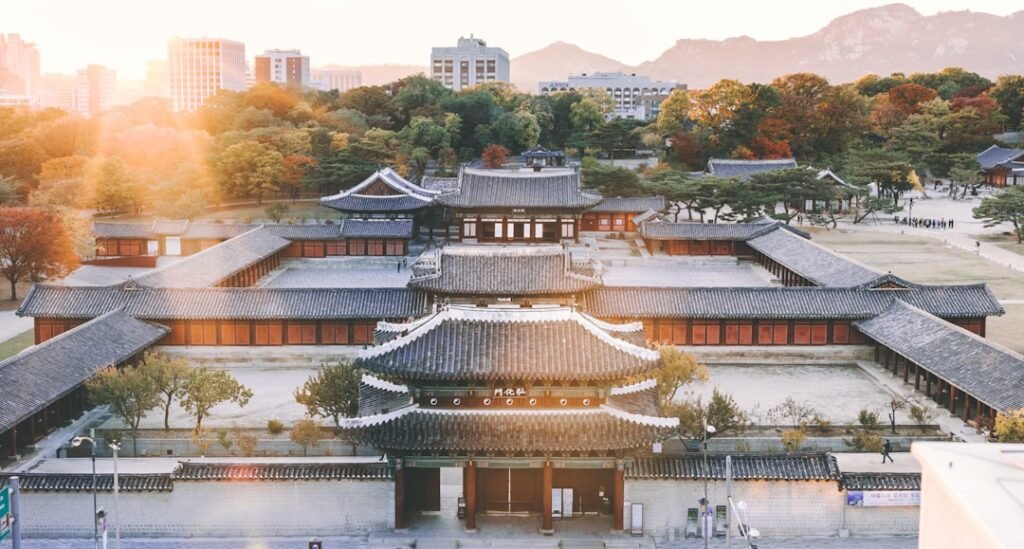
Korean culture is a rich tapestry woven from centuries of history, tradition, and social norms. At the heart of this culture lies a profound emphasis on politeness and respect, which permeates every aspect of daily life. From the way people greet one another to the language they use, the importance of maintaining harmony and showing consideration for others is paramount.
This cultural framework is particularly evident in the Korean language, where various levels of formality dictate how individuals interact with one another. Understanding these nuances is essential for anyone looking to engage meaningfully with Korean society. Politeness in Korea is not merely a matter of etiquette; it reflects a deep-seated respect for hierarchy and relationships.
The language itself is structured to convey respect, with different verb endings and expressions used depending on the social status of the person being addressed. This intricate system of politeness is not only a linguistic feature but also a cultural cornerstone that shapes interpersonal interactions. As one delves into the intricacies of Korean culture, it becomes clear that mastering the art of politeness is crucial for fostering positive relationships and navigating social situations effectively. Start learning Korean at the NLS Norwegian Language School in Oslo now!
Summary
- Korean culture places a strong emphasis on politeness and respect in language and interactions.
- Saying “You’re welcome” in Korean is an important part of showing gratitude and respect in conversations.
- Basic Korean phrases for “You’re welcome” include “천만에요” (cheonmaneyo) and “별말씀을요” (byeolmalsseumeulyo).
- There are formal and informal ways to say “You’re welcome” in Korean, depending on the level of politeness required in the situation.
- Understanding the importance of politeness levels in Korean language is crucial for effective communication and building relationships.
Understanding the Importance of Saying “You’re Welcome” in Korean
In Korean culture, the phrase “you’re welcome” holds significant weight, serving as a bridge between gratitude and humility. When someone expresses thanks, responding with an appropriate acknowledgment is not just a matter of courtesy; it reflects an understanding of social dynamics and respect for the other person’s feelings. The act of saying “you’re welcome” reinforces the bond between individuals, creating a sense of mutual appreciation that is vital in maintaining harmonious relationships.
Moreover, the response to gratitude in Korean culture often goes beyond mere words. It embodies a philosophy of reciprocity and interconnectedness, where acknowledging someone’s thanks is seen as an opportunity to strengthen social ties. This cultural perspective highlights the importance of being attuned to the emotions of others and responding in a way that fosters goodwill.
Thus, understanding how to say “you’re welcome” in Korean is not only about language proficiency but also about embracing the underlying values that shape interpersonal interactions.
Basic Korean Phrases for “You’re Welcome”
When learning how to express “you’re welcome” in Korean, it is essential to familiarise oneself with the basic phrases commonly used in everyday conversations. The most straightforward way to say “you’re welcome” is “천만에요” (cheonmaneyo), which translates directly to “it’s nothing.” This phrase conveys a sense of humility and indicates that the speaker does not consider the act worthy of significant acknowledgment. It is a polite response that can be used in various contexts, making it a staple in any learner’s vocabulary.
Another common expression is “아니에요” (anieyo), which means “no” or “not at all.” This phrase can be used interchangeably with “천만에요” to convey a similar sentiment of modesty. Both expressions are widely accepted and understood, making them essential tools for anyone wishing to engage in polite conversation in Korean. By mastering these basic phrases, learners can begin to navigate social interactions with greater confidence and ease.
Formal and Informal Ways to Say “You’re Welcome” in Korean
Korean language distinguishes between formal and informal speech, which is crucial when deciding how to respond to expressions of gratitude. In formal settings, particularly when addressing elders or superiors, using “천만에요” (cheonmaneyo) is appropriate. This phrase maintains a level of respect while still conveying warmth and friendliness.
It is essential to recognise the context in which one is speaking, as using informal language in a formal situation can be perceived as disrespectful. Conversely, in casual settings among friends or peers, one might opt for “아니에요” (anieyo) as a more relaxed response. This informal expression fosters a sense of camaraderie and familiarity, allowing for a more comfortable exchange.
Understanding when to use formal versus informal language is vital for effective communication in Korean culture, as it reflects one’s awareness of social hierarchies and relationships.
The Importance of Politeness Levels in Korean Language
The concept of politeness levels in the Korean language is intricate and multifaceted, influencing not only how one speaks but also how one interacts socially. The language features various speech levels that correspond to different degrees of formality, each with its own set of verb endings and vocabulary choices. This system serves as a reflection of societal values, where respect for elders and authority figures is deeply ingrained.
Navigating these politeness levels requires careful consideration of context and relationships. For instance, when speaking to someone older or in a position of authority, using formal language demonstrates respect and acknowledges their status. Conversely, when conversing with close friends or younger individuals, informal language fosters intimacy and connection.
Mastering these nuances is essential for anyone wishing to communicate effectively within Korean society, as it allows for more meaningful interactions that honour cultural traditions.
Cultural Context and Gestures When Saying “You’re Welcome” in Korean

In addition to verbal expressions, non-verbal communication plays a significant role in conveying politeness in Korean culture. When responding to someone’s gratitude with “you’re welcome,” it is common to accompany the phrase with a slight bow or nod of the head. This gesture reinforces the sentiment expressed through words and demonstrates respect for the other person.
Such physical cues are integral to effective communication in Korea, as they enhance the overall message being conveyed. Furthermore, maintaining eye contact while responding can also signify sincerity and attentiveness. In contrast, avoiding eye contact may be interpreted as disinterest or disrespect.
Therefore, being mindful of both verbal and non-verbal cues is essential when engaging in conversations within Korean culture. By incorporating these gestures into everyday interactions, individuals can foster a deeper sense of connection and understanding with their Korean counterparts.
Common Situations and Scenarios for Using “You’re Welcome” in Korean
The phrase “you’re welcome” can be employed in various situations throughout daily life in Korea. For instance, if someone compliments you on your cooking or expresses gratitude for a favour you have done, responding with “천만에요” (cheonmaneyo) or “아니에요” (anieyo) would be appropriate. These exchanges not only acknowledge the other person’s gratitude but also reinforce social bonds through shared appreciation.
Additionally, in professional settings, responding to thanks from colleagues or clients with an appropriate expression of “you’re welcome” can help cultivate a positive work environment. Whether it’s after completing a project or assisting someone with a task, using polite language fosters goodwill and encourages collaboration. Recognising these common scenarios allows learners to practice their language skills meaningfully while also embracing the cultural significance behind each interaction.
Tips for Pronouncing “You’re Welcome” in Korean
Pronunciation can often be a challenge for learners of any new language, and Korean is no exception. To pronounce “천만에요” (cheonmaneyo) correctly, it helps to break it down into syllables: cheon-man-e-yo. The initial sound ‘cheon’ should be pronounced with a soft ‘ch’ sound followed by an ‘e’ that sounds like ‘uh.’ The second part ‘man’ should be pronounced quickly before moving on to ‘e-yo,’ where ‘e’ sounds like ‘ay’ in ‘say.’ Practising these syllables slowly before gradually increasing speed can aid in achieving fluency.
For “아니에요” (anieyo), breaking it down into ‘a-ni-e-yo’ can also facilitate easier pronunciation. The ‘a’ should be pronounced like ‘ah,’ while ‘ni’ sounds like ‘nee.’ The ‘e’ here should sound like ‘eh,’ leading into ‘yo,’ which has a soft ending similar to ‘yo’ in English. Regular practice with native speakers or through language learning resources can significantly improve pronunciation skills over time.
Other Ways to Express Gratitude in Korean Culture
While saying “you’re welcome” is an important aspect of responding to gratitude, there are numerous other ways to express appreciation within Korean culture. For instance, phrases such as “감사합니다” (gamsahamnida), meaning “thank you,” are frequently used to convey gratitude directly. This expression can be complemented by gestures such as bowing or offering small gifts as tokens of appreciation.
Additionally, Koreans often express gratitude through actions rather than words alone. For example, offering assistance or returning favours can serve as powerful expressions of appreciation that resonate deeply within social circles. Understanding these various forms of expressing gratitude enriches one’s engagement with Korean culture and highlights the importance placed on reciprocity and kindness.
Etiquette and Manners When Responding to “Thank You” in Korean
Responding appropriately to expressions of thanks is crucial for maintaining good manners within Korean culture. When someone says “thank you,” it is essential to respond promptly and sincerely with an appropriate phrase such as “천만에요” (cheonmaneyo) or “아니에요” (anieyo). Failing to acknowledge gratitude can be perceived as rude or dismissive, potentially damaging relationships.
Moreover, it is customary to maintain a warm smile while responding, as this conveys friendliness and openness. Additionally, using both verbal responses and non-verbal gestures such as nodding or bowing enhances the overall interaction’s politeness level. By adhering to these etiquette guidelines, individuals can navigate social situations more effectively while demonstrating respect for cultural norms.
Embracing Korean Politeness and Gratitude in Everyday Conversations
In conclusion, embracing the principles of politeness and gratitude within Korean culture enriches interpersonal interactions and fosters deeper connections among individuals. Understanding how to say “you’re welcome,” along with its various forms and contexts, allows learners to engage meaningfully with native speakers while respecting cultural nuances. The emphasis on politeness levels further underscores the importance of being attuned to social hierarchies and relationships.
For those interested in delving deeper into the intricacies of the Korean language and culture, enrolling in courses at institutions such as the NLS Norwegian Language School in Oslo can provide invaluable insights and practical skills. The school offers comprehensive Korean courses designed to equip learners with essential language tools while immersing them in cultural contexts that enhance understanding and appreciation for this vibrant culture. By embracing these lessons on politeness and gratitude, individuals can navigate everyday conversations with confidence and respect, ultimately enriching their experiences within Korean society.
Register for a Korean class at the NLS Norwegian Language School now!




