

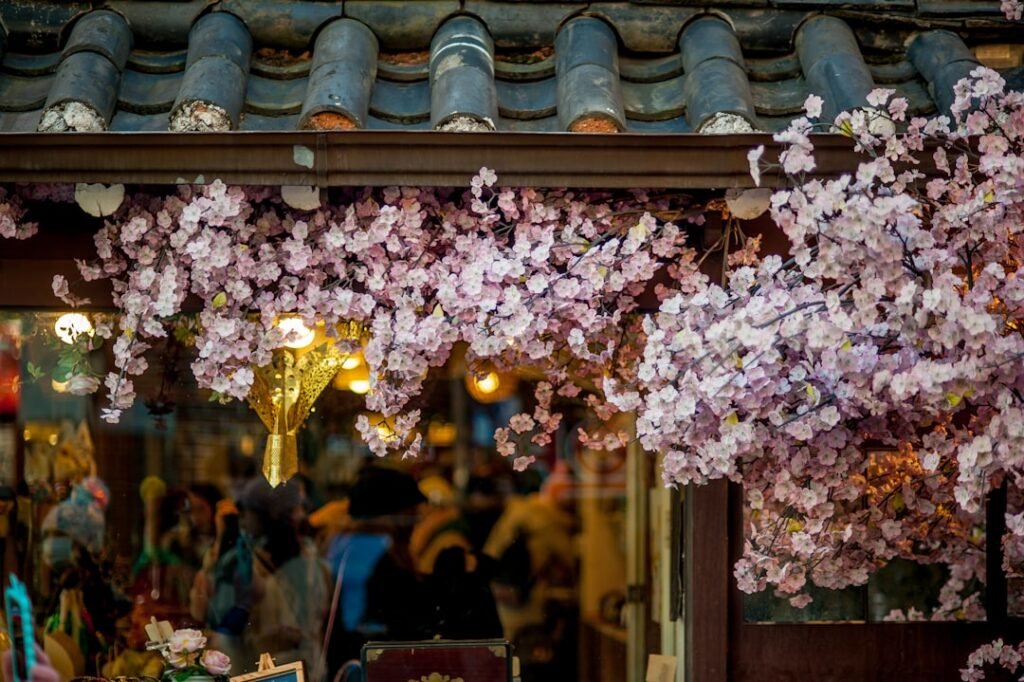
Shopping in Korea is an experience that transcends mere consumerism; it is a cultural journey that reflects the vibrancy and dynamism of Korean society. From bustling street markets to high-end department stores, the shopping landscape in Korea is as diverse as its fashion. Visitors are often captivated by the array of choices available, ranging from traditional hanbok to contemporary streetwear.
The shopping experience is not just about purchasing items; it is also about engaging with the local culture, understanding fashion trends, and navigating the unique retail environment that Korea has to offer. Moreover, shopping in Korea can be an adventure filled with excitement and discovery. The streets are lined with shops that showcase the latest trends, while traditional markets offer a glimpse into the country’s rich heritage.
For those who are not fluent in Korean, however, navigating this vibrant shopping scene can be daunting. Understanding basic phrases and cultural nuances can significantly enhance the experience, making it more enjoyable and less stressful. This article aims to equip you with essential knowledge and phrases that will help you communicate effectively while shopping in Korea. Start learning Korean at the NLS Norwegian Language School in Oslo now!
Summary
- Shopping in Korea offers a unique experience with a wide variety of fashion trends and styles.
- Basic Korean phrases for asking for sizes and colors are essential for effective communication with shop assistants.
- Common clothing sizes in Korea may differ from those in other countries, so it’s important to understand the local sizing system.
- Knowing how to ask for specific colors in Korean can help you find the perfect item in the right shade.
- Understanding Korean clothing size charts and knowing how to express preferences and dislikes in Korean are key to successful shopping experiences.
Basic Korean Phrases for Asking for Sizes and Colors
When embarking on a shopping spree in Korea, knowing how to ask for sizes and colours is crucial. The ability to communicate your needs can make a significant difference in your shopping experience. A few basic phrases can go a long way in helping you find exactly what you are looking for.
For instance, if you want to inquire about the size of a garment, you can say, “이거 사이즈가 어떻게 되나요?” (igeo saijeuga eotteoke doenayo?), which translates to “What size is this?” This phrase is straightforward and will help you get the information you need. In addition to asking about sizes, it is equally important to express your preferences regarding colours. A simple phrase like “이 색깔 있어요?” (i saekkkal isseoyo?), meaning “Do you have this colour?” can be very useful.
By mastering these basic phrases, you will not only facilitate smoother interactions with shop assistants but also gain confidence in your ability to navigate the shopping scene in Korea. The more you practice these phrases, the more comfortable you will become in using them, allowing you to enjoy your shopping experience to the fullest.
Common Clothing Sizes in Korea
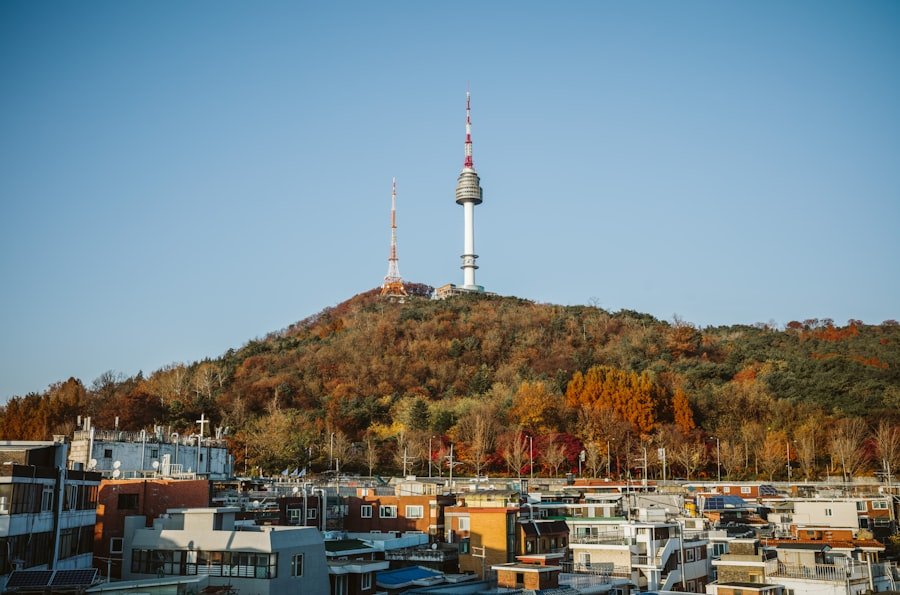
Understanding clothing sizes in Korea is essential for any shopper looking to make a purchase. Korean sizes differ from those in Western countries, which can lead to confusion if one is not familiar with the local sizing system. Generally, Korean clothing sizes are categorised as S (small), M (medium), L (large), and XL (extra large), but these sizes can vary significantly between brands and styles.
It is advisable to try on clothing whenever possible, as fit can differ even within the same size category. Moreover, it is important to note that Korean sizes often run smaller than their Western counterparts. For example, a Korean size M may correspond to a Western size S or even XS.
Therefore, it is wise to consult size charts provided by retailers or ask shop assistants for guidance on sizing. Familiarising yourself with these differences will not only save you time but also prevent potential disappointment when trying on clothes. Understanding the local sizing system will empower you to make informed decisions while shopping.
How to Ask for Specific Colors in Korean
When shopping for clothing in Korea, being able to specify colours can greatly enhance your experience. The Korean language has a rich vocabulary for colours, allowing shoppers to express their preferences clearly. For example, if you are looking for a red dress, you can say “빨간 드레스 있어요?” (ppalgan deureseu isseoyo?), which means “Do you have a red dress?” This phrase not only communicates your desire but also helps shop assistants understand exactly what you are looking for.
Additionally, knowing how to describe various shades can be beneficial. For instance, if you prefer a lighter shade of blue, you might say “연한 파란색” (yeonhan paransaek), meaning “light blue.” By incorporating these specific terms into your vocabulary, you will be able to navigate the colour spectrum with ease. This level of detail will not only impress shop assistants but also ensure that you find items that truly match your style and preferences.
Polite and Casual Ways to Ask for Sizes and Colors
In Korean culture, politeness plays a significant role in communication, especially when interacting with shop assistants. It is essential to know how to ask for sizes and colours both politely and casually, depending on the context of your conversation. For instance, when addressing a shop assistant, using polite language is advisable.
Phrases like “사이즈 좀 알려주세요” (saijeu jom allyeojuseyo), meaning “Could you please tell me the size?” demonstrate respect and courtesy. Conversely, if you are speaking with friends or peers in a more casual setting, you can simplify your language. For example, saying “이거 사이즈 뭐야?” (igeo saijeu mwoya?), which translates to “What size is this?” is perfectly acceptable among friends.
Understanding when to use polite versus casual language will enhance your interactions and help you build rapport with those around you. This flexibility in communication reflects the nuances of Korean culture and will enrich your overall shopping experience.
Understanding Korean Clothing Size Charts

Navigating clothing size charts is an essential skill for anyone shopping in Korea. Many retailers provide size charts that outline measurements for various sizes, helping customers make informed decisions about their purchases. These charts typically include measurements for bust, waist, and hip sizes, allowing shoppers to compare their own measurements against those listed.
Familiarising yourself with these charts can save time and prevent frustration when trying on clothes. It is also important to note that different brands may have slightly different sizing standards. Therefore, it is advisable to check the size chart specific to each brand before making a purchase.
If you are unsure about your measurements or how they correspond to Korean sizes, consider bringing a measuring tape along during your shopping excursions. This proactive approach will enable you to find clothing that fits well and suits your style.
Tips for Communicating with Korean Shop Assistants
Effective communication with shop assistants can significantly enhance your shopping experience in Korea. One of the most important tips is to approach them with a friendly attitude and a smile; this sets a positive tone for the interaction. When asking questions or seeking assistance, using polite language will go a long way in establishing rapport.
Phrases like “도와주실 수 있나요?” (dowajusil su innayo?), meaning “Can you help me?”, are excellent ways to initiate conversation. Additionally, non-verbal communication can be incredibly helpful when language barriers arise. Gestures such as pointing at items or using hand signals can convey your needs effectively.
If you have a smartphone or translation app handy, consider using it to translate specific phrases or words if needed. Most shop assistants are accustomed to dealing with international customers and will appreciate your efforts to communicate clearly.
How to Express Preferences and Dislikes in Korean
Expressing preferences and dislikes while shopping is an important aspect of finding the right clothing items that suit your style. In Korean, there are several ways to articulate what you like or dislike about certain items. For instance, if you want to express that you like a particular dress, you could say “이 드레스 마음에 들어요” (i deureseu maeume deureoyo), which means “I like this dress.” This phrase conveys your appreciation and helps shop assistants understand your taste.
Conversely, if something does not appeal to you, it is equally important to communicate that politely. You might say “이 색깔은 별로예요” (i saekkkareun byeolloyeyo), meaning “I don’t really like this colour.” By expressing your preferences clearly, you enable shop assistants to assist you better in finding items that align with your style and taste.
Navigating Korean Fashion Trends and Terminology
Korean fashion is known for its innovative styles and trends that often set the tone for global fashion movements. Understanding current trends can enhance your shopping experience by allowing you to make informed choices about what to buy. Familiarising yourself with popular terminology used in Korean fashion can also be beneficial; terms like “스트리트 패션” (seuteuriteu paesyeon) refer to street fashion, while “캐주얼” (kaeju-eol) denotes casual wear.
Keeping an eye on local fashion influencers or following Korean fashion blogs can provide insights into what’s trending at any given time. Additionally, visiting popular shopping districts such as Myeongdong or Hongdae will expose you to the latest styles firsthand. By immersing yourself in the local fashion scene and understanding its terminology, you’ll be better equipped to navigate shops and make purchases that reflect contemporary trends.
Cultural Etiquette When Shopping for Clothing in Korea
Cultural etiquette plays a significant role in shaping the shopping experience in Korea. It is essential to be aware of local customs when interacting with shop assistants or fellow shoppers. For instance, it is customary to greet shop staff upon entering a store; a simple “안녕하세요” (annyeonghaseyo) goes a long way in establishing goodwill.
Additionally, when trying on clothes, it is polite to ask for permission before entering fitting rooms. Another important aspect of etiquette involves handling merchandise carefully; treating items with respect reflects well on you as a customer. If you decide not to purchase an item after trying it on, it is courteous to return it neatly rather than leaving it strewn about.
By adhering to these cultural norms, you will not only enhance your own shopping experience but also contribute positively to the overall atmosphere of the retail environment.
Useful Resources for Learning More Korean Shopping Phrases
For those eager to deepen their understanding of Korean shopping phrases and improve their language skills further, several resources are available. Language learning apps such as Duolingo or Memrise offer tailored courses focusing on everyday vocabulary and phrases relevant to shopping scenarios. Additionally, online platforms like YouTube feature numerous tutorials that teach essential phrases through engaging content.
Moreover, enrolling in structured language courses can provide comprehensive learning experiences tailored specifically for practical situations like shopping. The NLS Norwegian Language School in Oslo offers excellent Korean courses designed for learners at various levels. These courses focus on conversational skills and practical vocabulary that will empower students to navigate real-life situations confidently—such as shopping in Korea—while fostering an appreciation for the language and culture.
In conclusion, understanding how to navigate the shopping landscape in Korea requires knowledge of language nuances and cultural etiquette. By mastering basic phrases related to sizes and colours, familiarising yourself with local sizing systems, and expressing preferences effectively, you’ll enhance your overall experience while shopping in this vibrant country. Whether you’re exploring trendy boutiques or traditional markets, these skills will serve as invaluable tools during your adventures in Korean retail therapy.
Register for a Korean class at the NLS Norwegian Language School now!




