


In any social setting, the importance of greetings and introductions cannot be overstated. They serve as the foundation for communication, establishing a connection between individuals. A simple “Hello” or “Good morning” can set the tone for a conversation, creating an atmosphere of warmth and openness.
In many cultures, greetings vary significantly, reflecting the values and customs of the society. For instance, in some regions, a firm handshake is a sign of confidence, while in others, a gentle bow may convey respect. When introducing oneself, it is customary to share one’s name and perhaps a little about oneself.
This could include one’s profession, interests, or even where one is from. Such details not only provide context but also invite further conversation. For example, saying, “Hello, my name is Sarah, and I am a graphic designer from London,” opens the door for questions about design or life in London.
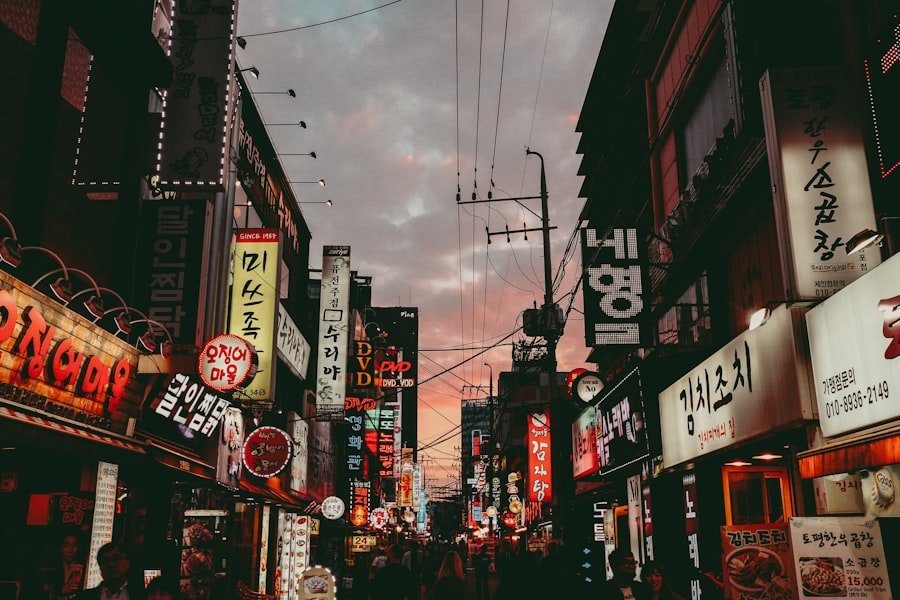
The art of introduction is not merely about stating facts; it is about creating a narrative that engages the listener and fosters a sense of connection. Learn Korean in Oslo! NLS Norwegian Language School is now offering classes. Register today.
Summary
- When greeting someone in British English, it’s common to say “Hello” or “Hi” followed by “How do you do?” or “Nice to meet you.”
- When describing physical appearance, you can use phrases like “She has long, curly hair” or “He is tall and slim with blue eyes.”
- When describing personality traits, you can use words like “friendly”, “outgoing”, “kind-hearted” or “intelligent.”
- When expressing emotions and feelings, you can say “I feel happy”, “I’m excited”, “I’m feeling sad” or “I’m a bit nervous.”
- When talking about relationships, you can use phrases like “She’s my best friend”, “He’s my colleague” or “They’re a lovely couple.”
Describing Physical Appearance
Physical appearance plays a significant role in first impressions and can often influence how individuals are perceived by others. When describing someone’s appearance, one might start with general features such as height and build. For instance, one could say, “He is quite tall and has an athletic build,” which immediately conjures an image of a person who likely engages in physical activities.
Additionally, specific features such as hair colour, eye colour, and skin tone can further enhance the description. Beyond these basic attributes, clothing style can also provide insight into a person’s character or lifestyle. Someone dressed in smart attire may be perceived as professional and organised, while another in casual wear might be seen as laid-back and approachable.
Accessories such as glasses or jewellery can add unique touches to an individual’s appearance, making them more memorable. Describing physical appearance is not just about aesthetics; it is about painting a picture that reflects the essence of the person being described.
Describing Personality Traits

Personality traits are the characteristics that define how individuals think, feel, and behave. When discussing someone’s personality, it is essential to consider both positive and negative traits to provide a balanced view. For example, one might describe someone as “kind-hearted and generous,” highlighting their willingness to help others.
Conversely, one could mention traits such as “stubbornness” or “impatience,” which may present challenges in interpersonal relationships. Understanding personality traits can also enhance communication and interaction. For instance, someone who is described as “outgoing” may thrive in social situations and enjoy meeting new people, while an “introverted” individual might prefer quieter settings and deeper conversations.
Recognising these traits allows for more meaningful interactions and helps to foster empathy and understanding among individuals.
Expressing Emotions and Feelings
Emotions are an integral part of the human experience, influencing our thoughts and actions daily. Expressing emotions can be done through words, body language, and even facial expressions. For instance, one might say, “I feel elated when I receive good news,” which conveys a sense of joy that can be felt by others through the speaker’s enthusiasm.
Conversely, expressing sadness might involve saying, “I felt a deep sense of loss when my friend moved away,” allowing others to empathise with that experience. Moreover, articulating feelings can lead to deeper connections with others. When individuals share their emotions openly, it creates an environment of trust and vulnerability.
Phrases like “I appreciate your support during tough times” or “I feel overwhelmed with gratitude for your kindness” can strengthen bonds between friends or family members. Ultimately, expressing emotions is not just about sharing personal experiences; it is about fostering understanding and compassion in relationships.
Talking about Relationships
Relationships are complex and multifaceted, encompassing various forms of connections between individuals. When discussing relationships, one might refer to family ties, friendships, romantic partnerships, or professional associations. Each type of relationship has its unique dynamics and challenges.
For example, family relationships often involve deep-rooted connections that can be both supportive and challenging due to shared history. Friendships are another vital aspect of human interaction; they provide companionship and emotional support. Describing a friendship might involve discussing shared interests or experiences that have strengthened the bond over time.
Romantic relationships often require communication and compromise; expressing feelings such as love or affection can deepen intimacy between partners. Understanding the nuances of different relationships allows individuals to navigate their interactions with greater awareness and sensitivity.
Describing Clothing and Accessories
Clothing and accessories serve not only practical purposes but also express individuality and style. When describing someone’s outfit, one might begin with the type of clothing they are wearing—be it casual or formal—and then delve into colours and patterns that reflect their personality. For instance, one could say, “She wore a vibrant red dress that accentuated her lively spirit,” which conveys both the visual aspect of the clothing and its emotional resonance.
Accessories play a crucial role in completing an outfit; they can add flair or convey personal significance. A statement necklace might suggest boldness, while a simple watch could indicate practicality. Describing clothing and accessories goes beyond mere aesthetics; it provides insight into an individual’s character and preferences while also reflecting cultural influences and trends.
Describing Food and Drinks
Food and drinks are central to many cultures around the world, often serving as a means of celebration or comfort. When describing food, one might focus on its appearance, aroma, taste, and texture. For example, one could say, “The chocolate cake was rich and decadent, with a velvety texture that melted in my mouth,” which evokes sensory experiences that make the dish appealing.
Drinks also play an essential role in social gatherings; whether it’s a refreshing lemonade on a hot day or a warm cup of tea during winter evenings, beverages can enhance the overall experience of dining. Describing food and drinks allows individuals to share their culinary experiences with others while also exploring cultural traditions associated with various cuisines.
Describing Places and Locations
Places and locations hold significant meaning for individuals; they can evoke memories or feelings of nostalgia. When describing a place, one might start with its geographical features—such as mountains, rivers, or urban landscapes—that create a vivid image in the listener’s mind. For instance, saying “The quaint village nestled in the valley was surrounded by lush green hills” paints a picturesque scene that invites exploration.
Additionally, the atmosphere of a location can greatly influence how it is perceived. A bustling city may be described as vibrant and energetic, while a serene beach could evoke feelings of peace and relaxation. Describing places involves capturing not only their physical attributes but also the emotions they inspire in those who visit them.
Expressing Likes and Dislikes
Expressing likes and dislikes is fundamental to sharing personal preferences with others. It allows individuals to connect over shared interests or engage in discussions about differing opinions. For example, one might say, “I absolutely adore classical music; it brings me such joy,” which conveys enthusiasm for a particular genre while inviting others to share their musical tastes.
Conversely, discussing dislikes can also foster understanding among friends or acquaintances. Phrases like “I am not particularly fond of spicy food; it tends to overwhelm my palate,” provide insight into personal preferences while encouraging dialogue about culinary experiences. Ultimately, expressing likes and dislikes helps individuals navigate social interactions by revealing aspects of their personalities.
Giving Directions and Instructions
Giving directions and instructions is an essential skill in everyday life; it facilitates navigation and ensures tasks are completed effectively. When providing directions, clarity is key—using landmarks or specific street names can help guide someone accurately to their destination. For instance, one might say, “Turn left at the traffic lights, then continue straight until you see the park on your right,” which offers clear guidance.
Instructions also play a vital role in various contexts—be it cooking recipes or assembling furniture. Clear step-by-step instructions ensure tasks are completed successfully while minimising confusion. Phrases like “First, preheat the oven to 180 degrees Celsius” provide essential information that guides individuals through processes efficiently.
Expressing Gratitude and Politeness
Expressing gratitude is fundamental to building positive relationships; it acknowledges kindnesses received from others while fostering goodwill. Simple phrases like “Thank you for your help” or “I truly appreciate your support” convey heartfelt appreciation that strengthens bonds between individuals. Politeness is equally important; using courteous language demonstrates respect for others’ feelings and contributions.
In many cultures, expressing gratitude goes beyond mere words; gestures such as writing thank-you notes or offering small gifts can further convey appreciation. Politeness also extends to everyday interactions—using phrases like “Please” when making requests or “Excuse me” when interrupting shows consideration for others’ time and space. Ultimately, expressing gratitude and politeness enriches social interactions while promoting harmony within communities.
As we explore various aspects of communication—from greetings to expressing gratitude—it becomes evident that language serves as a powerful tool for connection. At NLS Norwegian Language School in Oslo, students have the opportunity to delve into these nuances through comprehensive language courses tailored to enhance their communication skills across diverse contexts. Among these offerings are Korean courses that provide an exciting avenue for learners interested in exploring this rich culture through its language.
Whether you are looking to connect with Korean speakers or simply wish to broaden your linguistic horizons, NLS offers an engaging environment where you can develop your skills effectively while immersing yourself in the beauty of Korean language and culture.




