


When entering a restaurant, the first interaction often sets the tone for the entire dining experience. A warm greeting from the host or hostess can make all the difference, creating an inviting atmosphere that encourages patrons to relax and enjoy their meal. In many cultures, a simple “Hello” or “Welcome” is accompanied by a smile, which can instantly put diners at ease.
In some establishments, particularly those with a more formal ambiance, guests may be greeted with a polite bow or a nod, reflecting the cultural nuances of hospitality. Once greeted, the next step is seating. The host typically guides guests to their table, offering them a choice of seating arrangements if available.
This moment can be crucial, as it allows diners to express their preferences, whether they prefer a quiet corner or a lively spot near the window. The seating process is not merely about finding a place to sit; it is an opportunity for the restaurant staff to demonstrate attentiveness and care, ensuring that each guest feels valued from the very beginning of their dining experience. Learn Korean in Oslo! NLS Norwegian Language School is now offering classes. Register today.
Summary
- When entering a restaurant, it is customary to greet the host or hostess and wait to be seated.
- When ordering food and drinks, be clear and polite, and wait for everyone at the table to be ready before calling the server.
- If unsure about what to order, don’t hesitate to ask the server for recommendations based on personal preferences.
- Inform the server of any dietary restrictions or allergies to ensure a safe and enjoyable dining experience.
- If you enjoy the food or service, don’t hesitate to compliment the chef or staff, it is always appreciated.
Ordering Food and Drinks
After settling in, the next phase of the dining experience involves perusing the menu and placing an order. This is often an exciting moment for diners, as they explore various culinary options that tantalise their taste buds. Many restaurants offer a diverse range of dishes, from traditional fare to contemporary creations, allowing guests to embark on a gastronomic journey.
It is common for servers to provide insights into the menu, highlighting signature dishes or seasonal specials that may pique diners’ interest. When it comes to ordering drinks, patrons often have a plethora of choices at their disposal. From refreshing cocktails to fine wines and artisanal non-alcoholic beverages, the drink menu can be just as enticing as the food offerings.
Diners may choose to start with an aperitif to whet their appetite or opt for a soft drink to accompany their meal. Engaging with the server during this process can enhance the experience, as they can offer recommendations based on personal preferences or popular choices among other guests.
Asking for Recommendations
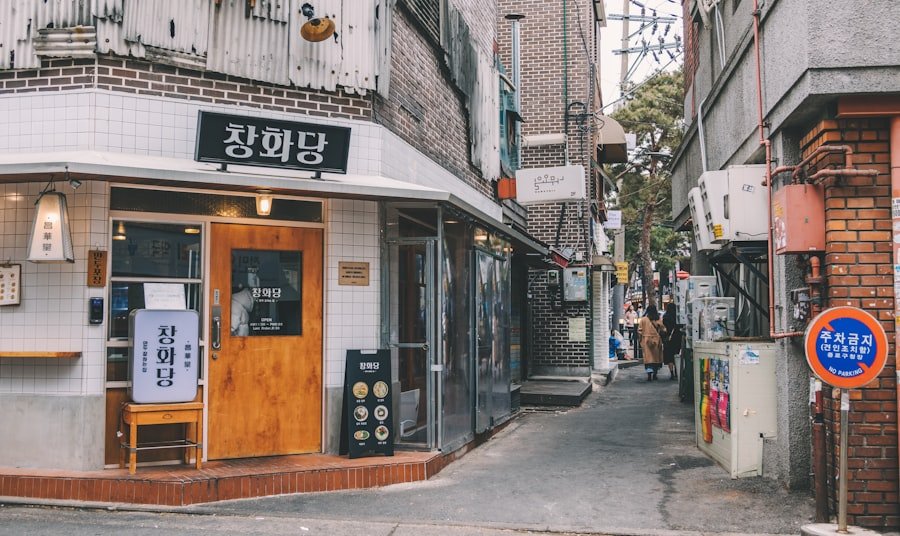
Asking for recommendations is a common practice in dining establishments, especially for those who may feel overwhelmed by an extensive menu. Diners often turn to their servers for guidance, seeking insights into what dishes are particularly popular or well-prepared. This interaction not only helps guests make informed choices but also fosters a connection between the diner and the staff, creating a more personalised experience.
Servers are typically well-versed in the menu and can provide valuable information about each dish’s ingredients and preparation methods. They may suggest pairings that complement the meal, such as recommending a specific wine to enhance the flavours of a particular entrée. This exchange can lead to delightful discoveries, as diners may find themselves trying something they would not have considered otherwise, all thanks to the expertise of their server.
Dietary Restrictions and Allergies
In today’s culinary landscape, awareness of dietary restrictions and allergies has become increasingly important. Diners often approach their servers with specific needs in mind, whether due to health concerns or personal preferences. It is essential for restaurants to accommodate these requests, ensuring that all guests can enjoy their meals without worry.
When communicating dietary restrictions, patrons should be clear and concise about what they can or cannot consume. Many establishments take pride in their ability to cater to various dietary needs, offering gluten-free, vegetarian, vegan, and nut-free options. Servers are trained to handle such inquiries sensitively and knowledgeably, often providing alternative suggestions or modifications to existing dishes.
This level of attentiveness not only demonstrates a commitment to customer satisfaction but also fosters an inclusive environment where everyone can partake in the joy of dining out.
Expressing Likes and Dislikes
Once the food has arrived at the table, diners often take a moment to savour the presentation before diving in. As they taste each dish, it is natural for patrons to express their likes and dislikes regarding the meal. Sharing feedback with fellow diners can enhance the experience, as it allows for lively discussions about flavours and textures.
Whether it’s raving about a perfectly cooked steak or critiquing an overly salty sauce, these conversations contribute to the overall enjoyment of the meal. Moreover, expressing likes and dislikes can also be beneficial for servers and chefs alike. Positive feedback serves as encouragement for staff members who take pride in their work, while constructive criticism can help improve future offerings.
Many restaurants appreciate hearing from their customers about what resonates with them and what could be refined. This open dialogue fosters a sense of community between diners and staff, ultimately enhancing the dining experience for everyone involved.
Requesting Condiments or Extra Items

As meals progress, diners may find themselves wanting to enhance their dishes further with condiments or extra items. Whether it’s a dash of hot sauce for added spice or a side of garlic bread to complement a pasta dish, these requests are common in restaurants. Patrons should feel comfortable asking their servers for any additional items that could elevate their meal.
Servers are typically more than willing to accommodate such requests, understanding that diners often have unique preferences when it comes to flavour profiles. This interaction not only allows guests to customise their meals but also showcases the restaurant’s commitment to providing exceptional service. A simple request for extra napkins or a specific condiment can lead to a more satisfying dining experience, ensuring that every guest leaves feeling content.
Asking for the Bill
As the meal comes to an end, diners often find themselves ready to settle up and leave. Asking for the bill is a straightforward yet significant part of the dining experience. Patrons may signal their server with a polite gesture or simply request the bill verbally when they feel ready.
This moment marks the transition from enjoying a meal to concluding the evening’s festivities. Once the bill arrives, diners typically take a moment to review it before making payment. This is an opportunity for guests to reflect on their experience—considering not only the food but also the service provided throughout their visit.
Many establishments offer various payment methods, from cash to card payments and even mobile transactions, making it convenient for patrons to settle their accounts swiftly.
Complimenting the Food and Service
A key aspect of dining out is expressing appreciation for both the food and service received during the meal. Complimenting dishes that have left a lasting impression can be incredibly rewarding for chefs and servers alike. A simple “This was delicious!” or “The flavours were exquisite!” can brighten a staff member’s day and reinforce their dedication to providing excellent service.
Moreover, taking the time to acknowledge exceptional service is equally important. A heartfelt “Thank you for your attentiveness” or “You made our evening special” can go a long way in fostering positive relationships between diners and restaurant staff. Such compliments not only encourage employees but also contribute to creating an atmosphere where everyone feels valued and appreciated.
Making Reservations
In many popular dining establishments, making reservations is essential for ensuring a table during busy hours. Guests often find themselves calling ahead or using online platforms to secure their spot in advance. This practice not only guarantees seating but also allows restaurants to manage their capacity effectively, ensuring that all guests receive attentive service.
When making reservations, it is helpful for patrons to provide specific details such as the number of guests and any special requests they may have. This information enables restaurants to prepare accordingly and accommodate any unique needs that may arise during the visit. Additionally, confirming reservations closer to the date can help avoid any potential misunderstandings or scheduling conflicts.
Dealing with Issues or Complaints
Despite best efforts, there may be occasions when diners encounter issues during their meal—be it an incorrect order or unsatisfactory service. In such instances, addressing concerns promptly and politely is crucial for resolving any problems effectively. Patrons should feel empowered to communicate their grievances with staff members who are trained to handle such situations with professionalism.
When addressing complaints, it is essential for diners to remain calm and composed while articulating their concerns clearly. Most restaurants value customer feedback and strive to rectify any issues that arise during service. Whether it involves replacing a dish or offering an apology for delays, effective communication can lead to satisfactory resolutions that leave guests feeling heard and respected.
Saying Thank You and Goodbye
As the dining experience comes to an end, saying thank you and goodbye is an important final gesture that leaves a lasting impression on both diners and staff alike. Expressing gratitude for the meal and service received reinforces positive relationships between patrons and restaurant employees. A simple “Thank you for everything” or “We had a wonderful time” can convey appreciation that resonates long after leaving the establishment.
In addition to verbal expressions of thanks, many diners choose to leave a tip as a token of appreciation for exceptional service. This gesture acknowledges the hard work put forth by servers and kitchen staff alike, contributing to a culture of gratitude within the dining community. As guests exit the restaurant with satisfied smiles and full bellies, they carry with them not only memories of delicious food but also connections forged through shared experiences.
In conclusion, navigating the dining experience involves various interactions that contribute significantly to overall satisfaction. From greetings at the door to expressing gratitude upon departure, each step plays a vital role in creating memorable moments at restaurants. For those interested in expanding their culinary horizons further afield—particularly in learning about Korean cuisine—the NLS Norwegian Language School in Oslo offers specialised Korean courses that delve into both language and culture.
These courses provide an excellent opportunity for individuals eager to explore Korea’s rich culinary traditions while enhancing their language skills in an engaging environment. Whether one seeks to understand menu items better or engage in meaningful conversations about food culture with native speakers, these courses are invaluable resources for anyone passionate about Korean cuisine.




