

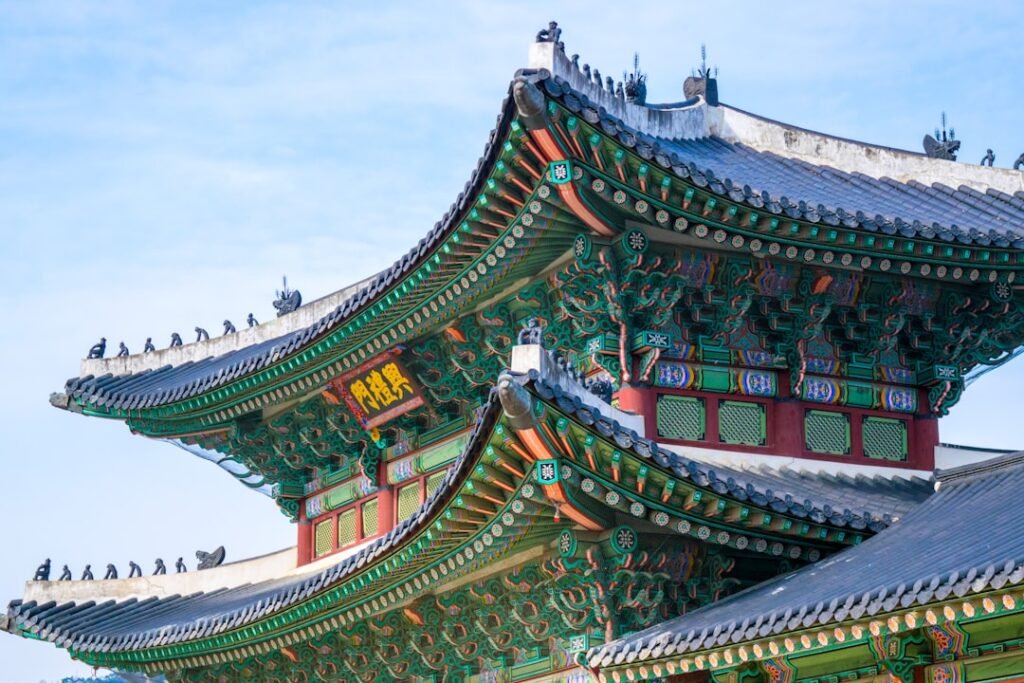
When embarking on a journey to South Korea, the vibrant culture and rich history beckon travellers from all corners of the globe. However, navigating this beautiful country can be daunting, especially for those who are not familiar with the Korean language. While many South Koreans, particularly in urban areas, possess a basic understanding of English, knowing a few essential Korean phrases can significantly enhance your travel experience.
This article aims to equip tourists with survival Korean phrases that will facilitate communication and foster connections with locals, making your adventure in South Korea both enjoyable and memorable. Mastering a handful of key phrases can open doors to authentic experiences that go beyond the typical tourist attractions. From ordering delicious street food to asking for directions in bustling cities, these phrases will empower you to engage with the local culture more deeply.
Whether you are a seasoned traveller or a first-time visitor, having a grasp of survival Korean phrases will not only ease your journey but also demonstrate respect for the local language and customs. Learn Korean in Oslo! NLS Norwegian Language School is now offering classes. Register today.
Summary
- Learning basic Korean phrases can greatly enhance a tourist’s experience in South Korea.
- Greetings and basic conversations are essential for building rapport with locals and navigating daily interactions.
- Asking for directions in Korean can help tourists navigate the city and find their way around more easily.
- Ordering food and drinks in Korean can ensure a more authentic and enjoyable dining experience.
- Knowing survival phrases for emergency situations can be crucial for staying safe and seeking help when needed.
Greetings and Basic Conversations
Greetings form the foundation of any conversation, and in Korea, they are particularly important. A simple “안녕하세요” (annyeonghaseyo) translates to “hello” and is a polite way to initiate interaction. This phrase can be used in most situations, whether you are entering a shop or meeting someone for the first time.
Additionally, when parting ways, saying “안녕히 가세요” (annyeonghi gaseyo) means “goodbye” and is a courteous way to bid farewell. Engaging in basic conversations can also enhance your interactions. Phrases such as “이것은 무엇입니까?” (igeoseun mueosipnikka?), meaning “What is this?” can be particularly useful when exploring markets or trying new foods.
Furthermore, expressing interest in someone’s well-being with “잘 지내세요?” (jal jinaeseyo?), which means “How are you?”, can help establish rapport and show that you are genuinely interested in connecting with the locals. These simple yet effective phrases can transform your travel experience from mere observation to meaningful engagement.
Asking for Directions
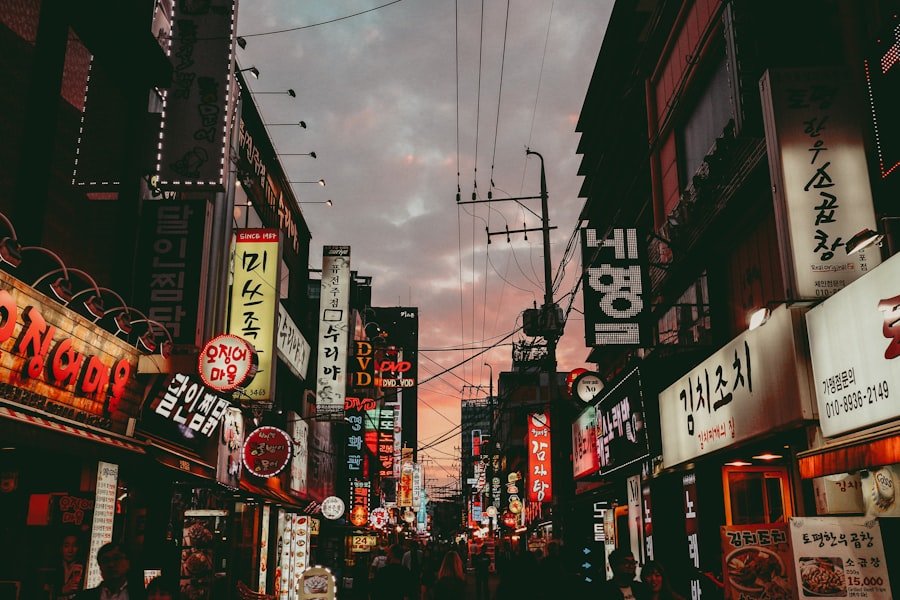
Navigating unfamiliar streets can be challenging, but knowing how to ask for directions can alleviate much of the stress associated with getting lost. A fundamental phrase to remember is “길을 잃어버렸어요” (gireul ilh-eobeoryeosseoyo), which means “I am lost.” This phrase can be accompanied by “어디에요?” (eodieyo?), meaning “Where is it?” to specify your destination. For instance, if you are trying to find a popular tourist spot like Gyeongbokgung Palace, you could say, “경복궁은 어디에요?” (Gyeongbokgung-eun eodieyo?), which translates to “Where is Gyeongbokgung Palace?” Additionally, it is helpful to learn directional terms such as “왼쪽” (oenjjok) for “left,” “오른쪽” (oreunjjok) for “right,” and “직진” (jikjin) for “straight ahead.” Combining these terms with your questions will enable you to understand directions better.
For example, if someone points you left and says “왼쪽으로 가세요” (oenjjogeuro gaseyo), they are instructing you to go left. With these phrases at your disposal, you will feel more confident exploring South Korea’s vibrant streets.
Ordering Food and Drinks
One of the highlights of visiting South Korea is undoubtedly the food. From savoury street snacks to exquisite dining experiences, knowing how to order food and drinks is essential for any traveller. A useful phrase to remember is “메뉴 주세요” (menyu juseyo), which means “Please give me the menu.” Once you have perused the menu, you can order by saying “이것 주세요” (igeot juseyo) for “I would like this.” When it comes to drinks, you might want to try traditional beverages like “막걸리” (makgeolli), a rice wine, or “소주” (soju), a popular distilled spirit.
To order a drink, simply say “소주 한 병 주세요” (soju han byeong juseyo), meaning “One bottle of soju, please.” Additionally, if you have dietary restrictions or preferences, it is helpful to know phrases like “고기 안 먹어요” (gogi an meogeoyo), which means “I do not eat meat.” This will ensure that your dining experience aligns with your preferences.
Emergency Situations
While we hope for smooth travels, emergencies can occur at any time. Being prepared with essential phrases can make a significant difference in critical situations. If you find yourself in need of assistance, saying “도와주세요” (dowajuseyo) translates to “Please help me.” This phrase can be crucial if you require immediate support or guidance.
In case of medical emergencies, knowing how to express your needs is vital. For instance, if you need a doctor, you can say “의사가 필요해요” (uisaga piryohayo), meaning “I need a doctor.” Additionally, if you find yourself in an unfortunate situation such as losing your belongings, saying “가방을 잃어버렸어요” (gabang-eul ilh-eobeoryeosseoyo) means “I have lost my bag.” Familiarising yourself with these emergency phrases will provide peace of mind as you navigate through South Korea.
Shopping and Bargaining
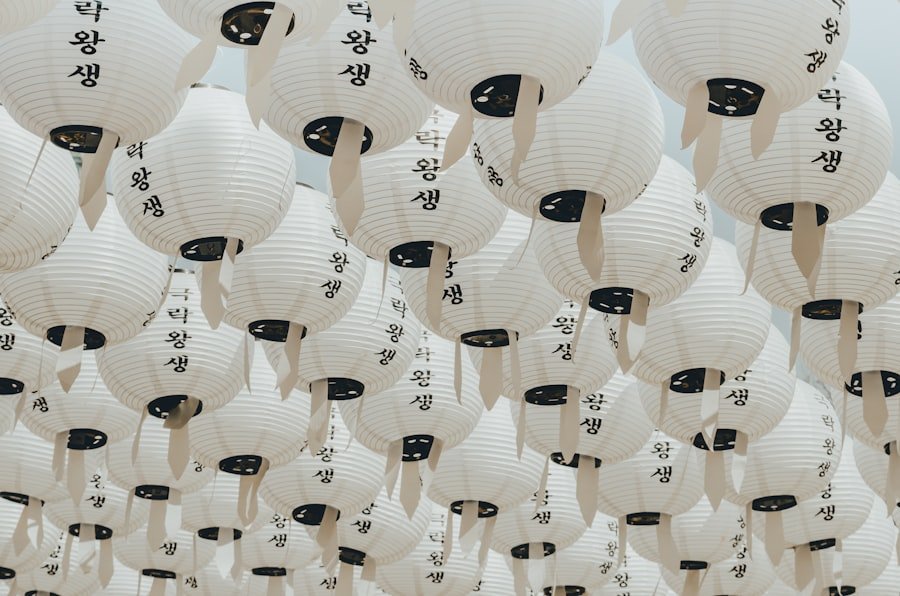
Shopping in South Korea can be an exhilarating experience, especially in bustling markets and trendy boutiques. When entering a shop, a friendly greeting like “안녕하세요” (annyeonghaseyo) sets a positive tone. If you wish to inquire about an item, saying “이거 얼마예요?” (igeo eolmayeyo?) translates to “How much is this?” This phrase is essential for understanding prices and making informed purchasing decisions.
In many traditional markets, bargaining is not only accepted but expected. To negotiate prices effectively, you might use phrases like “조금 더 깎아주세요” (jogeum deo kkakkajuseyo), meaning “Please lower the price a bit.” This approach shows that you are engaged in the shopping experience and willing to negotiate respectfully. Remember that a smile and polite demeanour go a long way in these interactions.
Using Public Transportation
South Korea boasts an efficient public transportation system that makes getting around cities like Seoul and Busan convenient and affordable. Familiarising yourself with key phrases related to public transport will enhance your travel experience significantly. For instance, when purchasing tickets at a station, saying “이곳으로 가는 표 주세요” (igoseuro ganeun pyo juseyo) means “Please give me a ticket to this place.” Once on board, understanding station announcements can be challenging if you do not speak Korean.
However, knowing how to ask for help can ease your concerns. Phrases like “이 역은 어디예요?” (i yeogeun eodieyo?) meaning “Which station is this?” will help you stay informed during your journey. Additionally, learning the names of major stations or landmarks will assist you in navigating the system more confidently.
Expressing Gratitude and Politeness
Politeness is deeply ingrained in Korean culture, and expressing gratitude is essential when interacting with locals. A simple “감사합니다” (gamsahamnida) translates to “Thank you,” and using this phrase frequently will endear you to those you meet along your journey. Whether receiving assistance or enjoying a meal at a restaurant, expressing gratitude goes a long way in fostering positive relationships.
Moreover, using polite language when addressing others is crucial in Korean society. Phrases like “죄송합니다” (joesonghamnida), meaning “I am sorry,” can be useful if you accidentally bump into someone or need to apologise for any inconvenience caused. By incorporating these expressions of gratitude and politeness into your interactions, you will create a more respectful and enjoyable atmosphere during your travels.
Understanding Numbers and Prices
Understanding numbers is fundamental when travelling in any foreign country, especially when it comes to prices and transactions. In Korean, numbers have unique pronunciations that may differ from what English speakers are accustomed to. For example, the number one is “하나” (hana), two is “둘” (dul), and three is “셋” (set).
Familiarising yourself with these basic numbers will help you navigate prices more effectively. When shopping or dining out, being able to recognise prices will enhance your experience significantly. If something costs 10,000 won, you would say “만원이에요” (manwon-ieyo), meaning “It’s 10,000 won.” Additionally, learning how to count higher numbers will assist you in various situations such as paying bills or understanding change given by shopkeepers.
Seeking Help and Assistance
Asking for help is an integral part of travelling, especially when navigating unfamiliar environments. If you find yourself needing assistance with anything from directions to recommendations for local attractions, knowing how to ask for help can make all the difference. A simple phrase like “도와줄 수 있어요?” (dowajul su isseoyo?) translates to “Can you help me?” This polite request opens the door for locals to offer their assistance willingly.
Furthermore, if you’re looking for specific information or recommendations about places to visit or things to do, saying “추천해 주세요” (chucheonhae juseyo) means “Please recommend something.” This phrase encourages locals to share their insights and favourite spots with you, enriching your travel experience through their personal recommendations.
Mastering Survival Korean Phrases for a Smooth Travel Experience
In conclusion, mastering survival Korean phrases equips tourists with the tools necessary for navigating South Korea’s vibrant culture and dynamic environment effectively. From greetings and basic conversations to ordering food and seeking assistance, these phrases serve as bridges between cultures and foster meaningful connections with locals. The ability to communicate even at a basic level demonstrates respect for the language and enhances the overall travel experience.
For those eager to delve deeper into the Korean language while exploring its rich culture, consider enrolling in Korean courses at the NLS Norwegian Language School in Oslo. These courses offer structured learning opportunities tailored for various proficiency levels and provide an excellent foundation for anyone looking to expand their language skills further. By investing time in learning Korean at NLS, you’ll not only prepare yourself for smoother travels but also gain insights into the nuances of Korean culture that will enrich your experiences in South Korea even more profoundly.




