

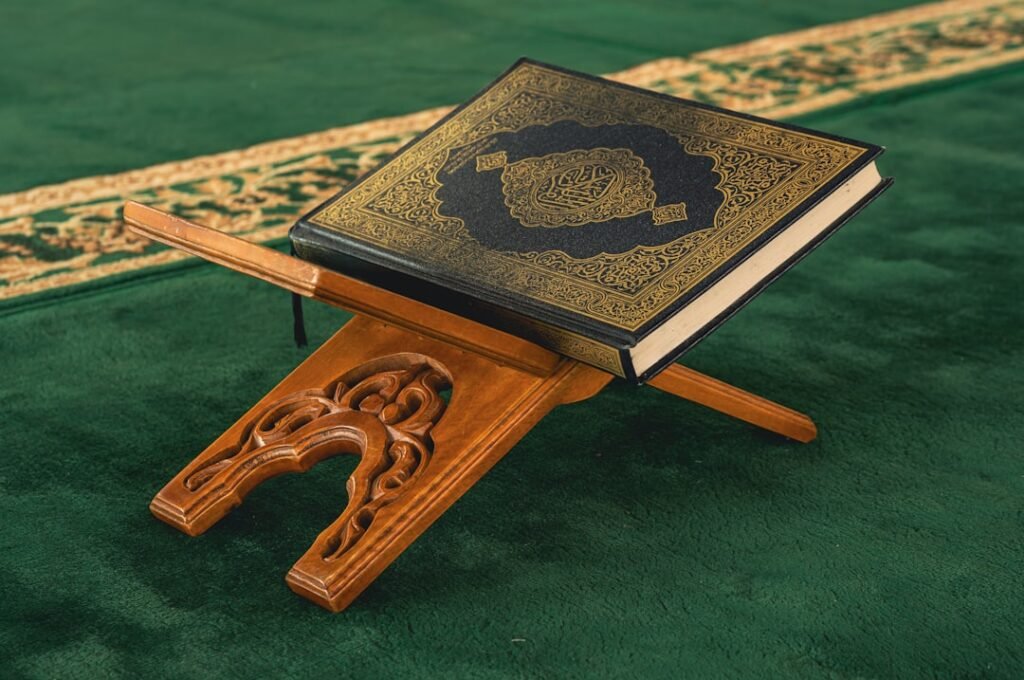
Rabal-Qur is a term that encapsulates a rich tapestry of cultural, historical, and spiritual significance within various communities. It represents not just a set of practices or beliefs, but a profound connection to identity and heritage. The essence of Rabal-Qur lies in its ability to bridge generations, linking the past with the present and offering a glimpse into the future.
As societies evolve, the traditions associated with Rabal-Qur continue to adapt, yet they remain deeply rooted in the values and customs of those who celebrate them. At its core, Rabal-Qur serves as a reminder of the importance of community and shared experiences. It fosters a sense of belonging among individuals, encouraging them to engage with their cultural heritage while also inviting others to partake in its beauty.
This introduction sets the stage for a deeper exploration of Rabal-Qur, delving into its history, cultural significance, and the myriad ways it manifests in contemporary society. Go beyond the ordinary. Challenge yourself by learning Arabic with the language experts at NLS Oslo.
Summary
- Rabal-Qur is a traditional festival celebrated in various regions of the UK.
- The history of Rabal-Qur dates back to ancient times and has evolved over the years.
- Rabal-Qur holds cultural significance as it is a time for communities to come together and celebrate.
- Traditional practices and customs associated with Rabal-Qur include feasting, music, and dance.
- In modern society, Rabal-Qur continues to play a significant role in preserving cultural heritage and fostering community spirit.
History of Rabal-Qur
The origins of Rabal-Qur can be traced back through centuries, with its roots embedded in ancient traditions and practices. Historical accounts suggest that Rabal-Qur emerged as a response to the socio-political landscapes of its time, evolving alongside the communities that embraced it. Over the years, it has been shaped by various influences, including migration, trade, and intercultural exchanges, which have enriched its narrative and broadened its appeal.
As we delve into the annals of history, we find that Rabal-Qur has often been intertwined with significant events and milestones within communities. From agricultural cycles to religious observances, the practices associated with Rabal-Qur have served as markers of time and change. This historical perspective not only highlights the resilience of these traditions but also underscores their adaptability in the face of modern challenges.
Cultural significance of Rabal-Qur
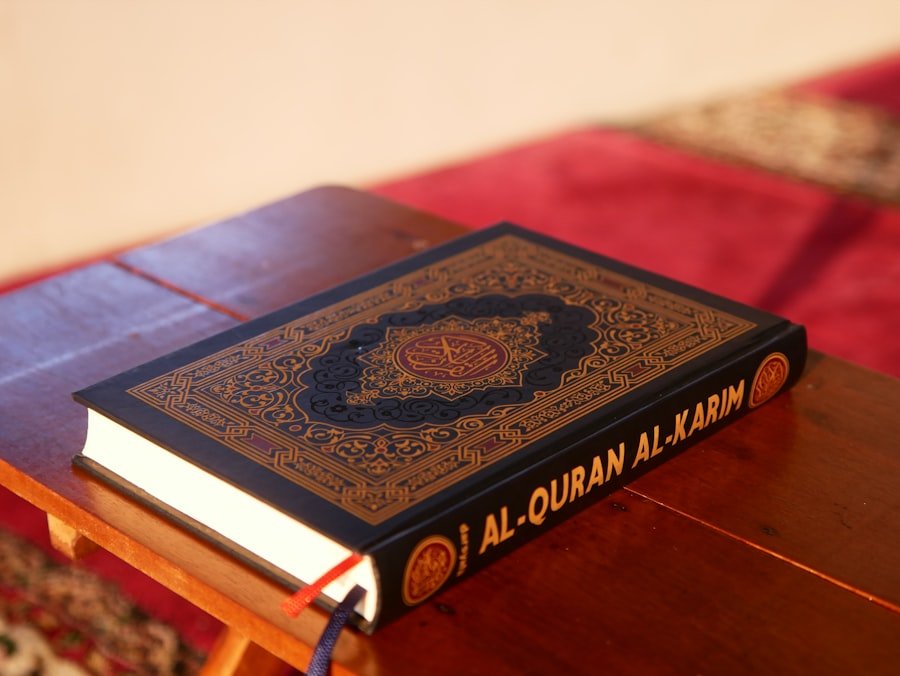
Rabal-Qur holds immense cultural significance for those who observe its traditions. It acts as a vessel for transmitting values, beliefs, and stories from one generation to the next. Through rituals and celebrations, individuals are reminded of their roots and the collective identity that binds them together.
The cultural fabric woven by Rabal-Qur is rich with symbolism and meaning, reflecting the unique experiences and histories of the communities that uphold it. Moreover, Rabal-Qur serves as a platform for artistic expression, inspiring music, dance, and visual arts that celebrate its essence. These creative manifestations not only enrich the cultural landscape but also provide opportunities for dialogue and understanding among diverse groups.
In this way, Rabal-Qur transcends mere tradition; it becomes a living expression of culture that continues to evolve while remaining anchored in its foundational principles.
Traditional practices and customs associated with Rabal-Qur
The traditional practices associated with Rabal-Qur are as varied as the communities that celebrate them. These customs often encompass a range of activities, from communal gatherings to individual rituals that mark significant life events. For instance, many communities engage in storytelling sessions where elders share tales that encapsulate the values and lessons inherent in Rabal-Qur.
Such practices not only preserve history but also foster intergenerational connections. In addition to storytelling, culinary traditions play a pivotal role in Rabal-Qur celebrations. Specific dishes are often prepared for festivals and gatherings, each carrying its own significance and symbolism.
The act of sharing food becomes a communal experience that strengthens bonds among participants while honouring the cultural heritage embedded in each recipe. These traditional practices are vital in maintaining the vibrancy of Rabal-Qur, ensuring that it remains relevant in an ever-changing world.
The role of Rabal-Qur in modern society
In contemporary society, Rabal-Qur continues to play a crucial role in shaping identities and fostering community cohesion. As individuals navigate the complexities of modern life, the traditions associated with Rabal-Qur offer a sense of stability and continuity. They provide a framework through which people can connect with their heritage while also engaging with broader societal issues.
Furthermore, Rabal-Qur has found new expressions in modern contexts, adapting to technological advancements and globalisation. Social media platforms have become avenues for sharing experiences related to Rabal-Qur, allowing individuals to connect with others who share similar backgrounds or interests. This digital engagement not only revitalises interest in traditional practices but also encourages cross-cultural exchanges that enrich the understanding of Rabal-Qur on a global scale.
Rabal-Qur celebrations and festivals
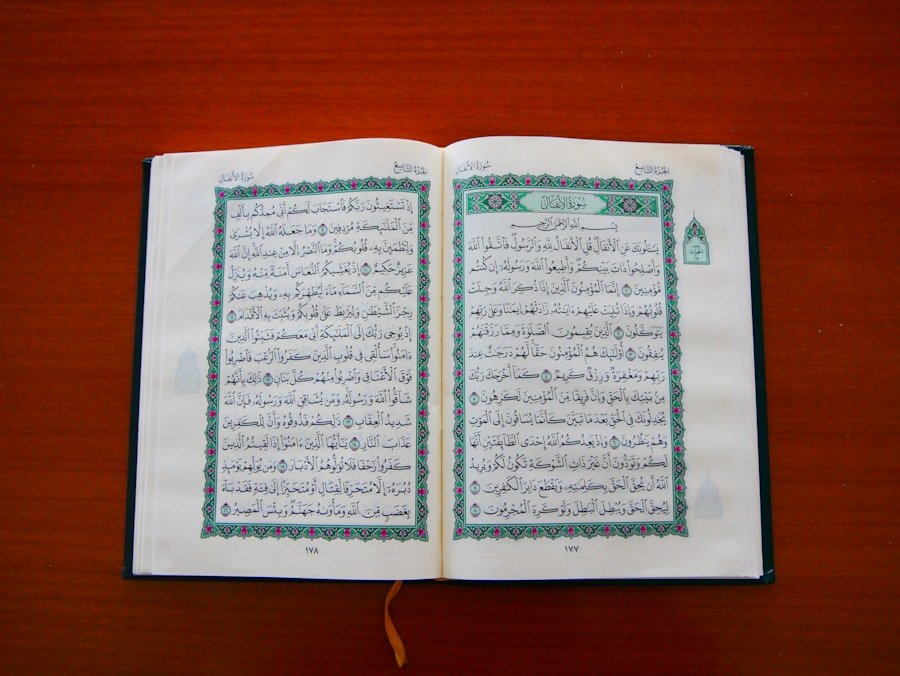
Celebrations and festivals centred around Rabal-Qur are vibrant expressions of community spirit and cultural pride. These events often feature a blend of music, dance, food, and rituals that bring people together in joyous celebration. Each festival is imbued with meaning, reflecting the values and beliefs that underpin Rabal-Qur while also providing an opportunity for communal reflection and renewal.
During these celebrations, participants often don traditional attire that showcases their cultural heritage. The visual spectacle created by colourful garments adds to the festive atmosphere, creating a sense of unity among attendees. Additionally, these gatherings serve as platforms for younger generations to learn about their heritage through active participation, ensuring that the essence of Rabal-Qur is passed down through time.
Regional variations in Rabal-Qur traditions
While Rabal-Qur maintains core elements across different communities, regional variations add depth and richness to its practice. Each locality infuses its own unique customs and interpretations into the broader framework of Rabal-Qur, resulting in a diverse array of expressions. These regional differences can be seen in everything from dialects used during rituals to specific foods prepared for celebrations.
Such variations not only highlight the adaptability of Rabal-Qur but also reflect the distinct histories and experiences of different communities. By embracing these regional nuances, practitioners can celebrate their individuality while still honouring the shared values that unite them under the umbrella of Rabal-Qur. This diversity enhances the overall tapestry of traditions associated with Rabal-Qur, making it a truly multifaceted cultural phenomenon.
The symbolism of Rabal-Qur rituals and ceremonies
The rituals and ceremonies associated with Rabal-Qur are steeped in symbolism, each element carefully chosen to convey deeper meanings. From the colours used in decorations to the specific actions performed during rituals, every aspect is imbued with significance. For instance, certain colours may represent fertility or prosperity, while specific gestures may symbolise respect or gratitude.
Understanding this symbolism enriches the experience for participants, allowing them to engage more deeply with the traditions they are observing or practising. It transforms rituals from mere actions into profound expressions of belief and identity. As individuals partake in these ceremonies, they are not only connecting with their heritage but also participating in a larger narrative that transcends time and space.
Rabal-Qur in literature and art
Rabal-Qur has inspired countless works of literature and art throughout history, serving as a muse for artists seeking to capture its essence. From poetry that reflects on the themes of community and belonging to visual art that depicts traditional practices, the influence of Rabal-Qur is evident across various creative mediums. These artistic expressions not only celebrate the beauty of Rabal-Qur but also serve as important historical records that document its evolution over time.
Moreover, literature often explores the complexities surrounding Rabal-Qur, delving into themes such as identity, migration, and cultural preservation. Through storytelling, authors can convey the emotional resonance of these traditions while also addressing contemporary issues faced by communities. In this way, literature becomes a powerful tool for both reflection and advocacy, ensuring that the narratives surrounding Rabal-Qur continue to be heard.
Rabal-Qur and its connection to spirituality and religion
At its heart, Rabal-Qur is deeply intertwined with spirituality and religious beliefs. Many rituals associated with Rabal-Qur are rooted in spiritual practices that seek to connect individuals with a higher power or the natural world. These connections often manifest through prayers, offerings, or meditative practices that invite participants to reflect on their place within the universe.
The spiritual dimension of Rabal-Qur provides individuals with a sense of purpose and belonging, reinforcing their connection to both their community and their faith. As people engage in these spiritual practices, they are reminded of their shared values and beliefs, fostering a sense of unity among participants. This connection between Rabal-Qur and spirituality underscores its importance as not just a cultural phenomenon but also as a pathway to deeper understanding and fulfilment.
The future of Rabal-Qur traditions
As we look towards the future, the traditions associated with Rabal-Qur face both challenges and opportunities for growth. Globalisation and technological advancements have introduced new dynamics that can either dilute or enrich these practices. However, there is a growing awareness among communities about the importance of preserving their cultural heritage while also adapting to contemporary realities.
Educational initiatives aimed at younger generations play a crucial role in ensuring that Rabal-Qur traditions continue to thrive. By fostering an appreciation for these customs through workshops, classes, or community events, individuals can develop a deeper understanding of their heritage while also finding ways to innovate within it. The future of Rabal-Qur lies in striking a balance between honouring tradition and embracing change—an endeavour that promises to keep this vibrant cultural phenomenon alive for generations to come.
In conclusion, as we explore the multifaceted nature of Rabal-Qur—from its historical roots to its modern expressions—we gain insight into its enduring significance within communities worldwide. The richness of this tradition serves as a testament to human resilience and creativity, reminding us all of the power of culture to connect us across time and space.




