


The phrase “Liberté, Égalité, Fraternité” has become synonymous with the ideals of the French Revolution, encapsulating the aspirations of a nation yearning for freedom and equality. Its origins can be traced back to the Enlightenment, a period marked by intellectual fervour and a questioning of traditional authority. Philosophers such as Rousseau, Voltaire, and Montesquieu laid the groundwork for these revolutionary ideas, advocating for individual rights and the inherent dignity of all people.
The call for liberty was not merely a political demand; it was a profound assertion of human rights that resonated deeply with the populace. As the revolution unfolded in 1789, these ideals crystallised into a rallying cry for the masses. The National Assembly adopted the Declaration of the Rights of Man and of the Citizen, which enshrined the principles of liberty and equality.
The term “fraternité,” or brotherhood, emerged as a call for unity among citizens, transcending class divisions and fostering a sense of collective identity. This triad of values became emblematic of the revolutionary spirit, representing a break from the oppressive structures of monarchy and aristocracy that had long dominated French society. Immerse yourself in the beauty of French. Begin your lessons today at the NLS Norwegian Language School in Oslo.
Summary
- The motto “Liberté, Égalité, Fraternité” originated during the French Revolution as a symbol of the values of freedom, equality, and brotherhood.
- The French Revolution had a significant influence on the spread of the motto and its adoption as a national symbol in France and beyond.
- The motto has evolved over time, with changes in wording and emphasis reflecting shifts in French society and politics.
- Each word in the motto holds deep meaning and significance, representing fundamental principles of the French Republic.
- The motto has been the subject of controversies, including debates over its application and interpretation in different contexts.
The Influence of the French Revolution
The French Revolution was a seismic event that not only transformed France but also reverberated across Europe and beyond. The ideals of “Liberté, Égalité, Fraternité” inspired countless movements for social justice and political reform throughout the 19th and 20th centuries. The revolution dismantled feudal privileges and established a republic founded on democratic principles, challenging the status quo and igniting a fervour for change in other nations.
The motto became a beacon of hope for those seeking to overthrow tyranny and establish governments that prioritised the rights of individuals. Moreover, the revolution’s impact extended beyond borders, influencing revolutionary movements in places like Haiti, Latin America, and even parts of Asia. The principles enshrined in the motto resonated with oppressed peoples worldwide, who sought to emulate France’s bold assertion of human rights.
The revolutionary fervour also led to the rise of nationalism, as various ethnic groups began to assert their identities and demand self-determination based on the ideals of liberty and equality.
The Evolution of the National Motto

Over time, “Liberté, Égalité, Fraternité” evolved from a revolutionary slogan into an official national motto. Its adoption as such was not without contention; various political factions sought to interpret its meaning in ways that aligned with their ideologies. Initially, during the early years of the republic, the motto was embraced by radical factions who emphasised liberty and equality as paramount.
However, as France transitioned through various regimes—from the Napoleonic era to the restoration of monarchy—the interpretation of these values shifted. In 1848, during the Second Republic, “Liberté, Égalité, Fraternité” was reaffirmed as the national motto, reflecting a renewed commitment to democratic ideals. This period saw an emphasis on fraternity as a means to promote social cohesion amidst growing class tensions.
The motto’s resilience through political upheaval speaks to its foundational role in French identity; it has been invoked during times of crisis and celebration alike, serving as a reminder of the nation’s enduring commitment to its core values.
The Meaning and Significance of Each Word
Each component of “Liberté, Égalité, Fraternité” carries profound significance that extends beyond mere words. “Liberté,” or liberty, embodies the fundamental right to freedom—freedom of speech, freedom of assembly, and freedom from oppression. It represents the idea that individuals should have autonomy over their lives and choices without undue interference from authority.
This concept has been pivotal in shaping modern democratic societies and remains a cornerstone of human rights discourse. “Égalité,” or equality, signifies the belief that all individuals are entitled to equal treatment under the law and should have equal opportunities to succeed. This principle challenges systemic inequalities that have persisted throughout history and calls for social justice initiatives aimed at rectifying disparities.
It is a reminder that true democracy cannot exist without equity among its citizens. Lastly, “Fraternité,” or brotherhood, encapsulates the spirit of solidarity among individuals within society. It emphasises the importance of community and mutual support in fostering a harmonious society.
This notion encourages citizens to look beyond their self-interests and work collectively towards common goals, reinforcing social bonds that are essential for national unity.
Controversies Surrounding the Motto
Despite its noble intentions, “Liberté, Égalité, Fraternité” has not been without controversy. Critics argue that while these ideals are enshrined in French law and culture, their practical application has often fallen short. Issues such as systemic racism, economic inequality, and social exclusion have led many to question whether France truly embodies its motto.
For instance, debates surrounding immigration policies and integration have highlighted tensions between national identity and multiculturalism. Furthermore, some factions within French society have sought to reinterpret or challenge the motto’s implications. For example, discussions around secularism have raised questions about how fraternity is extended to religious minorities in a predominantly secular state.
These controversies underscore the ongoing struggle to reconcile lofty ideals with complex social realities.
The Incorporation of the Motto into French Law
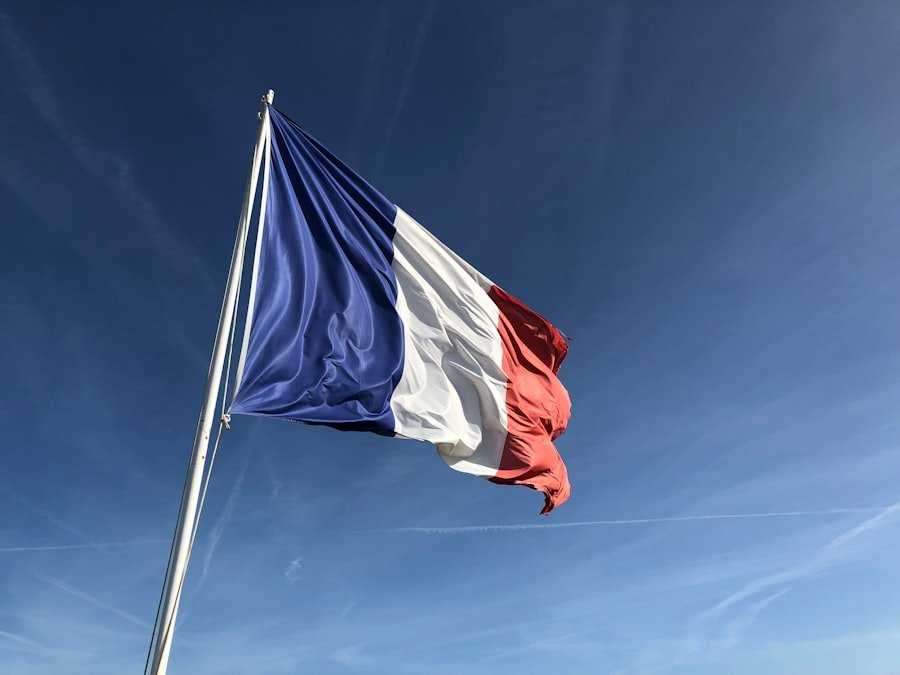
The incorporation of “Liberté, Égalité, Fraternité” into French law solidified its status as a guiding principle for governance. Following the revolution, these values were enshrined in various legal documents, including the Constitution of 1791 and subsequent iterations. The motto serves as a reminder to lawmakers that legislation should reflect these core principles and uphold citizens’ rights.
In contemporary France, the motto is prominently featured in official documents and institutions. It is inscribed on public buildings and currency, reinforcing its significance in everyday life. The legal framework surrounding human rights in France is heavily influenced by these ideals; laws promoting civil liberties and anti-discrimination measures are rooted in the commitment to liberty and equality.
The Motto’s Impact on French Society
The impact of “Liberté, Égalité, Fraternité” on French society is profound and multifaceted. It has shaped national identity and influenced cultural expressions across various domains—art, literature, music, and more. Artists and writers have drawn inspiration from these ideals to critique societal injustices and advocate for change.
The motto has become a symbol of resistance against oppression and a source of pride for many citizens. Moreover, it has fostered a sense of civic responsibility among individuals. The call for fraternity encourages citizens to engage in community service and activism aimed at improving societal conditions.
This ethos has led to numerous social movements advocating for workers’ rights, gender equality, environmental protection, and more—each rooted in the belief that collective action can bring about meaningful change.
The Motto’s Influence on International Relations
“Liberté, Égalité, Fraternité” has also played a significant role in shaping France’s international relations. As a founding member of various international organisations such as the United Nations and UNESCO, France has championed human rights globally based on its national motto. The principles enshrined in “Liberté, Égalité, Fraternité” resonate with universal human rights frameworks that advocate for dignity and justice worldwide.
Additionally, France’s commitment to these ideals has influenced its foreign policy decisions. The nation has often positioned itself as a defender of democracy and human rights on the global stage—supporting movements for liberation and self-determination in various contexts. This commitment has sometimes led to tensions with other nations whose practices diverge from these principles.
Celebrating Liberté, Égalité, Fraternité: National Holidays and Events
The celebration of “Liberté, Égalité, Fraternité” is woven into the fabric of French national holidays and events. Bastille Day on July 14th commemorates the storming of the Bastille prison in 1789—a pivotal moment in the revolution symbolising the fight against tyranny. This day is marked by grand parades, fireworks, and festivities that reflect national pride in these foundational values.
Other events throughout the year also celebrate these ideals—such as International Human Rights Day—where discussions around liberty and equality take centre stage. These celebrations serve not only as reminders of France’s revolutionary past but also as opportunities for reflection on current challenges related to social justice and human rights.
The Motto in Modern France
In modern France, “Liberté, Égalité, Fraternité” continues to resonate deeply within society despite ongoing challenges. The motto serves as a touchstone for discussions around contemporary issues such as immigration policy, social inequality, and civil liberties. Activists frequently invoke these principles when advocating for reforms aimed at creating a more just society.
Moreover, public discourse surrounding these ideals has evolved with changing demographics and cultural dynamics within France. As society becomes increasingly diverse, interpretations of fraternity are being re-examined to ensure inclusivity for all citizens—regardless of their background or beliefs.
The Future of Liberté, Égalité, Fraternité
Looking ahead, “Liberté, Égalité, Fraternité” will undoubtedly continue to shape France’s trajectory as it navigates complex social challenges in an ever-changing world. The ongoing struggle for equality—particularly regarding gender rights, racial justice, and economic equity—will require renewed commitment from both citizens and leaders alike. As France grapples with these issues while remaining true to its revolutionary heritage, there is potential for “Liberté, Égalité, Fraternité” to evolve further—adapting to contemporary realities while retaining its core essence.
In this way, it can serve not only as a historical legacy but also as an enduring guidepost for future generations striving towards a more equitable society. In this context of evolving values and aspirations for social justice, learning languages such as French becomes increasingly relevant. At institutions like NLS Norwegian Language School in Oslo, students can immerse themselves in French language courses that not only teach linguistic skills but also delve into cultural contexts surrounding phrases like “Liberté, Égalité, Fraternité.” By understanding these concepts through language learning at NLS Norwegian Language School, students can engage more meaningfully with global discussions about freedom and equality—fostering connections that transcend borders while celebrating shared human values.




