


In the context of Norwegian meetings, the concept of polite interruptions holds significant weight. Unlike in some cultures where interruptions may be perceived as rude or disruptive, in Norway, they can be seen as a sign of engagement and interest. This cultural nuance is essential for anyone looking to navigate the professional landscape in Norway effectively.
Polite interruptions can facilitate a more dynamic exchange of ideas, allowing participants to build upon each other’s thoughts and contribute to a more collaborative atmosphere. Moreover, understanding the importance of these interruptions can enhance communication and foster a sense of inclusivity within the meeting. When individuals feel comfortable interjecting their thoughts or asking questions, it creates an environment where diverse perspectives are valued.
This is particularly crucial in a country like Norway, where egalitarian principles are deeply ingrained in the workplace culture. Thus, mastering the art of polite interruptions can significantly improve one’s ability to engage meaningfully in discussions. Advance your career in Norway. Enroll in Business Norwegian at the NLS Norwegian Language School today.
Summary
- Understanding the importance of polite interruptions in Norwegian meetings:
- Polite interruptions are seen as a sign of engagement and interest in Norwegian meetings.
- It is important to understand the cultural significance of polite interruptions in Norwegian business culture.
- Learning the art of polite interruptions in Norwegian culture:
- Politeness and respect are highly valued in Norwegian culture, so interruptions should be done with tact and consideration.
- Learning the appropriate ways to interrupt in Norwegian meetings can enhance communication and collaboration.
- Using non-verbal cues to politely interrupt in Norwegian meetings:
- Non-verbal cues such as nodding and making eye contact can signal to the speaker that you have something to contribute without being disruptive.
- Understanding and using non-verbal cues can help maintain the flow of conversation in Norwegian meetings.
- Mastering the language of politeness in Norwegian meetings:
- Using polite language and tone is essential when interrupting or asking questions in Norwegian meetings.
- Mastering the language of politeness can help build rapport and create a positive atmosphere in meetings.
- Navigating the etiquette of asking questions in Norwegian meetings:
- Knowing when and how to ask questions in Norwegian meetings is crucial for effective communication.
- Understanding the etiquette of asking questions can demonstrate respect for the speaker and the meeting dynamics.
Learning the Art of Polite Interruptions in Norwegian Culture
To effectively learn the art of polite interruptions in Norwegian culture, one must first appreciate the underlying values that shape communication styles. Norwegians tend to favour directness and clarity, which means that while interruptions are acceptable, they should be executed with tact and respect. It is essential to gauge the flow of conversation and identify appropriate moments to interject without derailing the speaker’s train of thought.
Additionally, understanding the context of the meeting is vital. In formal settings, interruptions may require a more measured approach, while in informal gatherings, a more relaxed style may be appropriate. Observing how native speakers navigate these situations can provide invaluable insights into the nuances of polite interruptions.
Engaging with colleagues or attending workshops focused on Norwegian business etiquette can further enhance one’s ability to interrupt politely and effectively.
Using Non-verbal Cues to Politely Interrupt in Norwegian Meetings
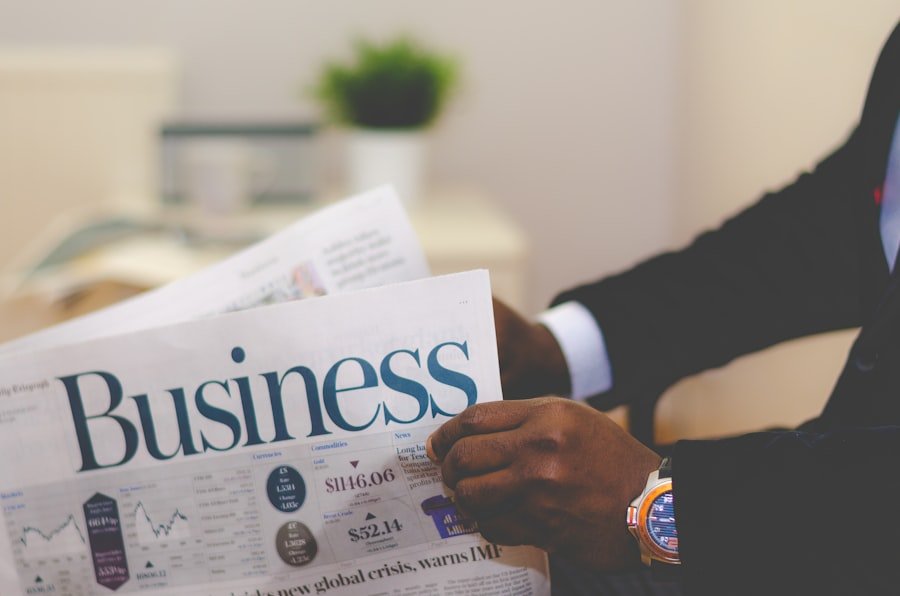
Non-verbal communication plays a crucial role in facilitating polite interruptions during meetings. In Norway, body language can convey a wealth of information, often complementing verbal communication. For instance, maintaining eye contact with the speaker can signal your intention to contribute without verbally interrupting them.
Subtle gestures, such as raising a hand or leaning slightly forward, can also indicate that you wish to interject while still respecting the current speaker’s space. Moreover, it is essential to be attuned to the non-verbal cues of others in the meeting. If someone else appears eager to contribute or has raised their hand, it may be wise to allow them to speak first before making your own point.
This attentiveness not only demonstrates respect for your colleagues but also fosters a collaborative atmosphere where everyone feels encouraged to share their insights.
Mastering the Language of Politeness in Norwegian Meetings
Mastering the language of politeness is fundamental when participating in Norwegian meetings. The use of appropriate phrases and expressions can significantly impact how your contributions are received. In Norwegian culture, politeness often manifests through the use of softening language and expressions that acknowledge the contributions of others.
For example, prefacing your interruption with phrases like “I appreciate your point” or “That’s an interesting perspective” can create a more welcoming environment for your input. Furthermore, utilising conditional phrases such as “Would it be alright if I added something?” or “If I may interject…” can soften your approach and demonstrate respect for the ongoing discussion. This linguistic finesse not only enhances your credibility but also encourages a more open dialogue among participants.
By honing your language skills in this manner, you will be better equipped to navigate the complexities of Norwegian meetings with confidence and grace.
Navigating the Etiquette of Asking Questions in Norwegian Meetings
Asking questions during meetings is an integral part of fostering dialogue and ensuring clarity on various topics. However, navigating the etiquette surrounding questions in Norwegian meetings requires a nuanced understanding of cultural expectations. In Norway, questions are generally welcomed as they reflect engagement and curiosity; however, they should be posed thoughtfully and at appropriate moments.
It is advisable to wait for natural pauses in conversation before raising your hand or verbally indicating that you have a question. This approach not only respects the flow of discussion but also allows others to finish their thoughts without feeling rushed. Additionally, framing your questions in a way that acknowledges previous contributions can enhance their receptiveness.
For instance, saying “Building on what you just mentioned…” before posing your question can create a seamless transition into your inquiry.
Recognising the Right Timing to Interrupt and Ask Questions in Norwegian Meetings
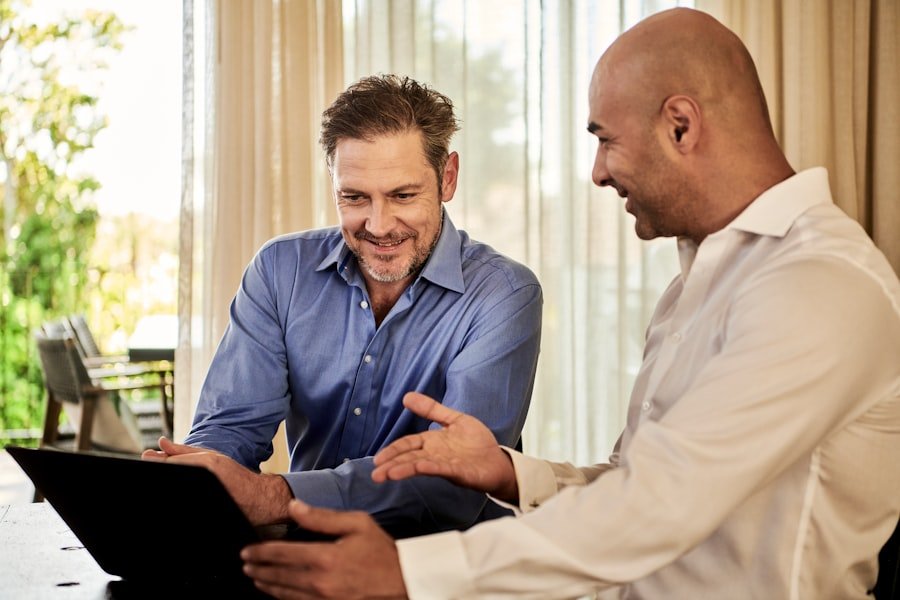
Recognising the right timing to interrupt and ask questions is crucial for effective communication in Norwegian meetings. Timing can significantly influence how your contributions are perceived; therefore, it is essential to develop an acute sense of awareness regarding the dynamics of the discussion. Observing the rhythm of conversation can help you identify moments when interjections are most appropriate.
Typically, it is best to wait until a speaker has completed their main point before interjecting or asking a question. This not only shows respect for their contribution but also ensures that your input is relevant and timely. Additionally, being mindful of the overall pace of the meeting can help you gauge when it is appropriate to contribute without overwhelming others with too many interruptions.
Polite Phrases to Use When Interrupting and Asking Questions in Norwegian Meetings
Utilising polite phrases when interrupting or asking questions can significantly enhance your communication effectiveness in Norwegian meetings. Some useful expressions include “Excuse me for interrupting, but…” or “I hope you don’t mind if I add something here.” These phrases convey respect for the speaker while clearly indicating your desire to contribute. When posing questions, consider using phrases such as “Could you clarify…” or “I would appreciate your thoughts on…” These expressions not only demonstrate politeness but also encourage a collaborative atmosphere where everyone feels comfortable sharing their insights.
By incorporating these phrases into your vocabulary, you will be better equipped to navigate discussions with confidence and poise.
Understanding the Role of Active Listening in Norwegian Meetings
Active listening is a cornerstone of effective communication in any meeting setting, but it holds particular significance in Norwegian culture. Demonstrating genuine interest in what others are saying fosters an environment of respect and collaboration. By actively listening, you not only gain valuable insights but also position yourself as a thoughtful participant who values diverse perspectives.
In practice, active listening involves maintaining eye contact, nodding in agreement, and providing verbal affirmations such as “I see” or “That’s interesting.” These non-verbal cues signal to speakers that their contributions are valued and encourage them to elaborate further on their points. Additionally, summarising key points before interjecting can demonstrate that you have been attentive and engaged with the discussion.
Overcoming the Fear of Interrupting and Asking Questions in Norwegian Meetings
Overcoming the fear of interrupting and asking questions during meetings is a common challenge for many individuals, particularly those new to Norwegian culture. The apprehension often stems from concerns about being perceived as rude or disruptive; however, understanding that polite interruptions are generally accepted can help alleviate these fears. One effective strategy for overcoming this fear is to practice active participation in smaller group settings before transitioning to larger meetings.
Engaging with colleagues in informal discussions can build confidence and familiarity with the dynamics of Norwegian communication styles. Additionally, reminding yourself that your contributions are valuable can empower you to speak up when appropriate.
Tips for Effectively Communicating in Norwegian Meetings
To communicate effectively in Norwegian meetings, consider implementing several key strategies. Firstly, prepare thoroughly by familiarising yourself with the agenda and relevant topics beforehand. This preparation will enable you to contribute meaningfully and ask informed questions during discussions.
Secondly, focus on clarity and conciseness when expressing your thoughts. Norwegians appreciate direct communication; therefore, aim to articulate your points clearly without unnecessary embellishments. Lastly, remain open-minded and receptive to feedback from colleagues.
Embracing constructive criticism can enhance your communication skills over time and foster stronger professional relationships.
Practicing and Perfecting the Art of Polite Interruptions and Question-asking in Norwegian Meetings
Practicing and perfecting the art of polite interruptions and question-asking requires dedication and intentionality. One effective approach is to engage in role-playing exercises with colleagues or friends who are familiar with Norwegian business culture. These simulations can provide valuable opportunities to practice interrupting politely and asking questions within a supportive environment.
Additionally, consider seeking feedback from trusted colleagues after meetings regarding your communication style. Constructive feedback can help identify areas for improvement while reinforcing effective strategies you’ve already implemented. Furthermore, enrolling in Business Norwegian courses at the NLS Norwegian Language School in Oslo can provide tailored instruction on navigating professional interactions within this cultural context.
These courses focus on enhancing language skills while also addressing cultural nuances specific to business communication in Norway. By investing time into mastering these skills through practice and education, you will not only enhance your ability to engage effectively in Norwegian meetings but also build stronger professional relationships within this unique cultural landscape.




