

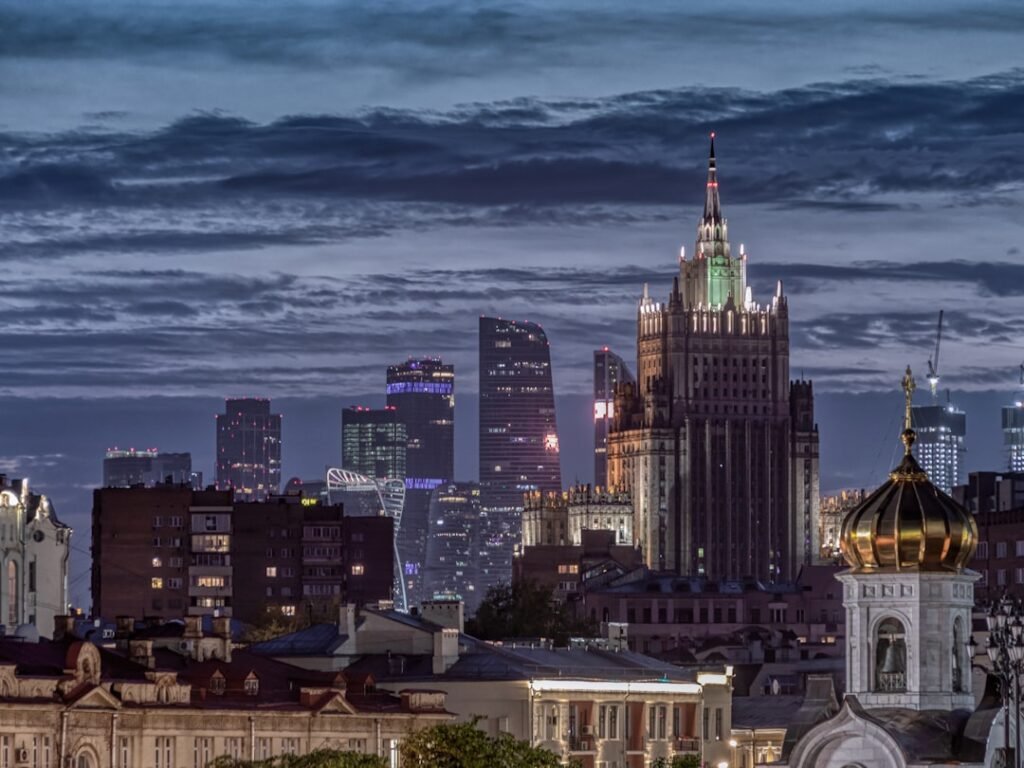
The Russian language, with its rich tapestry of history and culture, serves as a gateway to understanding one of the world’s most fascinating nations. At the NLS Norwegian Language School in Oslo, students are offered a unique opportunity to delve into the intricacies of the Russian language while simultaneously exploring the cultural nuances that shape it. The school’s curriculum is designed not only to teach the language but also to immerse students in the vibrant traditions, customs, and societal norms that define Russian life.
This holistic approach ensures that learners gain a comprehensive understanding of both the language and the culture, fostering a deeper appreciation for Russia’s contributions to the global community. At NLS, the emphasis on cultural immersion is evident in every aspect of the learning experience. From interactive classes that incorporate traditional Russian music and art to discussions about contemporary societal issues, students are encouraged to engage with the language in a meaningful way.
The school’s dedicated instructors, many of whom are native speakers, bring their personal experiences and insights into the classroom, enriching the learning environment. This commitment to cultural education not only enhances language acquisition but also cultivates a sense of connection and respect for Russian heritage among students. Ready to speak Russian? Enroll for Russian classes at the NLS Norwegian Language School in Oslo!
Summary
- Russian culture and language are rich and diverse, offering a unique insight into the country’s history and traditions.
- The influence of history on Russian culture and language is profound, shaping the way people communicate and express themselves.
- Russian literature has had a significant impact on the country’s culture, reflecting its values, beliefs, and societal norms.
- Religion plays a crucial role in Russian culture and language, influencing everything from art and literature to daily life and traditions.
- Russian cuisine is an integral part of the country’s culture, reflecting its diverse regions and historical influences.
The Influence of History on Russian Culture and Language
Russian culture and language have been profoundly shaped by the country’s tumultuous history. From the rise and fall of empires to periods of revolution and reform, each historical event has left an indelible mark on the language and its speakers. The influence of historical figures, such as Peter the Great and Catherine the Great, can be seen in the evolution of the Russian language, which has absorbed elements from various languages and cultures over centuries.
This historical context is crucial for students at NLS, as it provides a framework for understanding contemporary Russian society. Moreover, the impact of significant events, such as the October Revolution and World War II, has not only altered the political landscape but has also influenced cultural expressions in literature, art, and music. At NLS, students explore these historical narratives through language lessons that incorporate relevant texts and discussions.
By examining how history has shaped Russian identity, learners gain insights into the complexities of modern Russia and its people. This understanding is essential for anyone wishing to engage meaningfully with Russian culture.
Exploring Russian Literature and its Impact on Russian Culture

Russian literature stands as a monumental pillar of cultural expression, offering profound insights into the human condition and societal values. Renowned authors such as Leo Tolstoy, Fyodor Dostoevsky, and Anton Chekhov have crafted works that not only reflect the intricacies of Russian life but also resonate with universal themes. At NLS, students are encouraged to explore these literary masterpieces as part of their language studies.
Engaging with literature in its original language allows learners to appreciate the nuances of style, tone, and cultural references that may be lost in translation. The impact of literature on Russian culture cannot be overstated; it has shaped national identity and influenced social thought throughout history. The exploration of literary themes such as morality, existentialism, and social justice provides students with a deeper understanding of the values that underpin Russian society.
By analysing these texts within the context of their historical backdrop, learners at NLS can draw connections between literature and contemporary issues in Russia. This literary journey not only enhances language skills but also fosters critical thinking and cultural awareness.
The Role of Religion in Russian Culture and Language
Religion plays a significant role in shaping Russian culture and language, with Orthodox Christianity being a predominant influence. The intertwining of faith and daily life is evident in various aspects of Russian culture, from traditional customs to linguistic expressions. At NLS, students delve into the historical significance of religion in Russia, exploring how it has influenced art, literature, and social norms.
Understanding this religious context is essential for grasping the complexities of Russian identity. The impact of religion on language is particularly noteworthy; many idiomatic expressions and proverbs are rooted in religious teachings. By studying these linguistic elements at NLS, students gain insight into how faith informs cultural practices and societal values.
Furthermore, discussions about religious holidays and rituals provide learners with a broader perspective on how spirituality shapes community life in Russia. This exploration enriches their understanding of both the language and the culture it represents.
Russian Cuisine and its Importance in Russian Culture
Russian cuisine is a reflection of the country’s diverse geography and rich history, offering a culinary experience that is both hearty and varied. Traditional dishes such as borscht, pelmeni, and blini are not merely sustenance; they embody cultural heritage and communal values. At NLS, students have the opportunity to explore these culinary traditions as part of their cultural studies.
Cooking classes or food tastings can be integrated into the curriculum, allowing learners to engage with Russian culture through its flavours. Food plays a central role in social gatherings and celebrations in Russia, serving as a means of bringing people together. Understanding the significance of meals in Russian culture helps students appreciate the importance of hospitality and community bonds.
By learning about traditional recipes and dining etiquette at NLS, students gain practical knowledge that enhances their cultural competence. This culinary exploration complements their language studies by providing context for conversations about food-related topics in Russian.
Traditional Russian Folklore and its Influence on Russian Culture

Folklore is an integral part of Russian culture, encompassing a rich tapestry of myths, legends, fairy tales, and folk songs that have been passed down through generations. These stories often convey moral lessons or reflect societal values, making them an essential component of cultural education at NLS. By studying traditional folklore, students gain insights into the collective psyche of the Russian people and their historical experiences.
The influence of folklore extends beyond storytelling; it permeates various aspects of art, music, and even language itself. Many idioms and expressions in modern Russian can be traced back to folk tales or proverbs. At NLS, learners are encouraged to explore these connections through creative projects or discussions that highlight the relevance of folklore in contemporary society.
This exploration not only enriches their understanding of the language but also fosters a sense of appreciation for Russia’s cultural heritage.
The Importance of Language in Understanding Russian Culture
Language is more than just a means of communication; it is a vessel for cultural expression and identity. At NLS, students learn that mastering the Russian language is essential for truly understanding its culture. The nuances of vocabulary, grammar, and pronunciation reflect societal values and historical contexts that shape everyday interactions.
By immersing themselves in the language, learners can engage more deeply with cultural practices and social norms. Furthermore, language serves as a bridge between generations, preserving traditions and stories that define a culture. At NLS, students are encouraged to explore how language evolves over time and how it reflects changes in society.
This exploration fosters an appreciation for linguistic diversity within Russia itself, as various dialects and regional variations contribute to the richness of the language. Ultimately, understanding the intricacies of the Russian language enhances students’ ability to connect with native speakers and engage meaningfully with Russian culture.
Russian Art and its Reflection of Russian Culture
Art has long been a powerful medium for expressing cultural identity in Russia. From iconic religious icons to avant-garde movements like Constructivism, Russian art reflects the complexities of societal change throughout history. At NLS, students are introduced to various artistic movements and their significance within the broader context of Russian culture.
By analysing works from renowned artists such as Wassily Kandinsky or Marc Chagall, learners gain insights into how art mirrors societal values and historical events. The exploration of visual arts at NLS extends beyond mere appreciation; it encourages critical thinking about how art influences public perception and cultural discourse. Students may engage in discussions about contemporary artists who challenge societal norms or address pressing issues through their work.
This engagement not only enhances their understanding of art but also fosters a deeper connection to Russian culture as a whole.
The Significance of Russian Holidays and Celebrations
Holidays and celebrations play a vital role in shaping cultural identity in Russia. From New Year’s festivities to Orthodox Christmas traditions, each celebration is steeped in history and meaning. At NLS, students learn about these significant occasions as part of their cultural studies curriculum.
Understanding the customs associated with each holiday provides valuable insights into societal values such as family unity, hospitality, and respect for tradition. Moreover, participating in holiday celebrations can offer students practical opportunities to practice their language skills in real-life contexts. Whether through organising themed events or engaging with local communities during festive periods, learners at NLS can experience firsthand how holidays foster connections among people.
This experiential learning reinforces their understanding of both the language and its cultural significance.
Russian Language Learning Opportunities at NLS
At NLS Norwegian Language School in Oslo, students are presented with an array of opportunities to learn the Russian language effectively while immersing themselves in its rich culture. The school offers structured courses tailored to various proficiency levels—from beginners eager to grasp basic conversational skills to advanced learners seeking fluency in complex discussions. Each course is designed with an emphasis on interactive learning methods that encourage active participation.
In addition to traditional classroom instruction, NLS provides supplementary resources such as conversation clubs, cultural workshops, and guest lectures from native speakers or experts in Russian studies. These opportunities allow students to practice their language skills outside the classroom while gaining deeper insights into contemporary issues facing Russia today. The school’s commitment to fostering a supportive learning environment ensures that every student feels empowered to embrace both the language and culture fully.
Embracing Russian Culture and Language at NLS
In conclusion, embracing Russian culture and language at NLS Norwegian Language School offers students an enriching educational experience that transcends mere linguistic proficiency. Through an integrated approach that encompasses history, literature, religion, cuisine, folklore, art, holidays, and more, learners gain a holistic understanding of what it means to be part of this vibrant culture. The school’s dedication to fostering cultural awareness alongside language acquisition equips students with valuable skills that extend beyond the classroom.
As they navigate their journey through learning Russian at NLS, students not only develop linguistic abilities but also cultivate a profound appreciation for Russia’s diverse heritage. This comprehensive approach prepares them for meaningful interactions with native speakers while fostering connections that bridge cultures across borders. Ultimately, by embracing both the language and culture at NLS, students embark on a transformative journey that enriches their lives long after they leave the classroom.
Ready to speak Russian? Enroll for Russian classes at the NLS Norwegian Language School in Oslo!




