

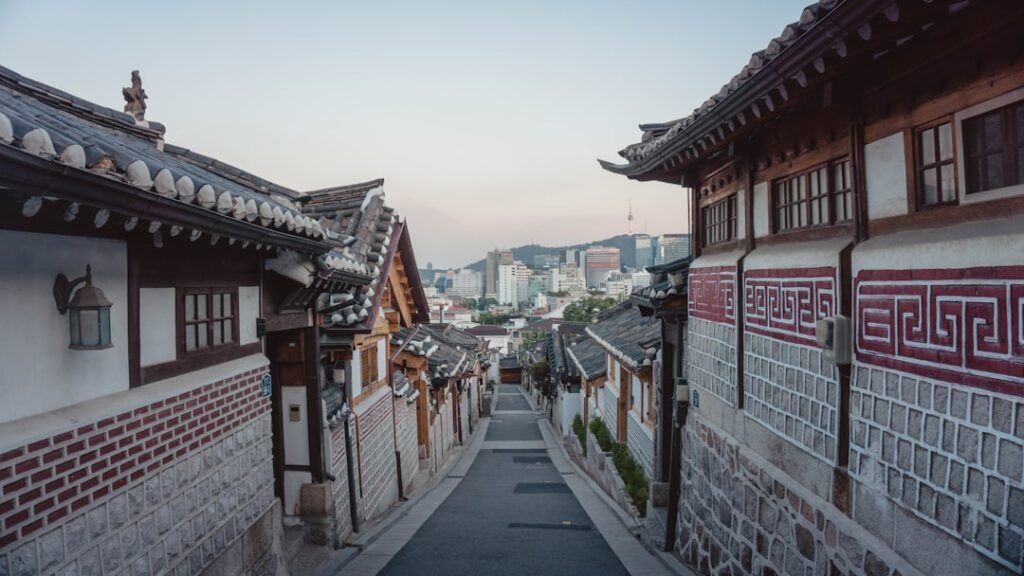
Chuseok, often referred to as the Korean harvest festival, is a cherished occasion that brings families together. This time of year, typically falling in late September or early October, marks a significant moment for Koreans to reconnect with their loved ones. Families travel from far and wide, often enduring long journeys, to gather at ancestral homes.
The atmosphere is filled with warmth and joy as relatives share stories, laughter, and memories, reinforcing the bonds that tie them together. The reunion is not merely a social gathering; it is a celebration of familial love and unity, where generations come together to honor their shared heritage. The essence of Chuseok lies in its ability to strengthen family ties.
As people come together, they engage in various activities that foster connection and understanding. From preparing traditional foods to participating in rituals, each moment spent together serves to deepen relationships. The festival also provides an opportunity for younger generations to learn about their ancestry and cultural practices, ensuring that the rich traditions of Korea are passed down through the ages.
In this way, Chuseok becomes more than just a holiday; it transforms into a vital thread in the fabric of Korean identity. Explore Our Korean Courses at the NLS Norwegian Language School in Oslo
Key Takeaways
- Chuseok is a time for family reunions, bringing together loved ones from near and far to celebrate and honor their ancestors.
- Traditional rituals and customs play a significant role in honoring ancestors and preserving Korean cultural heritage during Chuseok.
- Traditional Korean foods such as songpyeon and japchae hold deep cultural significance and are an integral part of Chuseok celebrations.
- Chuseok is a time to pay tribute to the harvest and nature, expressing gratitude for the abundance of the season.
- Hanbok, the traditional Korean attire, holds great importance during Chuseok, symbolizing the beauty and elegance of Korean cultural heritage.
Honoring Ancestors through Rituals and Traditions
At the heart of Chuseok lies the profound respect Koreans have for their ancestors. This reverence is expressed through rituals and traditions that are meticulously observed during the festival. One of the most significant practices is Charye (차례), a ceremonial rite that involves preparing a table laden with offerings for deceased family members.
These offerings typically include rice, fruits, and traditional dishes, symbolizing gratitude for the blessings received from ancestors. The act of honoring those who came before is a poignant reminder of the importance of lineage and heritage in Korean culture. The rituals associated with Chuseok serve not only as a means of honoring ancestors but also as a way to reflect on one’s own life and values.
Families gather around the Charye table, bowing in respect and offering prayers for their ancestors’ well-being in the afterlife. This moment of reflection fosters a sense of gratitude among family members, encouraging them to appreciate the sacrifices made by previous generations. The rituals create a sacred space where the past and present converge, allowing individuals to connect with their roots while contemplating their place in the continuum of family history.
The Significance of Traditional Korean Foods
Food plays a central role in Chuseok celebrations, serving as both sustenance and a symbol of cultural identity. Traditional dishes prepared during this time are rich in flavor and history, reflecting the agricultural bounty of Korea. One of the most iconic foods associated with Chuseok is songpyeon (송편), a type of rice cake filled with sweetened sesame seeds or red bean paste.
The process of making songpyeon is often a family affair, with members coming together to shape the delicate cakes under the guidance of elders. This culinary tradition not only nourishes the body but also strengthens familial bonds through shared labor and creativity. In addition to songpyeon, other traditional dishes such as bulgogi (marinated beef) and various banchan (side dishes) are prepared to celebrate the harvest.
Each dish carries its own significance, often tied to seasonal ingredients and regional specialties. The act of sharing these meals during Chuseok reinforces the idea of abundance and gratitude for nature’s gifts. As families gather around the table, they partake in a feast that symbolizes not only physical nourishment but also emotional fulfillment, creating lasting memories that will be cherished for years to come.
Paying Tribute to the Harvest and Nature
Chuseok is intrinsically linked to the agricultural calendar, marking the end of the harvest season and giving thanks for nature’s bounty. This festival serves as an opportunity for Koreans to express gratitude for the crops that have sustained them throughout the year. The celebration is steeped in rituals that honor the earth and its cycles, emphasizing the importance of harmony between humans and nature.
During this time, families often visit fields or farms to pay tribute to the land that has provided for them, acknowledging the hard work of farmers and the blessings of a fruitful harvest. The connection to nature is further highlighted through various customs that celebrate the changing seasons. Many families engage in outdoor activities such as hiking or picnicking, taking advantage of the crisp autumn air and vibrant foliage.
These experiences foster a sense of appreciation for the beauty of the natural world and its role in sustaining life. By honoring both the harvest and nature during Chuseok, Koreans reinforce their cultural values of respect for the environment and gratitude for its resources.
Celebrating Korean Cultural Heritage
Chuseok is not only a time for family reunions but also an opportunity to celebrate Korean cultural heritage. The festival encapsulates various aspects of Korean identity, from traditional music and dance to folk games and crafts. During this time, communities come together to showcase their cultural practices through performances that highlight Korea’s rich artistic traditions.
Events such as traditional music concerts or dance performances allow individuals to experience the vibrancy of Korean culture firsthand. Moreover, Chuseok serves as a platform for preserving and promoting traditional crafts. Many families engage in activities such as making handmade decorations or creating traditional garments like hanbok (한복).
These practices not only connect individuals to their heritage but also foster a sense of pride in being part of a culture that values artistry and craftsmanship. By celebrating cultural heritage during Chuseok, Koreans reinforce their identity while passing down traditions to future generations.
The Role of Charye (차례) in Chuseok
Charye (차례) holds a central place in Chuseok celebrations, serving as a profound expression of respect for ancestors. This ritual involves setting up an elaborate table adorned with various offerings, including rice, fruits, and traditional dishes prepared specifically for this occasion. The act of preparing Charye is often a communal effort within families, with each member contributing their skills to create a beautiful display that honors their lineage.
During the Charye ceremony, family members gather around the table to perform a series of bows known as “sebae” (세배), which signifies respect and gratitude towards their ancestors. This moment is deeply spiritual, allowing individuals to reflect on their heritage while seeking blessings for their family’s well-being. The ritual reinforces familial bonds and instills a sense of responsibility among younger generations to uphold these traditions.
Through Charye, Koreans not only honor their ancestors but also cultivate a deeper understanding of their cultural identity.
Folk Games and Performances during Chuseok
Chuseok is also characterized by lively folk games and performances that add an element of joy and excitement to the festivities. Traditional games such as “yutnori” (윷놀이), a board game played with wooden sticks, bring families together in friendly competition. These games are not only entertaining but also serve as a means of fostering camaraderie among participants.
Laughter fills the air as families engage in playful banter while enjoying these time-honored activities. In addition to games, various performances showcase Korea’s rich artistic heritage during Chuseok celebrations. Traditional music ensembles perform folk songs that tell stories of love, nature, and history, captivating audiences with their melodies.
Dance performances often accompany these musical acts, featuring colorful costumes and intricate choreography that reflect Korea’s cultural diversity. Through these vibrant displays of art, Chuseok becomes a celebration not only of family but also of community spirit and cultural pride.
The Importance of Hanbok (한복) during Chuseok
The traditional attire known as hanbok (한복) plays a significant role in Chuseok celebrations, symbolizing cultural identity and heritage. Wearing hanbok during this festive period is a way for individuals to connect with their roots while honoring tradition. The vibrant colors and intricate designs of hanbok reflect Korea’s artistic sensibilities and are often chosen based on seasonal themes or family preferences.
Dressing in hanbok during Chuseok serves multiple purposes; it enhances the festive atmosphere while also reinforcing cultural pride among participants. Families often take this opportunity to capture photographs together in their traditional attire, creating lasting memories that celebrate both their heritage and familial bonds. The act of wearing hanbok becomes an expression of love for one’s culture, allowing individuals to embrace their identity while participating in meaningful rituals and celebrations.
Chuseok as a Time for Giving Thanks
At its core, Chuseok is fundamentally about gratitude—gratitude for family, ancestors, nature’s bounty, and cultural heritage. As families gather around tables laden with food during this festival, they take time to reflect on their blessings throughout the year. This practice encourages individuals to express appreciation not only for material wealth but also for intangible gifts such as love, support, and community.
The spirit of giving thanks extends beyond familial gatherings; it permeates various aspects of society during Chuseok. Many Koreans engage in charitable acts by donating food or resources to those in need, embodying the festival’s ethos of generosity and compassion. This collective expression of gratitude fosters a sense of unity within communities while reinforcing values that prioritize empathy and kindness towards others.
Modern Celebrations and Changes in Chuseok Traditions
As society evolves, so too do the ways in which Chuseok is celebrated. While many traditional practices remain intact, modern influences have introduced new elements into the festivities. For instance, urbanization has led to changes in how families gather; some may opt for destination celebrations or participate in community events rather than returning to ancestral homes.
Additionally, advancements in technology have made it easier for families separated by distance to connect virtually during this important time. Despite these changes, the essence of Chuseok remains unchanged—a celebration rooted in love, gratitude, and cultural pride. Many families continue to uphold traditional rituals while incorporating contemporary elements that reflect their lifestyles.
This blending of old and new allows individuals to honor their heritage while adapting to modern realities, ensuring that Chuseok remains relevant across generations.
The Symbolism of Chuseok and its Impact on Korean Society
Chuseok symbolizes more than just a harvest festival; it embodies core values that resonate deeply within Korean society—family unity, respect for ancestors, gratitude for nature’s gifts, and pride in cultural heritage. These principles serve as guiding lights for individuals navigating an increasingly complex world. As Koreans come together during this festival, they reaffirm their commitment to these values while fostering connections that transcend time.
The impact of Chuseok extends beyond individual families; it influences societal norms by promoting empathy, generosity, and community spirit. As people engage in acts of kindness during this time—whether through charitable donations or simply spending quality time with loved ones—they contribute to building stronger communities rooted in compassion and understanding. In this way, Chuseok serves as both a celebration of tradition and an opportunity for personal growth within Korean society.
In conclusion, Chuseok stands as a testament to Korea’s rich cultural heritage—a festival that weaves together family reunions, ancestral reverence, culinary delights, nature appreciation, artistic expression, gratitude practices, modern adaptations—all culminating in an enduring celebration that resonates deeply within Korean hearts. As we look towards future generations embracing these traditions while forging new paths forward—may they carry forth this spirit of unity into an ever-evolving world. For those interested in exploring Korean culture further or learning the language itself, NLS Norwegian Language School in Oslo offers specialized Korean courses designed to immerse students in both language acquisition and cultural understanding.
Whether you are preparing for travel or simply wish to connect more deeply with Korean heritage through language learning—NLS provides an enriching environment where students can thrive while embracing all aspects of this vibrant culture!
Explore Our Korean Courses at the NLS Norwegian Language School in Oslo




