


Russian cinema has long been a significant contributor to the global film landscape, offering a unique perspective that reflects the country’s rich history, culture, and societal complexities. From the early days of silent films to contemporary masterpieces, Russian filmmakers have consistently pushed the boundaries of storytelling, employing innovative techniques and profound themes. The evolution of Russian cinema mirrors the tumultuous changes in the nation itself, encompassing periods of revolution, war, and social transformation.
As a result, these films not only entertain but also serve as a window into the Russian psyche, providing audiences with insights into the values, struggles, and aspirations of its people. The significance of Russian cinema extends beyond mere entertainment; it is an invaluable resource for language learners. Engaging with films in their original language allows viewers to immerse themselves in the nuances of Russian dialogue, idiomatic expressions, and cultural references.
This immersion can enhance listening skills and comprehension, making it an effective tool for those seeking to master the language. As we delve into some of the most impactful Russian films, we will explore their narratives and themes while highlighting how they can aid in language acquisition. Get to know more about Russian classes at the NLS Norwegian Language School in Oslo now!
Summary
- Russian cinema has a rich history and has produced many influential films over the years.
- “Come and See” (1985) is a harrowing war film that provides a powerful portrayal of the horrors of World War II.
- “The Return” (2003) is a thought-provoking drama that explores the complexities of family relationships and the search for identity.
- “Leviathan” (2014) offers a compelling critique of contemporary Russian society and its struggles with power and corruption.
- “Loveless” (2017) is a haunting drama that delves into the breakdown of a marriage and the impact on a child.
- “The Cranes Are Flying” (1957) is a classic Soviet film that captures the emotional turmoil of war and love during World War II.
- Watching Russian films can help improve listening skills through exposure to the language in authentic contexts.
- Tips for watching Russian films for language learning include using subtitles, focusing on key phrases, and discussing the film with others.
- Understanding Russian culture through film provides valuable insights into the country’s history, values, and societal issues.
- Other notable Russian films for language learning include “Stalker” (1979), “Solaris” (1972), and “The Mirror” (1975).
- Embracing Russian cinema for language development can be a rewarding and immersive way to engage with the language and culture.
“Come and See” (1985)
“Come and See,” directed by Elem Klimov, is a harrowing portrayal of the impact of World War II on a young boy named Florya. Set in Belarus during the Nazi occupation, the film follows Florya as he witnesses the brutal realities of war unfold around him. The cinematography is striking, with long takes that immerse viewers in the protagonist’s emotional journey.
The film’s unflinching depiction of violence and suffering serves as a powerful commentary on the horrors of war, making it one of the most significant anti-war films in cinema history. The film’s dialogue is rich with colloquial expressions and regional dialects, providing an authentic representation of the language spoken during that era. For language learners, “Come and See” offers an opportunity to engage with historical context while honing listening skills.
The emotional weight of the film’s narrative compels viewers to pay close attention to the dialogue, enhancing their ability to understand spoken Russian in various contexts. As such, this film stands as a poignant example of how cinema can serve as both an artistic expression and a linguistic resource.
“The Return” (2003)

Andrey Zvyagintsev’s “The Return” tells the story of two brothers who embark on a journey to find their estranged father after he mysteriously reappears in their lives. The film is steeped in symbolism and explores themes of family dynamics, trust, and the complexities of masculinity. The stark landscapes and minimalist dialogue create an atmosphere of tension and introspection, inviting viewers to reflect on the characters’ emotional states.
For those learning Russian, “The Return” presents a unique opportunity to engage with the language in a contemplative setting. The film’s sparse dialogue allows learners to focus on pronunciation and intonation without being overwhelmed by rapid exchanges. Additionally, the visual storytelling complements the dialogue, providing context that aids comprehension.
As viewers navigate the emotional landscape of the film, they can simultaneously develop their listening skills and deepen their understanding of Russian culture.
“Leviathan” (2014)
“Leviathan,” directed by Andrey Zvyagintsev, is a modern-day parable that critiques corruption and power dynamics within contemporary Russian society. The film follows Kolya, a man fighting against a corrupt mayor who seeks to seize his land. Through its exploration of themes such as injustice and despair, “Leviathan” resonates with audiences on both personal and political levels.
The film’s cinematography captures the bleakness of its setting, reflecting the characters’ struggles against an oppressive system. Language learners can benefit from watching “Leviathan” due to its contemporary dialogue and relatable themes. The film’s exploration of everyday life in Russia provides context for colloquial expressions and cultural references that may not be found in traditional language learning materials.
By engaging with this film, learners can enhance their listening skills while gaining insight into modern Russian society. The emotional depth of the characters’ experiences further encourages viewers to connect with the language on a personal level.
“Loveless” (2017)
In “Loveless,” Zvyagintsev once again delves into the complexities of human relationships, this time focusing on a couple undergoing a bitter divorce while their son goes missing. The film’s exploration of apathy and disconnection in contemporary society serves as a poignant commentary on familial bonds and societal values. The stark realism and emotional intensity of “Loveless” make it a compelling watch that lingers long after the credits roll.
For language learners, “Loveless” offers an opportunity to engage with contemporary Russian vernacular while grappling with profound themes. The film’s dialogue is marked by emotional exchanges that reflect real-life conversations, allowing learners to pick up on nuances in tone and expression. As viewers navigate the characters’ struggles, they can develop their listening skills while gaining a deeper understanding of interpersonal dynamics within Russian culture.
“The Cranes Are Flying” (1957)
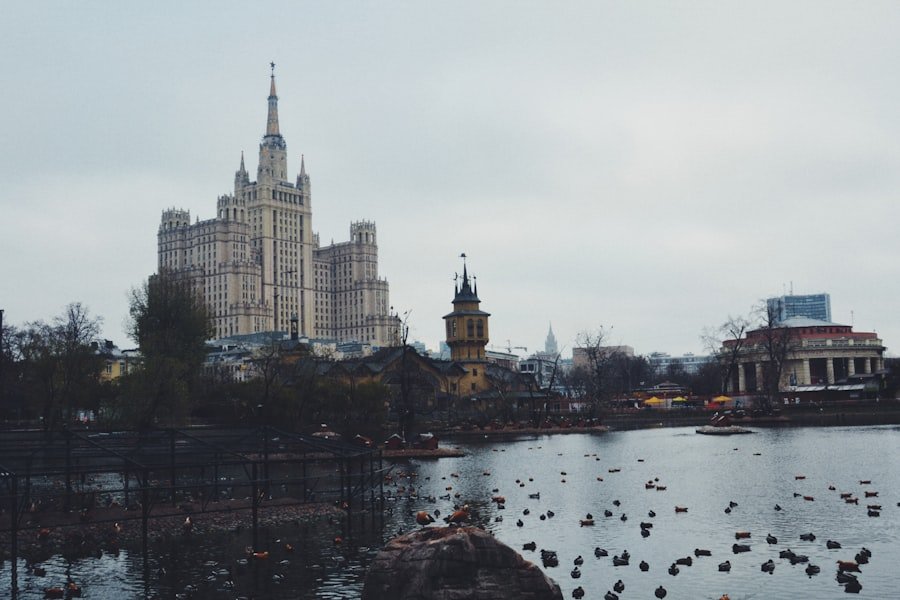
“The Cranes Are Flying,” directed by Mikhail Kalatozov, is a classic of Soviet cinema that tells the story of love and loss during World War
This film serves as an excellent resource for language learners due to its poetic dialogue and emotional depth. The interactions between characters are rich with subtext, providing opportunities for learners to explore idiomatic expressions and cultural references that are integral to understanding Russian communication styles. By immersing themselves in “The Cranes Are Flying,” viewers can enhance their listening skills while appreciating the artistry of classic Russian cinema.
How Russian Films Can Help Improve Your Listening Skills
Engaging with Russian films offers a multifaceted approach to improving listening skills for language learners. Firstly, films provide exposure to authentic spoken language in various contexts, allowing learners to hear different accents, dialects, and speech patterns. This exposure is invaluable for developing an ear for the language and understanding how it is used in everyday conversation.
Moreover, films often incorporate colloquial expressions and idiomatic phrases that may not be present in traditional language learning resources. By hearing these expressions used in context, learners can gain a deeper understanding of their meanings and applications. Additionally, visual storytelling complements auditory learning; viewers can rely on visual cues to aid comprehension when faced with unfamiliar vocabulary or complex dialogue.
Tips for Watching Russian Films for Language Learning
To maximise the benefits of watching Russian films for language learning, there are several strategies that learners can employ. Firstly, it is advisable to watch films with subtitles in either Russian or one’s native language initially. This allows viewers to follow along with the dialogue while becoming familiar with pronunciation and sentence structure.
As learners become more comfortable with the language, they can gradually transition to watching films without subtitles or with only Russian subtitles. This shift encourages active listening and forces viewers to rely on their comprehension skills without external aids. Additionally, pausing the film to repeat phrases or jot down new vocabulary can reinforce learning and improve retention.
Another effective strategy is to engage in discussions about the films after viewing them. This could involve joining language exchange groups or online forums where learners can share their thoughts on character motivations, themes, and cultural insights gleaned from the films. Such discussions not only enhance comprehension but also provide opportunities for practising speaking skills.
Understanding Russian Culture Through Film
Russian cinema serves as a rich tapestry through which viewers can explore various aspects of Russian culture. Films often reflect societal values, historical events, and cultural norms that shape the lives of individuals within the country. By engaging with these narratives, viewers gain insights into what it means to be Russian—understanding both the triumphs and tribulations that define the national identity.
Moreover, films often address universal themes such as love, loss, family dynamics, and social justice while embedding them within specific cultural contexts. This duality allows viewers to connect with characters on an emotional level while appreciating the unique cultural nuances that inform their experiences. As such, watching Russian films becomes not only an exercise in language learning but also an exploration of cultural identity.
Other Notable Russian Films for Language Learning
In addition to the aforementioned films, several other notable works contribute significantly to both cinematic art and language learning. “Stalker” (1979), directed by Andrei Tarkovsky, is a philosophical exploration that delves into human desires and existential questions within a mysterious zone. Its contemplative pace offers ample opportunity for learners to absorb language at a measured tempo.
Another noteworthy film is “The Barber of Siberia” (1998), directed by Nikita Mikhalkov. This romantic drama set against the backdrop of 19th-century Russia combines humour with poignant moments that reflect societal changes during that era. The film’s engaging narrative provides learners with exposure to historical vocabulary while entertaining them with its charming storyline.
For those interested in contemporary narratives, “The Student” (2016) by Kirill Serebrennikov tackles themes of faith and modernity through the eyes of a high school student grappling with religious fervour in today’s society. Its sharp dialogue offers insights into modern youth culture while challenging viewers to consider broader societal issues.
Embracing Russian Cinema for Language Development
In conclusion, embracing Russian cinema presents an enriching avenue for language development that transcends traditional learning methods. Through engaging narratives and compelling characters, films provide learners with authentic exposure to spoken Russian while offering insights into cultural nuances that shape communication styles. By immersing themselves in this cinematic world, learners can enhance their listening skills while gaining a deeper appreciation for Russia’s artistic heritage.
For those interested in furthering their understanding of the language through immersive experiences, consider enrolling in Russian courses at NLS Norwegian Language School in Oslo. These courses are designed not only to teach grammar and vocabulary but also to incorporate cultural elements that resonate with learners’ interests—such as cinema—making language acquisition both enjoyable and effective. By combining formal education with cinematic exploration, students can cultivate their language skills while embracing the richness of Russian culture through its films.
Get to know more about Russian classes at the NLS Norwegian Language School in Oslo now!




