

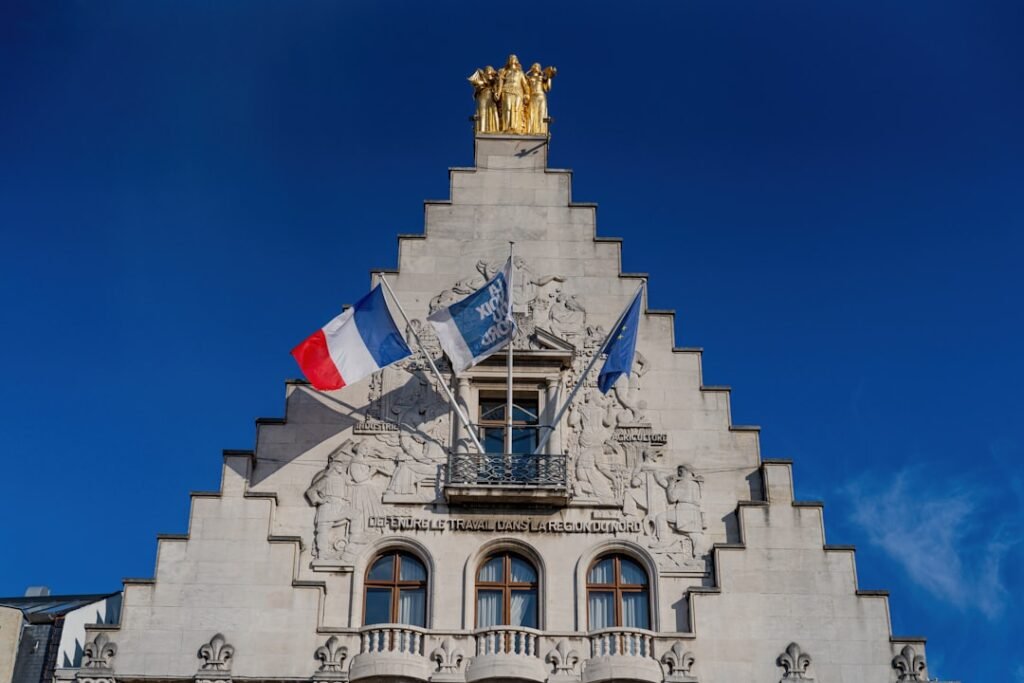
The historical significance of French in diplomacy cannot be overstated. For centuries, French has been the lingua franca of international relations, serving as the primary language of diplomacy and negotiation among European powers. This prominence can be traced back to the Treaty of Westphalia in 1648, which marked the end of the Thirty Years’ War and established a new order in Europe.
French was adopted as the official language for diplomatic correspondence, a trend that continued well into the 20th century. The language’s association with culture, art, and intellectualism further solidified its status as the preferred medium for international dialogue. Moreover, the establishment of institutions such as the League of Nations and later the United Nations saw French maintain its position as one of the official languages.
The use of French in these organisations not only reflects its historical significance but also underscores its role in shaping global governance. As nations sought to communicate and negotiate on pressing issues, French provided a common ground that facilitated understanding and cooperation. This legacy continues to influence contemporary diplomatic practices, making French an essential language for those engaged in international relations. Ready to say Bonjour to fluency? Your French journey starts at NLS Norwegian Language School. Enroll in a French class today!
Summary
- French has a long historical significance in diplomacy, dating back to the 17th century when it was the dominant language of international relations.
- French continues to be the language of international relations, with many diplomatic documents and meetings conducted in French.
- Oslo places a high value on French language education, with many institutions offering French language courses and programs.
- French influence is strong in Norwegian diplomatic circles, with many diplomats being fluent in French and using it in their professional interactions.
- French plays a crucial role in multilateral diplomacy, as it is one of the official languages of many international organisations.
French as the Language of International Relations
In the realm of international relations, French remains a vital tool for diplomacy. Its status as one of the official languages of key international organisations, including the United Nations, NATO, and the European Union, underscores its importance in global governance. French is not merely a language; it is a bridge that connects diverse cultures and facilitates dialogue among nations.
The ability to communicate effectively in French can enhance diplomatic negotiations, allowing for nuanced discussions that might otherwise be lost in translation. Furthermore, the use of French in international forums fosters a sense of inclusivity and equality among member states. Countries that utilise French in their diplomatic engagements often find themselves better positioned to influence discussions and outcomes.
This is particularly relevant in multilateral settings where diverse linguistic backgrounds can create barriers to effective communication. By embracing French as a common language, diplomats can navigate complex issues with greater ease and foster collaborative solutions that benefit all parties involved.
French Language Education in Oslo
In Oslo, the importance of French language education is increasingly recognised, particularly within the context of diplomacy and international relations. The NLS Norwegian Language School offers comprehensive French courses designed to equip students with the linguistic skills necessary for effective communication in diplomatic settings. These courses cater to a wide range of proficiency levels, from beginners to advanced speakers, ensuring that all learners can develop their language skills at their own pace.
The curriculum at NLS is tailored to meet the specific needs of those interested in pursuing careers in diplomacy or international relations. Students are exposed to specialised vocabulary and phrases commonly used in diplomatic contexts, enabling them to engage confidently in discussions and negotiations. Additionally, the school emphasises cultural understanding, providing learners with insights into French customs and etiquette that are crucial for successful diplomatic interactions.
By fostering a deep appreciation for the language and its cultural nuances, NLS plays a pivotal role in preparing future diplomats for their roles on the global stage.
French Influence in Norwegian Diplomatic Circles
French influence within Norwegian diplomatic circles is both profound and multifaceted. Historically, Norway has maintained strong ties with France, rooted in shared values and mutual interests. This relationship has been further strengthened by Norway’s commitment to multilateralism and cooperation on global issues such as climate change, security, and human rights.
As a result, proficiency in French has become increasingly important for Norwegian diplomats who seek to engage effectively with their French counterparts. Moreover, the presence of French culture in Norway has contributed to a growing interest in the language among diplomats and officials. Cultural exchanges, academic collaborations, and joint initiatives have fostered an environment where French is not only appreciated but actively utilised in diplomatic discourse.
This cultural connection enhances Norway’s ability to navigate complex international issues while reinforcing its commitment to maintaining strong relationships with Francophone nations.
The Role of French in Multilateral Diplomacy
French plays a crucial role in multilateral diplomacy, serving as a key language for negotiations and discussions among member states. In organisations such as the United Nations and the European Union, French is one of the official languages used for drafting resolutions, conducting meetings, and facilitating communication between delegates. This linguistic diversity is essential for ensuring that all voices are heard and that decisions reflect a broad range of perspectives.
The use of French in multilateral settings also promotes transparency and accountability. When documents are available in multiple languages, it allows for greater scrutiny and understanding among member states. This is particularly important when addressing complex global challenges that require collaborative solutions.
By fostering an environment where French is actively used in diplomatic discussions, countries can work together more effectively to address pressing issues such as climate change, security threats, and humanitarian crises.
French as the Language of Cultural Diplomacy
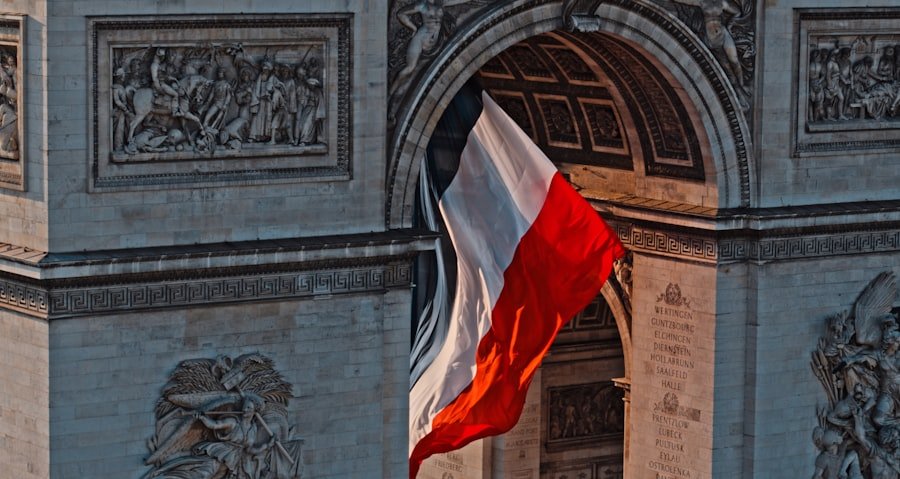
Cultural diplomacy is an essential aspect of international relations, and French serves as a vital conduit for cultural exchange between nations. The rich heritage of French literature, art, philosophy, and cuisine has long captivated audiences around the world, making it an influential force in shaping cultural perceptions. In this context, proficiency in French allows diplomats to engage more deeply with cultural narratives and foster mutual understanding between countries.
In Oslo, cultural diplomacy initiatives often incorporate the French language as a means of promoting bilateral relations with Francophone nations. Events such as film festivals, art exhibitions, and culinary showcases provide opportunities for cultural exchange while highlighting the importance of language in these interactions. By embracing French as a tool for cultural diplomacy, Norway can strengthen its ties with France and other Francophone countries while enriching its own cultural landscape.
French Language Requirements in Oslo Diplomatic Institutions
As Norway continues to engage actively on the international stage, proficiency in French has become a key requirement for many positions within diplomatic institutions in Oslo. The ability to communicate effectively in French is often seen as an asset when applying for roles within embassies, consulates, or international organisations based in Norway. This emphasis on language skills reflects a broader recognition of the importance of multilingualism in diplomacy.
Moreover, many diplomatic training programmes now include French language components to ensure that aspiring diplomats are well-prepared for their roles. These programmes often focus on developing practical language skills relevant to diplomatic contexts, such as negotiation techniques and public speaking. By prioritising French language education within diplomatic institutions, Norway is equipping its diplomats with the tools they need to succeed in an increasingly interconnected world.
The Importance of French in European Diplomacy
French holds significant importance within European diplomacy due to its status as one of the founding languages of the European Union. As member states navigate complex political landscapes and work towards common goals, proficiency in French enables diplomats to engage effectively with their counterparts from Francophone countries. This linguistic capability fosters collaboration on critical issues such as trade agreements, environmental policies, and security initiatives.
Furthermore, France’s role as a leading member state within the EU amplifies the relevance of the French language in European diplomatic discourse. As discussions surrounding Brexit and other geopolitical challenges unfold, the ability to communicate fluently in French becomes increasingly valuable for diplomats seeking to navigate these complexities. By prioritising French language education and engagement within European institutions, Norway can enhance its influence and effectiveness within this vital arena.
Challenges and Opportunities for French Language Diplomacy in Oslo
While there are numerous opportunities for promoting French language diplomacy in Oslo, challenges remain that must be addressed. One significant challenge is the perception that English has become the dominant language of diplomacy, leading some to underestimate the value of learning French. This trend can result in fewer individuals pursuing French language education or engaging with Francophone cultures.
However, this challenge also presents an opportunity for advocacy and awareness-raising initiatives aimed at highlighting the importance of multilingualism in diplomacy. By showcasing successful examples of French-speaking diplomats and their contributions to international relations, stakeholders can inspire a new generation to embrace the language. Additionally, partnerships between educational institutions like NLS and diplomatic organisations can create pathways for individuals interested in pursuing careers that require proficiency in French.
The Future of French in Oslo Diplomatic Circles
The future of French within Oslo’s diplomatic circles appears promising as awareness grows regarding its significance in international relations. As Norway continues to strengthen its ties with Francophone nations and engage actively within multilateral organisations, proficiency in French will remain a valuable asset for diplomats. Educational institutions like NLS play a crucial role in shaping this future by providing high-quality language education tailored to meet the needs of aspiring diplomats.
Moreover, ongoing cultural exchanges between Norway and Francophone countries will further reinforce the relevance of the French language within diplomatic contexts. As new generations of diplomats emerge with a strong foundation in both language skills and cultural understanding, they will be well-equipped to navigate complex global challenges while fostering collaboration across borders.
Recommendations for Promoting French Language Diplomacy in Oslo
To promote French language diplomacy effectively in Oslo, several recommendations can be considered. Firstly, increasing collaboration between educational institutions like NLS and diplomatic organisations can create targeted programmes that emphasise practical language skills relevant to diplomacy. Workshops focused on negotiation techniques or public speaking in French could enhance students’ confidence when engaging with international counterparts.
Secondly, public awareness campaigns highlighting successful examples of Norwegian diplomats who have utilised their proficiency in French could inspire others to pursue language education. Showcasing stories of cultural exchanges or joint initiatives between Norway and Francophone countries can further emphasise the value of learning French. Lastly, fostering partnerships with Francophone communities within Oslo can create opportunities for immersive language experiences through cultural events or exchange programmes.
By embracing these recommendations, Norway can strengthen its commitment to promoting French language diplomacy while enhancing its position within global affairs.




