


French expressions have a unique charm that transcends mere words, encapsulating emotions, cultural nuances, and philosophical insights. The French language is renowned for its lyrical quality and depth, making it a treasure trove of idiomatic phrases that often convey complex ideas in a succinct manner. From the romantic streets of Paris to the sun-drenched vineyards of Provence, these expressions reflect the essence of French culture and its people.
As we delve into some of the most iconic French phrases, we will uncover their meanings, origins, and the cultural significance they hold in both France and beyond. The allure of French expressions lies not only in their poetic nature but also in their ability to resonate with universal human experiences. Whether one is navigating the intricacies of love, life, or culinary delights, these phrases offer a glimpse into the French way of thinking and living.
In this exploration, we will examine a selection of expressions that highlight the richness of the French language and its capacity to articulate feelings and concepts that often elude direct translation. Ready to speak French? Enroll for French classes at the NLS Norwegian Language School in Oslo!
Summary
- French expressions add a touch of sophistication and elegance to the English language.
- “C’est la vie” translates to “that’s life” and is used to express acceptance of the ups and downs of life.
- The phrase “Joie de vivre” encapsulates the French love for life and the enjoyment of living.
- “Voulez-vous coucher avec moi ce soir?” carries a more risqué connotation than its literal translation of “do you want to sleep with me tonight?”
- “Laissez-faire” embodies the concept of non-interference and minimal government intervention.
- “Bon appétit” is more than just a polite way to start a meal; it reflects the French appreciation for good food and dining experiences.
- “Savoir-faire” encompasses the ability to act appropriately and gracefully in social situations.
- “Champagne lifestyle on a lemonade budget” refers to living lavishly on a limited budget, showcasing resourcefulness and style.
- “Déjà vu” describes the eerie feeling of having experienced something before, adding a mystical element to everyday life.
- French expressions offer a rich tapestry of cultural and linguistic nuances that enhance communication and understanding.
The Meaning of “C’est la vie”
One of the most recognisable French expressions is “C’est la vie,” which translates to “That’s life.” This phrase encapsulates a sense of acceptance and resignation in the face of life’s inevitable ups and downs. It is often used to convey a nonchalant attitude towards situations that are beyond one’s control, suggesting that one must simply accept the circumstances as they are. The phrase embodies a philosophy of embracing life’s unpredictability, encouraging individuals to move forward rather than dwell on disappointments.
In everyday conversation, “C’est la vie” serves as a reminder that life is filled with both joys and challenges. It can be uttered in response to a minor setback, such as spilling coffee on a new shirt or missing an important appointment. By invoking this expression, one acknowledges the impermanence of such moments and encourages a more relaxed approach to life’s trials.
This attitude reflects a broader cultural acceptance within French society, where the emphasis is often placed on enjoying the present rather than fixating on what could have been.
The Origins of “C’est la vie”

The origins of “C’est la vie” can be traced back to the 19th century, where it emerged as part of the vernacular in France. The phrase gained popularity during a time when existentialism began to take root in French philosophy, with thinkers like Jean-Paul Sartre and Simone de Beauvoir exploring themes of absurdity and human existence. “C’est la vie” became a succinct way to express the idea that life is inherently unpredictable and often irrational.
As the phrase permeated popular culture, it found its way into literature, music, and film, further solidifying its place in the French lexicon. Its usage expanded beyond France’s borders, becoming a staple in English-speaking countries as well. Today, “C’est la vie” is often employed in various contexts, from casual conversations to more profound discussions about life’s challenges.
Its enduring appeal lies in its simplicity and relatability, making it a timeless expression that resonates with people from all walks of life.
Understanding “Joie de vivre”
Another quintessential French expression is “joie de vivre,” which translates to “joy of living.” This phrase encapsulates an exuberant appreciation for life and all its pleasures. It reflects a philosophy that encourages individuals to embrace happiness and seek out experiences that bring joy, whether through food, art, nature, or relationships. The concept of “joie de vivre” is deeply ingrained in French culture, where enjoying life’s simple pleasures is often seen as an art form.
In practice, “joie de vivre” manifests in various aspects of daily life in France. From leisurely meals shared with friends to spontaneous adventures in picturesque settings, this expression embodies a lifestyle that prioritises enjoyment and connection. It serves as a reminder to savour each moment and find delight in both the ordinary and extraordinary experiences that life has to offer.
In a world that often prioritises productivity over pleasure, “joie de vivre” stands as a celebration of living fully and authentically.
Exploring the Significance of “Voulez-vous coucher avec moi ce soir?”
The phrase “Voulez-vous coucher avec moi ce soir?” translates to “Do you want to sleep with me tonight?” This expression gained international fame through its use in popular culture, particularly in the song “Lady Marmalade.” While it may seem overtly provocative at first glance, it also reflects deeper themes of desire and intimacy within French culture. The phrase encapsulates a boldness in expressing romantic interest that can be both alluring and intimidating. In French society, discussions around love and relationships are often approached with a certain level of openness and candour.
The use of such direct language can be seen as an invitation to explore connections without the constraints of societal taboos. However, it is essential to understand the context in which this phrase is used; it is not merely about physical intimacy but also about the emotional nuances that accompany such encounters. In this way, “Voulez-vous coucher avec moi ce soir?” serves as a gateway into understanding the complexities of human relationships within the framework of French culture.
The True Meaning of “Laissez-faire”
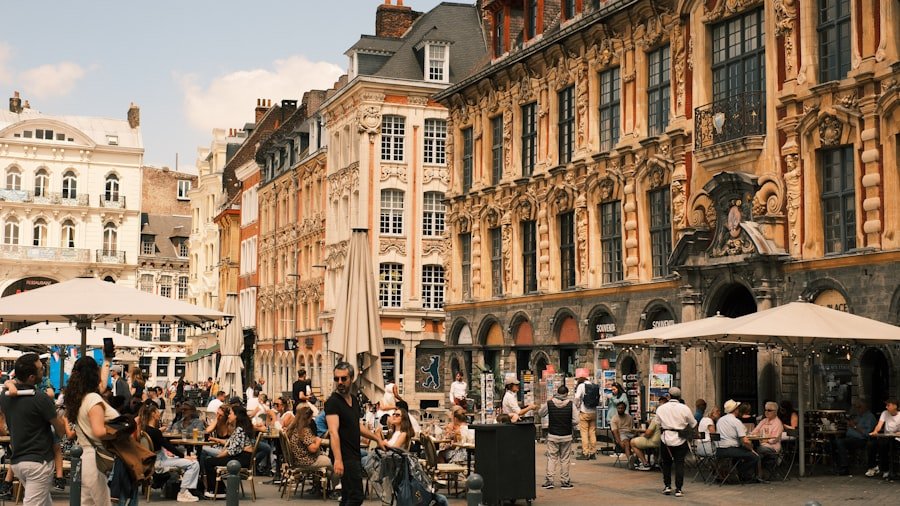
“Laissez-faire,” which translates to “let do” or “let it be,” is an expression that has significant implications in both economic theory and everyday life. In its economic context, laissez-faire refers to an approach where government intervention in business affairs is minimal or non-existent. This philosophy champions free-market principles and individual entrepreneurship, allowing for natural economic growth driven by supply and demand.
Beyond economics, “laissez-faire” can also describe an attitude towards parenting or personal relationships characterised by a hands-off approach. In this context, it suggests allowing individuals the freedom to make their own choices without excessive interference or control. This expression embodies a belief in autonomy and self-determination, reflecting broader cultural values that prioritise personal freedom and responsibility.
Whether applied to economics or interpersonal dynamics, “laissez-faire” encourages a balance between guidance and independence.
Unpacking the Complexity of “Bon appétit”
The phrase “bon appétit,” meaning “enjoy your meal,” is commonly uttered before dining in France and has become synonymous with French culinary culture. However, its significance extends beyond mere etiquette; it embodies a deep appreciation for food as an integral part of social interaction and cultural identity. In France, meals are not just about sustenance; they are occasions for connection, conversation, and celebration.
When one says “bon appétit,” it is an invitation to relish the flavours and textures of the meal while fostering an atmosphere of conviviality among diners. This expression reflects the French philosophy that food should be savoured rather than rushed—a sentiment that resonates throughout French cuisine’s emphasis on quality ingredients and meticulous preparation. By embracing this mindset, individuals are encouraged to engage fully with their dining experience, transforming each meal into an opportunity for enjoyment and connection.
The Cultural Context of “Savoir-faire”
“Savoir-faire,” which translates to “know-how,” encapsulates a sense of competence and sophistication that is highly valued in French culture. This expression goes beyond mere technical skills; it encompasses an understanding of social nuances, etiquette, and cultural practices that contribute to one’s ability to navigate various situations with grace and confidence. In essence, savoir-faire represents an artful blend of knowledge and social intelligence.
In professional settings, having savoir-faire can significantly impact one’s success in building relationships and fostering collaboration. It reflects an awareness of how to conduct oneself appropriately within different contexts—whether at formal events or casual gatherings. This cultural emphasis on savoir-faire highlights the importance placed on interpersonal skills and emotional intelligence within French society.
As individuals cultivate their savoir-faire, they not only enhance their personal interactions but also contribute to a richer social fabric.
The Intricacies of “Champagne lifestyle on a lemonade budget”
The phrase “champagne lifestyle on a lemonade budget” captures the essence of living extravagantly while managing limited financial resources. It reflects a desire for luxury and indulgence despite economic constraints—a sentiment that resonates with many individuals navigating modern life. This expression highlights the tension between aspiration and reality, illustrating how people often strive for experiences associated with wealth while working within their means.
In contemporary society, this phrase has become increasingly relevant as social media amplifies images of opulence and glamour. Many individuals find themselves drawn to lifestyles portrayed online that may not align with their financial realities. The concept encourages creativity in finding ways to enjoy life’s pleasures without overspending—whether through clever budgeting or seeking out affordable alternatives that still provide joy and satisfaction.
Ultimately, this expression serves as a reminder that one can cultivate a rich life experience without necessarily adhering to conventional standards of wealth.
The Nuances of “Déjà vu”
“Dèjà vu,” meaning “already seen,” refers to the uncanny sensation of having experienced something before despite it being new or unfamiliar. This phenomenon has intrigued psychologists and philosophers alike for centuries as they seek to understand its origins and implications for human consciousness. Déjà vu can evoke feelings of nostalgia or confusion, prompting individuals to question their memories and perceptions.
In popular culture, déjà vu has been romanticised as a mystical experience or signifier of fate; however, its psychological underpinnings are rooted in cognitive processes related to memory recall. The experience can occur during moments of heightened emotion or stress when one’s brain may misinterpret sensory information as familiar due to similar past experiences. This complexity adds depth to our understanding of human cognition while highlighting how our minds navigate time and memory.
The Richness of French Expressions
In conclusion, French expressions offer profound insights into the culture, philosophy, and emotional landscape of France and its people. Each phrase we explored reveals layers of meaning that resonate with universal human experiences while reflecting unique cultural values. From acceptance embodied in “C’est la vie” to the exuberance captured by “joie de vivre,” these expressions enrich our understanding of life’s complexities.
As we appreciate these linguistic treasures, it becomes evident that learning French can deepen our connection to these expressions and their cultural significance. For those interested in immersing themselves further into the beauty of the French language, NLS Norwegian Language School in Oslo offers exceptional French courses tailored for various proficiency levels. With experienced instructors guiding students through language acquisition while exploring cultural contexts, NLS provides an ideal environment for anyone eager to embrace the richness of French expressions fully.
By engaging with these phrases through structured learning at NLS Norwegian Language School, students can unlock new dimensions of understanding while cultivating their own joie de vivre in mastering this beautiful language. Whether you are drawn by romance or culinary delights—or simply wish to navigate life’s complexities with greater finesse—NLS’s French courses offer an invaluable opportunity for personal growth and cultural enrichment.
Ready to speak French? Enroll for French classes at the NLS Norwegian Language School in Oslo!




