

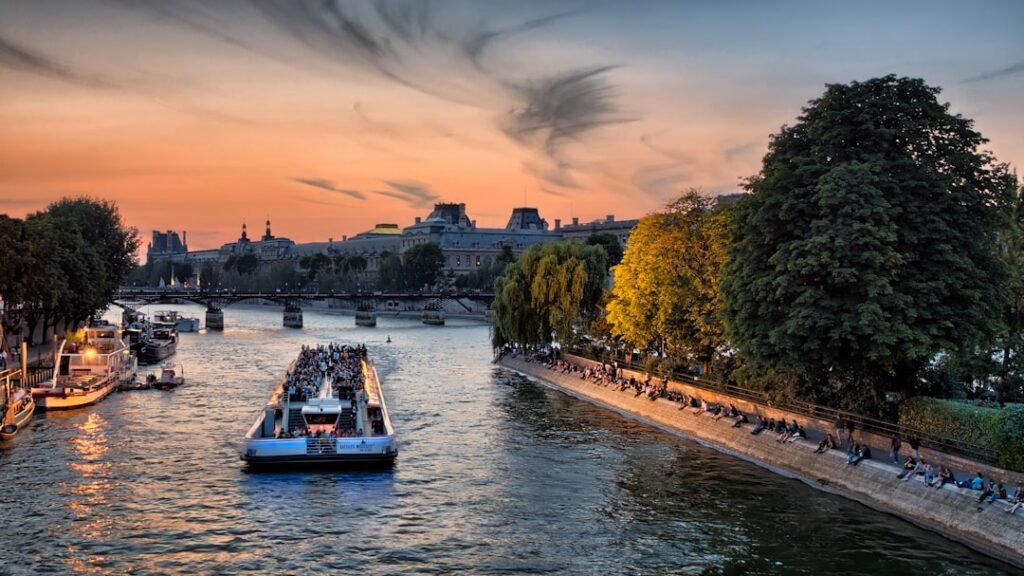
France is a country steeped in rich traditions, particularly when it comes to its festive celebrations. The French take great pride in their cultural heritage, and this is vividly reflected in the way they celebrate various holidays throughout the year. From the enchanting Christmas markets that spring up in towns and cities across the nation to the vibrant Bastille Day festivities, each occasion is marked by unique customs that bring communities together.
The joy of sharing a meal with family and friends during these times is a cornerstone of French culture, with traditional dishes often taking centre stage. One cannot discuss French festive traditions without mentioning the culinary delights that accompany them. For instance, during Christmas, families gather to enjoy a feast that may include a rich and decadent Yule log cake, known as “bûche de Noël.” Similarly, during Easter, the tradition of decorating eggs and sharing chocolate treats is prevalent.
These customs not only highlight the importance of food in French culture but also serve as a reminder of the values of togetherness and celebration that are deeply ingrained in the French way of life. Enrol Today: French Winter Courses at NLS Norwegian Language School.
Summary
- Embrace the festive traditions of France by participating in cultural celebrations and events such as Bastille Day and Christmas markets.
- Explore the rich history of French art and literature through visits to museums, art galleries, and literary landmarks.
- Delve into the culinary delights of French cuisine by sampling traditional dishes and attending cooking classes or food tours.
- Discover the charming French language and its importance in communication by taking language classes or engaging in language exchange programs.
- Uncover the beauty of French architecture and design by visiting iconic landmarks and exploring the influence of French design in art and fashion.
Explore the Rich History of French Art and Literature
The history of French art and literature is a tapestry woven with creativity, innovation, and profound influence. France has been home to some of the world’s most celebrated artists and writers, whose works have shaped not only their own nation but also the global cultural landscape. From the Impressionist movement led by artists like Claude Monet and Edgar Degas to the literary genius of Victor Hugo and Marcel Proust, France has consistently been at the forefront of artistic expression.
The country’s museums, such as the Louvre and Musée d’Orsay, house masterpieces that tell stories of human experience and emotion. Moreover, French literature has played a pivotal role in the development of various literary movements, including Romanticism and Surrealism. The works of authors like Gustave Flaubert and Simone de Beauvoir have explored themes of identity, society, and existentialism, leaving an indelible mark on literature worldwide.
The annual literary festivals held across France celebrate this rich heritage, allowing both established and emerging writers to showcase their talents. Engaging with French art and literature offers a deeper understanding of the cultural nuances that define the nation.
Delve into the Culinary Delights of French Cuisine
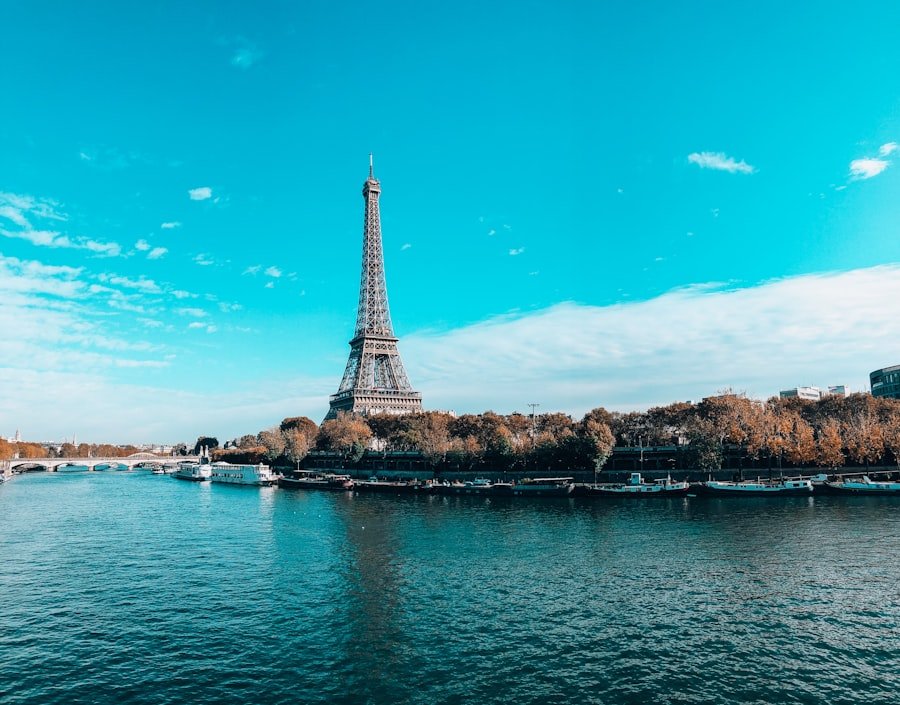
French cuisine is often regarded as one of the finest in the world, renowned for its sophistication and diversity. The culinary landscape of France is a reflection of its regional variations, with each area boasting its own specialities that highlight local ingredients and traditions. From the buttery croissants of Paris to the hearty cassoulet of the southwest, French food is a celebration of flavour and artistry.
The meticulous attention to detail in preparation and presentation is what sets French cuisine apart, making it a true gastronomic experience. In addition to its exquisite dishes, French cuisine is also characterised by its emphasis on quality ingredients and techniques. The concept of “terroir,” which refers to the unique characteristics imparted by a specific region’s climate and soil, plays a significant role in French cooking.
This philosophy extends to wine production as well, with France being home to some of the most prestigious vineyards in the world. Culinary schools across the country offer aspiring chefs the opportunity to learn from masters in the field, ensuring that the art of French cooking continues to thrive.
Discover the Charming French Language and its Importance in Communication
The French language is often described as one of the most beautiful languages in the world, with its melodic tones and rich vocabulary. Learning French opens up a gateway to understanding not only the language itself but also the culture and values that underpin it. As one of the official languages of numerous international organisations, including the United Nations and the European Union, proficiency in French can enhance communication in various professional contexts.
Moreover, it serves as a bridge to connect with millions of speakers across the globe. In addition to its practical applications, mastering French can also deepen one’s appreciation for French literature, cinema, and music. Many works of art are best experienced in their original language, where nuances and subtleties may be lost in translation.
Engaging with native speakers allows learners to immerse themselves in authentic conversations, fostering connections that transcend linguistic barriers. The charm of the French language lies not only in its beauty but also in its ability to convey complex emotions and ideas.
Uncover the Beauty of French Architecture and Design
French architecture is a testament to centuries of artistic innovation and cultural evolution. From the grandeur of Gothic cathedrals like Notre-Dame de Paris to the elegant lines of Haussmannian boulevards in Paris, each architectural style tells a story about its time. The Renaissance period saw a revival of classical influences, resulting in stunning châteaux such as Château de Chambord that continue to captivate visitors today.
The diversity of architectural styles across regions reflects France’s rich history and cultural influences. In addition to historical architecture, contemporary design has also flourished in France. The country is home to renowned designers who have made significant contributions to fields such as fashion, interior design, and urban planning.
Events like Paris Fashion Week showcase not only clothing but also innovative design concepts that push boundaries. Exploring both historical and modern architecture provides insight into France’s evolving identity while highlighting its commitment to aesthetics and functionality.
Immerse Yourself in the World of French Cinema and Theatre
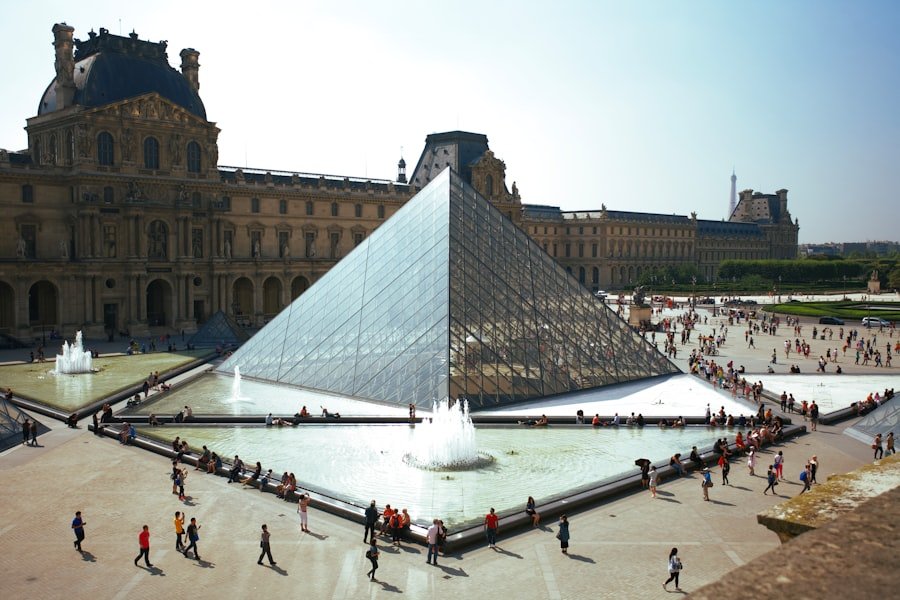
French cinema has long been celebrated for its artistic vision and storytelling prowess. From classic films by directors like François Truffaut and Jean-Luc Godard to contemporary masterpieces by filmmakers such as Jacques Audiard, French cinema offers a diverse array of narratives that explore human experiences. The Cannes Film Festival stands as one of the most prestigious film festivals globally, showcasing both established talents and emerging voices from around the world.
Engaging with French films allows audiences to gain insight into societal issues while appreciating cinematic artistry. Theatre also holds a significant place in French culture, with a rich tradition that dates back centuries. The works of playwrights like Molière and Racine continue to be performed today, reflecting timeless themes that resonate with audiences.
Modern theatre companies experiment with innovative productions that challenge conventions while celebrating classic works. Attending a performance at one of France’s historic theatres provides an immersive experience that highlights the importance of live performance in cultural expression.
Understand the Cultural Significance of French Holidays and Celebrations
French holidays are steeped in cultural significance, often rooted in historical events or religious observances. Bastille Day on July 14th commemorates the storming of the Bastille prison in 1789, marking a pivotal moment in the French Revolution. This national holiday is celebrated with parades, fireworks, and communal gatherings that foster a sense of unity among citizens.
Similarly, La Fête Nationale serves as a reminder of France’s values of liberty, equality, and fraternity. Other holidays such as All Saints’ Day (La Toussaint) reflect France’s deep religious traditions while providing an opportunity for families to come together in remembrance. Each celebration is marked by unique customs that vary from region to region, showcasing local flavours and traditions.
Understanding these holidays offers valuable insights into the collective identity of the French people while highlighting their commitment to preserving cultural heritage.
Learn about the Influence of French Fashion and Style
France has long been regarded as a global fashion capital, with Paris serving as a hub for creativity and innovation in style. The influence of French fashion extends beyond clothing; it encompasses an entire lifestyle characterised by elegance and sophistication. Renowned designers such as Coco Chanel and Christian Dior have left an indelible mark on fashion history, shaping trends that continue to resonate today.
The concept of “chic” embodies a certain je ne sais quoi that defines French style—effortless yet polished. Fashion weeks held in Paris attract designers from around the world who showcase their latest collections on international runways. These events not only highlight emerging trends but also celebrate craftsmanship and artistry within the industry.
Engaging with French fashion allows individuals to explore their personal style while appreciating the cultural significance behind each garment.
Engage with the Intriguing World of French Music and Dance
French music is as diverse as its culture, encompassing genres ranging from classical compositions to contemporary pop hits. The works of composers like Claude Debussy and Gabriel Fauré have left an enduring legacy within classical music circles while modern artists such as Édith Piaf and Daft Punk have captured global audiences with their unique sounds. Music festivals held throughout France celebrate this rich musical heritage, providing platforms for both established musicians and emerging talents.
Dance also plays an integral role in French culture, with traditional folk dances reflecting regional identities while contemporary dance companies push artistic boundaries through innovative choreography. Engaging with both music and dance offers opportunities for self-expression while fostering connections within communities. Whether attending a concert or participating in a dance workshop, immersing oneself in this vibrant world enriches understanding of cultural dynamics.
Appreciate the Unique Customs and Etiquette of French Society
French society is characterised by its unique customs and etiquette that reflect values such as politeness, respect for tradition, and appreciation for artful living. Greetings are an essential aspect of social interactions; a simple “bonjour” can set a positive tone for any encounter. Dining etiquette is equally important; meals are often seen as communal experiences where conversation flows freely over carefully prepared dishes.
Understanding these customs enhances one’s ability to navigate social situations gracefully while fostering meaningful connections with locals. Engaging with these practices allows individuals to appreciate not only the nuances of communication but also deeper cultural values that shape everyday life in France.
Participate in Interactive Workshops and Activities to Enhance Your Understanding of French Culture
To truly immerse oneself in French culture, participating in interactive workshops can be an enriching experience. From cooking classes that teach traditional recipes to art workshops exploring techniques used by famous painters, these activities provide hands-on opportunities for learning. Language immersion programmes offer learners a chance to practice their skills while engaging with native speakers in authentic settings.
Additionally, cultural excursions such as guided tours through historic sites or visits to local markets allow participants to connect with their surroundings on a deeper level. These experiences foster appreciation for France’s diverse heritage while creating lasting memories that extend beyond mere observation—transforming visitors into active participants within this vibrant culture. In conclusion, embracing all aspects of French culture—from festive traditions to culinary delights—offers invaluable insights into what makes this nation so unique.
By exploring its rich history through art and literature or engaging with contemporary expressions through music and fashion, individuals can cultivate a deeper understanding that transcends borders while celebrating shared humanity across cultures.




