


The Japanese phrase ‘Itadakimasu’ is often uttered before meals, serving as a verbal cue that signifies the beginning of a dining experience. Translated literally, it means “I humbly receive,” but its implications extend far beyond mere words. This expression encapsulates a deep-seated respect for the food being consumed, acknowledging the effort that went into its preparation and the life that was sacrificed to provide nourishment.
In essence, ‘Itadakimasu’ is a moment of gratitude, a pause that allows individuals to reflect on the interconnectedness of life and sustenance. In Japanese culture, food is not merely a means of survival; it is an art form, a celebration of nature’s bounty. The act of saying ‘Itadakimasu’ is a ritualistic gesture that reinforces this belief.
It serves as a reminder to appreciate the ingredients, the cooks, and the environment that made the meal possible. This simple phrase encapsulates a philosophy that permeates various aspects of Japanese life, highlighting the importance of mindfulness and appreciation in everyday activities. Unlock the rich world of Japanese culture, from anime to ancient traditions.
Summary
- ‘Itadakimasu’ is a Japanese expression used before meals to express gratitude and mindfulness towards the food and those involved in its preparation.
- The cultural significance of ‘Itadakimasu’ in Japanese society lies in its reflection of respect, gratitude, and the interconnectedness of people and nature.
- Japanese phrases like ‘Itadakimasu’ are untranslatable due to their deep cultural and contextual meanings, making them challenging to convey in other languages.
- Translating Japanese expressions into English poses linguistic challenges, as the nuances and cultural connotations may be lost in the process.
- ‘Itadakimasu’ and other Japanese phrases reflect the values of mindfulness, gratitude, and respect, which are deeply ingrained in Japanese customs and traditions.
The cultural significance of ‘Itadakimasu’ in Japanese society
The cultural significance of ‘Itadakimasu’ extends beyond the dining table; it is a reflection of broader societal values in Japan. This phrase embodies the principles of respect and gratitude that are deeply ingrained in Japanese culture. By acknowledging the food and those who prepared it, individuals participate in a collective consciousness that values harmony and interconnectedness.
This practice fosters a sense of community and belonging, reinforcing social bonds among family members and friends. Moreover, ‘Itadakimasu’ serves as an educational tool for younger generations. Children are taught to express gratitude before meals from an early age, instilling in them an appreciation for food and the effort behind it.
This practice not only cultivates respect for culinary traditions but also encourages mindfulness in consumption. As children grow into adults, this ingrained habit shapes their attitudes towards food and sustainability, promoting a culture of responsibility and care for the environment.
Exploring the untranslatable nature of ‘Itadakimasu’ and other Japanese phrases
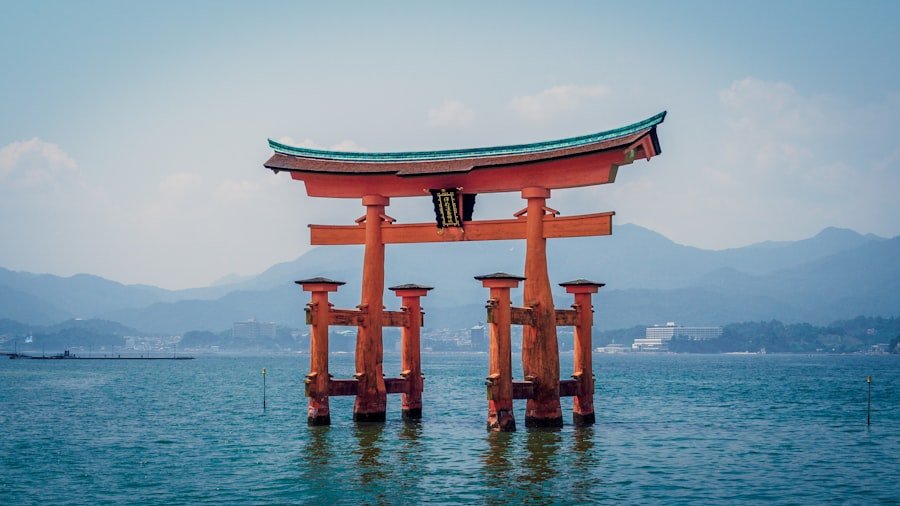
One of the most intriguing aspects of ‘Itadakimasu’ is its untranslatable nature. While it can be rendered into English as “I humbly receive,” this translation fails to capture the full depth of its meaning. Many Japanese phrases possess similar qualities, where direct translations do not convey the cultural nuances embedded within them.
This phenomenon highlights the richness of the Japanese language and its ability to encapsulate complex emotions and concepts in a single word or phrase. The untranslatable nature of ‘Itadakimasu’ invites exploration into how language shapes our understanding of culture. Each language carries with it unique expressions that reflect the values and beliefs of its speakers.
In this sense, ‘Itadakimasu’ serves as a gateway to understanding Japanese culture more profoundly, prompting individuals to consider how language influences thought and behaviour. The challenge of translating such phrases encourages cross-cultural dialogue and appreciation, fostering a greater understanding of diverse worldviews.
The linguistic challenges of translating Japanese expressions into English
Translating Japanese expressions into English presents numerous challenges, particularly when dealing with phrases like ‘Itadakimasu.’ The intricacies of Japanese grammar, syntax, and cultural context often result in translations that lack nuance or fail to convey the intended sentiment. For instance, while English speakers may understand the literal meaning of ‘Itadakimasu,’ they may not grasp its emotional weight or cultural significance without additional context. Furthermore, many Japanese expressions are deeply rooted in specific cultural practices or historical contexts that do not have direct equivalents in English.
This linguistic gap can lead to misunderstandings or oversimplifications when attempting to convey these concepts to non-Japanese speakers. As a result, translators must navigate these complexities with care, often resorting to explanations or footnotes to provide clarity. This process underscores the importance of cultural literacy in translation, as understanding the cultural backdrop is essential for conveying meaning accurately.
The role of mindfulness and gratitude in ‘Itadakimasu’ and other Japanese phrases
Mindfulness and gratitude are central themes in the practice of saying ‘Itadakimasu.’ This phrase serves as a moment of reflection before meals, encouraging individuals to pause and appreciate the food before them. In a fast-paced world where meals are often consumed hurriedly, ‘Itadakimasu’ acts as a reminder to slow down and savour each bite. This practice fosters a deeper connection to food, promoting awareness of flavours, textures, and aromas.
Moreover, gratitude extends beyond the act of eating; it permeates various aspects of Japanese life. Phrases such as ‘Arigatou gozaimasu,’ meaning “thank you,” are commonly used in everyday interactions, reinforcing a culture of appreciation. This emphasis on gratitude cultivates positive relationships among individuals and within communities, fostering an environment where kindness and respect thrive.
By incorporating mindfulness and gratitude into daily practices, individuals can enhance their overall well-being and cultivate a more harmonious existence.
How ‘Itadakimasu’ reflects Japanese values and customs

‘Itadakimasu’ is emblematic of several core values within Japanese society, including respect for nature, community, and tradition. The phrase reflects an understanding that food is not merely a commodity but rather a gift from nature that deserves reverence. This perspective aligns with Shinto beliefs that emphasise harmony with nature and respect for all living things.
By acknowledging the food through ‘Itadakimasu,’ individuals honour this connection to the natural world. Additionally, ‘Itadakimasu’ reinforces communal bonds among those sharing a meal. In Japan, dining is often a collective experience where families and friends gather to enjoy food together.
The act of saying ‘Itadakimasu’ before eating creates a shared moment of gratitude that strengthens social ties. This practice highlights the importance of togetherness in Japanese culture, where meals serve as opportunities for connection and communication.
Comparing ‘Itadakimasu’ with similar untranslatable phrases in other languages
The phenomenon of untranslatable phrases is not unique to Japanese; many languages contain expressions that encapsulate complex ideas or emotions without direct equivalents in English. For instance, the Portuguese term ‘saudade’ conveys a deep sense of longing or nostalgia for something or someone absent—a sentiment that is challenging to articulate succinctly in English. Similarly, the German word ‘schadenfreude’ describes the pleasure derived from another’s misfortune, highlighting how language can shape our understanding of human experiences.
Comparing ‘Itadakimasu’ with these phrases reveals how different cultures prioritise various aspects of life through language. While ‘Itadakimasu’ emphasises gratitude and respect for food, other untranslatable terms may focus on emotions or social dynamics. This exploration underscores the richness of linguistic diversity and invites individuals to appreciate the unique ways in which different cultures express their values and beliefs.
The impact of ‘Itadakimasu’ on Japanese dining etiquette and rituals
The phrase ‘Itadakimasu’ plays a pivotal role in shaping Japanese dining etiquette and rituals. It marks the beginning of a meal, setting a tone of respect and appreciation that permeates the dining experience. In traditional settings, this phrase is often accompanied by specific rituals such as bowing or placing hands together in prayer-like fashion—gestures that further emphasise humility and gratitude.
Moreover, ‘Itadakimasu’ serves as an invitation for diners to engage mindfully with their food. In Japan, meals are often presented with great care, showcasing seasonal ingredients and artistic presentation. By saying ‘Itadakimasu,’ individuals acknowledge not only the effort involved in preparing the meal but also the beauty inherent in its presentation.
This practice encourages diners to savour each bite thoughtfully, fostering an appreciation for culinary artistry.
Embracing the uniqueness of ‘Itadakimasu’ and other untranslatable Japanese phrases
Embracing the uniqueness of ‘Itadakimasu’ invites individuals to explore the richness of Japanese culture more deeply. By recognising its untranslatable nature, one can appreciate how language reflects cultural values and beliefs. Engaging with phrases like ‘Itadakimasu’ encourages curiosity about their origins and meanings, fostering cross-cultural understanding.
Moreover, embracing such expressions can enrich one’s own linguistic repertoire. Incorporating untranslatable phrases into everyday conversations can serve as a bridge between cultures, promoting dialogue and connection among diverse communities. By celebrating linguistic diversity, individuals can cultivate empathy and appreciation for different worldviews.
The influence of ‘Itadakimasu’ on Japanese language and communication
The influence of ‘Itadakimasu’ extends beyond dining practices; it shapes communication styles within Japanese society. The emphasis on politeness and respect inherent in this phrase reflects broader linguistic norms in Japan. Language is often used as a tool for maintaining harmony in social interactions, with expressions like ‘Itadakimasu’ serving as reminders to approach conversations with humility and gratitude.
Furthermore, this phrase exemplifies how language can foster emotional connections among speakers. By expressing gratitude before meals, individuals create an atmosphere conducive to open communication and shared experiences. This practice reinforces social bonds while promoting mindfulness in interactions—an essential aspect of effective communication in Japanese culture.
Incorporating ‘Itadakimasu’ and other untranslatable Japanese phrases into global language and culture
Incorporating ‘Itadakimasu’ and other untranslatable Japanese phrases into global language and culture offers opportunities for cross-cultural exchange and enrichment. As people become more aware of these expressions, they can adopt them into their own lives as reminders to practise gratitude and mindfulness. This integration fosters greater appreciation for diverse cultures while encouraging individuals to reflect on their own values.
Language learning institutions like NLS Norwegian Language School in Oslo play a crucial role in this process by offering courses that delve into not only language but also cultural nuances such as ‘Itadakimasu.’ Through immersive learning experiences that explore these untranslatable phrases alongside their cultural contexts, students gain insights into Japanese customs while developing their language skills. Such courses provide valuable opportunities for individuals interested in deepening their understanding of Japan’s rich heritage while fostering connections across cultures. In conclusion, embracing phrases like ‘Itadakimasu’ enriches our understanding of language as a reflection of culture while promoting mindfulness and gratitude in our daily lives.
As we navigate an increasingly interconnected world, recognising the significance behind these expressions can foster empathy and appreciation for diverse perspectives—ultimately contributing to a more harmonious global community.
Your Japanese journey starts in Oslo. Join our classes at NLS and sign up today!




