


The ability to communicate effectively in Japanese is a valuable skill that opens doors to understanding a rich culture and engaging with its people. Japanese, with its unique writing systems and intricate levels of politeness, presents both challenges and rewards for learners. Mastering the language not only enhances travel experiences but also fosters deeper connections with Japanese speakers.
As one delves into the nuances of Japanese, they will discover a world where language reflects social hierarchies, cultural values, and historical contexts. Developing speaking skills in Japanese requires consistent practice and exposure to the language. Unlike many Western languages, Japanese relies heavily on context and non-verbal cues, making it essential for learners to immerse themselves in conversational settings.
Engaging with native speakers, participating in language exchange programmes, or enrolling in structured courses can significantly enhance one’s proficiency. The journey to fluency is not merely about memorising vocabulary; it involves understanding the subtleties of expression and the cultural significance behind words. Learn Japanese at the Norwegian Language School.
Summary
- Japanese speaking skills are essential for effective communication in Japan and with Japanese speakers around the world.
- Learning common Japanese phrases for everyday conversations can help you navigate daily interactions with ease.
- Polite and respectful phrases in Japanese are important for showing courtesy and consideration in social interactions.
- Expressing emotions and feelings in Japanese allows for more nuanced and authentic communication.
- Useful phrases for traveling in Japan can help you navigate transportation, accommodation, and dining experiences more smoothly.
Common Japanese Phrases for Everyday Conversations
Everyday conversations in Japanese often revolve around simple yet essential phrases that facilitate communication. Greetings form the foundation of any interaction, with expressions such as “Konnichiwa” (Hello) and “Arigatou” (Thank you) being fundamental. These phrases not only serve as polite acknowledgments but also set a friendly tone for further dialogue.
Additionally, asking questions like “Ogenki desu ka?” (How are you?) can help establish rapport and show genuine interest in the other person’s well-being. In daily interactions, it is also crucial to know how to express agreement or disagreement. Phrases like “Hai” (Yes) and “Iie” (No) are straightforward yet vital for clear communication.
Furthermore, incorporating phrases such as “Soudesune” (That’s right) or “Chigaimasu” (That’s not correct) can enrich conversations by allowing speakers to engage more deeply with one another’s thoughts. Mastering these common phrases lays a solid foundation for more complex discussions and helps learners navigate various social situations with ease.
Polite and Respectful Phrases in Japanese

Politeness is a cornerstone of Japanese culture, and this is reflected in the language itself. When conversing in Japanese, using respectful phrases is essential to convey humility and consideration for others. The use of “san” after a person’s name, for instance, is a common way to show respect.
Additionally, phrases like “Sumimasen” (Excuse me) or “Shitsurei shimasu” (I’m sorry for the interruption) are frequently employed to maintain politeness during conversations. Understanding the different levels of politeness in Japanese can be quite complex but is crucial for effective communication. For instance, when addressing someone of higher status or an elder, one might use more formal language, such as “O-negai shimasu” (I humbly request).
Conversely, when speaking with friends or peers, a more casual tone is acceptable. This flexibility in language use not only reflects the speaker’s awareness of social dynamics but also fosters a respectful atmosphere conducive to meaningful exchanges.
Expressing Emotions and Feelings in Japanese
Expressing emotions in Japanese can be both straightforward and nuanced, depending on the context and the relationship between speakers. Basic phrases such as “Ureshii” (I am happy) or “Kanashii” (I am sad) allow individuals to convey their feelings directly. However, the subtleties of emotion often require more elaborate expressions.
For example, one might say “Sugoi ureshii!” (I am so happy!) to emphasise their joy or “Zannen desu” (That’s unfortunate) to express disappointment. Moreover, understanding how to articulate feelings can enhance interpersonal relationships. Phrases like “Anata ni aitakute tamaranai” (I can’t wait to see you) convey longing and affection, while “Hontou ni arigatou gozaimasu” (Thank you very much) can express deep gratitude.
By learning how to articulate emotions effectively, learners can connect on a more profound level with their Japanese-speaking counterparts, fostering empathy and understanding.
Useful Phrases for Traveling in Japan
For those planning to travel to Japan, knowing practical phrases can significantly enhance the experience. Essential expressions such as “Eigo o hanasemasu ka?” (Do you speak English?) can be invaluable when navigating unfamiliar environments. Additionally, phrases like “Kono basu wa doko e ikimasu ka?” (Where does this bus go?) are crucial for ensuring smooth transportation throughout the country.
When dining out or shopping, knowing how to ask for assistance can make a world of difference. Phrases such as “Menu o misete kudasai” (Please show me the menu) or “Kore wa ikura desu ka?” (How much is this?) are practical tools for engaging with locals. Furthermore, expressing appreciation with “Oishii desu!” (It’s delicious!) after enjoying a meal can create positive interactions and leave a lasting impression on those you meet.
Japanese Phrases for Making Plans and Arrangements
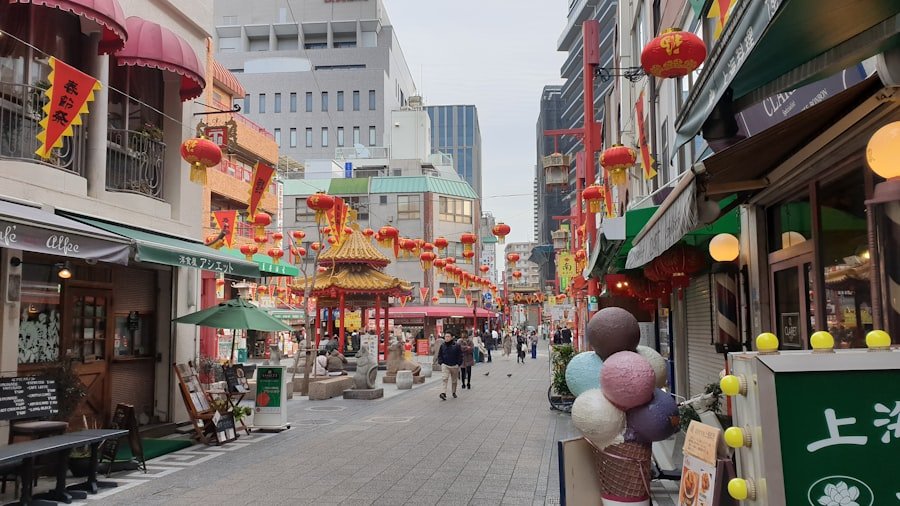
Making plans in Japanese involves a variety of phrases that facilitate scheduling and coordination. When suggesting an outing, one might say “Issho ni ikimasen ka?” (Shall we go together?). This phrase not only invites participation but also conveys a sense of camaraderie.
Additionally, confirming details with “Nanji ni aimashou ka?” (What time shall we meet?) ensures clarity and helps avoid misunderstandings. Flexibility is also key when making arrangements. Phrases like “Moshi moshi” (Hello on the phone) are useful when initiating conversations about plans over the phone.
Moreover, expressing willingness to adjust schedules with “Daijoubu desu” (It’s okay) demonstrates consideration for others’ time and commitments. By mastering these phrases, learners can navigate social engagements with confidence and ease.
Business and Formal Japanese Phrases
In the realm of business, using appropriate language is paramount for establishing professionalism and respect. Formal greetings such as “Hajimemashite” (Nice to meet you) set a positive tone for initial meetings. Additionally, incorporating phrases like “O-sewa ni narimasu” (Thank you for your support) reflects an understanding of business etiquette that is highly valued in Japanese culture.
When discussing business matters, clarity is essential. Phrases such as “Kono shorui o mite kudasai” (Please take a look at this document) or “Watashi no shigoto wa…” (My job is…) help convey information succinctly while maintaining professionalism. Furthermore, expressing gratitude for collaboration with “Kyou wa arigatou gozaimashita” (Thank you for today) reinforces positive relationships within the workplace.
Slang and Informal Japanese Expressions
While formal language is crucial in many contexts, understanding slang and informal expressions can provide insight into contemporary Japanese culture. Phrases like “Yabai!” can express excitement or surprise, while “Baka” is often used playfully among friends to mean silly or foolish. Familiarity with these expressions allows learners to engage more authentically with younger generations and understand popular culture references.
Moreover, informal greetings such as “Yo!” or “Nani shiteru?” (What are you doing?) can create a relaxed atmosphere during casual conversations. However, it is essential to use these expressions judiciously, as they may not be appropriate in all settings. By balancing formal and informal language skills, learners can navigate various social circles with ease.
Japanese Idioms and Proverbs
Japanese idioms and proverbs offer rich insights into cultural values and wisdom passed down through generations. Expressions like “Ichi-go ichi-e” (One time, one meeting) emphasise the importance of cherishing each moment and encounter. Similarly, “Nana korobi ya oki” (Fall seven times, stand up eight) reflects resilience and perseverance in the face of challenges.
Incorporating idioms into conversations not only enriches language skills but also demonstrates cultural awareness. Understanding these expressions allows learners to appreciate the depth of meaning behind everyday conversations and connect more profoundly with native speakers. By weaving idioms into discussions, one can convey complex ideas succinctly while showcasing their grasp of the language.
Expressing Gratitude and Apologies in Japanese
Gratitude and apologies are fundamental aspects of communication in Japan, reflecting the culture’s emphasis on harmony and respect. Simple phrases like “Arigatou gozaimasu” (Thank you very much) are essential for expressing appreciation in various contexts. For deeper gratitude, one might say “Hontou ni arigatou gozaimasu,” which conveys heartfelt thanks.
Apologising is equally important in maintaining social harmony. Phrases such as “Gomen nasai” (I’m sorry) or “Moushiwake arimasen” (I have no excuse) demonstrate sincerity when acknowledging mistakes or inconveniences caused to others. Understanding when and how to express gratitude or apologies can significantly enhance interpersonal relationships and foster goodwill among speakers.
Conclusion and Tips for Practicing Japanese Speaking Skills
In conclusion, developing speaking skills in Japanese requires dedication, practice, and an understanding of cultural nuances. By mastering common phrases for everyday conversations, polite expressions, emotional articulations, travel-related vocabulary, planning language, business terminology, slang, idioms, gratitude expressions, and apologies, learners can navigate various social situations with confidence. To further enhance speaking skills, engaging with native speakers through conversation exchanges or enrolling in structured courses at institutions like the NLS Norwegian Language School can provide invaluable opportunities for practice.
Immersing oneself in authentic contexts—whether through travel or cultural events—can also deepen understanding and fluency. Ultimately, consistent practice combined with cultural exploration will lead to greater proficiency and enjoyment in speaking Japanese.
Ready to speak Japanese? Enroll for Japanese classes at the NLS Norwegian Language School!




