

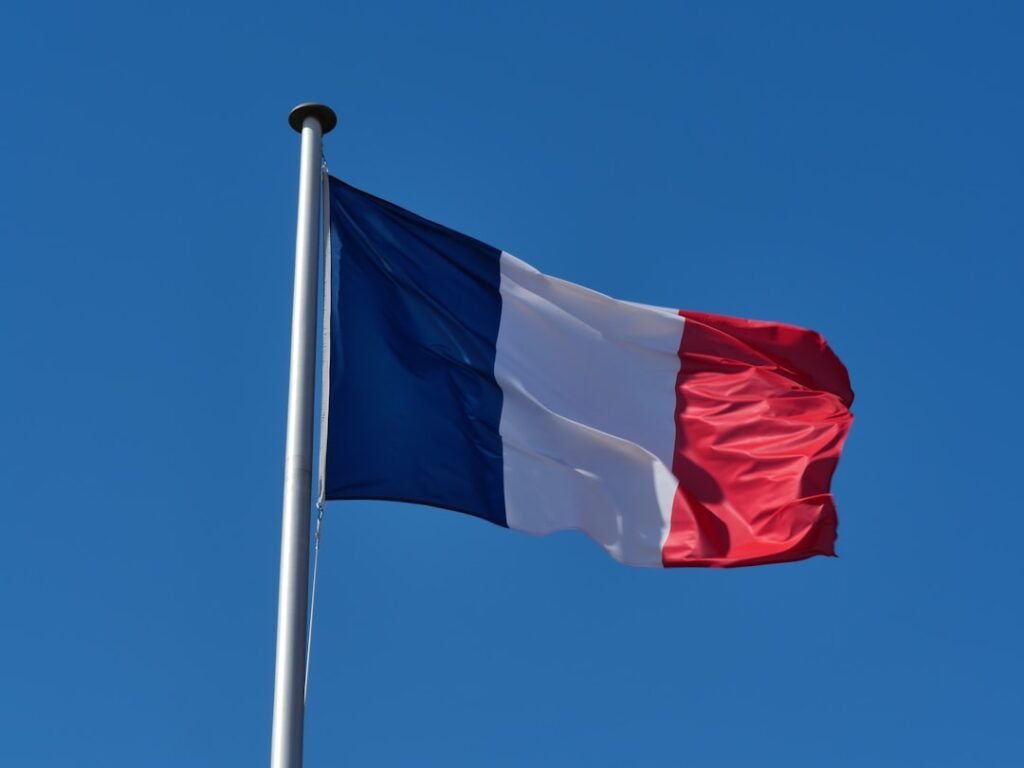
In an increasingly interconnected world, the ability to communicate in multiple languages has become a valuable asset. For many individuals in Oslo, learning French as a third language presents an exciting opportunity to broaden their linguistic horizons. French, known for its rich cultural heritage and global significance, is not only the language of romance but also a key player in international diplomacy, business, and art.
As such, mastering French can open doors to new experiences, both personally and professionally. The allure of French extends beyond its melodic sound and elegant expressions. It is a language that connects speakers to a vast array of literature, cinema, and culinary traditions.
For Oslo residents, the prospect of learning French can be particularly appealing, given Norway’s historical ties with France and the growing number of French expatriates in the region. The NLS Norwegian Language School in Oslo offers tailored French courses that cater to various proficiency levels, making it an ideal starting point for those eager to embark on this linguistic journey. Ready to say Bonjour to fluency? Your French journey starts at NLS Norwegian Language School. Enroll in a French class today!
Summary
- Learning French as a third language can be a rewarding and enriching experience for Oslo speakers.
- Challenges of learning a third language for Oslo speakers include potential interference from their first and second languages.
- Utilising language transfer techniques can help Oslo speakers efficiently learn French by building on their existing language knowledge.
- Embracing the similarities and differences between French and Norwegian can aid in understanding and mastering the new language.
- Incorporating French language learning into daily life in Oslo can create immersive and practical learning opportunities.
Understanding the Challenges of Learning a Third Language for Oslo Speakers
While the prospect of learning French is enticing, it is essential to acknowledge the unique challenges that Oslo speakers may face when acquiring a third language. One significant hurdle is the interference from their native language, Norwegian. The phonetic and grammatical structures of Norwegian differ considerably from those of French, which can lead to confusion and frustration for learners.
For instance, the nasal sounds in French and the use of gendered nouns may pose difficulties for those accustomed to the more straightforward structure of Norwegian. Moreover, the cognitive load associated with juggling multiple languages can be overwhelming. Learners often find themselves mixing vocabulary and grammar rules from their first and second languages, which can hinder their progress in mastering French.
However, understanding these challenges is the first step towards overcoming them. By recognising the potential pitfalls, learners can adopt strategies that facilitate smoother transitions between languages and enhance their overall learning experience.
Utilizing Language Transfer Techniques for Efficient Learning

One effective approach to navigating the complexities of learning French as a third language is through language transfer techniques. This method involves leveraging knowledge from previously learned languages to aid in the acquisition of new ones. For Oslo speakers, this means drawing parallels between Norwegian and French where possible.
For example, both languages share certain vocabulary roots derived from Latin, which can provide learners with familiar reference points. Additionally, understanding the similarities in sentence structure between Norwegian and French can help learners grasp new concepts more quickly. By identifying cognates—words that have similar meanings and forms in both languages—students can build their vocabulary more efficiently.
The NLS Norwegian Language School emphasises these techniques in its curriculum, encouraging students to make connections between languages and thereby enhancing their retention and comprehension.
Embracing the Similarities and Differences Between French and Norwegian
Embracing both the similarities and differences between French and Norwegian can significantly enrich the learning experience. While the two languages belong to different linguistic families—Germanic for Norwegian and Romance for French—there are notable areas of overlap that learners can exploit. For instance, both languages utilise definite and indefinite articles, albeit in different forms.
Recognising these commonalities can provide a sense of familiarity that eases the transition into learning French. Conversely, acknowledging the differences is equally important. The nuances of pronunciation in French, such as the use of silent letters and liaisons, can be particularly challenging for Norwegian speakers.
By focusing on these distinctions, learners can develop targeted strategies to improve their pronunciation skills. The NLS Norwegian Language School offers specialised courses that address these aspects, ensuring that students are well-equipped to tackle the intricacies of the French language.
Incorporating French Language Learning into Daily Life in Oslo
Integrating French language learning into daily life is a practical way to reinforce skills and enhance fluency. In Oslo, there are numerous opportunities for learners to immerse themselves in the language outside of formal classes. Engaging with French media—such as films, music, and literature—can provide valuable exposure to authentic language use while also deepening cultural understanding.
Subscribing to French podcasts or watching French television shows with subtitles can further aid comprehension. Additionally, participating in local events or meet-ups focused on French culture can create a supportive community for learners. The NLS Norwegian Language School often organises cultural events that celebrate French traditions, providing students with a platform to practice their language skills in a relaxed environment.
By actively seeking out these experiences, learners can cultivate a more profound connection with the language and its cultural context.
Finding French Language Resources and Communities in Oslo
Oslo boasts a vibrant community of language enthusiasts, making it an ideal place for those looking to learn French. Numerous resources are available for learners at all levels, from beginner to advanced. The NLS Norwegian Language School stands out as a premier institution offering comprehensive French courses tailored to individual needs.
With experienced instructors and a supportive learning environment, students can thrive as they embark on their linguistic journey. In addition to formal education, various online platforms and local groups provide supplementary resources for learners. Social media groups dedicated to language exchange can connect Oslo residents with native French speakers eager to practice their English or Norwegian skills.
Furthermore, local libraries often host language clubs or conversation groups where learners can engage with others in a relaxed setting. By tapping into these resources, students can enhance their learning experience and build lasting connections within the community.
Overcoming Pronunciation and Accent Challenges in French for Oslo Speakers
Pronunciation is often cited as one of the most daunting aspects of learning French for Oslo speakers. The distinct sounds of the French language—such as nasal vowels and certain consonant combinations—can be challenging for those whose native tongue lacks similar phonetic elements. However, with dedicated practice and guidance from experienced instructors at the NLS Norwegian Language School, learners can develop effective strategies to improve their pronunciation.
One useful technique is to engage in active listening exercises, where learners focus on mimicking native speakers’ intonation and rhythm. Recording oneself speaking in French can also provide valuable feedback on pronunciation accuracy. Additionally, utilising phonetic resources or apps designed specifically for language learners can help reinforce correct pronunciation patterns.
By addressing these challenges head-on, Oslo speakers can build confidence in their spoken French abilities.
Navigating the Grammar and Syntax Differences Between French and Norwegian
The grammatical structures of French and Norwegian present another layer of complexity for learners. While both languages share some basic sentence construction principles, there are significant differences that require careful attention. For instance, the placement of adjectives in French often differs from that in Norwegian, leading to potential confusion for learners accustomed to their native syntax.
To navigate these differences effectively, it is crucial for learners to engage with targeted grammar exercises that focus on specific areas of difficulty. The NLS Norwegian Language School provides comprehensive resources that break down complex grammatical concepts into manageable segments. By practising these structures in context—through writing exercises or conversational practice—students can gain a deeper understanding of how to apply them correctly in real-life situations.
Using Oslo’s Multilingual Environment to Practice and Improve French
Oslo’s multicultural landscape offers a unique advantage for those learning French as a third language. With a diverse population that includes many native French speakers, learners have ample opportunities to practise their skills in authentic settings. Engaging with local communities through cultural events or social gatherings allows students to immerse themselves in the language while also fostering connections with others who share similar interests.
Moreover, Oslo’s multilingual environment encourages learners to embrace linguistic diversity as a strength rather than a barrier. By interacting with speakers of various languages—including other Romance languages—students can develop a more nuanced understanding of linguistic structures and cultural contexts. This exposure not only enhances language proficiency but also enriches personal growth through cross-cultural interactions.
Setting Realistic Goals and Expectations for Learning French as a Third Language
As with any endeavour, setting realistic goals is essential for success when learning French as a third language. It is important for Oslo speakers to recognise that language acquisition is a gradual process that requires patience and persistence. Establishing clear objectives—such as mastering specific vocabulary sets or achieving conversational fluency—can provide motivation while also allowing learners to track their progress over time.
Additionally, it is crucial to maintain flexibility in one’s learning journey. Some individuals may find certain aspects of the language more challenging than others; therefore, adapting goals based on personal strengths and weaknesses is vital. The NLS Norwegian Language School encourages students to set achievable milestones while celebrating small victories along the way, fostering a positive learning environment that nurtures growth.
Celebrating the Benefits and Opportunities of Being Multilingual in Oslo
The journey of learning French as a third language ultimately culminates in a wealth of benefits that extend far beyond mere linguistic proficiency. In Oslo’s globalised society, being multilingual enhances employability prospects and opens doors to diverse career opportunities across various sectors. Employers increasingly value candidates who possess strong communication skills in multiple languages, recognising the advantages of cultural competence in today’s interconnected world.
Moreover, embracing multilingualism enriches personal experiences by fostering deeper connections with individuals from different backgrounds. Engaging with diverse cultures through language not only broadens one’s worldview but also cultivates empathy and understanding—a vital skill in an increasingly multicultural society like Oslo’s. As learners celebrate their achievements in mastering French at institutions like the NLS Norwegian Language School, they simultaneously embrace the myriad opportunities that come with being multilingual in an ever-evolving global landscape.




