

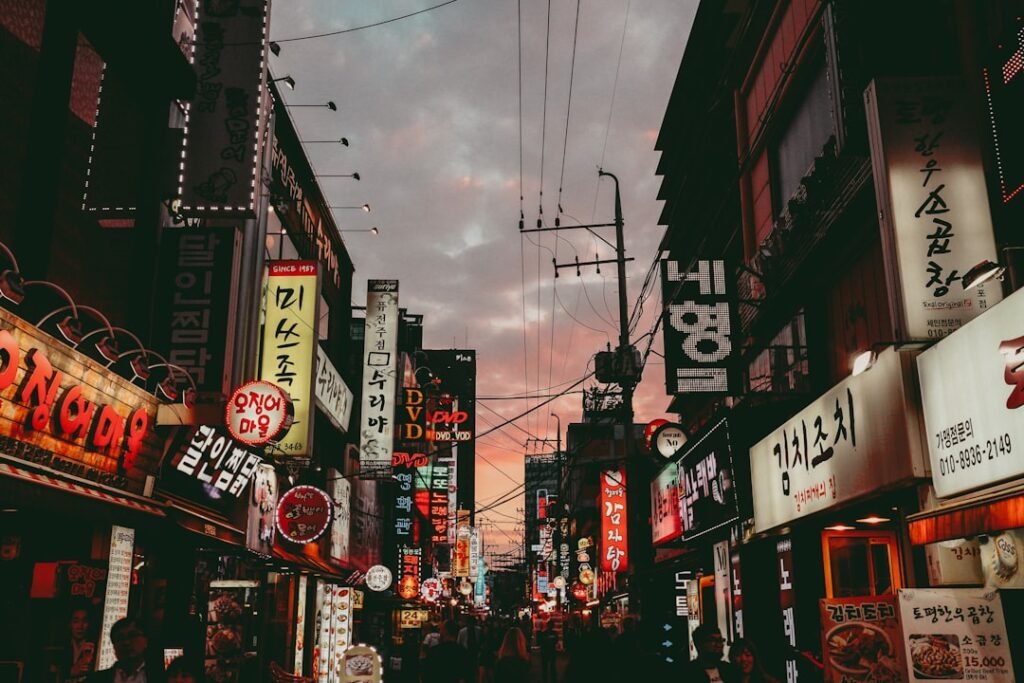
Navigating a foreign country can be a daunting experience, especially when it comes to transportation. In South Korea, taxis are a popular and convenient mode of travel, offering an efficient way to explore bustling cities like Seoul and Busan. However, for those unfamiliar with the Korean language, communicating with taxi drivers can pose a significant challenge.
This article aims to equip you with essential Korean taxi phrases that will not only ease your travel experience but also enhance your interactions with locals. By mastering these phrases, you will gain confidence in your ability to navigate the streets of Korea, ensuring that your journey is as smooth as possible. Understanding the nuances of the Korean language can greatly improve your travel experience.
While many taxi drivers in urban areas may have a basic understanding of English, relying solely on this can lead to misunderstandings or miscommunications. Therefore, learning a few key phrases in Korean can be incredibly beneficial. Not only does it demonstrate respect for the local culture, but it also opens up opportunities for more authentic interactions.
In the following sections, we will delve into various categories of phrases that will prove invaluable during your taxi rides in Korea. Learn Korean in Oslo! NLS Norwegian Language School is now offering classes. Register today.
Summary
- Korean taxi phrases are essential for travellers in South Korea to communicate effectively with taxi drivers.
- Basic greetings and polite phrases such as “hello” and “thank you” are important for establishing a good rapport with the driver.
- When asking for a taxi, it’s important to know how to say “taxi” and “please stop here” in Korean.
- Giving clear and concise directions to the driver is crucial for reaching your destination efficiently.
- Requesting the use of a meter and asking for the fare in Korean are important for ensuring a fair and transparent transaction.
Basic Greetings and Polite Phrases
When entering a taxi in Korea, it is customary to greet the driver politely. A simple “안녕하세요” (annyeonghaseyo), meaning “hello,” is an excellent way to start your journey on a positive note. This greeting not only shows respect but also sets a friendly tone for the ride.
Additionally, using polite language is crucial in Korean culture, as it reflects your understanding of social hierarchies and etiquette. Therefore, incorporating phrases such as “감사합니다” (gamsahamnida), which means “thank you,” will go a long way in establishing rapport with your driver. Politeness extends beyond greetings; it is essential to maintain a courteous demeanour throughout your interaction.
For instance, if you need to ask the driver to wait for you while you run an errand, you can say “잠시만 기다려 주세요” (jamshimman gidaryeo juseyo), meaning “please wait a moment.” This phrase not only conveys your request but also demonstrates your appreciation for their time. By using these basic greetings and polite phrases, you will create a more pleasant atmosphere during your taxi rides and foster goodwill with the local people.
Asking for a Taxi
When you find yourself in need of a taxi, knowing how to ask for one in Korean can be incredibly helpful. If you are at a hotel or a busy street, simply raising your hand may suffice; however, if you want to be more specific or ensure that a taxi stops for you, you can say “택시 불러 주세요” (taeksi bulleo juseyo), which translates to “please call a taxi.” This phrase is particularly useful when you are in an area where taxis may not be readily available. In addition to asking for a taxi, it is also beneficial to know how to specify the type of taxi you prefer.
For example, if you would like to request a larger vehicle for more passengers or luggage, you can say “대형 택시 주세요” (daehyeong taeksi juseyo), meaning “please give me a large taxi.” Being able to communicate your needs clearly will not only save time but also ensure that you have a comfortable ride tailored to your requirements.
Giving Directions to the Driver
Once you are in the taxi and ready to embark on your journey, providing clear directions is essential. If you have a specific destination in mind, it is helpful to know how to say it in Korean. For instance, if you want to go to Gyeongbokgung Palace, you would say “경복궁 가 주세요” (Gyeongbokgung ga juseyo), which means “please go to Gyeongbokgung.” It is advisable to have the name of your destination written down in Hangul or on your phone so that you can show it to the driver if needed.
In cases where you may not know the exact name of your destination but have a general idea of the area, you can use phrases like “이 근처에 가 주세요” (i geuncheoe ga juseyo), meaning “please take me near here.” This phrase allows for some flexibility and can help the driver understand your intended location even if you are unsure of the exact address. Clear communication is key when giving directions, and having these phrases at your disposal will make the process much smoother.
Requesting the Use of a Meter
In South Korea, taxis are generally required to use a meter for fare calculation. However, there may be instances where drivers do not automatically turn on the meter or where you feel uncertain about the fare being charged. To ensure transparency and fairness in pricing, it is important to know how to request the use of a meter.
You can say “미터기 켜 주세요” (miteogi kyeo juseyo), which translates to “please turn on the meter.” This polite request will help clarify any potential misunderstandings regarding fare charges. If the driver seems hesitant or does not comply with your request, remaining calm and polite is crucial. You might follow up with “미터로 가는 게 좋겠어요” (miteoro ganeun ge jogetseoyo), meaning “it would be better to go by meter.” This phrase reinforces your preference for using the meter while maintaining a respectful tone.
By being assertive yet courteous, you can navigate this situation effectively and ensure that you are charged fairly for your ride.
Asking for the Fare

At the end of your journey, knowing how to inquire about the fare is essential. After arriving at your destination, you can simply ask “요금이 얼마예요?” (yogeumi eolmaeyo?), which means “how much is the fare?” This straightforward question allows you to confirm the cost before making payment. It is advisable to have some cash on hand, as not all taxis accept credit cards.
If you feel that the fare seems unusually high or if there has been a misunderstanding regarding the route taken, do not hesitate to express your concerns politely. You might say “이거 너무 비싼 것 같아요” (igeo neomu bissan geot gatayo), meaning “I think this is too expensive.” This approach allows for open communication while ensuring that both parties are on the same page regarding payment expectations.
Expressing Gratitude to the Driver
Expressing gratitude is an important aspect of any interaction, especially after receiving a service like transportation. Once you have paid the fare and reached your destination, taking a moment to thank your driver can leave a positive impression. A simple “감사합니다” (gamsahamnida) goes a long way in showing appreciation for their service.
This small gesture not only reflects well on you as a traveller but also contributes to fostering goodwill between cultures. In addition to thanking them verbally, consider offering a friendly smile or nod as you exit the taxi. Non-verbal communication can often convey sentiments that words alone cannot express.
By acknowledging the driver’s efforts and showing appreciation for their assistance, you contribute positively to their day and reinforce the importance of kindness in travel experiences.
Dealing with Traffic and Delays
Traffic congestion is common in major cities across South Korea, particularly during peak hours. If you find yourself stuck in traffic during your taxi ride, it is helpful to know how to address this situation with your driver. You might say “교통이 많이 막히네요” (gyotongi mani makhineyo), which translates to “the traffic is really bad.” This phrase acknowledges the situation and shows empathy towards the driver’s predicament.
If delays occur and you are concerned about reaching your destination on time, it is appropriate to ask about alternative routes. You can inquire by saying “다른 길로 갈 수 있어요?” (dareun gillo gal su isseoyo?), meaning “can we take another route?” This question demonstrates your willingness to collaborate with the driver while seeking solutions together. By maintaining open communication during traffic delays, you can alleviate any potential stress and ensure that both you and the driver remain calm throughout the journey.
Handling Payment and Tipping
When it comes time to settle the fare, understanding how payment works in South Korea is crucial. Most taxis accept cash, but many also offer credit card payment options. If paying by card, simply hand over your card and say “카드로 결제할게요” (kadeuro gyeoljehalgeyo), which means “I will pay by card.” If paying with cash, ensure that you have small denominations available as drivers may not always have change for larger bills.
Tipping in South Korea is not customary; however, rounding up the fare or leaving small change as a gesture of appreciation is appreciated by some drivers. If you choose to leave a tip, saying “조금 드릴게요” (jogeum deulgeyo), meaning “I will give you a little,” can convey your intention politely. Ultimately, whether or not to tip depends on personal preference; what matters most is expressing gratitude for the service received.
Emergency Situations and Safety Concerns
While travelling by taxi in South Korea is generally safe, it is wise to be prepared for any unexpected situations that may arise. In case of an emergency or if you feel uncomfortable during your ride, knowing how to communicate effectively can make all the difference. If you need assistance or feel unsafe, saying “도와주세요!” (dowajuseyo!), which means “please help me!” can alert others nearby or prompt the driver to take action.
Additionally, having emergency contact numbers saved on your phone can be beneficial should any issues arise during your journey. Familiarising yourself with local emergency services or having access to translation apps can also provide peace of mind while travelling in unfamiliar territory. Being proactive about safety ensures that you can enjoy your travels without unnecessary worry.
Conclusion and Recap of Essential Phrases
In conclusion, mastering essential Korean taxi phrases can significantly enhance your travel experience in South Korea. From basic greetings and polite expressions to specific requests regarding fares and directions, these phrases empower you to communicate effectively with taxi drivers and navigate urban environments with confidence. Remembering key phrases such as “택시 불러 주세요” (please call a taxi) and “미터기 켜 주세요” (please turn on the meter) will help ensure that your journeys are smooth and enjoyable.
As you embark on your adventures through South Korea’s vibrant cities, consider enrolling in Korean courses at NLS Norwegian Language School in Oslo. These courses offer an excellent opportunity to deepen your understanding of the language while gaining valuable insights into Korean culture. By investing time in learning Korean, you’ll not only enhance your travel experiences but also foster meaningful connections with locals along the way.
Embrace this chance to expand your linguistic skills and immerse yourself fully in all that South Korea has to offer!




