

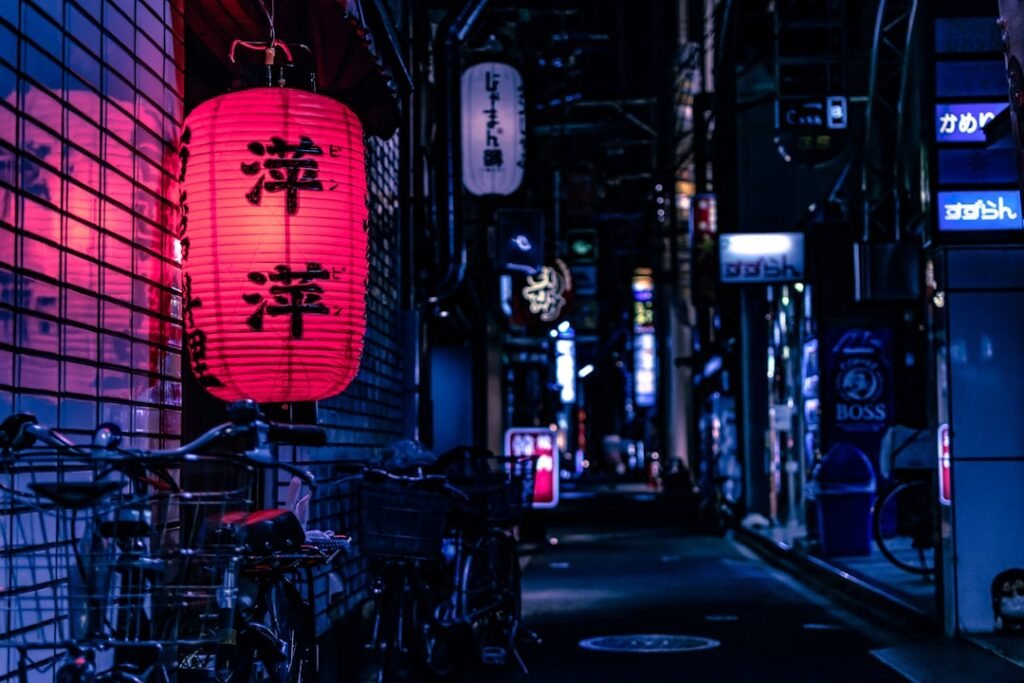
Japanese greetings are an essential aspect of the culture, reflecting the values and social norms of the society. When visiting Japan, understanding these greetings can significantly enhance the experience and foster a deeper connection with the locals. The Japanese language is rich and nuanced, and greetings serve as a gateway to understanding the broader cultural context.
From the simple “konnichiwa” to more complex expressions, each greeting carries its own weight and significance. This article will explore various aspects of Japanese greetings, providing insights for tourists eager to immerse themselves in this fascinating culture. As a visitor in Japan, one may find that greetings are not merely a formality but rather a vital part of social interaction.
They set the tone for conversations and establish relationships, whether they are between friends, family, or strangers. By learning about these greetings, tourists can navigate social situations with greater ease and show respect for the customs of their hosts. This understanding can lead to more meaningful interactions and a richer travel experience. Unlock the rich world of Japanese culture, from anime to ancient traditions.
Summary
- Japanese greetings are an essential part of the culture and show respect and politeness.
- “Konnichiwa” is a common greeting for tourists and can be used throughout the day.
- Tourists should also learn other natural Japanese greetings such as “ohayou gozaimasu” (good morning) and “konbanwa” (good evening).
- Bowing is a traditional Japanese greeting that demonstrates respect and should be reciprocated.
- Non-verbal greetings such as hand gestures and nods are also important in Japanese culture and should be used appropriately.
Understanding the Importance of Greetings in Japanese Culture
In Japan, greetings are deeply embedded in the fabric of daily life. They are not just a way to say hello; they embody the principles of respect, humility, and social hierarchy that are central to Japanese culture. The act of greeting someone is often seen as an opportunity to express gratitude and acknowledge the other person’s presence.
This cultural significance makes it imperative for tourists to grasp the nuances of Japanese greetings. Moreover, greetings in Japan can vary significantly depending on the context and the relationship between individuals. For instance, a greeting exchanged between close friends may differ from one shared in a formal business setting.
Understanding these subtleties can help tourists avoid potential faux pas and demonstrate their willingness to engage with the culture on a deeper level. By appreciating the importance of greetings, visitors can foster goodwill and create lasting memories during their stay.
Konnichiwa: A Common Greeting for Tourists
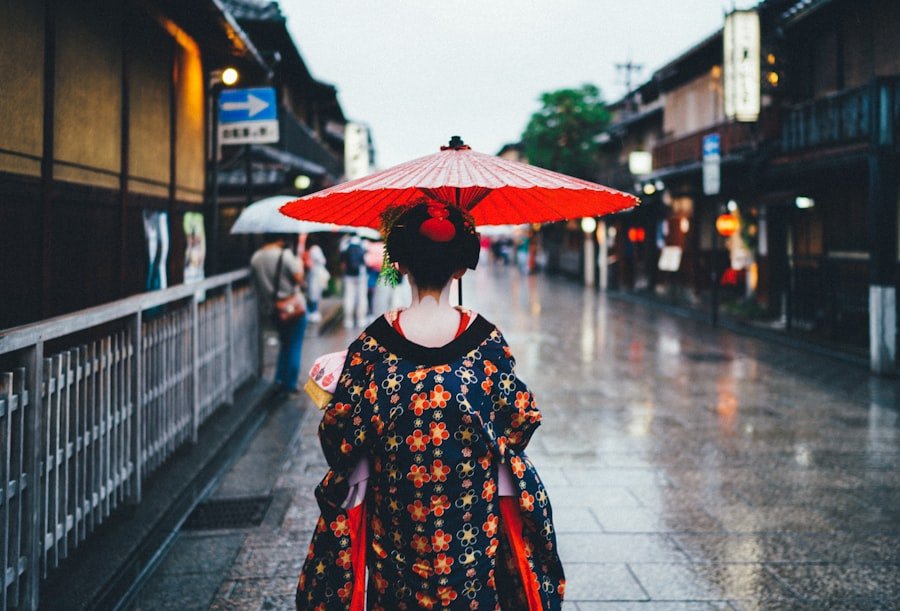
One of the most recognisable Japanese greetings is “konnichiwa,” which translates to “good afternoon.” This versatile greeting is commonly used throughout the day and is particularly popular among tourists due to its simplicity and ease of pronunciation. When visiting Japan, saying “konnichiwa” can be an excellent way to initiate conversations with locals, whether in shops, restaurants, or public spaces. While “konnichiwa” is widely accepted, it is essential to remember that it is primarily used during the daytime.
As evening approaches, one might switch to “konbanwa,” meaning “good evening.” This transition highlights the importance of timing in Japanese greetings and serves as a reminder that even simple phrases can carry specific meanings based on context. Tourists should feel encouraged to use “konnichiwa” as a friendly introduction while also being mindful of when to adapt their greetings as the day progresses.
Other Natural Japanese Greetings for Tourists
In addition to “konnichiwa,” there are several other greetings that tourists may find useful during their travels in Japan. For instance, “ohayou gozaimasu,” meaning “good morning,” is a warm way to greet someone early in the day. This phrase can be particularly effective when interacting with hotel staff or local shopkeepers, as it conveys a sense of friendliness and respect.
Another common greeting is “sayonara,” which means “goodbye.” While it may seem straightforward, this farewell carries a sense of finality and is typically reserved for longer separations. For casual encounters or brief goodbyes, one might opt for “ja ne” or “mata ne,” both of which translate to “see you later.” By incorporating these additional greetings into their vocabulary, tourists can enhance their interactions and leave a positive impression on those they meet.
Bowing: The Traditional Japanese Greeting
Bowing is an integral part of Japanese culture and serves as a traditional form of greeting that goes beyond mere words. The depth and angle of a bow can convey various meanings, from a simple acknowledgment to a profound expression of respect or apology. For tourists, understanding the significance of bowing can enrich their experience and demonstrate cultural sensitivity.
When bowing, it is essential to maintain a straight posture and bow from the waist while keeping one’s hands at the sides or clasped in front. The depth of the bow typically corresponds to the level of respect being shown; a slight bow may suffice for casual encounters, while a deeper bow is appropriate in more formal situations. Tourists should feel encouraged to practice this gesture, as it can foster goodwill and create a positive atmosphere during interactions with locals.
Non-verbal Greetings: Hand Gestures and Nods
In addition to verbal greetings and bowing, non-verbal communication plays a significant role in Japanese interactions. Simple gestures such as nodding can convey understanding and agreement without the need for words. When engaging in conversation, tourists may notice that nodding is often used by locals as a way to acknowledge what is being said, even if they do not fully understand the language.
Hand gestures are also important in Japanese culture; however, they tend to be more subtle than in some Western cultures. Pointing directly at someone or using exaggerated gestures may be considered impolite. Instead, using open hands or gentle movements can help convey messages without causing discomfort.
By being mindful of these non-verbal cues, tourists can enhance their communication skills and foster more meaningful connections with those they meet.
Politeness and Respect in Japanese Greetings
Politeness is a cornerstone of Japanese culture, and this principle is deeply reflected in the way greetings are exchanged. When greeting someone in Japan, it is customary to use polite language and expressions that convey respect. This emphasis on politeness extends beyond mere words; it encompasses body language, tone of voice, and even facial expressions.
For tourists, adopting a polite demeanor when greeting locals can go a long way in building rapport. Simple gestures such as bowing slightly or using honourifics when addressing someone can demonstrate an understanding of cultural norms. Additionally, maintaining eye contact while greeting someone shows sincerity and attentiveness.
By embodying these values of politeness and respect, visitors can create positive interactions that leave lasting impressions.
In Japan, the context in which greetings are used plays a crucial role in determining their appropriateness. Formal situations often require more elaborate greetings that reflect social hierarchies and relationships. For instance, when meeting someone for the first time or addressing a superior, it is customary to use formal language and bows that indicate respect.
Conversely, informal greetings are more relaxed and typically used among friends or peers. In these situations, phrases like “yo” or “heeeey” may be acceptable among younger generations. Tourists should be aware of these distinctions and adjust their greetings accordingly based on the context and their relationship with the person they are addressing.
By doing so, they can navigate social situations with greater ease and confidence.
Common Mistakes to Avoid When Greeting in Japanese
While learning Japanese greetings can be an enriching experience, there are common pitfalls that tourists should be aware of to avoid misunderstandings or unintentional disrespect. One frequent mistake is using overly casual language in formal settings; this can come across as rude or dismissive. It is essential for visitors to gauge the situation before deciding on their approach.
Another common error involves mispronouncing greetings or failing to use appropriate honourifics when addressing someone older or in a position of authority. Tourists should take care to learn proper pronunciation and etiquette surrounding names and titles to ensure respectful communication. By being mindful of these potential mistakes, visitors can enhance their interactions and demonstrate cultural awareness.
Practicing Japanese Greetings: Tips for Tourists
For tourists eager to master Japanese greetings, practice is key. Engaging with locals in everyday situations provides an excellent opportunity to refine language skills while immersing oneself in the culture. Visitors can start by practising common phrases like “konnichiwa” or “ohayou gozaimasu” before embarking on their journey.
Additionally, tourists may consider enrolling in language courses offered by institutions such as the NLS Norwegian Language School in Oslo, which provides comprehensive Japanese language classes tailored for beginners and those looking to improve their skills. These courses not only focus on language acquisition but also delve into cultural nuances that enhance understanding of greetings and social interactions in Japan.
Embracing Japanese Greetings as a Tourist
In conclusion, embracing Japanese greetings as a tourist is an invaluable aspect of experiencing Japan’s rich culture. By understanding the significance of these greetings and practising them with respect and sincerity, visitors can foster meaningful connections with locals while navigating social situations with ease. From simple phrases like “konnichiwa” to traditional gestures like bowing, each element contributes to a deeper appreciation of Japanese customs.
For those looking to further their understanding of the language and culture, enrolling in Japanese courses at institutions such as the NLS Norwegian Language School in Oslo offers an excellent opportunity for growth. These courses provide not only language instruction but also insights into cultural practices that will enhance any visit to Japan. Ultimately, by embracing Japanese greetings, tourists can create lasting memories and enrich their travel experiences in this beautiful country.
Your Japanese journey starts in Oslo. Join our classes at NLS and sign up today!




